Raw Wool
CN → US| HS编码 | 关税税率 | 原产国 | 目的国 | 文档 |
|---|---|---|---|---|
| 5103200000 | 0.0% | CN | US | 官方文档 |
| 5103100000 | 0.0% | CN | US | 官方文档 |
| 5101111000 | 35.0% | CN | US | 官方文档 |
| 5101116030 | 0.0% | CN | US | 官方文档 |
| 5102196060 | 35.4% | CN | US | 官方文档 |
| 5102111000 | 0.0% | CN | US | 官方文档 |
商品图片
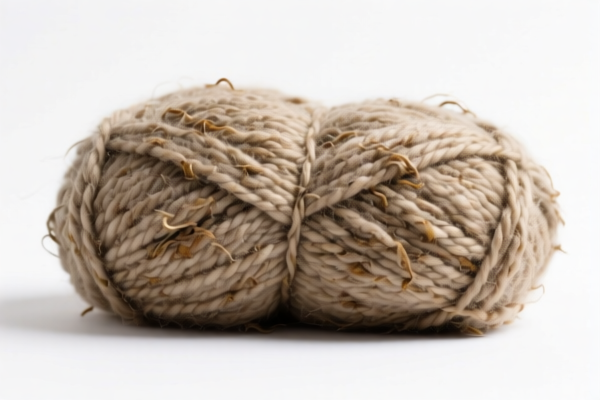
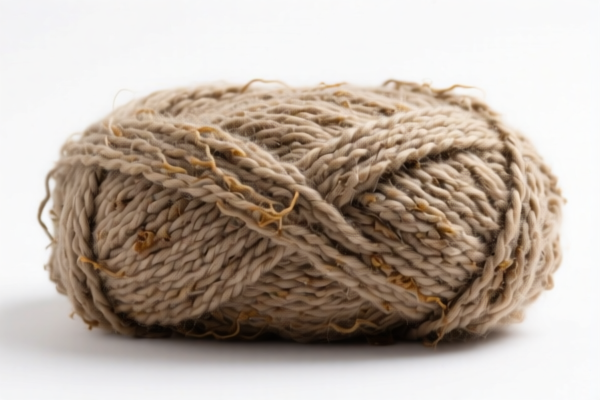
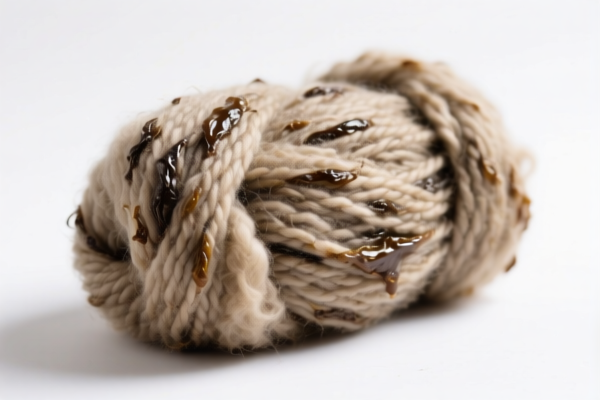
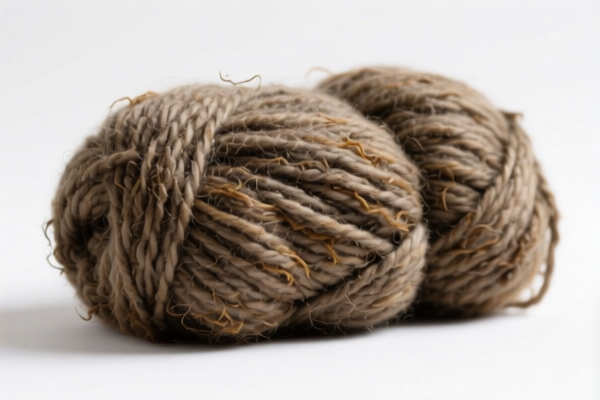
AI分析
🐑 Raw Wool (Unprocessed Wool for Special Uses)
🌐 HS Code Reference & Customs Clearance Guide | 2026 Latest Tariff Analysis | Professional Import Strategy
📌 One: Product Definition & Classification – What Exactly Is “Raw Wool”?
Raw wool refers to unprocessed, uncarded, and uncombed wool directly obtained from sheep, including greasy wool, fleece-washed wool, and shorn wool, before any cleaning, spinning, or mechanical treatment. It is often used as a raw material in textile manufacturing, especially for high-performance or specialty applications.
In international trade, raw wool is categorized based on: - Fineness (measured in “s” count – e.g., 46s, 58s) - Processing status (greasy, washed, shorn) - Use case (general textile vs. special industrial or technical applications)
⚠️ Critical Distinction: - If wool is not finer than 46s and used for special purposes → HS Code 5101.11.10.00 - If wool is not finer than 58s → HS Code 5101.11.60.30 - If it's waste or noils (short fibers, remnants) → HS Code 5103.10.00.00 or 5103.20.00.00 - If from Kashmir (cashmere) goats and not processed beyond degreasing → HS Code 5102.11.10.00
📦 Two: HS Code Classification Details (2026 Official Tariff Reference)
| HS Code | Product Description | Key Features | Applicable Use Case |
|---|---|---|---|
5101.11.10.00 |
Wool, not carded or combed: Greasy, including fleece-washed wool: Shorn wool: Unimproved wool; other wool, not finer than 46s: Wool for special uses | Coarse, unimproved, raw wool; used in industrial or technical textiles | Military gear, insulation, specialty fabrics |
5101.11.60.30 |
Wool, not carded or combed: Greasy, including fleece-washed wool: Shorn wool: Other, not finer than 58s | Slightly finer than 46s but still coarse; not for fine garments | General textile raw material, industrial use |
5103.10.00.00 |
Waste of wool or fine animal hair: Noils of wool or fine animal hair | Short, broken fibers from processing; not usable in final fabric | Re-processing into lower-grade yarns or insulation |
5103.20.00.00 |
Waste of wool or fine animal hair: Other waste (excluding garnetted stock) | Includes yarn waste, trimmings, rejects | Recycled fiber production |
5102.19.60.60 |
Fine animal hair (not carded/combed): Other fine animal hair: Not processed beyond degreased/carbonized | Includes camel, alpaca, llama hair; raw state | Specialty textiles, luxury materials |
5102.11.10.00 |
Fine animal hair: Of Kashmir (cashmere) goats: Not processed beyond degreased/carbonized | Pure, unprocessed cashmere fiber | High-end garments, luxury fabrics |
🔍 Key Insight:
- "Not finer than 46s" means the wool is coarse (less than 46 threads per inch) – this is critical for correct classification. - "Wool for special uses" includes non-apparel applications like filtration, insulation, or technical textiles. - "Noils" and "waste" are treated as secondary materials and attract zero tariffs, but must be declared correctly.
💰 Three: 2026 Latest Tariff Breakdown (With附加 Taxes & Policy Clauses)
✅ Applicable Country: United States (US)
✅ Origin: China (CN), India (IN), Australia (AU), etc.
✅ Effective Date: January 1, 2025 (Updated per USITC & IEEPA rules)
🎯 1. 5101.11.10.00 — Wool for Special Uses (Not Finer than 46s)
| Item | Detail |
|---|---|
| Base Duty Rate | 0.0% (ad valorem) |
| Additional Tariff (USITC 301) | +25.0% |
| IEEPA Emergency Tariff | +0.0% (no additional IEEPA on this item) |
| Total Effective Duty | 25.0% |
| Tax Calculation | CIF Value × 25.0% |
| De Minimis Exemption | ❌ Not applicable (denied under US law) |
| Legal Basis Path | USITC:5101.11.10.00 → FOOTNOTE:9903.88.01 → 301 TARIFFS |
📌 Explanation:
- This code is subject to the US 301 Tariff List (Section 301), which imposes a 25% additional tariff on Chinese-origin raw wool. - The base rate is 0%, but the 25% add-on makes it highly costly. - No de minimis exemption applies → even small shipments face full tariff.
🎯 2. 5101.11.60.30 — Other Wool, Not Finer than 58s
| Item | Detail |
|---|---|
| Base Duty Rate | 0.0% |
| Additional Tariff (USITC 301) | +0.0% (not on 301 list) |
| IEEPA Emergency Tariff | +0.0% |
| Total Effective Duty | 0.0% |
| Tax Calculation | CIF Value × 0.0% |
| De Minimis Exemption | ✅ Yes (if value < $800) |
| Legal Basis Path | USITC:5101.11.60.30 → FOOTNOTE:9903.88.01 → No 301 Tariff |
📌 Note:
- This code is not covered under the 301 tariff list. - Zero additional duty applies → ideal for cost-sensitive buyers. - Can qualify for de minimis exemption (under $800), making small shipments duty-free.
🎯 3. 5103.10.00.00 — Noils of Wool or Fine Animal Hair
| Item | Detail |
|---|---|
| Base Duty Rate | 0.0% |
| Additional Tariff (USITC 301) | +0.0% |
| IEEPA Emergency Tariff | +0.0% |
| Total Effective Duty | 0.0% |
| Tax Calculation | CIF Value × 0.0% |
| De Minimis Exemption | ✅ Yes |
| Legal Basis Path | USITC:5103.10.00.00 → FOOTNOTE:9903.88.01 → No 301 or IEEPA |
📌 Key Point:
- Noils are considered recyclable waste and are exempt from all additional tariffs. - Ideal for circular economy or low-cost recycling operations.
🎯 4. 5103.20.00.00 — Other Waste of Wool or Fine Animal Hair
| Item | Detail |
|---|---|
| Base Duty Rate | 0.0% |
| Additional Tariff (USITC 301) | +0.0% |
| IEEPA Emergency Tariff | +0.0% |
| Total Effective Duty | 0.0% |
| Tax Calculation | CIF Value × 0.0% |
| De Minimis Exemption | ✅ Yes |
| Legal Basis Path | USITC:5103.20.00.00 → FOOTNOTE:9903.88.01 → No 301 or IEEPA |
📌 Note:
- Includes yarn waste, cutting scraps, factory rejects. - Zero duty – perfect for textile recycling or downstream processing.
🎯 5. 5102.19.60.60 — Other Fine Animal Hair (Not Processed Beyond Degreased)
| Item | Detail |
|---|---|
| Base Duty Rate | 0.0% |
| Additional Tariff (USITC 301) | +0.0% |
| IEEPA Emergency Tariff | +0.0% |
| Total Effective Duty | 0.0% |
| Tax Calculation | CIF Value × 0.0% |
| De Minimis Exemption | ✅ Yes |
| Legal Basis Path | USITC:5102.19.60.60 → FOOTNOTE:9903.88.01 → No 301 or IEEPA |
📌 Insight:
- Applies to camel, alpaca, llama hair in raw form. - No additional tariffs – favorable for luxury fiber importers.
🎯 6. 5102.11.10.00 — Cashmere Goat Hair (Not Processed Beyond Degreased)
| Item | Detail |
|---|---|
| Base Duty Rate | 0.0% |
| Additional Tariff (USITC 301) | +0.0% |
| IEEPA Emergency Tariff | +0.0% |
| Total Effective Duty | 0.0% |
| Tax Calculation | CIF Value × 0.0% |
| De Minimis Exemption | ✅ Yes |
| Legal Basis Path | USITC:5102.11.10.00 → FOOTNOTE:9903.88.01 → No 301 or IEEPA |
📌 Golden Rule:
- Cashmere in raw, degreased form is duty-free in the US. - A major advantage for luxury textile suppliers from Mongolia, China, or India.
🛠️ Four: Customs Clearance Best Practices (Real-World Tips)
✅ 1. Required Documentation (Must-Have Checklist)
| Document | Required? | Notes |
|---|---|---|
| ✅ Commercial Invoice | ✔️ | Must specify HS Code, origin, weight, description |
| ✅ Packing List | ✔️ | Clearly mark type of wool (e.g., "shorn wool", "noils") |
| ✅ Bill of Lading / Air Waybill | ✔️ | For tracking and customs release |
| ✅ Certificate of Origin (CO) | ✔️ | If claiming preferential tariff (e.g., from India, Australia) |
| ✅ Product Specifications | ✔️ | Include fiber fineness (s-count), moisture content, grease level |
| ✅ Lab Test Report | ✔️ | For cashmere or fine hair – verify purity and fiber length |
| ✅ Declaration of Use | ✔️ | State whether for special uses (e.g., insulation, filtration) |
✅ 2.申报技巧(申报口诀)
🔥 "Fineness matters, use defines code, waste is free, cashmere is king!"
| Scenario | Correct HS Code | Common Mistake |
|---|---|---|
| Raw wool, coarse, used in insulation | 5101.11.10.00 |
Misclassified as 5101.11.60.30 → lower tariff but wrong |
| Wool not finer than 58s | 5101.11.60.30 |
Mistaken for 5101.11.10.00 → higher tariff |
| Noils or waste fibers | 5103.10.00.00 |
Reported as "raw wool" → 25% tariff |
| Cashmere, degreased | 5102.11.10.00 |
Reported as "processed cashmere" → wrong classification |
| Alpaca or camel hair | 5102.19.60.60 |
Misclassified as "wool" → higher tariff |
✅ 3. Special Handling Cases
| Situation | Recommended Action |
|---|---|
| Mixed wool types in one shipment | Split by HS Code – declare separately to avoid misclassification |
| Cashmere from Mongolia | Use CO from Mongolia – may qualify for zero duty under USMCA or bilateral trade |
| Small sample shipment (<$800) | Use de minimis exemption – no duty if HS Code allows |
| Wool for military or industrial use | Provide end-use certificate – may qualify for special tariff treatment |
🌍 Five: Global Customs Comparison (2026)
| Country | Recommended HS Code | Tariff | Certification | Notes |
|---|---|---|---|---|
| 🇺🇸 USA | 5101.11.10.00 |
25.0% (China) | None (if < $800) | High tariff on coarse wool |
| 🇨🇳 China | 5101.11.10.00 |
0% | CCC (if applicable) | No 301 tariffs |
| 🇪🇺 EU | 5101.11.10.00 |
0% (if from non-China) | CE | No 301 or IEEPA |
| 🇦🇺 Australia | 5101.11.10.00 |
0% | None | Preferential trade |
| 🇮🇳 India | 5101.11.10.00 |
0% | CO | Zero duty, great for sourcing |
📌 Conclusion:
- USA is the only market imposing 25% tariff on coarse raw wool from China. - Waste, noils, and cashmere are duty-free in most markets. - Origin matters – sourcing from India, Australia, or Mongolia can avoid 301 tariffs.
📌 Six: Common Mistakes & Risk Warnings (Avoid These!)
❌ Mistake 1: Reporting cashmere as "wool" → wrong HS Code → 25% tariff
👉 Fix: Use 5102.11.10.00 for degreased cashmere.
❌ Mistake 2: Declaring noils as "raw wool" → 25% tariff on 5101.11.10.00
👉 Fix: Use 5103.10.00.00 → 0% duty.
❌ Mistake 3: Not specifying fineness (46s vs 58s) → incorrect classification
👉 Fix: Include fiber count in invoice and specs.
❌ Mistake 4: Mixing coarse wool and fine hair in one shipment → all subject to highest tariff
👉 Fix: Split declarations by HS Code.
✅ Correct Declaration Example:
"Raw Wool, Shorn, Not Finer than 46s, for Special Uses – HS Code 5101.11.10.00, Origin: India, 500 kg, CIF $12,000"
🎯 Seven: Final Verdict – Smart Sourcing, Smart Tariffs
🎯 Remember the Golden Rules:
🔹 "Fineness determines code, use defines tariff, waste is free, cashmere is king!"
🔹 "One wrong code = 25% extra cost!"
📌 Pro Tip:
✅ Source from India, Australia, or Mongolia to avoid 301 tariffs on Chinese wool.
✅ Use de minimis exemption for small shipments (<$800).
✅ Apply for Advance Ruling (Pre-Approval) on complex or high-value wool shipments.
📣 Take Action Now:
📞 Contact a licensed customs broker + provide fiber specs + origin proof
🚀 Get HS Code pre-ruling to avoid delays, fines, or seizures
✨ Precision Classification = Profit Protection!
💼 Your wool shipment’s success starts with the right HS Code!
用户评价
关于 HS 编码归类
协调制度(HS)是由世界海关组织(WCO)制定的国际贸易商品分类标准。全球 200 多个国家采用 HS 系统作为海关关税、贸易统计和进出口监管的基础。
每个 HS 编码遵循以下层级结构:
- 章(2 位)——商品大类(例如:第 84 章:机器和机械设备)
- 品目(4 位)——章内的更具体分类
- 子目(6 位)——国际通用细分,所有 WCO 成员国统一使用
- 本国细分(8-10 位)——各国自行扩展的细分编码,如美国 HTSUS 10 位编码
正确的 HS 编码归类对于顺利通关、准确缴纳关税和遵守贸易法规至关重要。错误归类可能导致海关延误、多缴关税或罚款。
从CN进口到US时,适用的关税税率可能包括:
- 最惠国(MFN)税率——适用于 WTO 成员国的标准关税税率
- 普通税率——适用于无贸易协定国家
- 贸易救济关税——附加关税,如 301 条款(反倾销)、232 条款(国家安全)或反补贴税
本页内容仅供参考。如需正式归类,请咨询当地海关或持牌报关代理。