Raw Wool
CN → US| HS Code | Tariff Rate | Origin | Destination | Doc |
|---|---|---|---|---|
| 5103200000 | 0.0% | CN | US | Official Doc |
| 5103100000 | 0.0% | CN | US | Official Doc |
| 5101111000 | 35.0% | CN | US | Official Doc |
| 5101116030 | 0.0% | CN | US | Official Doc |
| 5102196060 | 35.4% | CN | US | Official Doc |
| 5102111000 | 0.0% | CN | US | Official Doc |
Product Images
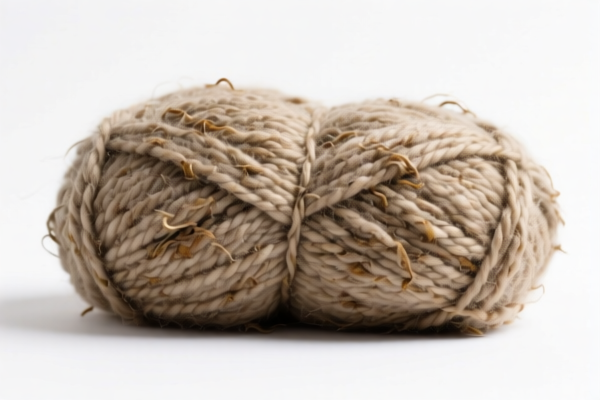
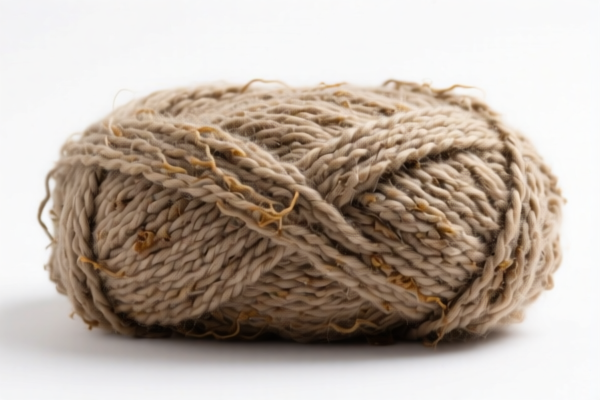
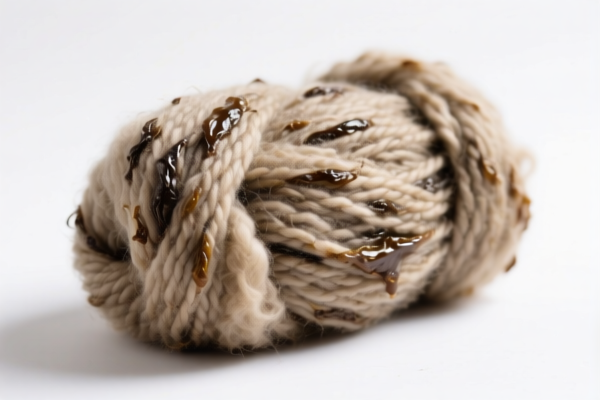
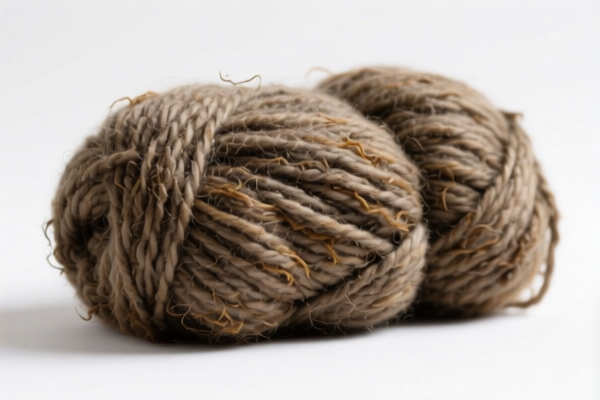
AI Analysis
🐑 Raw Wool (Unprocessed Wool for Special Uses)
🌐 HS Code Reference & Customs Clearance Guide | 2026 Latest Tariff Analysis | Professional Import Strategy
📌 One: Product Definition & Classification – What Exactly Is “Raw Wool”?
Raw wool refers to unprocessed, uncarded, and uncombed wool directly obtained from sheep, including greasy wool, fleece-washed wool, and shorn wool, before any cleaning, spinning, or mechanical treatment. It is often used as a raw material in textile manufacturing, especially for high-performance or specialty applications.
In international trade, raw wool is categorized based on: - Fineness (measured in “s” count – e.g., 46s, 58s) - Processing status (greasy, washed, shorn) - Use case (general textile vs. special industrial or technical applications)
⚠️ Critical Distinction: - If wool is not finer than 46s and used for special purposes → HS Code 5101.11.10.00 - If wool is not finer than 58s → HS Code 5101.11.60.30 - If it's waste or noils (short fibers, remnants) → HS Code 5103.10.00.00 or 5103.20.00.00 - If from Kashmir (cashmere) goats and not processed beyond degreasing → HS Code 5102.11.10.00
📦 Two: HS Code Classification Details (2026 Official Tariff Reference)
| HS Code | Product Description | Key Features | Applicable Use Case |
|---|---|---|---|
5101.11.10.00 |
Wool, not carded or combed: Greasy, including fleece-washed wool: Shorn wool: Unimproved wool; other wool, not finer than 46s: Wool for special uses | Coarse, unimproved, raw wool; used in industrial or technical textiles | Military gear, insulation, specialty fabrics |
5101.11.60.30 |
Wool, not carded or combed: Greasy, including fleece-washed wool: Shorn wool: Other, not finer than 58s | Slightly finer than 46s but still coarse; not for fine garments | General textile raw material, industrial use |
5103.10.00.00 |
Waste of wool or fine animal hair: Noils of wool or fine animal hair | Short, broken fibers from processing; not usable in final fabric | Re-processing into lower-grade yarns or insulation |
5103.20.00.00 |
Waste of wool or fine animal hair: Other waste (excluding garnetted stock) | Includes yarn waste, trimmings, rejects | Recycled fiber production |
5102.19.60.60 |
Fine animal hair (not carded/combed): Other fine animal hair: Not processed beyond degreased/carbonized | Includes camel, alpaca, llama hair; raw state | Specialty textiles, luxury materials |
5102.11.10.00 |
Fine animal hair: Of Kashmir (cashmere) goats: Not processed beyond degreased/carbonized | Pure, unprocessed cashmere fiber | High-end garments, luxury fabrics |
🔍 Key Insight:
- "Not finer than 46s" means the wool is coarse (less than 46 threads per inch) – this is critical for correct classification. - "Wool for special uses" includes non-apparel applications like filtration, insulation, or technical textiles. - "Noils" and "waste" are treated as secondary materials and attract zero tariffs, but must be declared correctly.
💰 Three: 2026 Latest Tariff Breakdown (With附加 Taxes & Policy Clauses)
✅ Applicable Country: United States (US)
✅ Origin: China (CN), India (IN), Australia (AU), etc.
✅ Effective Date: January 1, 2025 (Updated per USITC & IEEPA rules)
🎯 1. 5101.11.10.00 — Wool for Special Uses (Not Finer than 46s)
| Item | Detail |
|---|---|
| Base Duty Rate | 0.0% (ad valorem) |
| Additional Tariff (USITC 301) | +25.0% |
| IEEPA Emergency Tariff | +0.0% (no additional IEEPA on this item) |
| Total Effective Duty | 25.0% |
| Tax Calculation | CIF Value × 25.0% |
| De Minimis Exemption | ❌ Not applicable (denied under US law) |
| Legal Basis Path | USITC:5101.11.10.00 → FOOTNOTE:9903.88.01 → 301 TARIFFS |
📌 Explanation:
- This code is subject to the US 301 Tariff List (Section 301), which imposes a 25% additional tariff on Chinese-origin raw wool. - The base rate is 0%, but the 25% add-on makes it highly costly. - No de minimis exemption applies → even small shipments face full tariff.
🎯 2. 5101.11.60.30 — Other Wool, Not Finer than 58s
| Item | Detail |
|---|---|
| Base Duty Rate | 0.0% |
| Additional Tariff (USITC 301) | +0.0% (not on 301 list) |
| IEEPA Emergency Tariff | +0.0% |
| Total Effective Duty | 0.0% |
| Tax Calculation | CIF Value × 0.0% |
| De Minimis Exemption | ✅ Yes (if value < $800) |
| Legal Basis Path | USITC:5101.11.60.30 → FOOTNOTE:9903.88.01 → No 301 Tariff |
📌 Note:
- This code is not covered under the 301 tariff list. - Zero additional duty applies → ideal for cost-sensitive buyers. - Can qualify for de minimis exemption (under $800), making small shipments duty-free.
🎯 3. 5103.10.00.00 — Noils of Wool or Fine Animal Hair
| Item | Detail |
|---|---|
| Base Duty Rate | 0.0% |
| Additional Tariff (USITC 301) | +0.0% |
| IEEPA Emergency Tariff | +0.0% |
| Total Effective Duty | 0.0% |
| Tax Calculation | CIF Value × 0.0% |
| De Minimis Exemption | ✅ Yes |
| Legal Basis Path | USITC:5103.10.00.00 → FOOTNOTE:9903.88.01 → No 301 or IEEPA |
📌 Key Point:
- Noils are considered recyclable waste and are exempt from all additional tariffs. - Ideal for circular economy or low-cost recycling operations.
🎯 4. 5103.20.00.00 — Other Waste of Wool or Fine Animal Hair
| Item | Detail |
|---|---|
| Base Duty Rate | 0.0% |
| Additional Tariff (USITC 301) | +0.0% |
| IEEPA Emergency Tariff | +0.0% |
| Total Effective Duty | 0.0% |
| Tax Calculation | CIF Value × 0.0% |
| De Minimis Exemption | ✅ Yes |
| Legal Basis Path | USITC:5103.20.00.00 → FOOTNOTE:9903.88.01 → No 301 or IEEPA |
📌 Note:
- Includes yarn waste, cutting scraps, factory rejects. - Zero duty – perfect for textile recycling or downstream processing.
🎯 5. 5102.19.60.60 — Other Fine Animal Hair (Not Processed Beyond Degreased)
| Item | Detail |
|---|---|
| Base Duty Rate | 0.0% |
| Additional Tariff (USITC 301) | +0.0% |
| IEEPA Emergency Tariff | +0.0% |
| Total Effective Duty | 0.0% |
| Tax Calculation | CIF Value × 0.0% |
| De Minimis Exemption | ✅ Yes |
| Legal Basis Path | USITC:5102.19.60.60 → FOOTNOTE:9903.88.01 → No 301 or IEEPA |
📌 Insight:
- Applies to camel, alpaca, llama hair in raw form. - No additional tariffs – favorable for luxury fiber importers.
🎯 6. 5102.11.10.00 — Cashmere Goat Hair (Not Processed Beyond Degreased)
| Item | Detail |
|---|---|
| Base Duty Rate | 0.0% |
| Additional Tariff (USITC 301) | +0.0% |
| IEEPA Emergency Tariff | +0.0% |
| Total Effective Duty | 0.0% |
| Tax Calculation | CIF Value × 0.0% |
| De Minimis Exemption | ✅ Yes |
| Legal Basis Path | USITC:5102.11.10.00 → FOOTNOTE:9903.88.01 → No 301 or IEEPA |
📌 Golden Rule:
- Cashmere in raw, degreased form is duty-free in the US. - A major advantage for luxury textile suppliers from Mongolia, China, or India.
🛠️ Four: Customs Clearance Best Practices (Real-World Tips)
✅ 1. Required Documentation (Must-Have Checklist)
| Document | Required? | Notes |
|---|---|---|
| ✅ Commercial Invoice | ✔️ | Must specify HS Code, origin, weight, description |
| ✅ Packing List | ✔️ | Clearly mark type of wool (e.g., "shorn wool", "noils") |
| ✅ Bill of Lading / Air Waybill | ✔️ | For tracking and customs release |
| ✅ Certificate of Origin (CO) | ✔️ | If claiming preferential tariff (e.g., from India, Australia) |
| ✅ Product Specifications | ✔️ | Include fiber fineness (s-count), moisture content, grease level |
| ✅ Lab Test Report | ✔️ | For cashmere or fine hair – verify purity and fiber length |
| ✅ Declaration of Use | ✔️ | State whether for special uses (e.g., insulation, filtration) |
✅ 2.申报技巧(申报口诀)
🔥 "Fineness matters, use defines code, waste is free, cashmere is king!"
| Scenario | Correct HS Code | Common Mistake |
|---|---|---|
| Raw wool, coarse, used in insulation | 5101.11.10.00 |
Misclassified as 5101.11.60.30 → lower tariff but wrong |
| Wool not finer than 58s | 5101.11.60.30 |
Mistaken for 5101.11.10.00 → higher tariff |
| Noils or waste fibers | 5103.10.00.00 |
Reported as "raw wool" → 25% tariff |
| Cashmere, degreased | 5102.11.10.00 |
Reported as "processed cashmere" → wrong classification |
| Alpaca or camel hair | 5102.19.60.60 |
Misclassified as "wool" → higher tariff |
✅ 3. Special Handling Cases
| Situation | Recommended Action |
|---|---|
| Mixed wool types in one shipment | Split by HS Code – declare separately to avoid misclassification |
| Cashmere from Mongolia | Use CO from Mongolia – may qualify for zero duty under USMCA or bilateral trade |
| Small sample shipment (<$800) | Use de minimis exemption – no duty if HS Code allows |
| Wool for military or industrial use | Provide end-use certificate – may qualify for special tariff treatment |
🌍 Five: Global Customs Comparison (2026)
| Country | Recommended HS Code | Tariff | Certification | Notes |
|---|---|---|---|---|
| 🇺🇸 USA | 5101.11.10.00 |
25.0% (China) | None (if < $800) | High tariff on coarse wool |
| 🇨🇳 China | 5101.11.10.00 |
0% | CCC (if applicable) | No 301 tariffs |
| 🇪🇺 EU | 5101.11.10.00 |
0% (if from non-China) | CE | No 301 or IEEPA |
| 🇦🇺 Australia | 5101.11.10.00 |
0% | None | Preferential trade |
| 🇮🇳 India | 5101.11.10.00 |
0% | CO | Zero duty, great for sourcing |
📌 Conclusion:
- USA is the only market imposing 25% tariff on coarse raw wool from China. - Waste, noils, and cashmere are duty-free in most markets. - Origin matters – sourcing from India, Australia, or Mongolia can avoid 301 tariffs.
📌 Six: Common Mistakes & Risk Warnings (Avoid These!)
❌ Mistake 1: Reporting cashmere as "wool" → wrong HS Code → 25% tariff
👉 Fix: Use 5102.11.10.00 for degreased cashmere.
❌ Mistake 2: Declaring noils as "raw wool" → 25% tariff on 5101.11.10.00
👉 Fix: Use 5103.10.00.00 → 0% duty.
❌ Mistake 3: Not specifying fineness (46s vs 58s) → incorrect classification
👉 Fix: Include fiber count in invoice and specs.
❌ Mistake 4: Mixing coarse wool and fine hair in one shipment → all subject to highest tariff
👉 Fix: Split declarations by HS Code.
✅ Correct Declaration Example:
"Raw Wool, Shorn, Not Finer than 46s, for Special Uses – HS Code 5101.11.10.00, Origin: India, 500 kg, CIF $12,000"
🎯 Seven: Final Verdict – Smart Sourcing, Smart Tariffs
🎯 Remember the Golden Rules:
🔹 "Fineness determines code, use defines tariff, waste is free, cashmere is king!"
🔹 "One wrong code = 25% extra cost!"
📌 Pro Tip:
✅ Source from India, Australia, or Mongolia to avoid 301 tariffs on Chinese wool.
✅ Use de minimis exemption for small shipments (<$800).
✅ Apply for Advance Ruling (Pre-Approval) on complex or high-value wool shipments.
📣 Take Action Now:
📞 Contact a licensed customs broker + provide fiber specs + origin proof
🚀 Get HS Code pre-ruling to avoid delays, fines, or seizures
✨ Precision Classification = Profit Protection!
💼 Your wool shipment’s success starts with the right HS Code!
Customer Reviews
About HS Code Classification
The Harmonized System (HS) is an internationally standardized nomenclature developed by the World Customs Organization (WCO) to classify traded products. Over 200 countries use the HS system as the basis for customs tariffs, trade statistics, and import/export regulations.
Each HS code follows a hierarchical structure:
- Chapter (2 digits) — Broad category of goods (e.g., Chapter 84: Machinery and Mechanical Appliances)
- Heading (4 digits) — More specific grouping within the chapter
- Subheading (6 digits) — Internationally standardized breakdown, used by all WCO member countries
- National subdivisions (8-10 digits) — Country-specific extensions for further classification, such as US HTSUS 10-digit codes
Correct HS code classification is essential for smooth customs clearance, accurate duty payment, and compliance with trade regulations. Misclassification can lead to customs delays, overpayment of duties, or penalties.
When importing from CN to US, the applicable tariff rates may include:
- Most-Favored-Nation (MFN) rate — The standard duty rate applied to WTO members
- General rate — Applied to countries without trade agreements
- Trade remedy duties — Additional tariffs such as Section 301 (anti-dumping), Section 232 (national security), or countervailing duties
The information provided on this page is for reference purposes only. For official classification, please consult with your local customs authority or a licensed customs broker.