Rayon Blended Poplin
CN → US| HS编码 | 关税税率 | 原产国 | 目的国 | 文档 |
|---|---|---|---|---|
| 5210516020 | 47.2% | CN | US | 官方文档 |
| 5210514020 | 45.0% | CN | US | 官方文档 |
| 5516920010 | 47.0% | CN | US | 官方文档 |
| 5516910010 | 47.0% | CN | US | 官方文档 |
| 5408312010 | 49.9% | CN | US | 官方文档 |
商品图片
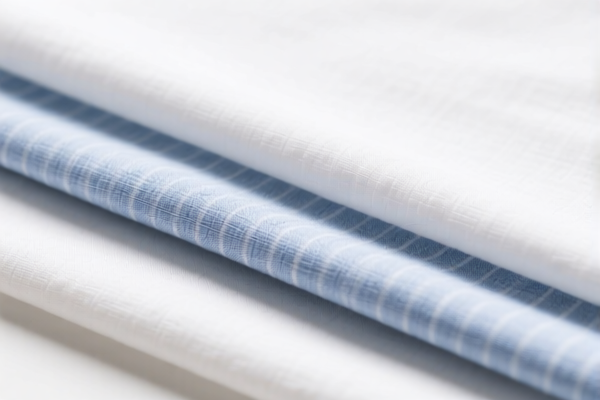
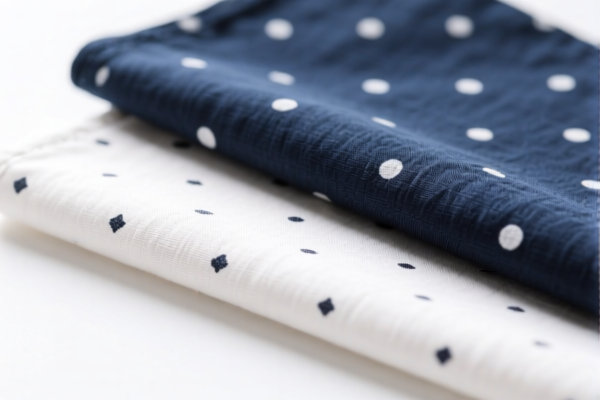
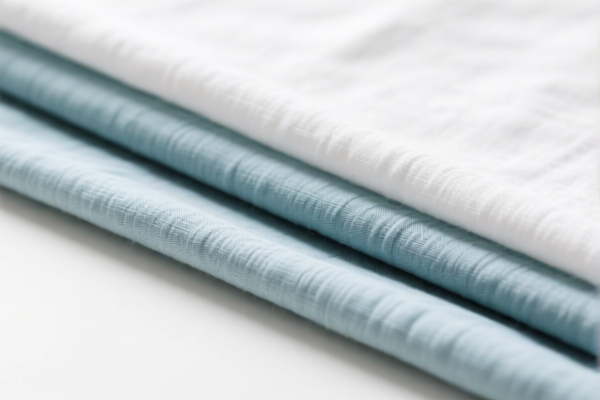
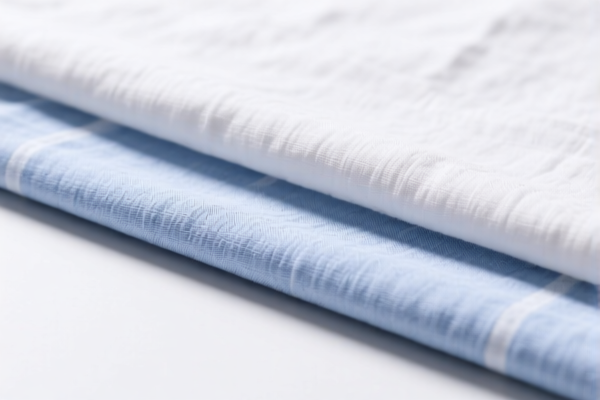
AI分析
👕 Rayon Blended Poplin (粘胶混纺府绸/平纹布)
🌐 HS Code Reference & Customs Clearance Guide | 2026 Latest Tariff Analysis | Professional Clearance Strategy
📌 I. Product Definition & Classification: Do You Really Know "Rayon Blended Poplin"?
Rayon Blended Poplin is a versatile woven fabric widely used in apparel, home textiles, and industrial applications. In international trade, it is primarily classified under Chapter 52 (Cotton) or Chapter 55 (Man-made Staple Fibers) depending on the specific fiber composition and weaving structure. The term "Poplin" generally refers to a plain weave fabric with fine crosswise ribs, but legally, customs classification depends strictly on:
- Primary Fiber Content: Is it blended with Cotton (Ch. 52) or other synthetic/staple fibers (Ch. 54/55)?
- Weave Structure: Is it classified strictly as "Poplin" (often grouped with broadwoven fabrics) or "Plain Weave" (平纹)?
- Processing State: Is it grey (unbleached/unfinished), bleached, dyed, or printed?
⚠️ Key Distinction Point:
- If the fabric contains Cotton mixed with Viscose/Rayon → Look at Heading 5210.
- If the fabric is primarily Man-made Staple Fibers (like Viscose staple) mixed with synthetics or other fibers → Look at Heading 5516 or 5514.
- If the fabric is mixed with Continuous Filament Synthetics (like Polyester filament) → Look at Heading 5408.
📦 II. HS Code Classification Details (2026 Latest Tariff Authority Comparison)
Based on the provided data, here are the four specific HS Codes for Rayon Blended Poplin/Woven Fabrics, categorized by fiber composition and material type.
| HS Code | Product Description & Summary | Key Classification Feature |
|---|---|---|
| 5210.51.60.20 | Rayon-Cotton Woven Poplin: Viscose blended with Cotton, plain weave/poplin structure. | Cotton Blend: Primary classification is Cotton (Ch. 52). Specifically matches "Cotton woven fabric of poplin weave." |
| 5210.51.40.20 | Rayon-Cotton Woven Poplin: Material is Viscose fiber blended with Cotton, form is Poplin. | Cotton Blend: Focuses on the "Poplin" form within the Cotton-Viscose blend category. |
| 5516.92.00.10 | Rayon Woven Poplin (Dyed): Dyed man-made staple fiber fabric of poplin weave. | Staple Fiber Blend: Primary material is Man-made Staple Fiber (Viscose), likely blended with other synthetics, and Dyed. |
| 5516.91.00.10 | Rayon Woven Poplin (Plain/Poplin): Material is Man-made Staple Fiber, form is Plain Weave/Poplin. | Staple Fiber Blend: Primary material is Man-made Staple Fiber, form is Plain Weave (often includes Poplin). |
| 5408.31.20.10 | Rayon Blended Grey Fabric: Fits the category of fabrics mainly or wholly mixed with Synthetic Continuous Filaments. | Filament Blend: This is a specific case where Rayon is mixed with Synthetic Filaments (e.g., Polyester Filament), classified as "Grey" (unfinished) or specific filament blends. |
🔍 Key Reminder:
- Ch. 52 vs. Ch. 55/54: If Cotton is present, it usually falls under Ch. 52. If it's purely Rayon (Viscose) mixed with other man-made fibers (not cotton), it falls under Ch. 55 (Staple) or Ch. 54 (Filament).
- "Poplin" vs. "Plain Weave": In many tariff schedules, Poplin is a type of Plain Weave. However, some specific subheadings distinguish "Poplin" (5210.51) from general "Plain Weave" (5210.49). Always check the specific textile definition.
- State of Processing: Codes like5516.9...often imply "Other" dyed/printed varieties, while5408.3...might refer to specific grey or unfinished states depending on national subheadings.
💰 III. 2026 Latest Tariff Rate Details (Including Surcharges & Policy Add-ons)
✅ Applicable Country: United States (US)
✅ Origin: China (CN)
✅ Effective Time: Current rates include Section 301, Section 122, and Base Tariffs.
🎯 1. Cotton-Based Blends: 5210.51.60.20 & 5210.51.40.20
These codes fall under Cotton Woven Fabrics containing <85% by weight of cotton, weighing ≤200g/m², dyed/plain weave/poplin.
| Item | Content |
|---|---|
| Code | 5210.51.60.20 or 5210.51.40.20 |
| Base Tariff (MFN) | 10.0% - 12.2% (varies by exact subheading detail) |
| Section 301 Surcharge | +25.0% (Standard US-China trade war tariff) |
| Section 122 Surcharge | +10.0% (Specific policy add-on, likely related to certain textile/footwear categories or specific trade actions) |
| Total Tariff Rate | 45.0% - 47.2% |
| Tax Calculation | CIF Value × Total Rate |
| De Minimis Exemption | ❌ NOT Eligible (Section 301 and additional surcharges generally apply regardless of value) |
| Legal Basis | HTSUS 5210.51 → Section 301 Footnotes → Section 122 Regulations |
📌 Explanation for 5210.51.60.20 (47.2%):
- Base: 12.2%
- Sec 301: 25.0%
- Sec 122: 10.0%
- Total: 47.2%
This is the highest burden for cotton-blended poplin.📌 Explanation for 5210.51.40.20 (45.0%):
- Base: 10.0%
- Sec 301: 25.0%
- Sec 122: 10.0%
- Total: 45.0%
Slightly lower base tariff, but still heavily impacted.
🎯 2. Man-Made Staple Fiber Blends: 5516.92.00.10 & 5516.91.00.10
These codes fall under Woven Fabrics of Man-Made Staple Fibers, other.
| Item | Content |
|---|---|
| Code | 5516.92.00.10 or 5516.91.00.10 |
| Base Tariff (MFN) | 12.0% |
| Section 301 Surcharge | +25.0% |
| Section 122 Surcharge | +10.0% |
| Total Tariff Rate | 47.0% |
| Tax Calculation | CIF Value × 47% |
| De Minimis Exemption | ❌ NOT Eligible |
| Legal Basis | HTSUS 5516.9... → Section 301 Footnotes → Section 122 Regulations |
📌 Note:
- Both5516.91(Plain/Other) and5516.92(Dyed/Other) carry the same high tariff burden when originating from China.
- The key difference is the state of dyeing or specific fiber mix nuances, but the tax rate is identical at 47.0%.
🎯 3. Synthetic Filament Blend (Grey/Unfinished): 5408.31.20.10
This code is for Woven Fabrics of Synthetic Filaments, mainly mixed with Rayon/Viscose.
| Item | Content |
|---|---|
| Code | 5408.31.20.10 |
| Base Tariff (MFN) | 14.9% |
| Section 301 Surcharge | +25.0% |
| Section 122 Surcharge | +10.0% |
| Total Tariff Rate | 49.9% |
| Tax Calculation | CIF Value × 49.9% |
| De Minimis Exemption | ❌ NOT Eligible |
| Legal Basis | HTSUS 5408.31 → Section 301 Footnotes → Section 122 Regulations |
📌 Critical Warning:
- This is the HIGHEST tax rate among all listed options: 49.9%.
- This often applies to fabrics where Synthetic Filament (e.g., Polyester) is the primary structural element, even if Rayon is blended.
- Misclassification here can lead to significant overpayment or audit risks if the fabric is actually a staple fiber blend.
🛠️ IV. Customs Clearance Practical Advice (Battle-Tested Pitfall Avoidance)
✅ 1. Documentation Checklist (Non-Negotiable)
| Document | Must Provide | Description |
|---|---|---|
| ✅ Commercial Invoice | ✔️ | Must clearly state "Rayon Blended Poplin" or "Viscose Woven Fabric," including composition % (e.g., 60% Viscose, 40% Cotton). |
| ✅ Packing List | ✔️ | Detail weight, dimensions, and number of rolls. |
| ✅ Certificate of Origin (CO) | ✔️ | Critical for proving China origin (triggers surcharges) or claiming exemptions if shipped from a third country (though limited for China-origin goods). |
| ✅ Lab Test Report | ✔️ | Fiber Composition Analysis is mandatory. Customs will test to verify if it's Cotton-blended (Ch. 52) or Staple-blended (Ch. 55) or Filament-blended (Ch. 54). |
| ✅ Product Photos | ✔️ | Show weave structure, selvage, and any labels. Helps confirm "Poplin" vs. "Plain Weave." |
| ✅ Shipping Mark | ✔️ | Ensure marks match invoice exactly. |
✅ 2. Declaration Strategy (Key Mantras)
🔥 “Fiber Content Determines Chapter, Weave Structure Determines Subheading, Origin Determines Surcharge!”
| Scenario | Correct Declaration | Error & Consequence |
|---|---|---|
| Cotton + Viscose Blend | Use 5210.51.xx.xx | Misdeclaring as 5516 → Potential penalty for misclassification + incorrect tax base. |
| Viscose + Polyester Filament | Use 5408.31.xx.xx | Misdeclaring as 5516 → Underpayment (49.9% vs 47%) → Audit & Back Taxes. |
| Grey vs. Dyed | Specify "Dyed" or "Grey" in description | Confusion between 5516.91 and 5516.92 → Delays for customs inspection. |
| Poplin vs. Plain Weave | Use 5210.51 (Poplin) if applicable | Misdeclaring as 5210.49 (Other) → Different tax rates possible, risk of audit. |
✅ 3. Special Handling for High-Tariff Items
| Situation | Advice |
|---|---|
| High Duty Cost (47-50%) | Consider Supply Chain Restructuring: Can the blending or weaving be done in a third country (e.g., Vietnam, Bangladesh) to change the "Country of Origin"? Note: Simple transshipment does not change origin; substantial transformation is required. |
| Section 122 & 301 | These are non-negotiable for China-origin goods. No GSP or general exemptions apply. Budget for these costs. |
| De Minimis (Section 321) | Do not attempt to use the $800 de minimis exemption for these HS codes if the total value exceeds limits or if the carrier refuses. Section 301 goods are heavily scrutinized at this level. |
🌍 V. Global Market Comparison (2026 Snapshot)
| Market | Recommended HS Code | Base Tariff | Additional Surcharges (China Origin) | Total Effective Rate |
|---|---|---|---|---|
| 🇺🇸 USA | 5210.51... / 5516.9... / 5408.3... |
10-15% | +25% (Sec 301) +10% (Sec 122) | 45% - 49.9% |
| 🇨🇳 China (Import) | Same HS Codes | 5-10% | None | 5-10% |
| 🇪🇺 EU | Same HS Codes | 6-12% | None (WTO Most-Favored-Nation) | 6-12% |
| 🇬🇧 UK | Same HS Codes | 6-12% | None | 6-12% |
| 🇨🇦 Canada | Same HS Codes | 5-12% | None (CUSMA benefits may apply if originating) | 0-12% |
📌 Conclusion:
- The US market is the most expensive due to the combination of MFN, Section 301, and Section 122 tariffs.
- Canada and EU offer significantly lower barriers for these textiles.
- If exporting to the US, accurate fiber analysis is the single most critical step to avoid misclassification penalties.
📌 VI. Common Errors & Pitfall Guide (Lessons Learned)
❌ Mistake 1: Calling all "Rayon Fabrics" the same HS Code.
👉 Result: Rayon blended with Cotton (Ch. 52) is taxed differently than Rayon blended with Polyester Filament (Ch. 54). Misclassification leads to audit.
❌ Mistake 2: Ignoring the "Section 122" Surcharge.
👉 Result: Budgeting only for 35% (10% base + 25% Sec 301) misses the extra 10%, leading to budget shortfalls. Total is ~45-50%.
❌ Mistake 3: Declaring "Poplin" without specifying Fiber Content.
👉 Result: Customs cannot determine Chapter 52 vs. 55 vs. 54. Shipment held for inspection → Delay + Storage Fees.
❌ Mistake 4: Assuming "Grey Fabric" gets a lower tax.
👉 Result: While base tariffs might sometimes differ, the Section 301 and 122 surcharges are applied on top, making the total rate equally punitive for all processing stages.
✅ Correct Practice:
"Viscose-Cotton Woven Poplin, Dyed, 60% Viscose/40% Cotton, 200g/m², HS 5210.51.40.20"
🎯 VII. Conclusion: Professional Declaration Saves Money!
🎯 Remember the Mantra:
🔹 "Cotton Blend = Ch 52, Staple Blend = Ch 55, Filament = Ch 54."
🔹 "US Tariff = Base + 25% + 10%. Total ~47-50%."
🔹 "Lab Test is Mandatory. No Lab Test, No Clearance."
📌 Pro Tip:
If your supplier is in China, negotiate DDP (Delivered Duty Paid) terms with a forwarder who specializes in high-tariff textiles to manage the 45-50% tax burden efficiently. For non-US markets, these fabrics are highly competitive due to lower tariff barriers.
✨ Professional Customs Clearance Starts with Accurate Classification!
💼 Your Profit Margin Depends on Every Percentage Point of Tariff!
用户评价
关于 HS 编码归类
协调制度(HS)是由世界海关组织(WCO)制定的国际贸易商品分类标准。全球 200 多个国家采用 HS 系统作为海关关税、贸易统计和进出口监管的基础。
每个 HS 编码遵循以下层级结构:
- 章(2 位)——商品大类(例如:第 84 章:机器和机械设备)
- 品目(4 位)——章内的更具体分类
- 子目(6 位)——国际通用细分,所有 WCO 成员国统一使用
- 本国细分(8-10 位)——各国自行扩展的细分编码,如美国 HTSUS 10 位编码
正确的 HS 编码归类对于顺利通关、准确缴纳关税和遵守贸易法规至关重要。错误归类可能导致海关延误、多缴关税或罚款。
从CN进口到US时,适用的关税税率可能包括:
- 最惠国(MFN)税率——适用于 WTO 成员国的标准关税税率
- 普通税率——适用于无贸易协定国家
- 贸易救济关税——附加关税,如 301 条款(反倾销)、232 条款(国家安全)或反补贴税
本页内容仅供参考。如需正式归类,请咨询当地海关或持牌报关代理。