Rearview Mirror
CN → US| HS编码 | 关税税率 | 原产国 | 目的国 | 文档 |
|---|---|---|---|---|
| 8708295160 | 0.0% | CN | US | 官方文档 |
| 8708295110 | 0.0% | CN | US | 官方文档 |
| 7009100000 | 38.9% | CN | US | 官方文档 |
| 7009915010 | 41.5% | CN | US | 官方文档 |
| 9013105000 | 22.8% | CN | US | 官方文档 |
商品图片
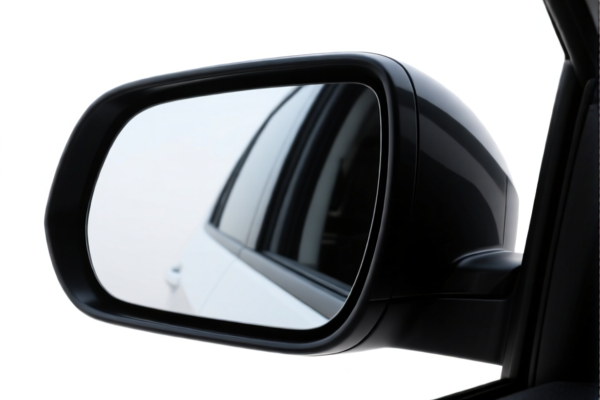
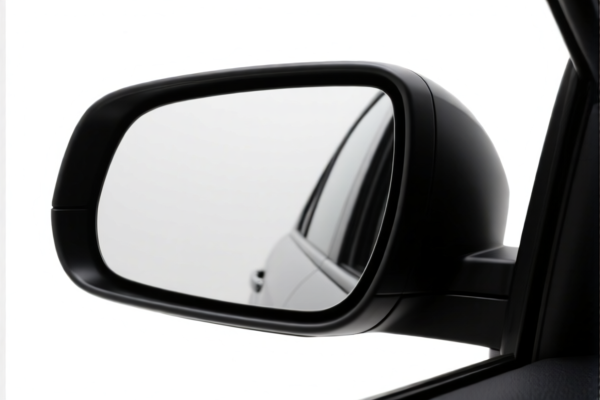
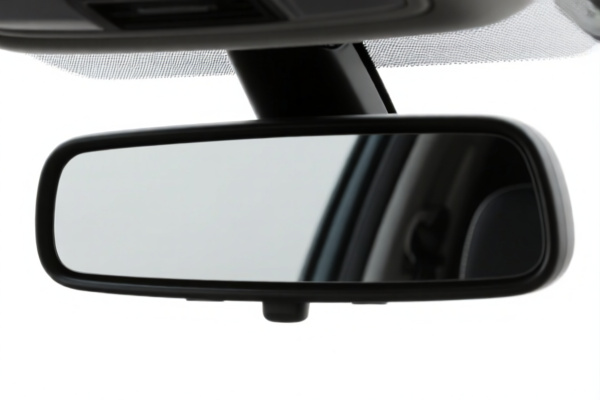

AI分析
🚗🪞 Rearview Mirrors (Auto Glass & Body Parts)
🌐 HS Code Reference & Customs Clearance Guide | 2026 Latest Tariff Analysis | Professional Clearance Strategy
📌 Part 1: Product Definition & Classification: Do You Really Know a "Rearview Mirror"?
A rearview mirror is a critical safety component in automotive systems. In international trade, its classification depends heavily on composition (glass vs. mechanical/body parts) and integration (standalone vs. part of the body assembly).
Two Main Categories:
1. Pure Glass Mirrors (7009.10): Purely optical glass products with/without silvering, often sold as spare parts for glass replacement.
2. Automotive Body Parts (8708.29): Complete assemblies including the housing, mounting mechanisms, metal/plastic brackets, and glass, classified as "Other Parts and Accessories of Motor Vehicles."
⚠️ Key Distinction Point:
- If it is a simple glass reflector without complex automotive mounting hardware → Likely 7009.10 (Higher Base Tariff, but lower Additional Tariffs in some contexts).
- If it is a complete automotive assembly (glass + housing + adjustment mechanism + brackets) → 8708.29 (Lower Base Tariff, but subject to Section 232 Aluminum/Steel tariffs if metal components are involved).
- If it is classified as Optical Instruments (9013.10) → Rare, but possible if viewed strictly as a "reflecting optical instrument" outside automotive context (Lowest Total Tax).
📦 Part 2: HS Code Classification Details (2026 Latest Tariff Authority Comparison)
| HS Code | Product Description | Application Scenario | Composition/Key Feature | Total Tax Rate |
|---|---|---|---|---|
7009.10.00.00 |
Glass Mirrors, Not Fitted, for Vehicles | Spare glass mirrors, pure optical glass parts | Pure Glass/Mirroring | 38.9% |
7009.91.50.10 |
Other Glass Mirrors (Non-Fitted) | Generic glass mirrors, non-vehicle specific or unclassified glass | Pure Glass | 41.5% |
8708.29.51.10 |
Auto Body Parts (Metal/Plastic) | Complete rearview mirrors with housing, brackets (Non-Aluminum/Steel) | Glass + Plastic/Metal (Non-Section 232) | 37.5% |
8708.29.51.60 |
Auto Body Parts (Aluminum/Steel) | Complete rearview mirrors with Metal/Aluminum housing or brackets | Glass + Aluminum/Steel | 87.5% |
9013.10.50.00 |
Optical Instruments (Reflectors) | Mirrors classified strictly as optical components/instruments | Optical Reflecting Device | 22.8% |
🔍 Critical Reminder:
-8708.29.51.60is the most dangerous pitfall: If the mirror housing or mounting bracket contains Aluminum or Steel, it triggers the Section 232 Tariff (50%), skyrocketing the total tax to 87.5%. -9013.10.50.00is the most aggressive optimization: If you can argue the product is an "Optical Instrument" rather than a "Vehicle Part," the tax drops to 22.8%. However, this is risky for standard car mirrors. -7009.10.00.00is the middle ground: Pure glass mirrors have a higher base tariff (3.9%) but avoid the Section 232 aluminum tariffs, resulting in 38.9% total.
💰 Part 3: 2026 Latest Tariff Rate Breakdown (Including Add-ons & Policy Surcharges)
✅ Applicable Country: USA (US)
✅ Origin: China (CN)
✅ Effective Time: Current as of 2025/2026 Trade Policies
🎯 1. 9013.10.50.00 – Optical Instruments (Lowest Tax Strategy)
| Item | Content |
|---|---|
| Base Tariff | 5.3% |
| Section 301 Add-on | +7.5% |
| Section 232 Tariff | +10% (122 Clause) |
| Total Tax Rate | 22.8% |
| Tax Calculation | CIF Value × 22.8% |
| De Minimis Exemption | ❌ No (High-value instrument classification) |
| Legal Path | 9013.10.50.00 → Section 301: 7.5% → 122 Clause: 10% |
📌 Explanation:
- This classification relies on viewing the mirror as an optical device rather than a car part.
- Risk: Customs may reject this if the product is clearly designed for automotive mounting. Use only with strong technical documentation.
🎯 2. 7009.10.00.00 – Glass Mirrors (Standard Automotive Glass)
| Item | Content |
|---|---|
| Base Tariff | 3.9% |
| Section 301 Add-on | +25.0% |
| Section 232 Tariff | +10% (122 Clause) |
| Total Tax Rate | 38.9% |
| Tax Calculation | CIF Value × 38.9% |
| De Minimis Exemption | ❌ No |
| Legal Path | 7009.10.00.00 → Section 301: 25% → 122 Clause: 10% |
📌 Note:
- This is the safest classification for pure glass mirrors without significant metal/aluminum structural components.
- Base tariff is higher (3.9% vs 2.5%), but it avoids the 50% Section 232 tariff on aluminum/steel, making it cheaper than8708.29.51.60.
🎯 3. 8708.29.51.10 – Auto Body Parts (Non-Aluminum/Steel)
| Item | Content |
|---|---|
| Base Tariff | 2.5% |
| Section 301 Add-on | +25.0% |
| Section 232 Tariff | +10% (122 Clause, but no 50% aluminum tariff) |
| Total Tax Rate | 37.5% |
| Tax Calculation | CIF Value × 37.5% |
| De Minimis Exemption | ❌ No |
| Legal Path | 8708.29.51.10 → Section 301: 25% → 122 Clause: 10% |
📌 Strategy:
- Use this if the mirror housing is Plastic or Non-Section 232 Metal.
- Total Tax is 37.5%, slightly lower than the pure glass option due to the lower base tariff (2.5%).
🎯 4. 8708.29.51.60 – Auto Body Parts (With Aluminum/Steel) – AVOID IF POSSIBLE
| Item | Content |
|---|---|
| Base Tariff | 2.5% |
| Section 301 Add-on | +25.0% |
| Section 232 Tariff (Al/Steel) | +50.0% |
| 122 Clause Tariff | +10% |
| Total Tax Rate | 87.5% |
| Tax Calculation | CIF Value × 87.5% |
| De Minimis Exemption | ❌ No |
| Legal Path | 8708.29.51.60 → Section 301: 25% → Section 232: 50% → 122 Clause: 10% |
⚠️ Critical Warning:
- If your rearview mirror has an Aluminum or Steel housing/bracket, it falls here.
- Total Tax is 87.5% – This is extremely high.
- Mitigation: Ensure housing is Plastic, or use7009.10.00.00if it's just a glass replacement.
🎯 5. 7009.91.50.10 – Other Glass Mirrors (High Risk)
| Item | Content |
|---|---|
| Base Tariff | 6.5% |
| Section 301 Add-on | +25.0% |
| Section 232 Tariff | +10% (122 Clause) |
| Total Tax Rate | 41.5% |
| Tax Calculation | CIF Value × 41.5% |
| De Minimis Exemption | ❌ No |
📌 Note:
- This is a "catch-all" for glass mirrors that don't fit7009.10.
- Higher base tariff (6.5%) makes it less favorable than7009.10(3.9%). Only use if7009.10is rejected.
🛠️ Part 4: Customs Clearance Practical Advice (Battle-Tested Pitfall Guide)
✅ 1. Documentation Checklist (Non-Negotiable)
| Document | Mandatory? | Purpose |
|---|---|---|
| ✅ Product Specification Sheet | ✔️ | Must detail material composition (Glass, Plastic, Aluminum, Steel). |
| ✅ Bill of Materials (BOM) | ✔️ | Critical to prove NO Aluminum/Steel in housing to avoid 8708.29.51.60. |
| ✅ Product Photos | ✔️ | Clear shots of the back, mounting bracket, and overall structure. |
| ✅ Commercial Invoice | ✔️ | Description must be precise: "Rearview Mirror, Plastic Housing, Glass Lens." |
| ✅ HS Code Pre-Ruling | ✔️ | Highly recommended to lock in 7009.10 or 8708.29.51.10. |
| ✅ Certificate of Origin | ✔️ | To prove CN origin for Section 301/232 calculations. |
✅ 2. Declaration Strategy (Key Mantra)
🔥 “Plastic Housing is King, Aluminum is Death, Glass is Safe!”
| Scenario | Correct Declaration | Wrong Practice | Result |
|---|---|---|---|
| Mirror with Plastic Housing | 8708.29.51.10 (37.5%) or 7009.10.00.00 (38.9%) |
Declare as "Auto Part" without specifying material | Risk of being audited for metal content |
| Mirror with Aluminum Housing | Re-evaluate Design or use 9013.10.50.00 (22.8% if allowed) |
Declare as 8708.29.51.10 |
Customs will add 50% Section 232 Tax → 87.5%! |
| Pure Glass Mirror (Spare Part) | 7009.10.00.00 (38.9%) |
Declare as "Body Part" | Higher base tariff, but no Section 232 risk |
| Optical Instrument Argument | 9013.10.50.00 (22.8%) |
Declare as "Car Mirror" | Risk of rejection by CBP; requires strong legal backing |
✅ 3. Special Case Handling
| Situation | Handling Advice |
|---|---|
| OEM Custom Mirrors with Metal Brackets | Avoid 8708.29.51.60. Negotiate with supplier to use Plastic brackets. If impossible, consider Pre-Ruling for 9013.10.50.00. |
| Mirror Sold as "Glass Only" | Use 7009.10.00.00. Ensure packaging clearly states "Glass Mirror, No Housing." |
| Mirror with Heating Elements | Still classified as 8708 or 7009, but ensure electrical components are declared separately if possible to avoid complexity. |
| Smart Mirrors (Cameras/Displays) | If it has a digital display, it may fall under 8528 (Monitors) instead of 8708/7009. Check carefully! |
🌍 Part 5: Global Market Comparison (2026 Latest)
| Country/Region | Recommended HS Code | Tariff (China Origin) | Key Certification | Notes |
|---|---|---|---|---|
| 🇺🇸 USA | 8708.29.51.10 |
37.5% (Plastic) / 87.5% (Metal) | None specific for mirror | High Section 232 Risk! |
| 🇨🇳 China | 8708.29.51.10 |
5% | CCC (if applicable) | Low tariff, easy clearance |
| 🇪🇺 EU | 7009.10.00.00 |
0-4% | CE (if smart) | No Section 301/232 equivalent |
| 🇬🇧 UK | 8708.29.51.10 |
4.5% | UKCA | Post-Brexit tariffs apply |
| 🇯🇵 Japan | 7009.10.00.00 |
0% | JIS | Favorable for glass mirrors |
📌 Conclusion:
- USA is the ONLY market with punitive Section 232 tariffs (50%) on Aluminum/Steel.
- China, EU, UK, Japan have low or no tariffs.
- Strategy for USA: Eliminate Aluminum/Steel from mirrors to stay under 38.9%. If unavoidable, seek 9013.10.50.00 pre-ruling.
📌 Part 6: Common Errors & Pitfall Guide (Lessons from the Field)
❌ Error 1: Assuming all "Auto Parts" are taxed the same.
👉 Consequence: Missing the 50% Section 232 tariff on aluminum brackets → Bill jumps from 37.5% to 87.5%.
❌ Error 2: Declaring a glass-only mirror as an "Auto Body Part" (8708).
👉 Consequence: Unnecessary complexity. Use 7009.10 for pure glass to simplify clearance.
❌ Error 3: Using 7009.91.50.10 without justification.
👉 Consequence: Higher base tariff (6.5%) than 7009.10 (3.9%). Only use if 7009.10 is explicitly rejected.
❌ Error 4: Not specifying material in the invoice.
👉 Consequence: Customs assumes Worst Case (Aluminum/Steel) → Applies 87.5% tariff.
✅ Correct Practice:
"Rearview Mirror, Plastic Housing, Glass Lens, Non-Reflective Coating, Model XYZ, No Aluminum or Steel Components"
🎯 Part 7: Conclusion: Precise Classification Saves Fortune!
🎯 Remember the Mantra:
🔹 "Plastic Housing: 37.5%, Aluminum: 87.5%, Glass: 38.9%, Optical: 22.8%!"
🔹 "HS Code decides your fate, 50% tariff difference, wrong material declaration = Bankruptcy!"
📌 Pro Tip:
If your product contains Aluminum/Steel, do NOT guess.
1. Option A: Redesign housing to Plastic.
2. Option B: Apply for CBP Pre-Ruling for 9013.10.50.00 (Optical Instrument).
3. Option C: Absorb the 87.5% tariff only if the product margin is extremely high (rare).
📣 Immediate Action:
📞 Contact your customs broker + Provide Bill of Materials (BOM) + Apply for HS Code Pre-Ruling
🚀 Let your Rearview Mirror, Clear Customs Smoothly, High Profit, Low Risk!
✨ Professional Clearance Starts with Accurate Classification!
💼 Every Penny of Your Cost Deserves Precise Calculation!
用户评价
关于 HS 编码归类
协调制度(HS)是由世界海关组织(WCO)制定的国际贸易商品分类标准。全球 200 多个国家采用 HS 系统作为海关关税、贸易统计和进出口监管的基础。
每个 HS 编码遵循以下层级结构:
- 章(2 位)——商品大类(例如:第 84 章:机器和机械设备)
- 品目(4 位)——章内的更具体分类
- 子目(6 位)——国际通用细分,所有 WCO 成员国统一使用
- 本国细分(8-10 位)——各国自行扩展的细分编码,如美国 HTSUS 10 位编码
正确的 HS 编码归类对于顺利通关、准确缴纳关税和遵守贸易法规至关重要。错误归类可能导致海关延误、多缴关税或罚款。
从CN进口到US时,适用的关税税率可能包括:
- 最惠国(MFN)税率——适用于 WTO 成员国的标准关税税率
- 普通税率——适用于无贸易协定国家
- 贸易救济关税——附加关税,如 301 条款(反倾销)、232 条款(国家安全)或反补贴税
本页内容仅供参考。如需正式归类,请咨询当地海关或持牌报关代理。