Rearview Mirror
CN → US| HS Code | Tariff Rate | Origin | Destination | Doc |
|---|---|---|---|---|
| 8708295160 | 0.0% | CN | US | Official Doc |
| 8708295110 | 0.0% | CN | US | Official Doc |
| 7009100000 | 38.9% | CN | US | Official Doc |
| 7009915010 | 41.5% | CN | US | Official Doc |
| 9013105000 | 22.8% | CN | US | Official Doc |
Product Images
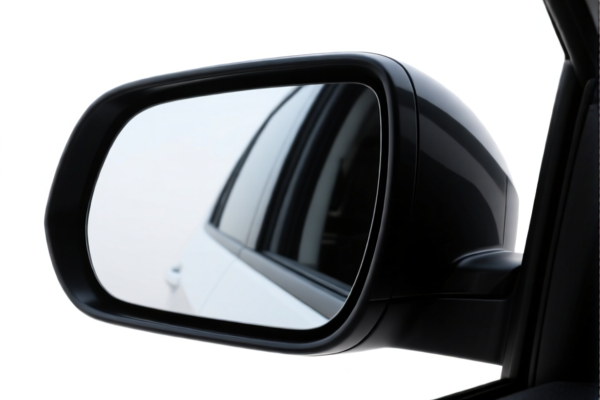
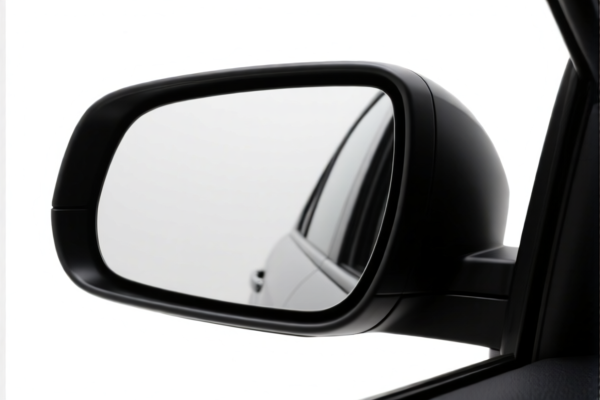
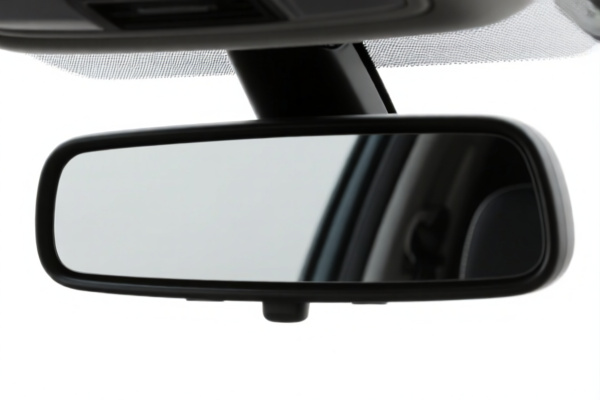

AI Analysis
🚗🪞 Rearview Mirrors (Auto Glass & Body Parts)
🌐 HS Code Reference & Customs Clearance Guide | 2026 Latest Tariff Analysis | Professional Clearance Strategy
📌 Part 1: Product Definition & Classification: Do You Really Know a "Rearview Mirror"?
A rearview mirror is a critical safety component in automotive systems. In international trade, its classification depends heavily on composition (glass vs. mechanical/body parts) and integration (standalone vs. part of the body assembly).
Two Main Categories:
1. Pure Glass Mirrors (7009.10): Purely optical glass products with/without silvering, often sold as spare parts for glass replacement.
2. Automotive Body Parts (8708.29): Complete assemblies including the housing, mounting mechanisms, metal/plastic brackets, and glass, classified as "Other Parts and Accessories of Motor Vehicles."
⚠️ Key Distinction Point:
- If it is a simple glass reflector without complex automotive mounting hardware → Likely 7009.10 (Higher Base Tariff, but lower Additional Tariffs in some contexts).
- If it is a complete automotive assembly (glass + housing + adjustment mechanism + brackets) → 8708.29 (Lower Base Tariff, but subject to Section 232 Aluminum/Steel tariffs if metal components are involved).
- If it is classified as Optical Instruments (9013.10) → Rare, but possible if viewed strictly as a "reflecting optical instrument" outside automotive context (Lowest Total Tax).
📦 Part 2: HS Code Classification Details (2026 Latest Tariff Authority Comparison)
| HS Code | Product Description | Application Scenario | Composition/Key Feature | Total Tax Rate |
|---|---|---|---|---|
7009.10.00.00 |
Glass Mirrors, Not Fitted, for Vehicles | Spare glass mirrors, pure optical glass parts | Pure Glass/Mirroring | 38.9% |
7009.91.50.10 |
Other Glass Mirrors (Non-Fitted) | Generic glass mirrors, non-vehicle specific or unclassified glass | Pure Glass | 41.5% |
8708.29.51.10 |
Auto Body Parts (Metal/Plastic) | Complete rearview mirrors with housing, brackets (Non-Aluminum/Steel) | Glass + Plastic/Metal (Non-Section 232) | 37.5% |
8708.29.51.60 |
Auto Body Parts (Aluminum/Steel) | Complete rearview mirrors with Metal/Aluminum housing or brackets | Glass + Aluminum/Steel | 87.5% |
9013.10.50.00 |
Optical Instruments (Reflectors) | Mirrors classified strictly as optical components/instruments | Optical Reflecting Device | 22.8% |
🔍 Critical Reminder:
-8708.29.51.60is the most dangerous pitfall: If the mirror housing or mounting bracket contains Aluminum or Steel, it triggers the Section 232 Tariff (50%), skyrocketing the total tax to 87.5%. -9013.10.50.00is the most aggressive optimization: If you can argue the product is an "Optical Instrument" rather than a "Vehicle Part," the tax drops to 22.8%. However, this is risky for standard car mirrors. -7009.10.00.00is the middle ground: Pure glass mirrors have a higher base tariff (3.9%) but avoid the Section 232 aluminum tariffs, resulting in 38.9% total.
💰 Part 3: 2026 Latest Tariff Rate Breakdown (Including Add-ons & Policy Surcharges)
✅ Applicable Country: USA (US)
✅ Origin: China (CN)
✅ Effective Time: Current as of 2025/2026 Trade Policies
🎯 1. 9013.10.50.00 – Optical Instruments (Lowest Tax Strategy)
| Item | Content |
|---|---|
| Base Tariff | 5.3% |
| Section 301 Add-on | +7.5% |
| Section 232 Tariff | +10% (122 Clause) |
| Total Tax Rate | 22.8% |
| Tax Calculation | CIF Value × 22.8% |
| De Minimis Exemption | ❌ No (High-value instrument classification) |
| Legal Path | 9013.10.50.00 → Section 301: 7.5% → 122 Clause: 10% |
📌 Explanation:
- This classification relies on viewing the mirror as an optical device rather than a car part.
- Risk: Customs may reject this if the product is clearly designed for automotive mounting. Use only with strong technical documentation.
🎯 2. 7009.10.00.00 – Glass Mirrors (Standard Automotive Glass)
| Item | Content |
|---|---|
| Base Tariff | 3.9% |
| Section 301 Add-on | +25.0% |
| Section 232 Tariff | +10% (122 Clause) |
| Total Tax Rate | 38.9% |
| Tax Calculation | CIF Value × 38.9% |
| De Minimis Exemption | ❌ No |
| Legal Path | 7009.10.00.00 → Section 301: 25% → 122 Clause: 10% |
📌 Note:
- This is the safest classification for pure glass mirrors without significant metal/aluminum structural components.
- Base tariff is higher (3.9% vs 2.5%), but it avoids the 50% Section 232 tariff on aluminum/steel, making it cheaper than8708.29.51.60.
🎯 3. 8708.29.51.10 – Auto Body Parts (Non-Aluminum/Steel)
| Item | Content |
|---|---|
| Base Tariff | 2.5% |
| Section 301 Add-on | +25.0% |
| Section 232 Tariff | +10% (122 Clause, but no 50% aluminum tariff) |
| Total Tax Rate | 37.5% |
| Tax Calculation | CIF Value × 37.5% |
| De Minimis Exemption | ❌ No |
| Legal Path | 8708.29.51.10 → Section 301: 25% → 122 Clause: 10% |
📌 Strategy:
- Use this if the mirror housing is Plastic or Non-Section 232 Metal.
- Total Tax is 37.5%, slightly lower than the pure glass option due to the lower base tariff (2.5%).
🎯 4. 8708.29.51.60 – Auto Body Parts (With Aluminum/Steel) – AVOID IF POSSIBLE
| Item | Content |
|---|---|
| Base Tariff | 2.5% |
| Section 301 Add-on | +25.0% |
| Section 232 Tariff (Al/Steel) | +50.0% |
| 122 Clause Tariff | +10% |
| Total Tax Rate | 87.5% |
| Tax Calculation | CIF Value × 87.5% |
| De Minimis Exemption | ❌ No |
| Legal Path | 8708.29.51.60 → Section 301: 25% → Section 232: 50% → 122 Clause: 10% |
⚠️ Critical Warning:
- If your rearview mirror has an Aluminum or Steel housing/bracket, it falls here.
- Total Tax is 87.5% – This is extremely high.
- Mitigation: Ensure housing is Plastic, or use7009.10.00.00if it's just a glass replacement.
🎯 5. 7009.91.50.10 – Other Glass Mirrors (High Risk)
| Item | Content |
|---|---|
| Base Tariff | 6.5% |
| Section 301 Add-on | +25.0% |
| Section 232 Tariff | +10% (122 Clause) |
| Total Tax Rate | 41.5% |
| Tax Calculation | CIF Value × 41.5% |
| De Minimis Exemption | ❌ No |
📌 Note:
- This is a "catch-all" for glass mirrors that don't fit7009.10.
- Higher base tariff (6.5%) makes it less favorable than7009.10(3.9%). Only use if7009.10is rejected.
🛠️ Part 4: Customs Clearance Practical Advice (Battle-Tested Pitfall Guide)
✅ 1. Documentation Checklist (Non-Negotiable)
| Document | Mandatory? | Purpose |
|---|---|---|
| ✅ Product Specification Sheet | ✔️ | Must detail material composition (Glass, Plastic, Aluminum, Steel). |
| ✅ Bill of Materials (BOM) | ✔️ | Critical to prove NO Aluminum/Steel in housing to avoid 8708.29.51.60. |
| ✅ Product Photos | ✔️ | Clear shots of the back, mounting bracket, and overall structure. |
| ✅ Commercial Invoice | ✔️ | Description must be precise: "Rearview Mirror, Plastic Housing, Glass Lens." |
| ✅ HS Code Pre-Ruling | ✔️ | Highly recommended to lock in 7009.10 or 8708.29.51.10. |
| ✅ Certificate of Origin | ✔️ | To prove CN origin for Section 301/232 calculations. |
✅ 2. Declaration Strategy (Key Mantra)
🔥 “Plastic Housing is King, Aluminum is Death, Glass is Safe!”
| Scenario | Correct Declaration | Wrong Practice | Result |
|---|---|---|---|
| Mirror with Plastic Housing | 8708.29.51.10 (37.5%) or 7009.10.00.00 (38.9%) |
Declare as "Auto Part" without specifying material | Risk of being audited for metal content |
| Mirror with Aluminum Housing | Re-evaluate Design or use 9013.10.50.00 (22.8% if allowed) |
Declare as 8708.29.51.10 |
Customs will add 50% Section 232 Tax → 87.5%! |
| Pure Glass Mirror (Spare Part) | 7009.10.00.00 (38.9%) |
Declare as "Body Part" | Higher base tariff, but no Section 232 risk |
| Optical Instrument Argument | 9013.10.50.00 (22.8%) |
Declare as "Car Mirror" | Risk of rejection by CBP; requires strong legal backing |
✅ 3. Special Case Handling
| Situation | Handling Advice |
|---|---|
| OEM Custom Mirrors with Metal Brackets | Avoid 8708.29.51.60. Negotiate with supplier to use Plastic brackets. If impossible, consider Pre-Ruling for 9013.10.50.00. |
| Mirror Sold as "Glass Only" | Use 7009.10.00.00. Ensure packaging clearly states "Glass Mirror, No Housing." |
| Mirror with Heating Elements | Still classified as 8708 or 7009, but ensure electrical components are declared separately if possible to avoid complexity. |
| Smart Mirrors (Cameras/Displays) | If it has a digital display, it may fall under 8528 (Monitors) instead of 8708/7009. Check carefully! |
🌍 Part 5: Global Market Comparison (2026 Latest)
| Country/Region | Recommended HS Code | Tariff (China Origin) | Key Certification | Notes |
|---|---|---|---|---|
| 🇺🇸 USA | 8708.29.51.10 |
37.5% (Plastic) / 87.5% (Metal) | None specific for mirror | High Section 232 Risk! |
| 🇨🇳 China | 8708.29.51.10 |
5% | CCC (if applicable) | Low tariff, easy clearance |
| 🇪🇺 EU | 7009.10.00.00 |
0-4% | CE (if smart) | No Section 301/232 equivalent |
| 🇬🇧 UK | 8708.29.51.10 |
4.5% | UKCA | Post-Brexit tariffs apply |
| 🇯🇵 Japan | 7009.10.00.00 |
0% | JIS | Favorable for glass mirrors |
📌 Conclusion:
- USA is the ONLY market with punitive Section 232 tariffs (50%) on Aluminum/Steel.
- China, EU, UK, Japan have low or no tariffs.
- Strategy for USA: Eliminate Aluminum/Steel from mirrors to stay under 38.9%. If unavoidable, seek 9013.10.50.00 pre-ruling.
📌 Part 6: Common Errors & Pitfall Guide (Lessons from the Field)
❌ Error 1: Assuming all "Auto Parts" are taxed the same.
👉 Consequence: Missing the 50% Section 232 tariff on aluminum brackets → Bill jumps from 37.5% to 87.5%.
❌ Error 2: Declaring a glass-only mirror as an "Auto Body Part" (8708).
👉 Consequence: Unnecessary complexity. Use 7009.10 for pure glass to simplify clearance.
❌ Error 3: Using 7009.91.50.10 without justification.
👉 Consequence: Higher base tariff (6.5%) than 7009.10 (3.9%). Only use if 7009.10 is explicitly rejected.
❌ Error 4: Not specifying material in the invoice.
👉 Consequence: Customs assumes Worst Case (Aluminum/Steel) → Applies 87.5% tariff.
✅ Correct Practice:
"Rearview Mirror, Plastic Housing, Glass Lens, Non-Reflective Coating, Model XYZ, No Aluminum or Steel Components"
🎯 Part 7: Conclusion: Precise Classification Saves Fortune!
🎯 Remember the Mantra:
🔹 "Plastic Housing: 37.5%, Aluminum: 87.5%, Glass: 38.9%, Optical: 22.8%!"
🔹 "HS Code decides your fate, 50% tariff difference, wrong material declaration = Bankruptcy!"
📌 Pro Tip:
If your product contains Aluminum/Steel, do NOT guess.
1. Option A: Redesign housing to Plastic.
2. Option B: Apply for CBP Pre-Ruling for 9013.10.50.00 (Optical Instrument).
3. Option C: Absorb the 87.5% tariff only if the product margin is extremely high (rare).
📣 Immediate Action:
📞 Contact your customs broker + Provide Bill of Materials (BOM) + Apply for HS Code Pre-Ruling
🚀 Let your Rearview Mirror, Clear Customs Smoothly, High Profit, Low Risk!
✨ Professional Clearance Starts with Accurate Classification!
💼 Every Penny of Your Cost Deserves Precise Calculation!
Customer Reviews
About HS Code Classification
The Harmonized System (HS) is an internationally standardized nomenclature developed by the World Customs Organization (WCO) to classify traded products. Over 200 countries use the HS system as the basis for customs tariffs, trade statistics, and import/export regulations.
Each HS code follows a hierarchical structure:
- Chapter (2 digits) — Broad category of goods (e.g., Chapter 84: Machinery and Mechanical Appliances)
- Heading (4 digits) — More specific grouping within the chapter
- Subheading (6 digits) — Internationally standardized breakdown, used by all WCO member countries
- National subdivisions (8-10 digits) — Country-specific extensions for further classification, such as US HTSUS 10-digit codes
Correct HS code classification is essential for smooth customs clearance, accurate duty payment, and compliance with trade regulations. Misclassification can lead to customs delays, overpayment of duties, or penalties.
When importing from CN to US, the applicable tariff rates may include:
- Most-Favored-Nation (MFN) rate — The standard duty rate applied to WTO members
- General rate — Applied to countries without trade agreements
- Trade remedy duties — Additional tariffs such as Section 301 (anti-dumping), Section 232 (national security), or countervailing duties
The information provided on this page is for reference purposes only. For official classification, please consult with your local customs authority or a licensed customs broker.