Recovered Unbleached Corrugated Paper
CN → US| HS编码 | 关税税率 | 原产国 | 目的国 | 文档 |
|---|---|---|---|---|
| 4707100000 | 35.0% | CN | US | 官方文档 |
| 4707900000 | 35.0% | CN | US | 官方文档 |
商品图片
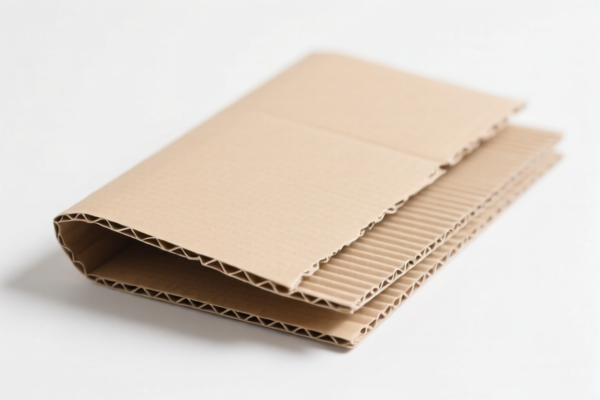
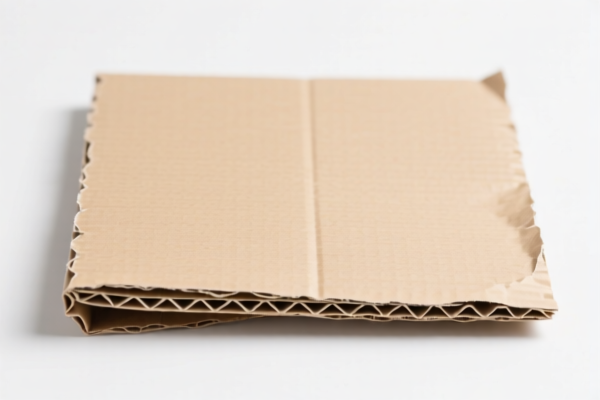
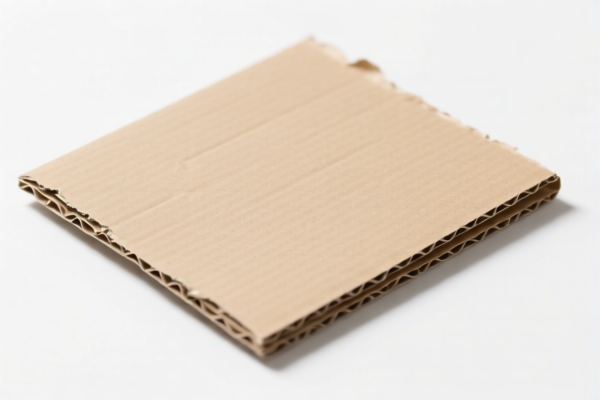
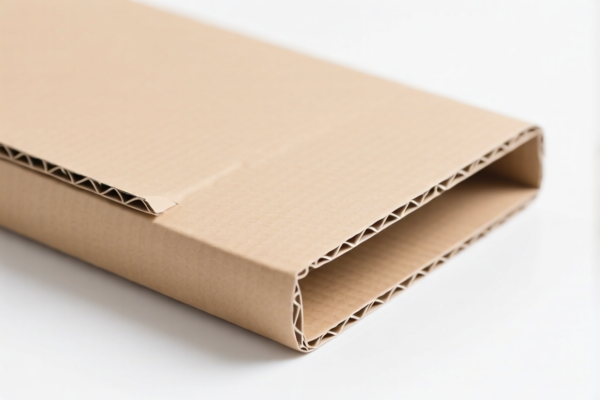
AI分析
📜 Recovered Unbleached Corrugated Paper (Waste & Scrap)
🌐 HS Code Reference & Customs Clearance Guide | 2026 Tariff Breakdown | Strategic Import Strategy
📌 I. Product Definition & Classification: What Exactly is "Recovered Unbleached Corrugated Paper"?
Recovered (waste and scrap) paper and paperboard is not a single monolithic category but a spectrum of recyclable materials. The specific description "Recovered (waste and scrap) paper and paperboard: Unbleached kraft paper or paperboard or corrugated paper or paperboard" points to a highly specific subset of recyclables.
Key Characteristics: * Material State: Must be waste, scrap, or recovered material (used, post-consumer, or industrial off-cuts). * Composition: Specifically Unbleached Kraft or Corrugated materials. * Purity: Ideally free from significant contamination (plastic, metals, food residue), though minor contamination may affect sorting but not necessarily classification if it remains "paperboard."
⚠️ Critical Distinction:
- If the material is Unbleached Kraft/Corrugated (brown, strong, recyclable) → It falls under 4707.10.00.00.
- If the material is Other (mixed, unsorted, white office paper, magazines, mixed waste) → It falls under 4707.90.00.00.Note: Even if "unsorted," if the primary component is kraft/corrugated, customs may still scrutinize for 4707.10. However, truly "unsorted waste" is explicitly listed under 4707.90.
📦 II. HS Code Classification Details (2026 Latest Tariff Authority Comparison)
| HS Code | Product Description | Applicable Scenario | Key Identifiers |
|--------|--------------------------|--------------------------|
| 4707.10.00.00 | Recovered Unbleached Kraft/Corrugated Paper/Board | Baled OCC (Old Corrugated Containers), Kraft waste, unbleached cardboard sheets | ✅ Brown color, high tensile strength, specifically kraft or corrugated |
| 4707.90.00.00 | Other Recovered Paper (including Unsorted Waste) | Mixed paper waste, unsorted recycling, mixed office paper, magazines, coated paper waste | ✅ Mixed colors, unsorted, contains non-kraft elements, or generic "waste paper" |
🔍 Key Reminder:
- 4707.10.00.00 is the premium grade for recyclers. It requires proof that the material is specifically unbleached kraft or corrugated.
- 4707.90.00.00 is the catch-all for anything else. If you ship mixed waste, use this. If you ship pure OCC, use 4707.10.
- Do not mix these in one shipment unless declared as "unsorted" under 4707.90.00.00. Mixed shipments of 4707.10 and other types often trigger customs audits.
💰 III. 2026 Latest Tariff Rate Details (Including Additional Taxes & Policy Surcharges)
✅ Applicable Country: United States (US)
✅ Origin: China (CN)
✅ Effective Date: 2025 November 10 onwards (including subsequent imports)
🎯 1. 4707.10.00.00 —— Recovered Unbleached Kraft/Corrugated Paper
| Item | Content |
|---|---|
| Basic Tariff | 0.0% (ad valorem) |
| Section 301 Additional Duty | +25.0% |
| Total Tariff Rate | 25.0% |
| Tax Calculation | CIF Value × 25.0% |
| De Minimis Exemption Eligibility | ❌ Not Eligible (High-value scrap often exceeds thresholds; check specific CPBP rules, but generally 301 duties apply regardless of volume) |
| Legal Basis Path | HTSUS:4707.10.00.00 → Footnote 9903.88.01 (Section 301 Tariff) |
📌 Explanation:
- "Basic Tariff 0.0%": The US imposes zero base duty on recovered paper to encourage recycling and raw material supply for US paper mills.
- "Additional Duty 25.0%": This is the Section 301 tariff on Chinese goods. Despite the 0% base, the 25% surcharge applies fully.
- Total Cost Impact: You pay 25% of the CIF value in duties. This is a significant cost for low-margin recyclables.
🎯 2. 4707.90.00.00 —— Other Recovered Paper (Including Unsorted Waste)
| Item | Content |
|---|---|
| Basic Tariff | 0.0% (ad valorem) |
| Section 301 Additional Duty | +25.0% |
| Total Tariff Rate | 25.0% |
| Tax Calculation | CIF Value × 25.0% |
| De Minimis Exemption Eligibility | ❌ Not Eligible (Subject to Section 301) |
| Legal Basis Path | HTSUS:4707.90.00.00 → Footnote 9903.88.01 (Section 301 Tariff) |
📌 Note:
- Same tariff structure as 4707.10.
- Even if the paper is "unsorted," the 25% Section 301 duty applies.
- No additional IEEPA tariffs are listed in the provided data for these codes beyond the 25% total.
🛠️ IV. Customs Clearance Practical Advice (Real-World Pitfall Avoidance Guide)
✅ 1. Required Documentation Checklist (Non-Negotiable)
| Document | Must Provide | Description |
|---|---|---|
| ✅ Commercial Invoice | ✔️ | Must clearly state "Recovered Paper" or "Waste Paper" and specify HS Code. |
| ✅ Packing List | ✔️ | Detail bales, weight, and moisture content (if applicable). |
| ✅ Certificate of Origin | ✔️ | To prove Chinese Origin (triggers 25% duty). |
| ✅ Quality/Condition Report | ✔️ | Confirm if it is OCC (Old Corrugated Containers) or Mixed Waste. Crucial for HS 4707.10 vs. 4707.90. |
| ✅ ISPM 15 Marking | ✔️ | If pallets/wooden crates are used, they must be heat-treated and marked. |
| ✅ Bale Photo/Video | ✔️ | Show compaction, baling wire, and absence of prohibited waste (plastic, glass, hazardous materials). |
✅ 2. Declaration Tips (Critical Keywords)
🔥 "Be Specific, Be Honest, Avoid 'General Waste'!"
| Scenario | Correct Declaration | Incorrect Declaration |
|---|---|---|
| Pure Brown Cardboard/Bales | Recovered Unbleached Kraft Paper / OCC → 4707.10.00.00 |
"Cardboard" (Too vague) |
| Mixed Paper Waste | Recovered Paper, Unsorted → 4707.90.00.00 |
"Recyclables" (Too vague) |
| High Moisture Content | Specify % moisture in invoice | Ignore moisture → Risk of rejection |
| Contaminated Paper | Declare as "Mixed Waste" → 4707.90.00.00 |
Claim as "Kraft" if contaminated → Fraud Risk |
✅ 3. Special Handling Cases
| Case | Handling Advice |
|---|---|
| OEM Custom Bales | Provide bale photos showing consistent material. If mixed, use 4707.90.00.00. |
| High Moisture Content | Excessive moisture may be deemed "waste" rather than "recoverable material." Keep moisture <15-20% if possible to avoid EPA scrutiny. |
| Contamination (Plastic/Metal) | If plastic is embedded, customs may reclassify as "mixed waste" or reject. Clean bales before shipment. |
| Small Sample Shipments | Even small samples are subject to 25% duty if from China. No de minimis for Section 301 goods. |
🌍 V. Global Market Clearance Comparison (2026 Latest)
| Country/Region | Recommended HS Code | Tariff | Certification Requirement | Notes |
|---|---|---|---|---|
| 🇺🇸 USA | 4707.10.00.00 / 4707.90.00.00 |
25% (China Origin) | None (Standard) | High duty due to Section 301. No base tax. |
| 🇨🇳 China | 4707.10.00.00 / 4707.90.00.00 |
0% | None | China imports recovered paper with zero duty but has strict solid waste ban rules. Ensure compliance with China's waste import regulations. |
| 🇪🇺 EU | 4707.10.00.00 / 4707.90.00.00 |
0% | ISO 14001, EPR | EU has high recycling targets. Low duty, but strict EPR (Extended Producer Responsibility) compliance. |
| 🇯🇵 Japan | 4707.10.00.00 / 4707.90.00.00 |
0% | JIS Standards | Japan is a major importer of high-quality OCC. Strict sorting requirements. |
📌 Conclusion:
- USA: High duty (25%) due to trade tensions. Costly for Chinese exporters.
- China/EU/Japan: Zero or low duty, but quality and compliance are the main barriers.
- Strategic Advice: If shipping to the US from China, factor in the 25% duty in your pricing model. Consider transshipment (if legal) or supplier diversification if margins are thin.
📌 VI. Common Mistakes & Pitfall Guide (Lessons Learned)
❌ Mistake 1: Declaring "Cardboard" without specifying "Recovered/Waste"
👉 Consequence: Customs may misclassify as new paper (higher duty) or reject for false declaration.
👉 Fix: Always use "Recovered" or "Waste and Scrap" in the description.
❌ Mistake 2: Mixing Unsorted Waste with Pure Kraft in One Shipment
👉 Consequence: If not declared as "Unsorted" (4707.90.00.00), customs may audit and penalize for under-declaration.
👉 Fix: Separate shipments or declare as mixed/unsorted.
❌ Mistake 3: Ignoring Section 301 Tariff Impact
👉 Consequence: Underestimating landed cost. 25% is huge for low-value scrap.
👉 Fix: Calculate CIF + 25% as your true cost basis.
❌ Mistake 4: Contaminated Bales (Plastic/Food Waste)
👉 Consequence: Rejection by US Customs and Border Protection (CBP) or EPA.
👉 Fix: Ensure bales are clean and compacted without prohibited items.
✅ Correct Declaration Example:
"Recovered Unbleached Kraft Paper (OCC), Baled, 100% Recyclable, HS Code 4707.10.00.00, Origin: China"
🎯 VII. Conclusion: Professional Declaration, Cost Control, Compliance!
🎯 Remember This Mantra:
🔹 "Recovered Paper, Zero Base Tax, But 25% US Duty Applies!"
🔹 "4707.10 for Kraft, 4707.90 for Mixed, Don't Mix Them Up!"
🔹 "Clean Bales, Clear Declaration, Avoid Rejection!"
📌 Pro Tip:
- If you are exporting from China to the US, the 25% Section 301 duty is unavoidable for these HS codes.
- Consider negotiating DDP (Delivered Duty Paid) terms to reflect the 25% duty in your pricing.
- For non-Chinese origins (e.g., Vietnam, Malaysia), the 0% Section 301 duty may apply (check current status), making those origins more competitive.
📣 Immediate Action:
📞 Contact a licensed customs broker in the US to confirm CBP guidelines on recovered paper.
📦 Ensure bale photos are clear and documentation is precise.
🚀 Calculate your landed cost including 25% duty to avoid margin erosion!
✨ Professional Customs Clearance Starts with Accurate Classification!
💼 Every Dollar in Duty Matters in the Recyclables Trade!
用户评价
关于 HS 编码归类
协调制度(HS)是由世界海关组织(WCO)制定的国际贸易商品分类标准。全球 200 多个国家采用 HS 系统作为海关关税、贸易统计和进出口监管的基础。
每个 HS 编码遵循以下层级结构:
- 章(2 位)——商品大类(例如:第 84 章:机器和机械设备)
- 品目(4 位)——章内的更具体分类
- 子目(6 位)——国际通用细分,所有 WCO 成员国统一使用
- 本国细分(8-10 位)——各国自行扩展的细分编码,如美国 HTSUS 10 位编码
正确的 HS 编码归类对于顺利通关、准确缴纳关税和遵守贸易法规至关重要。错误归类可能导致海关延误、多缴关税或罚款。
从CN进口到US时,适用的关税税率可能包括:
- 最惠国(MFN)税率——适用于 WTO 成员国的标准关税税率
- 普通税率——适用于无贸易协定国家
- 贸易救济关税——附加关税,如 301 条款(反倾销)、232 条款(国家安全)或反补贴税
本页内容仅供参考。如需正式归类,请咨询当地海关或持牌报关代理。