Recovered Unbleached Corrugated Paper
CN → US| HS Code | Tariff Rate | Origin | Destination | Doc |
|---|---|---|---|---|
| 4707100000 | 35.0% | CN | US | Official Doc |
| 4707900000 | 35.0% | CN | US | Official Doc |
Product Images
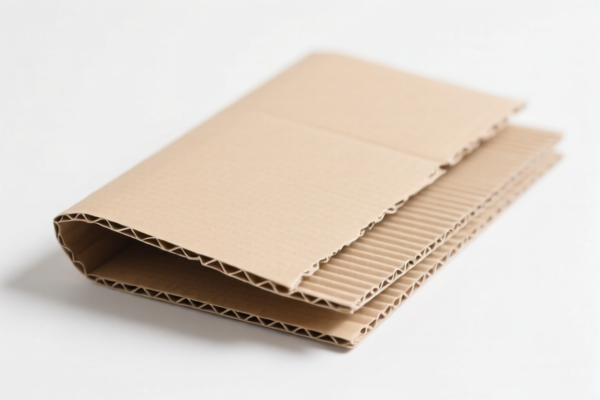
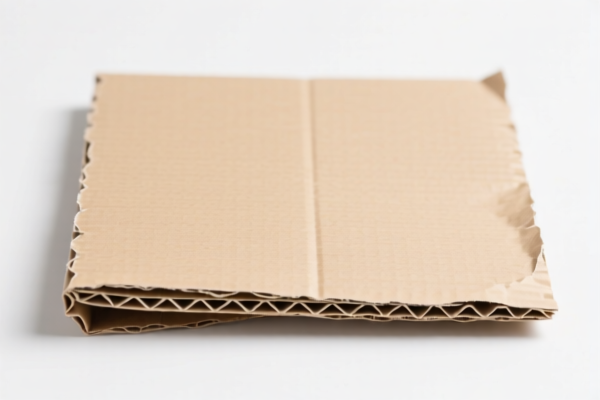
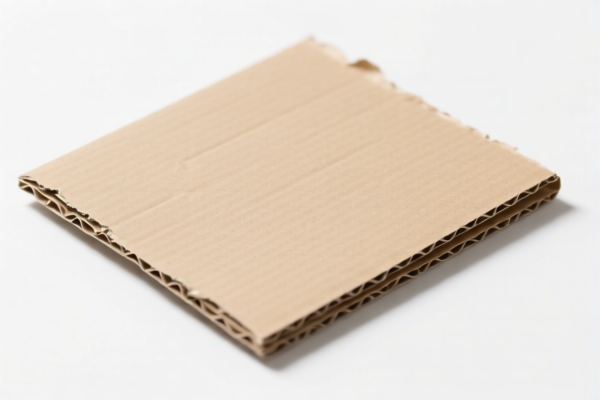
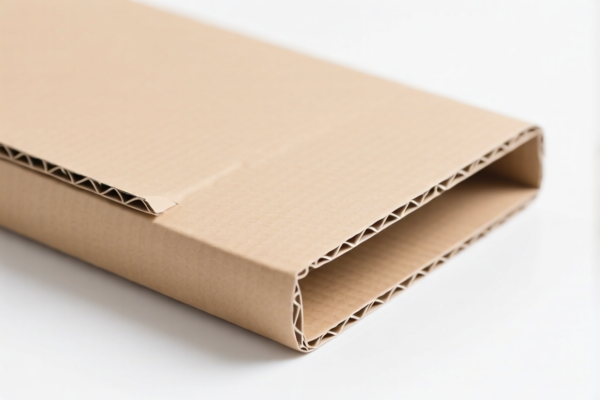
AI Analysis
📜 Recovered Unbleached Corrugated Paper (Waste & Scrap)
🌐 HS Code Reference & Customs Clearance Guide | 2026 Tariff Breakdown | Strategic Import Strategy
📌 I. Product Definition & Classification: What Exactly is "Recovered Unbleached Corrugated Paper"?
Recovered (waste and scrap) paper and paperboard is not a single monolithic category but a spectrum of recyclable materials. The specific description "Recovered (waste and scrap) paper and paperboard: Unbleached kraft paper or paperboard or corrugated paper or paperboard" points to a highly specific subset of recyclables.
Key Characteristics: * Material State: Must be waste, scrap, or recovered material (used, post-consumer, or industrial off-cuts). * Composition: Specifically Unbleached Kraft or Corrugated materials. * Purity: Ideally free from significant contamination (plastic, metals, food residue), though minor contamination may affect sorting but not necessarily classification if it remains "paperboard."
⚠️ Critical Distinction:
- If the material is Unbleached Kraft/Corrugated (brown, strong, recyclable) → It falls under 4707.10.00.00.
- If the material is Other (mixed, unsorted, white office paper, magazines, mixed waste) → It falls under 4707.90.00.00.Note: Even if "unsorted," if the primary component is kraft/corrugated, customs may still scrutinize for 4707.10. However, truly "unsorted waste" is explicitly listed under 4707.90.
📦 II. HS Code Classification Details (2026 Latest Tariff Authority Comparison)
| HS Code | Product Description | Applicable Scenario | Key Identifiers |
|--------|--------------------------|--------------------------|
| 4707.10.00.00 | Recovered Unbleached Kraft/Corrugated Paper/Board | Baled OCC (Old Corrugated Containers), Kraft waste, unbleached cardboard sheets | ✅ Brown color, high tensile strength, specifically kraft or corrugated |
| 4707.90.00.00 | Other Recovered Paper (including Unsorted Waste) | Mixed paper waste, unsorted recycling, mixed office paper, magazines, coated paper waste | ✅ Mixed colors, unsorted, contains non-kraft elements, or generic "waste paper" |
🔍 Key Reminder:
- 4707.10.00.00 is the premium grade for recyclers. It requires proof that the material is specifically unbleached kraft or corrugated.
- 4707.90.00.00 is the catch-all for anything else. If you ship mixed waste, use this. If you ship pure OCC, use 4707.10.
- Do not mix these in one shipment unless declared as "unsorted" under 4707.90.00.00. Mixed shipments of 4707.10 and other types often trigger customs audits.
💰 III. 2026 Latest Tariff Rate Details (Including Additional Taxes & Policy Surcharges)
✅ Applicable Country: United States (US)
✅ Origin: China (CN)
✅ Effective Date: 2025 November 10 onwards (including subsequent imports)
🎯 1. 4707.10.00.00 —— Recovered Unbleached Kraft/Corrugated Paper
| Item | Content |
|---|---|
| Basic Tariff | 0.0% (ad valorem) |
| Section 301 Additional Duty | +25.0% |
| Total Tariff Rate | 25.0% |
| Tax Calculation | CIF Value × 25.0% |
| De Minimis Exemption Eligibility | ❌ Not Eligible (High-value scrap often exceeds thresholds; check specific CPBP rules, but generally 301 duties apply regardless of volume) |
| Legal Basis Path | HTSUS:4707.10.00.00 → Footnote 9903.88.01 (Section 301 Tariff) |
📌 Explanation:
- "Basic Tariff 0.0%": The US imposes zero base duty on recovered paper to encourage recycling and raw material supply for US paper mills.
- "Additional Duty 25.0%": This is the Section 301 tariff on Chinese goods. Despite the 0% base, the 25% surcharge applies fully.
- Total Cost Impact: You pay 25% of the CIF value in duties. This is a significant cost for low-margin recyclables.
🎯 2. 4707.90.00.00 —— Other Recovered Paper (Including Unsorted Waste)
| Item | Content |
|---|---|
| Basic Tariff | 0.0% (ad valorem) |
| Section 301 Additional Duty | +25.0% |
| Total Tariff Rate | 25.0% |
| Tax Calculation | CIF Value × 25.0% |
| De Minimis Exemption Eligibility | ❌ Not Eligible (Subject to Section 301) |
| Legal Basis Path | HTSUS:4707.90.00.00 → Footnote 9903.88.01 (Section 301 Tariff) |
📌 Note:
- Same tariff structure as 4707.10.
- Even if the paper is "unsorted," the 25% Section 301 duty applies.
- No additional IEEPA tariffs are listed in the provided data for these codes beyond the 25% total.
🛠️ IV. Customs Clearance Practical Advice (Real-World Pitfall Avoidance Guide)
✅ 1. Required Documentation Checklist (Non-Negotiable)
| Document | Must Provide | Description |
|---|---|---|
| ✅ Commercial Invoice | ✔️ | Must clearly state "Recovered Paper" or "Waste Paper" and specify HS Code. |
| ✅ Packing List | ✔️ | Detail bales, weight, and moisture content (if applicable). |
| ✅ Certificate of Origin | ✔️ | To prove Chinese Origin (triggers 25% duty). |
| ✅ Quality/Condition Report | ✔️ | Confirm if it is OCC (Old Corrugated Containers) or Mixed Waste. Crucial for HS 4707.10 vs. 4707.90. |
| ✅ ISPM 15 Marking | ✔️ | If pallets/wooden crates are used, they must be heat-treated and marked. |
| ✅ Bale Photo/Video | ✔️ | Show compaction, baling wire, and absence of prohibited waste (plastic, glass, hazardous materials). |
✅ 2. Declaration Tips (Critical Keywords)
🔥 "Be Specific, Be Honest, Avoid 'General Waste'!"
| Scenario | Correct Declaration | Incorrect Declaration |
|---|---|---|
| Pure Brown Cardboard/Bales | Recovered Unbleached Kraft Paper / OCC → 4707.10.00.00 |
"Cardboard" (Too vague) |
| Mixed Paper Waste | Recovered Paper, Unsorted → 4707.90.00.00 |
"Recyclables" (Too vague) |
| High Moisture Content | Specify % moisture in invoice | Ignore moisture → Risk of rejection |
| Contaminated Paper | Declare as "Mixed Waste" → 4707.90.00.00 |
Claim as "Kraft" if contaminated → Fraud Risk |
✅ 3. Special Handling Cases
| Case | Handling Advice |
|---|---|
| OEM Custom Bales | Provide bale photos showing consistent material. If mixed, use 4707.90.00.00. |
| High Moisture Content | Excessive moisture may be deemed "waste" rather than "recoverable material." Keep moisture <15-20% if possible to avoid EPA scrutiny. |
| Contamination (Plastic/Metal) | If plastic is embedded, customs may reclassify as "mixed waste" or reject. Clean bales before shipment. |
| Small Sample Shipments | Even small samples are subject to 25% duty if from China. No de minimis for Section 301 goods. |
🌍 V. Global Market Clearance Comparison (2026 Latest)
| Country/Region | Recommended HS Code | Tariff | Certification Requirement | Notes |
|---|---|---|---|---|
| 🇺🇸 USA | 4707.10.00.00 / 4707.90.00.00 |
25% (China Origin) | None (Standard) | High duty due to Section 301. No base tax. |
| 🇨🇳 China | 4707.10.00.00 / 4707.90.00.00 |
0% | None | China imports recovered paper with zero duty but has strict solid waste ban rules. Ensure compliance with China's waste import regulations. |
| 🇪🇺 EU | 4707.10.00.00 / 4707.90.00.00 |
0% | ISO 14001, EPR | EU has high recycling targets. Low duty, but strict EPR (Extended Producer Responsibility) compliance. |
| 🇯🇵 Japan | 4707.10.00.00 / 4707.90.00.00 |
0% | JIS Standards | Japan is a major importer of high-quality OCC. Strict sorting requirements. |
📌 Conclusion:
- USA: High duty (25%) due to trade tensions. Costly for Chinese exporters.
- China/EU/Japan: Zero or low duty, but quality and compliance are the main barriers.
- Strategic Advice: If shipping to the US from China, factor in the 25% duty in your pricing model. Consider transshipment (if legal) or supplier diversification if margins are thin.
📌 VI. Common Mistakes & Pitfall Guide (Lessons Learned)
❌ Mistake 1: Declaring "Cardboard" without specifying "Recovered/Waste"
👉 Consequence: Customs may misclassify as new paper (higher duty) or reject for false declaration.
👉 Fix: Always use "Recovered" or "Waste and Scrap" in the description.
❌ Mistake 2: Mixing Unsorted Waste with Pure Kraft in One Shipment
👉 Consequence: If not declared as "Unsorted" (4707.90.00.00), customs may audit and penalize for under-declaration.
👉 Fix: Separate shipments or declare as mixed/unsorted.
❌ Mistake 3: Ignoring Section 301 Tariff Impact
👉 Consequence: Underestimating landed cost. 25% is huge for low-value scrap.
👉 Fix: Calculate CIF + 25% as your true cost basis.
❌ Mistake 4: Contaminated Bales (Plastic/Food Waste)
👉 Consequence: Rejection by US Customs and Border Protection (CBP) or EPA.
👉 Fix: Ensure bales are clean and compacted without prohibited items.
✅ Correct Declaration Example:
"Recovered Unbleached Kraft Paper (OCC), Baled, 100% Recyclable, HS Code 4707.10.00.00, Origin: China"
🎯 VII. Conclusion: Professional Declaration, Cost Control, Compliance!
🎯 Remember This Mantra:
🔹 "Recovered Paper, Zero Base Tax, But 25% US Duty Applies!"
🔹 "4707.10 for Kraft, 4707.90 for Mixed, Don't Mix Them Up!"
🔹 "Clean Bales, Clear Declaration, Avoid Rejection!"
📌 Pro Tip:
- If you are exporting from China to the US, the 25% Section 301 duty is unavoidable for these HS codes.
- Consider negotiating DDP (Delivered Duty Paid) terms to reflect the 25% duty in your pricing.
- For non-Chinese origins (e.g., Vietnam, Malaysia), the 0% Section 301 duty may apply (check current status), making those origins more competitive.
📣 Immediate Action:
📞 Contact a licensed customs broker in the US to confirm CBP guidelines on recovered paper.
📦 Ensure bale photos are clear and documentation is precise.
🚀 Calculate your landed cost including 25% duty to avoid margin erosion!
✨ Professional Customs Clearance Starts with Accurate Classification!
💼 Every Dollar in Duty Matters in the Recyclables Trade!
Customer Reviews
About HS Code Classification
The Harmonized System (HS) is an internationally standardized nomenclature developed by the World Customs Organization (WCO) to classify traded products. Over 200 countries use the HS system as the basis for customs tariffs, trade statistics, and import/export regulations.
Each HS code follows a hierarchical structure:
- Chapter (2 digits) — Broad category of goods (e.g., Chapter 84: Machinery and Mechanical Appliances)
- Heading (4 digits) — More specific grouping within the chapter
- Subheading (6 digits) — Internationally standardized breakdown, used by all WCO member countries
- National subdivisions (8-10 digits) — Country-specific extensions for further classification, such as US HTSUS 10-digit codes
Correct HS code classification is essential for smooth customs clearance, accurate duty payment, and compliance with trade regulations. Misclassification can lead to customs delays, overpayment of duties, or penalties.
When importing from CN to US, the applicable tariff rates may include:
- Most-Favored-Nation (MFN) rate — The standard duty rate applied to WTO members
- General rate — Applied to countries without trade agreements
- Trade remedy duties — Additional tariffs such as Section 301 (anti-dumping), Section 232 (national security), or countervailing duties
The information provided on this page is for reference purposes only. For official classification, please consult with your local customs authority or a licensed customs broker.