Reflective Car Body Decorative Tape
CN → US| HS编码 | 关税税率 | 原产国 | 目的国 | 文档 |
|---|---|---|---|---|
| 3919905010 | 40.8% | CN | US | 官方文档 |
| 3919101010 | 41.5% | CN | US | 官方文档 |
| 5903102090 | 35.0% | CN | US | 官方文档 |
| 5903102010 | 35.0% | CN | US | 官方文档 |
| 3921110000 | 40.3% | CN | US | 官方文档 |
商品图片
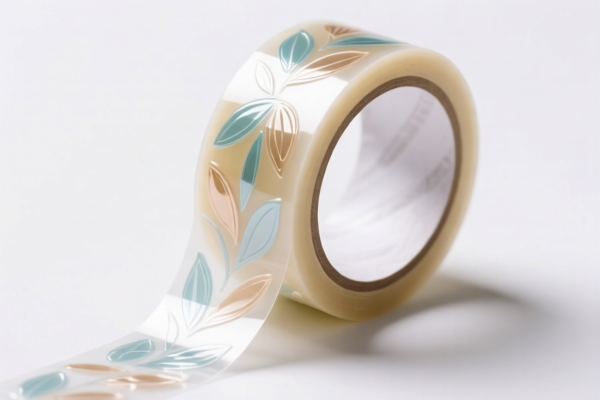
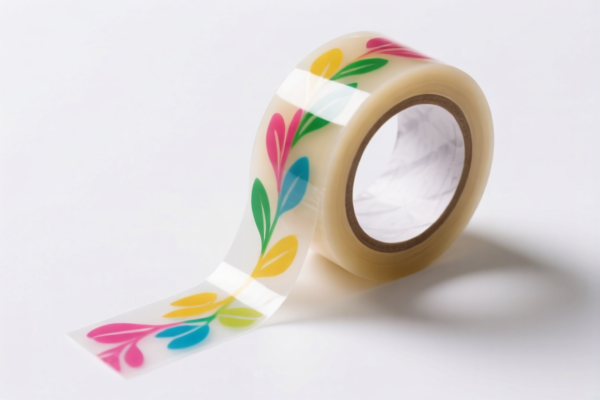
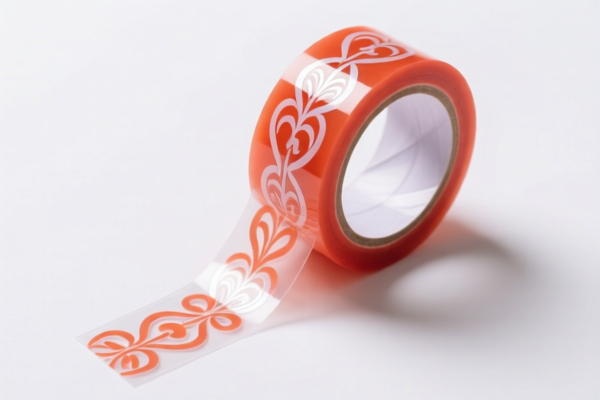
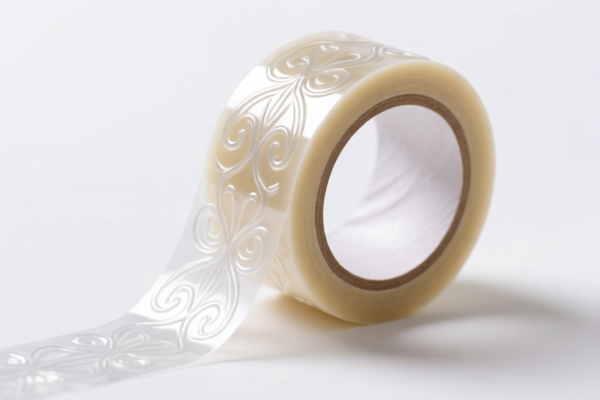
AI分析
🚗 Reflective Car Body Decorative Tape: The Ultimate Clearance Guide & Tariff Breakdown
🌐 HS Code Reference & Customs Strategy | 2024/2026 Tariff Analysis | Professional Compliance Guide
📌 Part 1: Product Definition & Classification – Is it Tape, Film, or Textile?
Reflective Car Body Decorative Tape is a versatile automotive accessory used for styling, safety marking, and visibility enhancement. In international trade, its classification depends strictly on its material composition and manufacturing process. It is not a single HS code but falls into three distinct categories based on structure:
1. Self-Adhesive Plastic Sheets (Tape Form)
Raw plastic film coated with reflective material and adhesive, rolled or cut into strips.
Key Feature: Plastic base, self-adhesive backing, simple film structure.
2. Impregnated/Coated Fabric or Film
Textile fabrics or plastic films that have been impregnated with plastic substances or coated with functional layers to create reflectivity.
Key Feature: Involves a "coating/impregnation" process on a substrate (fabric or film).
3. Plastic Bands/Strips
Simple plastic bands or strips used for binding or decoration, without complex coating processes.
Key Feature: Basic polymer form, often simpler than coated films.
⚠️ Critical Distinction:
- If the product is a simple self-adhesive plastic film/sticker, it usually falls under Chapter 39 (Plastics).
- If the product is a textile or film that has been coated/impregnated with plastic for reflectivity, it often falls under Chapter 59 (Impregnated Textiles/Films).
- The adhesive nature alone does not determine the code; the base material and processing method do.
📦 Part 2: HS Code Classification Matrix (Based on Provided Data)
| HS Code | Product Description (Summary) | Material/Structure | Total Tax Rate | Tax Detail Breakdown |
|---|---|---|---|---|
| 3919.90.50.10 | Reflective material stickers, plastic material, self-adhesive sheet/film | Plastic, Self-adhesive film | 40.8% | Base: 5.8% Additional: 25.0% Section 301/122: 10% |
| 3919.10.10.10 | Reflective material stickers, plastic/film material, self-adhesive patch | Plastic/Film, Self-adhesive patch | 41.5% | Base: 6.5% Additional: 25.0% Section 301/122: 10% |
| 5903.10.20.90 | Reflective material stickers, plastic/polymer coating, impregnated/coated textile/film | Plastic/Polymer coating, Impregnated/Coated Textile or Film | 35.0% | Base: 0.0% Additional: 25.0% Section 301/10% |
| 5903.10.20.10 | Reflective material stickers, functional coated film/fabric, impregnated/coated plastic characteristics | Functional Coated Film/Fabric, Impregnated/Coated Plastic Characteristics | 35.0% | Base: 0.0% Additional: 25.0% Section 301/10% |
| 3921.11.00.00 | Reflective material stickers, plastic (polymer film), band/film type | Plastic (Polymer Film), Band/Film type | 40.3% | Base: 5.3% Additional: 25.0% Section 301/10% |
🔍 Key Takeaway:
- Chapter 39 (Plastics) codes carry a higher base duty (5.3%–6.5%) but are common for simple adhesive tapes.
- Chapter 59 (Impregnated/Coated) codes have 0% base duty, resulting in a lower total tax (35.0%) despite the same additional tariffs.
- Misclassification Risk: Declaring a coated textile tape as a simple plastic tape (Chapter 39) may lead to overpayment, but declaring a simple plastic tape as a coated textile (Chapter 59) may lead to customs rejection or penalties for inaccurate description.
💰 Part 3: 2024/2026 Tariff Rate Breakdown (US Imports from China)
✅ Applicable Country: United States (US)
✅ Origin: China (CN)
✅ Effective Date: Post-2025 (Based on provided data including Section 122/301 tariffs)
🎯 1. Chapter 39 Codes (Plastic-Based Adhesive Tapes)
A. 3919.90.50.10 & 3921.11.00.00
| Item | Content |
|---|---|
| Base Duty | 5.3% – 5.8% (ad valorem) |
| Section 301/Additional Duty | +25.0% |
| Section 122/Other Additional | +10.0% |
| Total Effective Rate | 40.3% – 40.8% |
| Calculation Basis | CIF Value × Total Rate |
| De Minimis Exemption | ❌ Not Eligible |
| Legal Basis Path | HTSUS 3919/3921 → Section 301 Footnote 9903.88.01 → Section 122 IEEPA |
📌 Explanation:
- These codes are for plastic-based self-adhesive films/stickers.
- The 25% Section 301 tariff is applied to most plastic articles from China.
- The 10% Section 122 tariff (or similar additional duty) further increases the cost.
- Total ~40.8% is a significant cost factor.
B. 3919.10.10.10
| Item | Content |
|---|---|
| Base Duty | 6.5% |
| Section 301/Additional Duty | +25.0% |
| Section 122/Other Additional | +10.0% |
| Total Effective Rate | 41.5% |
| Calculation Basis | CIF Value × 41.5% |
| De Minimis Exemption | ❌ Not Eligible |
📌 Explanation:
- Slightly higher base duty (6.5%) compared to other Chapter 39 codes.
- Still subject to the same additional tariffs.
- Most expensive option among the provided HS codes.
🎯 2. Chapter 59 Codes (Impregnated/Coated Textiles/Films)
C. 5903.10.20.90 & 5903.10.20.10
| Item | Content |
|---|---|
| Base Duty | 0.0% |
| Section 301/Additional Duty | +25.0% |
| Section 122/Other Additional | +10.0% |
| Total Effective Rate | 35.0% |
| Calculation Basis | CIF Value × 35.0% |
| De Minimis Exemption | ❌ Not Eligible |
| Legal Basis Path | HTSUS 5903 → Section 301 Footnote 9903.88.01 → Section 122 IEEPA |
📌 Explanation:
- These codes apply to products where plastic is impregnated or coated onto a textile or film substrate.
- The 0% base duty makes these codes cheaper by 5–6.5% compared to Chapter 39 codes.
- Crucial: You must prove the product meets the definition of "impregnated/coated" (e.g., functional coating on fabric/film) to qualify for this lower rate.
🛠️ Part 4: Customs Clearance Practical Advice
✅ 1. Documentation Checklist (Non-Negotiable)
| Document | Required? | Purpose |
|---|---|---|
| Product Specification Sheet | ✔️ | Details material (plastic/fabric), coating type, adhesive, reflectivity level |
| Photos (Front, Back, Cross-Section) | ✔️ | Proves structure: Is it a simple film or a coated textile? |
| Composition Statement | ✔️ | Explicitly state: "Base Material: [Polyester/Plastic], Coating: [Polyurethane/Reflective Glass Beads]" |
| Commercial Invoice | ✔️ | Must match HS Code description exactly (see below) |
| Packing List | ✔️ | Shows dimensions, weight, and quantity |
| Certificate of Origin (CO) | ✔️ | Required to confirm Chinese origin for tariff calculation |
| Third-Party Test Report | ✔️ | Optional but recommended to prove reflectivity and coating durability |
✅ 2. Declaration Strategy (Key to Cost Saving)
🔥 "Material Defines Code, Coating Defines Chapter 59!"
| Scenario | Recommended HS Code | Why? | Risk if Wrong |
|---|---|---|---|
| Simple Self-Adhesive Plastic Sticker | 3919.90.50.10 or 3921.11.00.00 |
It is a plastic film with adhesive. No complex coating/impregnation on textile. | High risk of audit if declared as Chapter 59. |
| Reflective Tape with Fabric Backing + Plastic Coating | 5903.10.20.90 or 5903.10.20.10 |
The plastic is coated/impregnated onto a textile/film substrate. | Lower tax (35%) vs (40-41.5%). If under-declared, customs may reclassify and charge back-tariff + penalty. |
| Reflective Patch with Plastic Base | 3919.10.10.10 |
Specific sub-heading for self-adhesive patches of plastic/film. | Must ensure it is not a coated textile. |
📌 Pro Tip:
If your product is reflective tape made of polyester fabric coated with reflective micro-prisms or glass beads and a plastic layer, argue for Chapter 59 to save ~6% in duties. Ensure your product description emphasizes "coated textile" or "impregnated film."
✅ 3. Avoid Common Pitfalls
| Mistake | Consequence | Solution |
|---|---|---|
| Vague Description: "Car Tape" | Customs may classify under highest duty rate or reject. | Use precise terms: "Reflective Coated Polyester Fabric Tape" or "Self-Adhesive Plastic Film Sticker." |
| Ignoring Origin Marking: "Made in China" on packaging | Delays, fines, or seizure. | Ensure all products and packaging clearly state country of origin. |
| Under-Valuing | Customs audit, penalties, seizure. | Declare accurate CIF value. Do not undervalue to save duty. |
| Confusing "Adhesive" with "Textile" | Misclassification. | Adhesive is secondary; base material determines the chapter. |
🌍 Part 5: Global Market Comparison (2024/2026)
| Market | Recommended HS Code | Est. Total Duty | Key Certification | Notes |
|---|---|---|---|---|
| 🇺🇸 USA | 5903.10.20.90 (if coated) |
35.0% | ASTM D4956 (Reflectivity) | High tariffs. Chapter 59 is optimal if product qualifies. |
| 🇨🇳 China | 3919.90.50.10 |
5.8% - 6.5% | GB/T 18833 (Traffic Marking) | Lower base duty. No additional Section 301 tariffs. |
| 🇪🇺 EU | 3919.90.00 or 5903.90.91 |
0% - 6.5% | ECE R104 (Reflective Materials) | Generally lower tariffs. Check for REACH compliance. |
| 🇬🇧 UK | 3919.90.00 |
6.5% | UKCA Marking | Post-Brexit, align with UK tariff schedule. |
| 🇦🇺 Australia | 3919.90.00 |
5% | RCM | Moderate tariffs. |
📌 Conclusion:
- USA is the most challenging market due to Section 301/122 tariffs.
- Chapter 59 codes offer a ~6% savings in the US if the product structure allows.
- China, EU, UK, and Australia have significantly lower total duties.
📌 Part 6: Final Recommendations & Action Plan
🎯 Step 1: Product Analysis
- Identify Base Material: Is it plastic film, polyester fabric, or PVC?
- Identify Process: Is it simply laminated (Chapter 39) or coated/impregnated (Chapter 59)?
- Select HS Code: Use the table above to choose the most accurate code.
🎯 Step 2: Documentation Preparation
- Prepare a Technical Data Sheet highlighting material composition and manufacturing process.
- Ensure Commercial Invoice description matches the HS Code.
🎯 Step 3: Customs Strategy
- For US Imports: If your product is a coated textile/film, argue for Chapter 59 (
5903.10.20.90/10) to save 6% in duties. Provide evidence of coating/impregnation. - For Plastic-Only Products: Accept the ~40-41% duty for Chapter 39 codes. Ensure accurate declaration to avoid penalties.
🎯 Step 4: Compliance
- Apply for Advance Ruling from US Customs (CBP) if the product structure is ambiguous. This provides legal certainty.
- Stay updated on Section 301 exclusions (if any apply to specific reflective materials).
🎯 Conclusion: Precision Saves Money!
🎯 Remember the Golden Rule:
"Base Material Determines Chapter 39 or 59. Coating Defines Chapter 59. Accuracy Saves 6% Duty!"
📌 Final Tip:
- Chapter 39: Simple Plastic Tape → ~40-41% Tax
- Chapter 59: Coated/Impregnated Textile/Film → 35% Tax
- Never Guess! Use technical specs to justify your HS Code.
✨ Professional Customs Clearance Starts with Accurate Classification!
💼 Your Bottom Line Depends on the First 8 Digits of Your HS Code!
用户评价
关于 HS 编码归类
协调制度(HS)是由世界海关组织(WCO)制定的国际贸易商品分类标准。全球 200 多个国家采用 HS 系统作为海关关税、贸易统计和进出口监管的基础。
每个 HS 编码遵循以下层级结构:
- 章(2 位)——商品大类(例如:第 84 章:机器和机械设备)
- 品目(4 位)——章内的更具体分类
- 子目(6 位)——国际通用细分,所有 WCO 成员国统一使用
- 本国细分(8-10 位)——各国自行扩展的细分编码,如美国 HTSUS 10 位编码
正确的 HS 编码归类对于顺利通关、准确缴纳关税和遵守贸易法规至关重要。错误归类可能导致海关延误、多缴关税或罚款。
从CN进口到US时,适用的关税税率可能包括:
- 最惠国(MFN)税率——适用于 WTO 成员国的标准关税税率
- 普通税率——适用于无贸易协定国家
- 贸易救济关税——附加关税,如 301 条款(反倾销)、232 条款(国家安全)或反补贴税
本页内容仅供参考。如需正式归类,请咨询当地海关或持牌报关代理。