Reflective Film
CN → US| HS编码 | 关税税率 | 原产国 | 目的国 | 文档 |
|---|---|---|---|---|
| 3919905010 | 40.8% | CN | US | 官方文档 |
| 3920992000 | 39.2% | CN | US | 官方文档 |
| 3919101010 | 41.5% | CN | US | 官方文档 |
| 5903102010 | 35.0% | CN | US | 官方文档 |
| 5903102090 | 35.0% | CN | US | 官方文档 |
商品图片
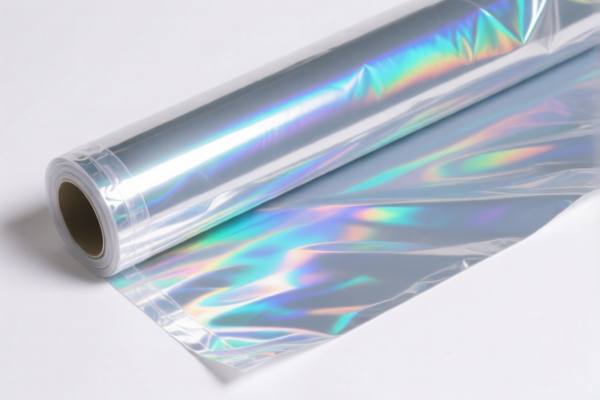

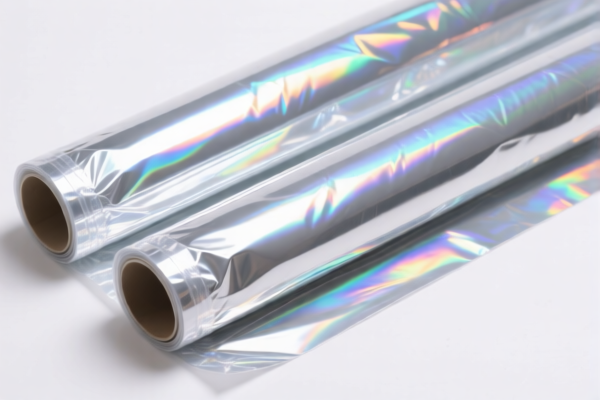
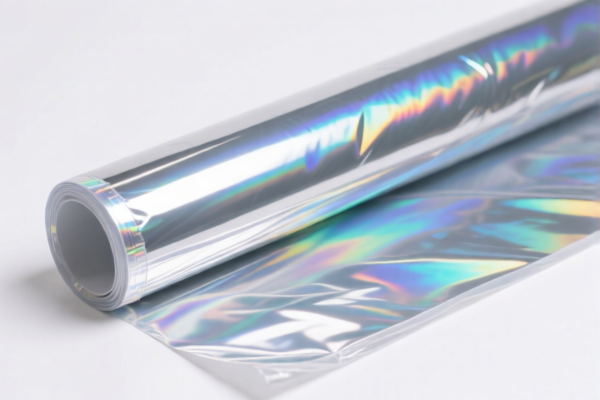
AI分析
🌟 Reflective Film (反光夜光膜): HS Code Classification & Customs Clearance Guide 2026
🌐 HS Code Reference & Customs Clearance Guide | Latest Tariff Analysis | Professional Entry Strategy
📌 Product Definition: What is "Reflective Film"?
Reflective Film (often referred to as Night-Glow Film or Retroreflective Sheeting) is a specialized material used in traffic signs, clothing, vehicle markings, and safety equipment. It works by reflecting light back to its source, enhancing visibility in low-light conditions.
In international trade, the classification depends heavily on the material composition, structure (e.g., laminated, coated, or solid film), and intended use.
⚠️ Key Distinction:
- Is it a simple plastic film with a reflective coating?
- Is it a fabric covered with plastic (PVC)?
- Does it function primarily as a transparent/translucent film vs. a textile composite?
This determines whether it falls under Chapter 39 (Plastics) or Chapter 59 (Impregnated Textiles).
📦 HS Code Classification Details (Based on Provided Data)
The following five HS Codes are identified as potential classifications for "Reflective Film" based on specific material and structural characteristics.
| HS Code | Summary Description | Key Classification Criteria |
|---|---|---|
3919.90.50.10 |
Reflective Night-Glow Film | Form: Film. Use: Reflective. Material: Inferred as Plastic. |
3920.99.20.00 |
Reflective Night-Glow Film | Form: Film. Material: Plastic. Category: Flexible film pieces under "Other" categories. |
3919.10.10.10 |
Reflective Night-Glow Film | Material: Plastic Film. Attribute: Similar to glass-bead-based luminous surfaces. |
5903.10.20.10 |
Reflective Night-Glow Film | Structure: Laminated/Covered. Material: Plastic-coated/covered (e.g., PVC substrate). |
5903.10.20.90 |
Reflective Night-Glow Film | Structure: Fabric impregnated/covered. Material: Plastic-covered textile. Type: Other types in this category. |
🔍 Critical Analysis:
- Codes3919...and3920...are for pure plastic films. If the product is a self-adhesive plastic sheet with retroreflective beads or prisms, these are likely candidates.
- Codes5903...are for textiles/laminates. If the reflective material is bonded to a fabric backing (common in safety vests), Chapter 59 applies.
- Note: The distinction between 3919 and 3920 often lies in whether the film is "Self-Adhesive" (3919) or "Non-Self-Adhesive" (3920).
💰 Tariff Rate Breakdown (US Market Analysis)
✅ Applicable Country: United States (US)
✅ Origin: China (CN) (Inferred from "122-Clause" and "Section 301" context in data)
✅ Effective Date: Current applicable rates as per data provided.
All listed HS Codes share a similar tariff structure due to the "Trade War" tariffs and specific trade remedies.
🎯 1. 3919.90.50.10 & 3920.99.20.00 & 3919.10.10.10 (Plastic Films)
| Item | Content |
|---|---|
| Base Duty | 4.2% - 6.5% (Varies by specific sub-heading) |
| Section 301 Surcharge | +25.0% (Additional tariff under US Trade Law Section 301) |
| Section 122 Tariff | +10.0% (Specific duty under Section 122 of the Trade Expansion Act) |
| Total Tax Rate | 39.2% - 41.5% |
| Tax Calculation | CIF Value × Total Rate |
| De Minimis Exemption | ❌ Not Applicable (High tariff rates usually exclude small parcel exemptions in strict enforcement) |
| Legal Basis | USITC Harmonized Tariff Schedule + IEEPA/Section 301 Orders |
📌 Explanation:
- Base Duty: Low, as plastics are generally not protected heavily.
- Section 301 (25%): This is the major cost driver for Chinese-origin goods.
- Section 122 (10%): Often applied to protect specific US industries; here it adds to the burden.
- Result: Even the "cheapest" plastic film option carries a ~39-41% total duty burden.
🎯 2. 5903.10.20.10 & 5903.10.20.90 (Plastic-Laminated Textiles)
| Item | Content |
|---|---|
| Base Duty | 0.0% |
| Section 301 Surcharge | +25.0% |
| Section 122 Tariff | +10.0% |
| Total Tax Rate | 35.0% |
| Tax Calculation | CIF Value × 35% |
| De Minimis Exemption | ❌ Not Applicable |
| Legal Basis | USITC + Section 301/122 |
📌 Explanation:
- Base Duty: 0% because textiles/laminates often have lower base protection in this specific sub-category.
- Surcharges: The same 35% (25% + 10%) applies.
- Result: This is the lowest total tax rate (35%) among all options, making it the most cost-effective if the product structure qualifies (i.e., it must be a plastic-covered textile).
🛠️ Customs Clearance Practical Advice
✅ 1. Documentation Checklist (Essential)
| Document | Required? | Purpose |
|---|---|---|
| Product Specification Sheet | ✔️ | Must detail: Layer structure, adhesive type, base material (PVC/PE/Fabric), reflectivity method (beads/prisms). |
| Commercial Invoice | ✔️ | Must clearly state: "Reflective Film," Material Composition, Country of Origin. |
| Packing List | ✔️ | Weight, dimensions, number of rolls. |
| Certificate of Origin (CO) | ✔️ | Critical for verifying origin to apply/exempt surcharges. |
| Photos of Product | ✔️ | Show cross-section to prove if it is "Pure Plastic" (Ch. 39) or "Laminated Fabric" (Ch. 59). |
| Section 301 Exclusion Proof | ✔️ | If applicable, provide evidence of exclusion (if any were granted). |
✅ 2. Classification Strategy (How to Choose)
| Scenario | Recommended HS Code | Why? |
|---|---|---|
| Pure Plastic Sheet (Self-Adhesive) | 3919.90.50.10 or 3919.10.10.10 |
Best if it's a standard sticker-like film. |
| Pure Plastic Sheet (Non-Adhesive) | 3920.99.20.00 |
Best if it's a plain roll for further processing. |
| Reflective Fabric/Vest Material | 5903.10.20.10 / .90 |
Cost Savings: Lowest total tax (35%). Must prove it is a textile composite. |
🔥 Pro Tip:
If your reflective film has a fabric backing (even a thin one), argue for Chapter 59. The 5% tax difference (35% vs 40%) is significant. However, you must provide strong evidence (e.g., manufacturing process, material analysis) that the textile nature is essential.
✅ 3. Common Pitfalls to Avoid
❌ Mistake 1: Declaring "Plastic Film" when it's actually "Plastic-Coated Fabric"
👉 Risk: Customs may reclassify to 5903... (lower tax) but demand back-taxes if they disagree, OR classify as a higher-duty category if documentation is vague.
✅ Fix: Provide material composition breakdown (% of plastic vs. fabric).
❌ Mistake 2: Ignoring Section 301 & 122 Tariffs
👉 Risk: Underpayment of duties, penalties, and detention of goods.
✅ Fix: Always include the +35% to +41.5% surcharge in your landed cost calculation.
❌ Mistake 3: Vague Description "Reflective Material"
👉 Risk: Customs exam will take weeks to determine the correct sub-heading.
✅ Fix: Use precise language: "Retroreflective PVC film with glass beads, self-adhesive, for traffic signs."
🌍 Global Market Comparison (Contextual)
| Region | Likely HS Code | Approx. Total Duty | Notes |
|---|---|---|---|
| 🇺🇸 USA | 3919/3920/5903 |
35% - 41.5% | Heavy Section 301 & 122 tariffs on CN origin. |
| 🇨🇳 China (Import) | 3919/5903 |
~5% - 10% | Lower base rates, no Section 301. |
| 🇪🇺 EU | 3919/5903 |
~4% - 6.5% | Generally no high surcharges for this category. |
| 🇯🇵 Japan | 3919/5903 |
~5% - 8% | Competitive rates, no major surcharges. |
📌 Conclusion:
The US market is the most challenging due to the cumulative 35-41% tariff burden. Exporters should: 1. Optimize Classification: Ensure correct Chapter 59 classification if applicable to save ~5%. 2. Supply Chain Diversification: Consider sourcing from non-China countries (e.g., Vietnam, Mexico) if exempt from Section 301/122. 3. Advance Rulings: Apply for a Binding Tariff Information (BTI) or Advance Ruling from US CBP to mitigate risk.
📌 Summary & Action Items
- Identify Material: Is it pure plastic or plastic-coated fabric?
- Select HS Code:
- Pure Plastic →
3919.90.50.10/3920.99.20.00(Tax: ~40%) - Coated Fabric →
5903.10.20.10(Tax: 35%) - Calculate Landed Cost: Include Base Duty + 25% Sec 301 + 10% Sec 122.
- Prepare Docs: Clear description, material breakdown, and origin proof.
🎯 Final Advice:
🔹 "Material Defines Duty, Documentation Defends Value!"
🔹 "For US Imports, Chapter 59 is your best friend (35% vs 40%)."
🔹 "Never underestimate the +35% Surcharge – it’s the new normal for Chinese goods."
📣 Immediate Action:
📞 Contact a Licensed Customs Broker for a pre-submission review.
📄 Request a Sample Test Report to confirm material layers (Plastic vs. Fabric).
🚀 Update Your Pricing Model to reflect the 35-41.5% effective duty rate.
✨ Smart Classification Saves Money!
💼 Precision in Customs Leads to Profitability in Trade.
用户评价
关于 HS 编码归类
协调制度(HS)是由世界海关组织(WCO)制定的国际贸易商品分类标准。全球 200 多个国家采用 HS 系统作为海关关税、贸易统计和进出口监管的基础。
每个 HS 编码遵循以下层级结构:
- 章(2 位)——商品大类(例如:第 84 章:机器和机械设备)
- 品目(4 位)——章内的更具体分类
- 子目(6 位)——国际通用细分,所有 WCO 成员国统一使用
- 本国细分(8-10 位)——各国自行扩展的细分编码,如美国 HTSUS 10 位编码
正确的 HS 编码归类对于顺利通关、准确缴纳关税和遵守贸易法规至关重要。错误归类可能导致海关延误、多缴关税或罚款。
从CN进口到US时,适用的关税税率可能包括:
- 最惠国(MFN)税率——适用于 WTO 成员国的标准关税税率
- 普通税率——适用于无贸易协定国家
- 贸易救济关税——附加关税,如 301 条款(反倾销)、232 条款(国家安全)或反补贴税
本页内容仅供参考。如需正式归类,请咨询当地海关或持牌报关代理。