Reflective Road Sticker
CN → US| HS编码 | 关税税率 | 原产国 | 目的国 | 文档 |
|---|---|---|---|---|
| 3919905010 | 40.8% | CN | US | 官方文档 |
| 3919101010 | 41.5% | CN | US | 官方文档 |
| 5903102090 | 35.0% | CN | US | 官方文档 |
| 5903102010 | 35.0% | CN | US | 官方文档 |
| 3921110000 | 40.3% | CN | US | 官方文档 |
商品图片
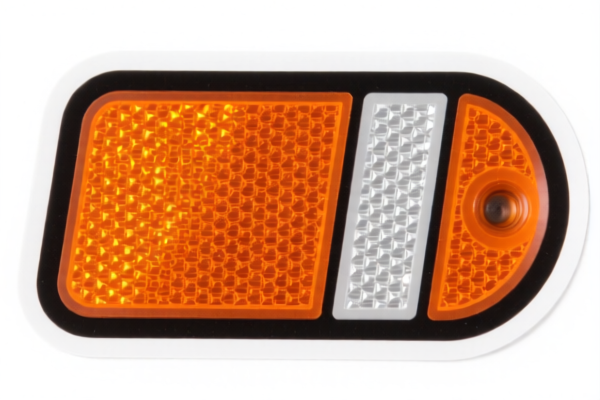
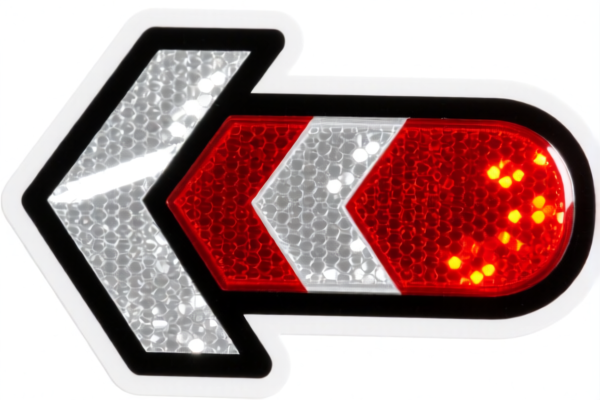


AI分析
🚧 Reflective Road Sticker (Reflective Adhesive Sheet)
🌐 HS Code Reference & Customs Clearance Guide | 2026 Latest Tariff Analysis | Professional-Level Clearance Strategy
📌 I. Product Definition & Classification: What Exactly Is a "Reflective Road Sticker"?
Reflective road stickers (often referred to as reflective self-adhesive films or sheets) are critical safety components used in traffic management, vehicle markings, and industrial identification. They consist of a plastic substrate (PVC, PET, or polymer) coated with high-refractive-index glass beads or prismatic structures, backed by a pressure-sensitive adhesive.
In international trade, the classification depends heavily on material composition and manufacturing process: * Plastic Sheets/Films: If the primary characteristic is the plastic film itself, regardless of coating, it often falls under Chapter 39. * Textiles/Fabrics: If the substrate is a woven fabric impregnated with plastic, it falls under Chapter 59.
⚠️ Key Distinction Point:
- If the product is a plastic film/coating applied to plastic or general materials → Chapter 39 (Plastics).
- If the product is a fabric/textile that has been impregnated, coated, or covered with plastics → Chapter 59 (Textiles impregnated with plastics).
📦 II. HS Code Classification Details (2026 Latest Tariff Authority Comparison)
| HS Code | Product Description | Application Scenario | Material/Structure |
|---|---|---|---|
3919.90.50.10 |
Self-adhesive plates, sheets, film, foil, tape, and other flat shapes, of plastics: Other | General reflective stickers, PVC-based reflective tapes | ✅ Plastic Substrate (Self-adhesive) |
3919.10.10.10 |
Self-adhesive plates, sheets, film, foil, tape, and other flat shapes, of plastics: In rolls of a width not exceeding 20 cm | Narrow reflective strips, small reflective decals | ✅ Plastic Film/Substrate |
5903.10.20.90 |
Textiles impregnated, coated, covered or laminated with plastics: Of polyethylene, polypropylene or polyvinyl chloride | Reflective materials on textile/fabric backing | ✅ Textile Base + Plastic Coating |
5903.10.20.10 |
Textiles impregnated, coated, covered or laminated with plastics: Other functional coatings | Reflective materials where the fabric structure is dominant | ✅ Fabric Base + Plastic Functional Layer |
3921.11.00.00 |
Other plates, sheets, film, foil and strip, of plastics: Of polymers of ethylene | Reflective tapes made specifically from PE films | ✅ Polymer Film (PE) |
🔍 Important Reminder:
- If the sticker is primarily plastic (even if it has a reflective layer), it usually goes to Chapter 39 (3919or3921).
- If the sticker is primarily textile (fabric) with a plastic coating for reflectivity, it goes to Chapter 59 (5903).
- Do not mix up "Plastic Film" and "Fabric". The base material determines the chapter.
💰 III. 2026 Latest Tariff Rate Breakdown (Including Additional Taxes & Policy Surcharges)
✅ Applicable Country: United States (US)
✅ Country of Origin: China (CN)
✅ Effective Date: Including imports after 2025-11-10 (Note: Data reflects current known surcharges based on provided input)
🎯 1. 3919.90.50.10 —— Self-adhesive Plastic Plates (General Reflective Sticker)
| Item | Content |
|---|---|
| Base Duty Rate | 5.8% (ad valorem) |
| Section 301 Surcharge | +25.0% (U.S. Trade Law Section 301) |
| Section 122 Surcharge | +10.0% (Specific trade remedy/tariff clause) |
| Total Duty Rate | 40.8% |
| Tax Calculation | CIF Value × 40.8% |
| De Minimis Exemption | ❌ Not Available (deny_de_minimis) |
| Legal Basis Path | Section 301 → Section 122 → USITC:3919.90.50.10 |
📌 Explanation:
- Base 5.8%: Standard MFN duty for other self-adhesive plastic sheets.
- 301 Clause (25%): Standard tariff imposed on Chinese plastic products.
- Section 122 (10%): Additional levy under specific trade provisions.
- Total 40.8%: A significant cost burden. Importers must factor this into pricing.
🎯 2. 3919.10.10.10 —— Self-adhesive Plastic Rolls (<20cm Width)
| Item | Content |
|---|---|
| Base Duty Rate | 6.5% (ad valorem) |
| Section 301 Surcharge | +25.0% |
| Section 122 Surcharge | +10.0% |
| Total Duty Rate | 41.5% |
| Tax Calculation | CIF Value × 41.5% |
| De Minimis Exemption | ❌ Not Available |
| Legal Basis Path | Section 301 → Section 122 → USITC:3919.10.10.10 |
📌 Note:
- Slightly higher total rate than3919.90.50.10due to a higher base duty (6.5% vs 5.8%).
- Applies to narrow reflective tapes (e.g., for bicycle reflectors, small vehicle markings).
🎯 3. 5903.10.20.90 & 5903.10.20.10 —— Textiles Impregnated/Coated with Plastics (Reflective Fabric)
| Item | Content |
|---|---|
| Base Duty Rate | 0.0% (ad valorem) |
| Section 301 Surcharge | +25.0% |
| Section 122 Surcharge | +10.0% |
| Total Duty Rate | 35.0% |
| Tax Calculation | CIF Value × 35.0% |
| De Minimis Exemption | ❌ Not Available |
| Legal Basis Path | Section 301 → Section 122 → USITC:5903.10.20.XX |
📌 Critical Advantage:
- Lower Total Rate (35.0%): Because the base duty is 0%, the total tax burden is 5.8% - 6.5% lower than plastic-based stickers.
- Condition: Must prove the product is textile-based (woven/non-woven fabric) impregnated with PVC/PE/PP.
- Usage: Reflective vests, traffic cones fabric covers, heavy-duty reflective tapes on fabric backing.
🎯 4. 3921.11.00.00 —— Plates/Sheets of Polymers of Ethylene
| Item | Content |
|---|---|
| Base Duty Rate | 5.3% (ad valorem) |
| Section 301 Surcharge | +25.0% |
| Section 122 Surcharge | +10.0% |
| Total Duty Rate | 40.3% |
| Tax Calculation | CIF Value × 40.3% |
| De Minimis Exemption | ❌ Not Available |
| Legal Basis Path | Section 301 → Section 122 → USITC:3921.11.00.00 |
📌 Note:
- Applies only if the reflective sheet is specifically made from Polyethylene (PE) polymers.
- Total rate is 40.3%, slightly lower than general plastic (3919) due to lower base duty (5.3%).
🛠️ IV. Customs Clearance Practical Advice (Real-World Pitfall Avoidance)
✅ 1. Preparation Checklist (All Required)
| Document | Required? | Explanation |
|---|---|---|
| ✅ Product Specification Sheet | ✔️ | Must detail: Base material (Plastic vs. Fabric), Coating type, Reflectivity class (Class 1/2/3), Adhesive type. |
| ✅ Product Photos | ✔️ | Clear images showing the cross-section (to prove base material) and reflective surface. |
| ✅ Commercial Invoice | ✔️ | Must explicitly state: "Reflective Self-Adhesive Sheet, Material: PVC/PET/Fabric". Avoid vague terms like "Sticker". |
| ✅ Packing List | ✔️ | Detail rolls, sheets, or cut pieces. |
| ✅ Certificate of Origin (CO) | ✔️ | Proof of Chinese origin triggers the surcharges. |
| ✅ Test Report | ✔️ | Reflectivity performance test (retroreflective coefficient) helps justify use and classification. |
✅ 2. Declaration Tips (Key Mantra)
🔥 “Base Material Defines Chapter, Fabric Saves 5%, Plastic Costs 40%+!”
| Scenario | Correct HS Code | Wrong Action | Consequence |
|---|---|---|---|
| Reflective Tape on Plastic Film | 3919.90.50.10 or 3921.11.00.00 |
Classify as Fabric (5903) |
Audit Failure → Fine + Back Duties + Potential Fraud Charges |
| Reflective Material on Fabric | 5903.10.20.90 or 5903.10.20.10 |
Classify as Plastic (3919) |
Overpay Tax → Lose 5.8%-6.5% competitive edge |
| Narrow Strips (<20cm) | 3919.10.10.10 |
Classify as Wide Sheets | Slightly higher duty (6.5% base) |
| Reflective Vest (Garment) | 6101/6202 (Not in Data) |
Classify as Material | Major Error → Different Chapter Entirely |
✅ 3. Special Handling Cases
| Case | Handling Advice |
|---|---|
| Mixed Materials (Plastic + Fabric) | If >50% value or essential character is fabric, argue for 5903. If plastic dominates, use 3919. Provide BOM (Bill of Materials). |
| Self-Adhesive vs. Heat-Activated | Self-adhesive clearly falls under 3919 or 5903. Heat-activated might be different. Clarify in specs. |
| High-Visibility Safety Gear | If it's a finished garment (vest), it's Chapter 61/62. If it's a raw sticker/sheet, it's 39/59. Do not confuse finished goods with raw materials. |
| Section 122 Application | Ensure your broker checks if Section 122 applies to your specific manufacturer/exporter list, as some entities may be exempt or targeted. |
🌍 V. Global Market Clearance Comparison (2026 Update)
| Country/Region | Recommended HS Code (Reflective Sticker) | Base Duty | Surcharges (China) | Total Effective Rate | Remarks |
|---|---|---|---|---|---|
| 🇺🇸 USA | 5903.10.20.90 (Fabric) or 3919.90.50.10 (Plastic) |
0% / 5.8% | +35% (301+122) | 35.0% / 40.8% | Fabric is cheaper. |
| 🇨🇳 China (Export) | N/A | N/A | N/A | 0% (Export Duty Free) | Check destination rules. |
| 🇪🇺 EU | 3919.90 or 5903.10 |
6.5% / 0% | None (Generally) | 6.5% / 0% | No Section 301/122 equivalents. Much cheaper! |
| 🇬🇧 UK | Similar to EU | 6.5% / 0% | None | 6.5% / 0% | Post-Brexit, no US-style surcharges. |
| 🇨🇦 Canada | 3919.90 |
5% | None (USMCA if Canadian) | 5% (if CN origin, MFN) | MFN duty is low, no 301. |
📌 Conclusion:
- USA is the most expensive market due to Section 301 and 122 tariffs.
- EU/UK/Canada are significantly cheaper for Chinese-origin reflective stickers.
- Strategy: If exporting to the US, try to classify as Fabric (5903) to save ~6% in total tax, or consider supply chain diversification to avoid surcharges if volumes are high.
📌 VI. Common Errors & Pitfalls (Lessons Learned)
❌ Error 1: Calling it "Reflective Sticker" without specifying material.
👉 Result: Customs may default to the highest duty rate or reject the entry.
✅ Fix: Always specify "Reflective Self-Adhesive Sheet, PVC/PET/Fabric Base".
❌ Error 2: Misclassifying Fabric-based reflective tape as Plastic.
👉 Result: Paying 40.8% instead of 35.0%. Unnecessary cost.
✅ Fix: Provide fabric samples or weave diagrams to prove textile base.
❌ Error 3: Ignoring Section 122.
👉 Result: Underpayment of duties, leading to penalties and audits.
✅ Fix: Always check if your specific HS code is subject to Section 122 (10%).
❌ Error 4: Using "De Minimis" for small shipments.
👉 Result: Denied. Reflective materials from China are explicitly not eligible for $800 de minimis exemption.
✅ Fix: Pay duties upfront, even for small batches.
🎯 VII. Conclusion: Precise Classification, Cost Optimization!
🎯 Remember the Mantra:
🔹 "Fabric saves 6%, Plastic costs 40%!"
🔹 "Section 122 is 10%, don't skip it!"
🔹 "No De Minimis for Chinese Reflective Stickers!"
📌 Pro Tip:
If you are importing large volumes, consider:
1. Pre-Submission Ruling: Submit samples and specs to US Customs for an official HS Code determination.
2. Supplier Audit: Confirm if your supplier is on any restricted entity lists that might trigger higher scrutiny under Section 122.
3. Material Optimization: Can your product be made on a fabric backing instead of plastic? It might save you 5.8% - 6.5% in total landed cost.
📣 Take Action Now:
📞 Contact your customs broker with the exact material composition (Plastic vs. Fabric).
📋 Prepare your BOM (Bill of Materials) and product photos.
🚀 Classify correctly, clear smoothly, and protect your margins!
✨ Professional Customs Clearance Starts with Accurate Classification!
💼 Every Percent of Tax Savings Counts!
用户评价
关于 HS 编码归类
协调制度(HS)是由世界海关组织(WCO)制定的国际贸易商品分类标准。全球 200 多个国家采用 HS 系统作为海关关税、贸易统计和进出口监管的基础。
每个 HS 编码遵循以下层级结构:
- 章(2 位)——商品大类(例如:第 84 章:机器和机械设备)
- 品目(4 位)——章内的更具体分类
- 子目(6 位)——国际通用细分,所有 WCO 成员国统一使用
- 本国细分(8-10 位)——各国自行扩展的细分编码,如美国 HTSUS 10 位编码
正确的 HS 编码归类对于顺利通关、准确缴纳关税和遵守贸易法规至关重要。错误归类可能导致海关延误、多缴关税或罚款。
从CN进口到US时,适用的关税税率可能包括:
- 最惠国(MFN)税率——适用于 WTO 成员国的标准关税税率
- 普通税率——适用于无贸易协定国家
- 贸易救济关税——附加关税,如 301 条款(反倾销)、232 条款(国家安全)或反补贴税
本页内容仅供参考。如需正式归类,请咨询当地海关或持牌报关代理。