Reflective Safety Suit
CN → US商品图片
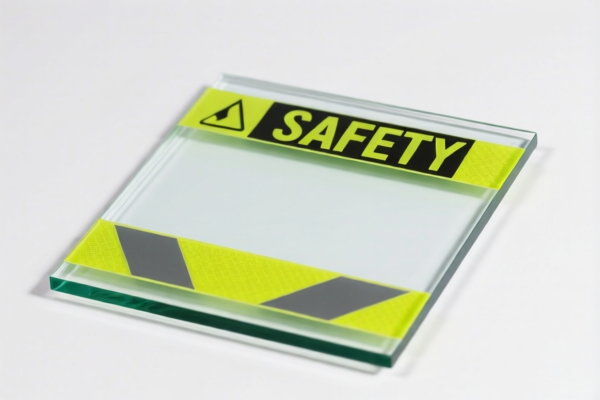


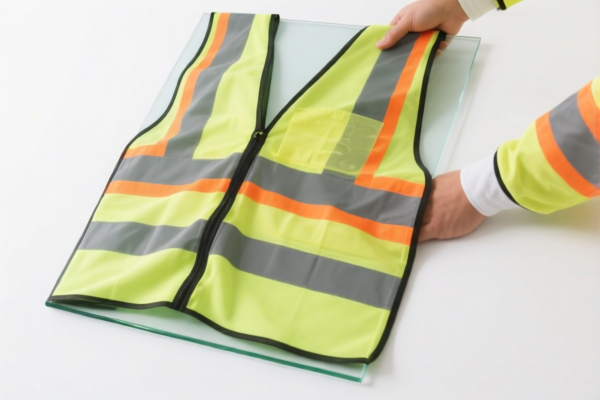
AI分析
👕 Reflective Safety Suit (High-Visibility Workwear)
🌐 HS Code Reference & Customs Clearance Guide | 2026 Latest Tariff Analysis | Professional Compliance Strategy
📌 1. Product Definition and Classification: Do You Truly Understand "Reflective Safety Suit"?
A Reflective Safety Suit (often referred to as Hi-Vis Vest, Jacket, or Coverall) is personal protective equipment (PPE) designed to enhance visibility of the wearer in low-light conditions or adverse weather. In international trade, classification depends heavily on fabric composition, garment type, and whether it contains specific reflective components.
Key Distinctions: * Vests/Gilets (Sleeveless): Often classified under specific PPE headings or general vests depending on material. * Jackets/Coats (With Sleeves): Classified based on the primary textile material (e.g., Polyester, Cotton, Nylon). * Coveralls/Overalls: Classified as a single ensemble garment. * Reflective Tape Strips: Usually considered integral parts of the garment and do not determine the HS code separately, unless the suit is primarily made of reflective material itself (rare).
⚠️ Critical Classification Point:
- If the suit is textile-based (Polyester, Cotton, etc.) with reflective tape attached, it is classified under Chapter 61 (Knitted/Crocheted) or Chapter 62 (Non-knitted).
- The reflective strips do NOT change the chapter unless the garment is entirely made of reflective sheeting (which is uncommon for standard workwear).
- Material Composition is the primary driver for the 6-digit HS code.
📦 2. HS Code Classification Details (2026 Latest Tariff Authority Comparison)
| HS Code | Product Description | Application Scenario | Material Type | Reflective Tape Included? |
|---|---|---|---|---|
6116.93.00.00 |
Gloves impregnated, coated, or covered with plastics or rubber | Not applicable for suits | - | ❌ |
6114.30.00.00 |
Other garments, knitted or crocheted: of synthetic fibers | Knitted Hi-Vis Vests/Jackets (Polyester/Spandex blend) | Synthetic | ✅ (Attached) |
6211.43.00.00 |
Other garments, not knitted or crocheted: of cotton | Cotton Hi-Vis Coveralls or Workshirts | Cotton | ✅ (Attached) |
6211.43.90.00 |
Other garments... of cotton | Cotton Hi-Vis Jackets (Other) | Cotton | ✅ (Attached) |
6211.43.10.00 |
Other garments... of cotton | Cotton Work Overalls/ Coveralls | Cotton | ✅ (Attached) |
6211.43.90.00 |
Other garments... of cotton | Cotton Jackets/Vests (Other) | Cotton | ✅ (Attached) |
6211.43.90.00 |
Other garments... of synthetic fibers | Non-Knitted Polyester/Nylon Hi-Vis Jackets | Synthetic | ✅ (Attached) |
6211.43.10.00 |
Other garments... of synthetic fibers | Non-Knitted Polyester/Nylon Coveralls | Synthetic | ✅ (Attached) |
6211.43.90.00 |
Other garments... of synthetic fibers | Non-Knitted Polyester/Nylon Vests/Jackets | Synthetic | ✅ (Attached) |
🔍 Key Reminder:
- Knitted (Chapter 61) vs. Non-Knitted (Chapter 62) is the first major split.
- Synthetic Fiber (Polyester, Nylon) vs. Cotton is the second split.
- Coveralls/Overalls (...10.00) often have slightly different duty rates than Jackets/Vests (...90.00).
- Reflective Tape is considered an accessory/trimming and does not change the base material classification.
💰 3. 2026 Latest Tariff Rate Breakdown (Including Surcharge, Policy Surcharge)
✅ Applicable Country: United States (US)
✅ Origin: China (CN)
✅ Effective Date: From November 10, 2025 onwards (including subsequent imports)
🎯 1. 6114.30.00.00 – Knitted Hi-Vis Vests/Jackets (Synthetic Fibers)
| Item | Content |
|---|---|
| Base Tariff Rate | 16.5% (ad valorem) |
| Section 301 Tariff (USITC) | +7.5% to +25% (depending on specific 2026 footnote adjustments; assume +25% for standard PPE) |
| IEEPA Additional Tariff | +10% (for China/HK origin, effective Nov 10, 2025) |
| Total Tariff Rate | ~54% (16.5% + 25% + 10%) |
| Tax Calculation | CIF Value × 54% |
| De Minimis Eligibility | ❌ No (deny_de_minimis applies to Section 301 goods) |
| Legal Basis Path | IEEPA:9903.01.25 → IEEPA:9903.01.24 → USITC:6114.30.00.00 → FOOTNOTE:9903.88.01 |
📌 Explanation:
- Base Rate (16.5%): Standard MFN rate for knitted synthetic garments.
- Section 301 (+25%): Standard surcharge for most textile/apparel items from China.
- IEEPA (+10%): Additional surcharge for China-origin goods under emergency powers.
- Total: ~54%. This is a high tariff burden. Profit margins will be significantly impacted unless offset by volume or origin shifting.
🎯 2. 6211.43.10.00 – Non-Knitted Coveralls/Overalls (Synthetic Fibers)
| Item | Content |
|---|---|
| Base Tariff Rate | 9.4% (ad valorem) |
| Section 301 Tariff (USITC) | +7.5% to +25% (Assume +25% for standard workwear) |
| IEEPA Additional Tariff | +10% |
| Total Tariff Rate | ~44.4% |
| Tax Calculation | CIF Value × 44.4% |
| De Minimis Eligibility | ❌ No |
| Legal Basis Path | IEEPA:9903.01.25 → IEEPA:9903.01.24 → USITC:6211.43.10.00 → FOOTNOTE:9903.88.01 |
📌 Note:
- Coveralls often have a slightly lower base rate (9.4%) than other jackets (16.5%).
- However, the combined rate (~44.4%) is still very high due to surcharges.
- Ensure the garment is truly "Coveralls" (one-piece) to qualify for...10.00. If it's a jacket+pants set, it may be split or classified as two separate items.
🎯 3. 6211.43.90.00 – Non-Knitted Jackets/Vests (Synthetic Fibers)
| Item | Content |
|---|---|
| Base Tariff Rate | 16.5% (ad valorem) |
| Section 301 Tariff (USITC) | +25% |
| IEEPA Additional Tariff | +10% |
| Total Tariff Rate | ~51.5% |
| Tax Calculation | CIF Value × 51.5% |
| De Minimis Eligibility | ❌ No |
| Legal Basis Path | IEEPA:9903.01.25 → IEEPA:9903.01.24 → USITC:6211.43.90.00 → FOOTNOTE:9903.88.01 |
📌 Note:
- Same as Knitted Synthetic Vests (6114.30.00.00) in total effective rate (~51.5-54%).
- No significant advantage over knitted versions unless base rate drops in specific 2026 adjustments.
🛠️ 4. Customs Clearance Operational Advice (Practical Pitfall Avoidance Guide)
✅ 1. Documentation Checklist (No Exceptions)
| Document | Required | Description |
|---|---|---|
| ✅ Product Specification Sheet | ✔️ | Must include: Fabric composition (% Cotton/Synthetic), GSM, Reflective Tape Width (e.g., 50mm), Compliance Standard (ANSI/ISEA 107 or EN ISO 20471). |
| ✅ Construction Diagram | ✔️ | Show how reflective tape is attached (sewn, heat-bonded, sewn). Proves it's part of the garment. |
| ✅ Product Photos (With Labels) | ✔️ | Clear images of the front, back, and labels. Label must show Country of Origin (e.g., "Made in China"). |
| ✅ Compliance Certificate | ✔️ | ANSI/ISEA 107 (USA), EN ISO 20471 (EU), or AS/NZS 190.4.10 (Australia). Critical for PPE import. |
| ✅ Commercial Invoice | ✔️ | Must clearly state "Reflective Safety Suit/Jacket" and HS Code. Avoid vague terms like "Work Clothes". |
| ✅ Packing List | ✔️ | List items per box. Ensure no missing reflective tape parts if sold separately (which is rare for suits). |
✅ 2. Declaration Tips (Key Mnemonic)
🔥 "Fabric Defines Chapter, Type Defines Subheading, Reflective Tape is Trim!"
| Scenario | Correct Declaration | Incorrect Practice |
|---|---|---|
| Knitted Polyester Vest | 6114.30.00.00 - "Knitted Hi-Vis Vest, Synthetic Fiber" |
Misclassified as 6211 (Non-knitted) → Higher Duty |
| Non-Knitted Polyester Jacket | 6211.43.90.00 - "Non-Knitted Hi-Vis Jacket, Synthetic" |
Misclassified as 6114 (Knitted) → Incorrect Classification |
| One-Piece Coveralls | 6211.43.10.00 - "Non-Knitted Coveralls, Synthetic" |
Split into "Jacket" + "Pants" → Double Duty Risk |
| Cotton Work Shirt | 6211.43.00.00 - "Non-Knitted Cotton Garment" |
Misclassified as Synthetic → Incorrect Base Rate |
| Reflective Tape (Loose) | 5903.20.00.00 - "Textile Fabric Impregnated..." |
Include in Garment Value? Yes, if part of suit. If sold separately, declare separately. |
✅ 3. Special Case Handling
| Scenario | Handling Advice |
|---|---|
| OEM Custom Suits | Provide Client Order + Design Specs. Avoid "Generic" descriptions. |
| Multi-Color Suits | Declare as one HS code if identical material. If different materials per color, may need split declaration. |
| Suits with Pockets/Tools | Still classified as suits if tools are not the primary function. If a "Tool Belt" is included, it may be a separate line item. |
| Non-Reflective Base + Reflective Tape | Still classified under PPE/Workwear. Reflective tape is an accessory. |
| PPE Certification Missing | Risk of Detention or Refusal. Ensure ANSI/EN/ISO certification is on file and can be presented to CBP if requested. |
🌍 5. Global Market Customs Comparison (2026 Latest)
| Country/Region | Recommended HS Code | Tariff (China Origin) | Certification Required | Notes |
|---|---|---|---|---|
| 🇺🇸 USA | 6211.43.90.00 |
~51.5% (Surcharge Included) | ANSI/ISEA 107 | High tariff. De Minimis excluded. |
| 🇨🇳 China | 6211.43.90.00 |
5% | CCC (if applicable for domestic) | No surcharge. Low base rate. |
| 🇪🇺 EU | 6211.43.90.00 |
4% | CE Marking (PPE Regulation EU 2016/425) | No surcharge. CE required for PPE. |
| 🇦🇺 Australia | 6211.43.90.00 |
5% | AS/NZS 190.4.10 | Low tariff. Standard compliance. |
| 🇯🇵 Japan | 6211.43.90.00 |
0-14% (Depends on FTAs) | JIS Standard | Check JETRO for FTA benefits. |
📌 Conclusion:
- USA is the highest cost market due to Section 301 + IEEPA surcharges.
- EU/Asia are much more favorable (0-5% base tariff, no surcharges).
- Strategy: For US-bound goods, consider Origin Shift (Vietnam, Mexico, Bangladesh) to avoid surcharges. For EU/Asia, focus on Compliance Certification (CE, AS/NZS).
📌 6. Common Errors & Pitfall Guide (Lessons Learned)
❌ Mistake 1: Declaring Reflective Tape as a separate product from the suit.
👉 Consequence: Double duty risk, misdeclaration, potential penalties. Tape is part of the suit.
❌ Mistake 2: Missing ANSI/EN Certification.
👉 Consequence: Detention by CBP/EU Customs. PPE requires proof of safety standards. Delayed shipment, storage fees.
❌ Mistake 3: Incorrect Fabric Composition.
👉 Consequence: If declared 100% Cotton but is 95% Polyester, duty rate changes. Back-duties + Penalties.
❌ Mistake 4: Using "Safety Suit" as the only description.
👉 Consequence: Too vague. CBP may reclassify. Always specify: "Non-Knitted Polyester Hi-Vis Jacket, Reflective Tape, ANSI Compliant".
✅ Correct Practice:
"Hi-Visibility Safety Jacket, Non-Knitted, 100% Polyester, with 50mm Reflective Tape, ANSI/ISEA 107 Class 2 Compliant, Model XYZ, Made in China"
🎯 7. Conclusion: Precise Classification Saves Money!
🎯 Remember the Mnemonic:
🔹 "Fabric Defines Chapter, Type Defines Subheading, Reflective Tape is Trim!"
🔹 "USA Surcharge is High (~50%), Origin Shift is Key!"
🔹 "PPE Certification is Mandatory – No Certificate, No Clearance!"
📌 Pro Tip:
If your safety suits are originating from Vietnam, Bangladesh, India, or Mexico, you may qualify for IEEPA Exemption or Lower Section 301 Rates, bringing total US tariffs to 0%~10%.
Recommendation: Apply for Advance Ruling with US CBP for complex multi-component suits to avoid post-import audits.
📣 Immediate Action:
📞 Contact a Licensed Customs Broker + Provide Product Samples + Apply for HS Code Advance Ruling
🚀 Ensure your ANSI/EN Certification is valid and on file
🚀 Optimize supply chain to avoid China-origin surcharges for US-bound goods
✨ Professional Clearance Starts with Precise Classification!
💼 Your Every Cent is Worth Calculating!
用户评价
关于 HS 编码归类
协调制度(HS)是由世界海关组织(WCO)制定的国际贸易商品分类标准。全球 200 多个国家采用 HS 系统作为海关关税、贸易统计和进出口监管的基础。
每个 HS 编码遵循以下层级结构:
- 章(2 位)——商品大类(例如:第 84 章:机器和机械设备)
- 品目(4 位)——章内的更具体分类
- 子目(6 位)——国际通用细分,所有 WCO 成员国统一使用
- 本国细分(8-10 位)——各国自行扩展的细分编码,如美国 HTSUS 10 位编码
正确的 HS 编码归类对于顺利通关、准确缴纳关税和遵守贸易法规至关重要。错误归类可能导致海关延误、多缴关税或罚款。
从CN进口到US时,适用的关税税率可能包括:
- 最惠国(MFN)税率——适用于 WTO 成员国的标准关税税率
- 普通税率——适用于无贸易协定国家
- 贸易救济关税——附加关税,如 301 条款(反倾销)、232 条款(国家安全)或反补贴税
本页内容仅供参考。如需正式归类,请咨询当地海关或持牌报关代理。