Refractory Mud High Alumina
CN → US| HS编码 | 关税税率 | 原产国 | 目的国 | 文档 |
|---|---|---|---|---|
| 2530908050 | 10.0% | CN | US | 官方文档 |
| 2530908015 | 10.0% | CN | US | 官方文档 |
| 6902201020 | 35.0% | CN | US | 官方文档 |
| 6815994170 | 35.0% | CN | US | 官方文档 |
| 6903200000 | 35.0% | CN | US | 官方文档 |
商品图片
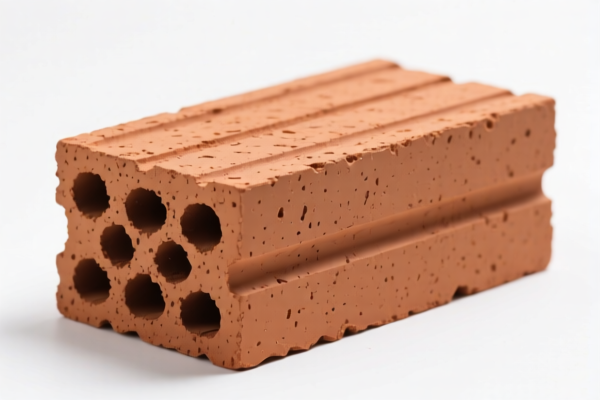
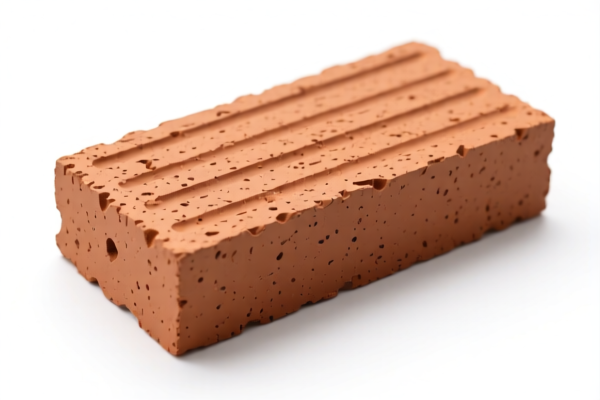
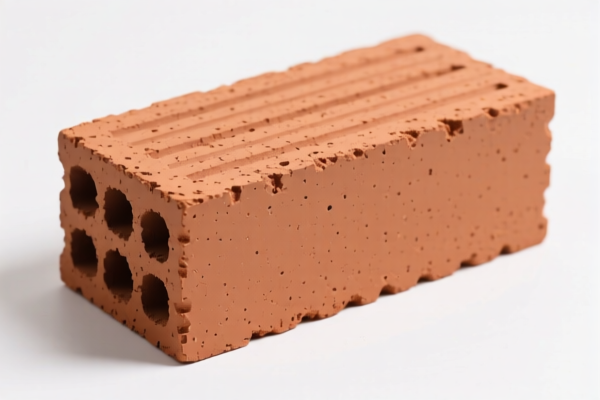
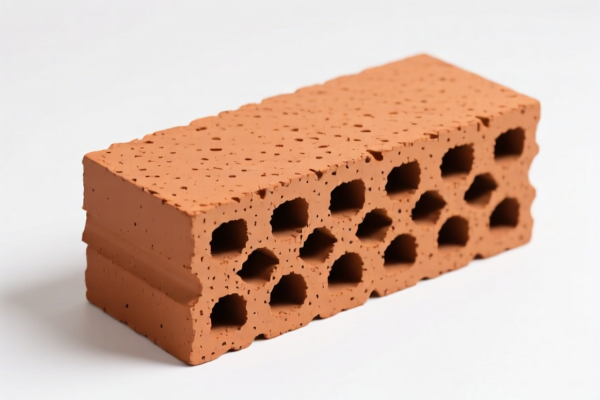
AI分析
🔥 High Alumina Refractory Mud (Refractory Cement & Mortar)
🌐 HS Code Reference & Customs Clearance Guide | 2024/2025 Latest Tariff Analysis | Professional Compliance Strategy
📌 1. Product Definition & Classification: Do You Truly Understand "High Alumina Refractory Mud"?
High Alumina Refractory Mud (also known as High Alumina Refractory Cement or Mortar) is a key material used in the construction and repair of high-temperature industrial furnaces, kilns, and boilers. It acts as a bonding agent for refractory bricks.
In international trade, it is classified based on its chemical composition (alumina content) and physical form (powder vs. pre-mixed mortar). Misclassification often leads to significant tariff discrepancies due to the complex layering of US trade remedies (Section 301 and Section 232/IEEPA).
⚠️ Key Distinction:
- Raw Mineral Materials: If the product is primarily an unprocessed mineral powder containing alumina, it may fall under Chapter 25 (Miscellaneous Stone, Plaster, Lime & Cement).
- Finished Refractory Products: If the product is processed into a specific mortar/cement with defined chemical properties (e.g., high Al₂O₃ content), it often falls under Chapter 68 (Articles of Stone or Similar Mineral Substances) or Chapter 69 (Ceramic Products).
📦 2. HS Code Classification Details (Based on Provided Data)
| HS Code | Product Description | Summary/Logic | Total Tax Rate (China Origin) |
|---|---|---|---|
2530.90.80.50 |
Other Mineral Products (Unnamed Minerals) | Classified as a mineral substance containing alumina-rich raw materials (like bauxite). Considered "Other" unnamed minerals. | 10.0% |
2530.90.80.15 |
Other Mineral Substances | Classified as a mineral/inorganic compound containing aluminum oxides. Fits the definition of "Other Mineral Substances." | 10.0% |
6902.20.10.20 |
Refractory Brick & Block (Other) | Classified as a refractory material with high alumina content (high Al₂O₃). Fits under "Other" refractory ceramic products. | 35.0% |
6815.99.41.70 |
Articles of Stone or Other Mineral Substances | Classified as a mineral article/制品. Fits the definition of manufactured stone or mineral articles. | 35.0% |
6903.20.00.00 |
Refractory Ceramic Goods of Other Materials | Classified because it contains >50% Alumina. Treated as a refractory ceramic intermediate or raw material form. | 35.0% |
🔍 Critical Insight:
- Chapter 25 (HS 2530) items are taxed at 10%. These are viewed more as raw mineral inputs.
- Chapter 68/69 (HS 6902, 6815, 6903) items are taxed at 35%. These are viewed as processed refractory products or ceramics.
- Risk: The difference between 10% and 35% is massive. Customs may reclassify based on processing level.
💰 3. 2024/2025 Latest Tariff Rate Breakdown (US Imports from China)
✅ Applicable Country: United States (US)
✅ Origin: China (CN)
✅ Effective Time: Current ongoing trade measures
🎯 1. HS Code 2530.90.80.50 & 2530.90.80.15 —— Mineral Products
| Item | Detail |
|---|---|
| Base Tariff | 0.0% (ad valorem) |
| Section 301 Additional Tariff | 0.0% (Note: Some 2530 items may be exempt or lower, but data specifies 0% base + 10% IEEPA) |
| IEEPA Tariff (122 Clause) | +10.0% |
| Total Effective Rate | 10.0% |
| Calculation | CIF Value × 10% |
| De Minimis Exemption | ❌ Not Eligible (Section 321 de minimis does not apply to Section 301/IEEPA goods from China) |
| Legal Basis | IEEPA:9903.01.24 (10% on specific mineral/manufactured goods) |
📌 Explanation:
- The 10% is driven by the IEEPA (International Emergency Economic Powers Act) provisions, often referred to as the "122 Clause" in trade circles, targeting specific Chinese mineral and industrial inputs.
- Base tariff is 0%, but the additional IEEPA surcharge makes it 10%.
🎯 2. HS Code 6902.20.10.20, 6815.99.41.70, 6903.20.00.00 —— Refractory & Ceramic Products
| Item | Detail |
|---|---|
| Base Tariff | 0.0% (Base rate for these specific subheadings is often 0% or low, but see below) |
| Section 301 Additional Tariff | +25.0% (Standard USITC Section 301 rate for Chapter 68/69 goods from China) |
| IEEPA Tariff (122 Clause) | +10.0% |
| Total Effective Rate | 35.0% |
| Calculation | CIF Value × 35% |
| De Minimis Exemption | ❌ Not Eligible |
| Legal Basis | USITC:301 (25%) + IEEPA:9903.01.24 (10%) |
📌 Explanation:
- 25% comes from USITC Section 301 tariffs, which target processed industrial goods, including refractory ceramics and stone articles.
- 10% comes from IEEPA measures.
- Total 35% is a high barrier. Many importers try to push classification toward Chapter 25 (10%) to save costs, but this requires strong technical justification.
🛠️ 4. Customs Clearance Practical Advice (Avoiding Pitfalls)
✅ 1. Preparation Checklist (Essential Documents)
| Document | Required? | Purpose |
|---|---|---|
| Technical Data Sheet (TDS) | ✔️ | Must specify Alumina (Al₂O₃) content % and Chemical Formula. Crucial for distinguishing between Ch. 25 and Ch. 68/69. |
| Material Safety Data Sheet (MSDS) | ✔️ | For safety handling and customs hazard classification. |
| Commercial Invoice | ✔️ | Must clearly state "High Alumina Refractory Mud" or "Refractory Cement" and HS Code. |
| Packing List | ✔️ | Net/Gross weight, dimensions. |
| Certificate of Origin (CO) | ✔️ | Required to prove Chinese origin (triggers tariffs). |
| Product Photos | ✔️ | Show packaging, labeling, and product state (powder vs. bagged). |
✅ 2. Classification Strategy (Key Debate)
| Scenario | Recommended HS Code | Why? | Risk Level |
|---|---|---|---|
| High Al₂O₃ (>50%) Processed Powder | Try 2530.90.80.50 |
Argue it is a "mineral substance" rather than a "ceramic." | ⚠️ Medium-High Customs may reject and reclassify to 6902/6815. |
| Pre-mixed Mortar with Binders | 6902.20.10.20 or 6903.20.00.00 |
Clearly a finished refractory product. Harder to argue as raw mineral. | ✅ Low Safe but costly (35%). |
| Raw Bauxite Powder (Unprocessed) | 2530.90.80.15 |
If it is essentially crushed bauxite/mineral with minimal processing. | ✅ Low Low risk, low tax. |
📌 Pro Tip:
- If you classify under Chapter 25 (10%), ensure your product description emphasizes "Mineral Substance" and "Raw Material" status. Avoid words like "Refractory Cement" or "Finished Mortar" in the clear text description if possible, unless technically accurate.
- If classified under Chapter 68/69 (35%), it is definitively a processed refractory product.
✅ 3. Common Errors & Penalties
❌ Error 1: Using "Refractory Cement" but classifying under 2530.90.80.50
👉 Consequence: Customs may view "Cement" as processed, forcing a reclassification to 6815.99.41.70 (35%). Result: 25% back-tax + penalties.
❌ Error 2: Ignoring the IEEPA 10% surcharge
👉 Consequence: Even if base tariff is 0%, failing to pay the 10% IEEPA fee leads to seizure or delayed clearance.
❌ Error 3: Declaring as "Building Material" generally
👉 Consequence: Vague descriptions lead to random inspection, increasing storage fees and detention costs.
✅ Correct Approach:
"High Alumina Refractory Mortar, Al₂O₃ > 50%, for Industrial Furnace Lining, HS 2530.90.80.50 (if arguable) or 6902.20.10.20 (standard)."
Ensure the Technical Data Sheet supports the chosen HS Code.
🌍 5. Global Market Comparison (Brief)
| Market | Typical HS Code | Est. Tariff (China Origin) | Notes |
|---|---|---|---|
| 🇺🇸 USA | 2530.90.80.50 / 6902.20.10.20 |
10% (Mineral) / 35% (Refractory) | High trade barriers. IEEPA + Section 301 apply. |
| 🇨🇳 China (Import) | 2530.90.80.50 / 6902.20.10.20 |
0% - 3% | Low tariffs for raw materials. |
| 🇪🇺 EU | 2530.90.00 / 6902.20 |
0% - 3% | Generally lower duties, but strict REACH compliance needed. |
📌 Conclusion:
The US market is the most challenging due to the 35% total tariff for refined refractory products.
For exporters, optimizing the supply chain or arguing for Chapter 25 classification (if technically valid) is critical for cost control.
📌 6. Final Recommendations
- Pre-Ruling Application:
- Consider applying for an US CBP Advance Ruling to confirm the HS Code. This provides legal certainty and avoids surprise duties.
- Technical Documentation:
- Maintain up-to-date Chemical Analysis Reports showing Alumina content. This is your best defense for Chapter 25 classification.
- Cost Calculation:
- Factor in the 35% tariff if classifying as refractory ceramic.
- Factor in 10% tariff if classifying as mineral.
- Example: On $100,000 CIF value, the difference is $25,000.
- Communication with Customs Broker:
- Provide the broker with the TDS and suggest the HS Code based on your technical profile. Do not leave it to chance.
📣 Immediate Action:
📞 Consult a Certified Customs Broker with experience in Industrial Minerals & Refractories.
📄 Prepare Technical Data Sheets highlighting Alumina content and processing level.
🚀 Secure the Lowest Applicable Tariff through precise classification and documentation!
✨ Precision Classification = Maximum Profitability
💼 Don't let tariff uncertainty drain your margins!
用户评价
关于 HS 编码归类
协调制度(HS)是由世界海关组织(WCO)制定的国际贸易商品分类标准。全球 200 多个国家采用 HS 系统作为海关关税、贸易统计和进出口监管的基础。
每个 HS 编码遵循以下层级结构:
- 章(2 位)——商品大类(例如:第 84 章:机器和机械设备)
- 品目(4 位)——章内的更具体分类
- 子目(6 位)——国际通用细分,所有 WCO 成员国统一使用
- 本国细分(8-10 位)——各国自行扩展的细分编码,如美国 HTSUS 10 位编码
正确的 HS 编码归类对于顺利通关、准确缴纳关税和遵守贸易法规至关重要。错误归类可能导致海关延误、多缴关税或罚款。
从CN进口到US时,适用的关税税率可能包括:
- 最惠国(MFN)税率——适用于 WTO 成员国的标准关税税率
- 普通税率——适用于无贸易协定国家
- 贸易救济关税——附加关税,如 301 条款(反倾销)、232 条款(国家安全)或反补贴税
本页内容仅供参考。如需正式归类,请咨询当地海关或持牌报关代理。