Refractory Repair Material (Wear resistant)
CN → US| HS编码 | 关税税率 | 原产国 | 目的国 | 文档 |
|---|---|---|---|---|
| 6902205020 | 35.0% | CN | US | 官方文档 |
| 3816002050 | 38.0% | CN | US | 官方文档 |
| 3816002010 | 38.0% | CN | US | 官方文档 |
| 6806900020 | 35.0% | CN | US | 官方文档 |
| 6902905020 | 35.0% | CN | US | 官方文档 |
商品图片
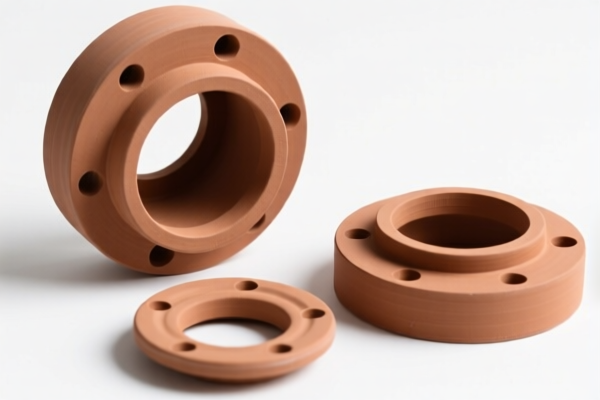
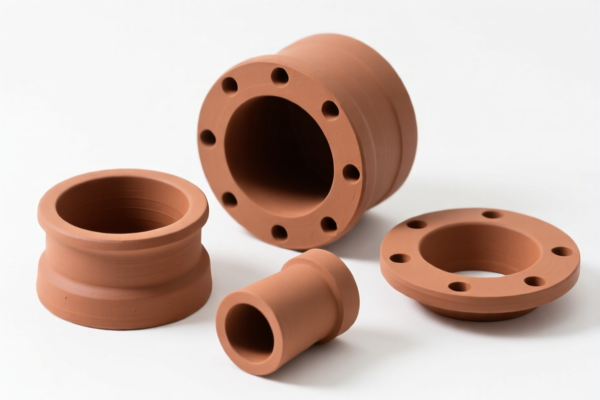
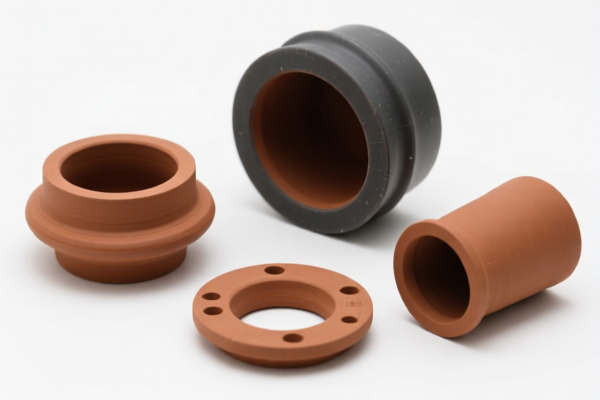
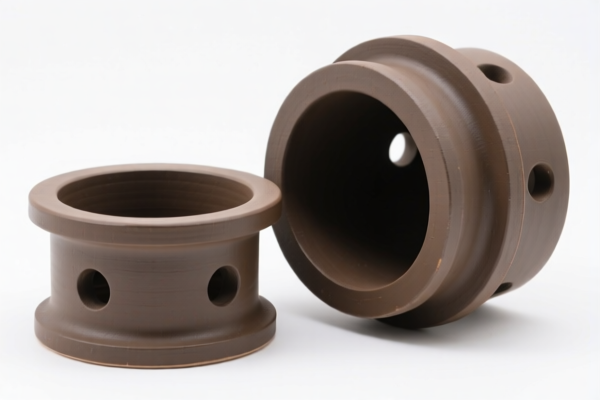
AI分析
🧱 Refractory Repair Material (Wear Resistant): The Ultimate HS Code & Tariff Breakdown
🌐 HS Code Reference & Clearance Guide | 2026 Customs Strategy | Professional Classification Analysis
📌 Part 1: Product Definition & Classification Logic – Is It Ceramic, Cement, or Stone?
Refractory Repair Materials (Wear Resistant) are specialized industrial compounds used to restore and protect furnace linings, kilns, and high-temperature industrial equipment. Unlike standard building materials, these materials are engineered for extreme thermal stability and abrasion resistance.
In international trade, classification depends on the primary composition and functional attribute:
- Ceramic-Based (Refractory Ceramics): High-alumina, silicon carbide, or zirconia-based mortars. Classified under Chapter 69.
- Chemical/Metal-Mixed (Refractory Cements): Hydraulic or non-hydraulic binders mixed with refractory aggregates. Classified under Chapter 38.
- Mineral-Based (Insulating/Refractory Minerals): Expanded perlite, vermiculite, or rock wool mixes. Classified under Chapter 68.
⚠️ Key Classification Point:
- If the material is essentially fired ceramic or acts like a refractory brick substitute → Chapter 69 (Ceramics)
- If it is a chemical mixture, binder, or prepared refractory cement → Chapter 38 (Chemical Products)
- If it is a loose mineral aggregate for insulation/fireproofing → Chapter 68 (Mineral Products)
📦 Part 2: Detailed HS Code Matrix (Based on Provided Data)
| HS Code | Product Description | Logic & Attribute | Tax Rate (Total) |
|---|---|---|---|
6902.20.50.20 |
Refractory Mortar, Wear-Resistant | Fits Refractory Ceramic Building Materials attributes | 35.0% |
3816.00.20.50 |
Refractory Mortar, Wear-Resistant | Fits Refractory Cement & Mortar category | 38.0% |
3816.00.20.10 |
Refractory Mortar | Fits Refractory Articles category | 38.0% |
6806.90.00.20 |
Refractory Mortar | Mineral Material, fits logic of Mineral Insulation/Refractory Materials | 35.0% |
6902.90.50.20 |
Refractory Mortar, Wear-Resistant | Refractory Ceramic Building Material, Other Category | 35.0% |
🔍 Critical Analysis:
- Two Main Tariff Pairs: You face either 35% (Ceramic/Mineral Chapter 68/69) or 38% (Chemical Chapter 38).
- Why the difference? Chapter 38 (3816) items often attract a higher Base Tariff (3.0%) compared to Chapter 68/69 items (0% Base), though the surcharges are similar.
- Wear Resistance: This is a functional claim. Customs looks at the composition to assign the code, not just the performance claim.
💰 Part 3: 2026 Latest Tariff Rate Breakdown (Detailed Tax Clauses)
✅ Applicable Country: United States (US)
✅ Origin: China (CN)
✅ Effective Date: Post-November 2025 Trade Policies
🎯 1. The "Ceramic & Mineral" Cluster (35% Total)
Codes: 6902.20.50.20, 6806.90.00.20, 6902.90.50.20
| Item | Content |
|---|---|
| Base Tariff | 0.0% (Ad Valorem) |
| Section 301 Surcharge | +25.0% (Additional Tariff) |
| Section 122 Tariff | +10.0% (Specific Chinese Import Surcharge) |
| Total Effective Rate | 35.0% |
| Tax Calculation | CIF Value × 35% |
| De Minimis Exemption | ❌ Denied |
| Legal Basis Path | USITC:6902.20.50.20 → Footnote:301 → IEEPA:122 |
📌 Explanation:
- These codes fall under Chapter 68 (Mineral Products) and Chapter 69 (Ceramic Products).
- They benefit from a 0% base tariff due to their status as industrial/raw materials.
- However, the 35% total burden is driven entirely by trade remedies (301 + 122).
🎯 2. The "Chemical & Refractory Cement" Cluster (38% Total)
Codes: 3816.00.20.50, 3816.00.20.10
| Item | Content |
|---|---|
| Base Tariff | 3.0% (Ad Valorem) |
| Section 301 Surcharge | +25.0% (Additional Tariff) |
| Section 122 Tariff | +10.0% (Specific Chinese Import Surcharge) |
| Total Effective Rate | 38.0% |
| Tax Calculation | CIF Value × 38% |
| De Minimis Exemption | ❌ Denied |
| Legal Basis Path | USITC:3816.00.20.50 → Footnote:301 → IEEPA:122 |
📌 Explanation:
- These codes fall under Chapter 38 (Miscellaneous Chemical Products).
- They have a higher base rate (3%) because they are classified as prepared chemical mixtures/binders.
- Result: Even with the same surcharges, these are 3% more expensive than the ceramic/mineral alternatives.
🛠️ Part 4: Clearance Practical Advice (Pitfall Avoidance Guide)
✅ 1. Documentation Checklist (Non-Negotiable)
| Document | Required? | Purpose |
|---|---|---|
| ✅ Technical Data Sheet (TDS) | ✔️ | Must list chemical composition (e.g., % Alumina, Silica, Binders) to prove if it's Ceramic (Ch 69) or Chemical (Ch 38). |
| ✅ Product Photos | ✔️ | Show texture (powder vs. brick-like) and packaging. |
| ✅ Commercial Invoice | ✔️ | Describe as "Refractory Repair Mortar, Wear Resistant" – Do NOT use vague terms like "Building Material." |
| ✅ Certificate of Analysis (COA) | ✔️ | Proves wear resistance and refractory index (PCE). |
| ✅ HS Code Pre-Ruling | ✔️ | Highly Recommended due to the 3% base rate difference between Ch 38 and Ch 68/69. |
✅ 2. Declaration Strategy (Critical Keywords)
🔥 “Composition Defines Code, Wear Resistance Justifies Value”
| Scenario | Recommended HS Code | Why? |
|---|---|---|
| High-Alumina/Silicon Carbide Mix | 6902.20.50.20 or 6902.90.50.20 |
It acts as a ceramic substitute. Lower base tariff (0%). |
| Portland Cement + Refractory Aggregate | 3816.00.20.50 |
It’s a prepared cement/mortar. Higher base tariff (3%). |
| Vermiculite/Perlite Mix | 6806.90.00.20 |
It’s a mineral insulation material. Lower base tariff (0%). |
| Generic "Refractory Putty" | 3816.00.20.10 |
Broad category for other refractory articles. Higher base tariff (3%). |
⚠️ Common Mistake:
Declaring a ceramic-based mortar under3816.00just because it comes in a bag.
👉 Consequence: You pay 38% instead of 35%.
✅ Fix: Provide chemical analysis proving it meets ceramic standards (Ch 69) to save 3%.
✅ 3. Special Considerations for "Wear Resistant" Claims
- Proof of Performance: Customs may request test reports (e.g., Taber Abrasion Test, Hot Wear Test) if they suspect the "wear-resistant" claim is false labeling for luxury goods.
- Packaging: If sold as a "Kit" (Mortar + Tools), the Mortar determines the classification. Do not split the shipment.
- Origin Labeling: Ensure the "Made in China" label is clear. Any ambiguity triggers stricter scrutiny under the 122 Tariff.
🌍 Part 5: Market & Cost Comparison (2026)
| Market | Recommended HS Code | Total Duty (China Origin) | Key Requirement |
|---|---|---|---|
| 🇺🇸 USA | 6902.20.50.20 / 3816.00.20.50 |
35% - 38% | IEEPA 122 Disclosure Required |
| 🇨🇳 China | 6902.20.50.20 / 3816.00.20.50 |
~10-13% (Local) | CCC Certification (if applicable) |
| 🇪🇺 EU | 6902.10 / 3824.70 |
0-4% (Standard) | REACH Compliance for Chemicals |
📌 Conclusion for US Importers:
- The 3% difference between Chapter 38 and 68/69 is significant on high-volume shipments.
- Strategy: If your product is high-alumina or silica-based, fight for Chapter 69 (6902.xx) to save 3% in base duty.
- If it is a cement-based binder, expect Chapter 38 (3816.xx) and budget for the higher base rate.
📌 Part 6: Common Errors & Pitfalls (Lessons Learned)
❌ Error 1: Using "Refractory Cement" for a Ceramic-Based Product
👉 Result: Misclassification → 38% instead of 35%.
✅ Fix: Use "Refractory Ceramic Mortar" in docs.
❌ Error 2: Ignoring the "122 Tariff"
👉 Result: Underpayment by 10% → Seizure & Penalties.
✅ Fix: Ensure IEEPA Section 122 is declared on the CBP Entry.
❌ Error 3: Vague Description "Industrial Paste"
👉 Result: Customs Inspection Delay → Missed delivery deadlines.
✅ Fix: Specify "Wear-Resistant Refractory Mortar for Kiln Lining."
🎯 Part 7: Final Recommendation
🎯 Action Plan:
1. Analyze Composition: Get your TDS. Is it >50% ceramic content? → Aim for 6902.
2. Calculate Savings:
- If CIF = $100,000:
- 6902 (35%) = $35,000 Duty
- 3816 (38%) = $38,000 Duty
- Savings: $3,000 per $100k shipment!
3. Pre-Clearance: Submit a Binding Ruling Request to CBP if shipment value is high.
📣 Immediate Action:
📞 Consult a Customs Broker with your TDS.
📄 Update Invoice Description to match the chosen HS Code logic.
🚀 Optimize Your Landed Cost by choosing the correct Chapter!
✨ Precision in Classification = Profit in Pocket
💼 Don't let a 3% error rate eat your margins!
用户评价
关于 HS 编码归类
协调制度(HS)是由世界海关组织(WCO)制定的国际贸易商品分类标准。全球 200 多个国家采用 HS 系统作为海关关税、贸易统计和进出口监管的基础。
每个 HS 编码遵循以下层级结构:
- 章(2 位)——商品大类(例如:第 84 章:机器和机械设备)
- 品目(4 位)——章内的更具体分类
- 子目(6 位)——国际通用细分,所有 WCO 成员国统一使用
- 本国细分(8-10 位)——各国自行扩展的细分编码,如美国 HTSUS 10 位编码
正确的 HS 编码归类对于顺利通关、准确缴纳关税和遵守贸易法规至关重要。错误归类可能导致海关延误、多缴关税或罚款。
从CN进口到US时,适用的关税税率可能包括:
- 最惠国(MFN)税率——适用于 WTO 成员国的标准关税税率
- 普通税率——适用于无贸易协定国家
- 贸易救济关税——附加关税,如 301 条款(反倾销)、232 条款(国家安全)或反补贴税
本页内容仅供参考。如需正式归类,请咨询当地海关或持牌报关代理。