Refractory Repair Material (Wear resistant)
CN → US| HS Code | Tariff Rate | Origin | Destination | Doc |
|---|---|---|---|---|
| 6902205020 | 35.0% | CN | US | Official Doc |
| 3816002050 | 38.0% | CN | US | Official Doc |
| 3816002010 | 38.0% | CN | US | Official Doc |
| 6806900020 | 35.0% | CN | US | Official Doc |
| 6902905020 | 35.0% | CN | US | Official Doc |
Product Images
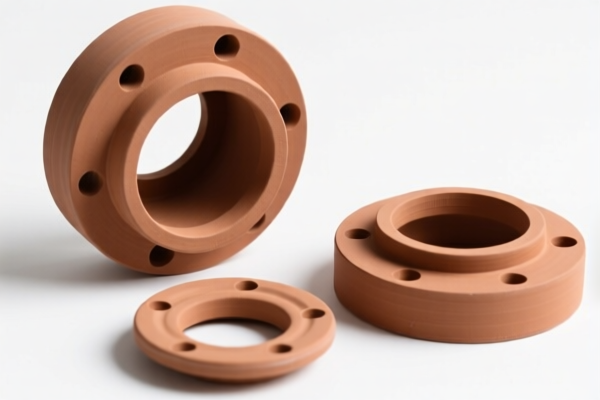
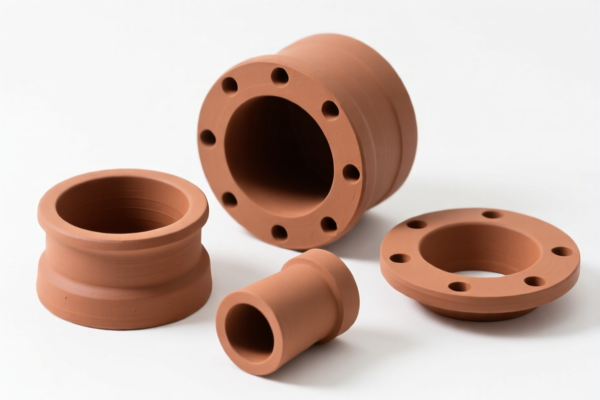
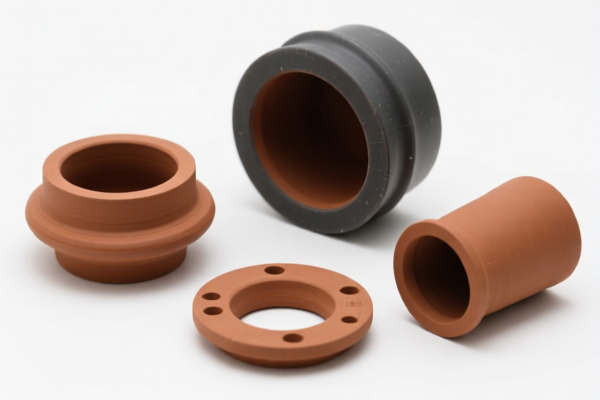
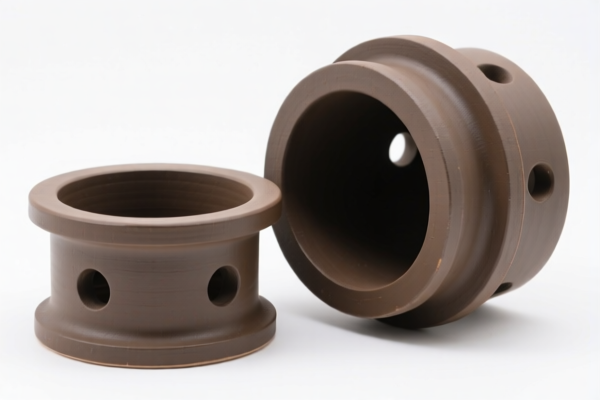
AI Analysis
🧱 Refractory Repair Material (Wear Resistant): The Ultimate HS Code & Tariff Breakdown
🌐 HS Code Reference & Clearance Guide | 2026 Customs Strategy | Professional Classification Analysis
📌 Part 1: Product Definition & Classification Logic – Is It Ceramic, Cement, or Stone?
Refractory Repair Materials (Wear Resistant) are specialized industrial compounds used to restore and protect furnace linings, kilns, and high-temperature industrial equipment. Unlike standard building materials, these materials are engineered for extreme thermal stability and abrasion resistance.
In international trade, classification depends on the primary composition and functional attribute:
- Ceramic-Based (Refractory Ceramics): High-alumina, silicon carbide, or zirconia-based mortars. Classified under Chapter 69.
- Chemical/Metal-Mixed (Refractory Cements): Hydraulic or non-hydraulic binders mixed with refractory aggregates. Classified under Chapter 38.
- Mineral-Based (Insulating/Refractory Minerals): Expanded perlite, vermiculite, or rock wool mixes. Classified under Chapter 68.
⚠️ Key Classification Point:
- If the material is essentially fired ceramic or acts like a refractory brick substitute → Chapter 69 (Ceramics)
- If it is a chemical mixture, binder, or prepared refractory cement → Chapter 38 (Chemical Products)
- If it is a loose mineral aggregate for insulation/fireproofing → Chapter 68 (Mineral Products)
📦 Part 2: Detailed HS Code Matrix (Based on Provided Data)
| HS Code | Product Description | Logic & Attribute | Tax Rate (Total) |
|---|---|---|---|
6902.20.50.20 |
Refractory Mortar, Wear-Resistant | Fits Refractory Ceramic Building Materials attributes | 35.0% |
3816.00.20.50 |
Refractory Mortar, Wear-Resistant | Fits Refractory Cement & Mortar category | 38.0% |
3816.00.20.10 |
Refractory Mortar | Fits Refractory Articles category | 38.0% |
6806.90.00.20 |
Refractory Mortar | Mineral Material, fits logic of Mineral Insulation/Refractory Materials | 35.0% |
6902.90.50.20 |
Refractory Mortar, Wear-Resistant | Refractory Ceramic Building Material, Other Category | 35.0% |
🔍 Critical Analysis:
- Two Main Tariff Pairs: You face either 35% (Ceramic/Mineral Chapter 68/69) or 38% (Chemical Chapter 38).
- Why the difference? Chapter 38 (3816) items often attract a higher Base Tariff (3.0%) compared to Chapter 68/69 items (0% Base), though the surcharges are similar.
- Wear Resistance: This is a functional claim. Customs looks at the composition to assign the code, not just the performance claim.
💰 Part 3: 2026 Latest Tariff Rate Breakdown (Detailed Tax Clauses)
✅ Applicable Country: United States (US)
✅ Origin: China (CN)
✅ Effective Date: Post-November 2025 Trade Policies
🎯 1. The "Ceramic & Mineral" Cluster (35% Total)
Codes: 6902.20.50.20, 6806.90.00.20, 6902.90.50.20
| Item | Content |
|---|---|
| Base Tariff | 0.0% (Ad Valorem) |
| Section 301 Surcharge | +25.0% (Additional Tariff) |
| Section 122 Tariff | +10.0% (Specific Chinese Import Surcharge) |
| Total Effective Rate | 35.0% |
| Tax Calculation | CIF Value × 35% |
| De Minimis Exemption | ❌ Denied |
| Legal Basis Path | USITC:6902.20.50.20 → Footnote:301 → IEEPA:122 |
📌 Explanation:
- These codes fall under Chapter 68 (Mineral Products) and Chapter 69 (Ceramic Products).
- They benefit from a 0% base tariff due to their status as industrial/raw materials.
- However, the 35% total burden is driven entirely by trade remedies (301 + 122).
🎯 2. The "Chemical & Refractory Cement" Cluster (38% Total)
Codes: 3816.00.20.50, 3816.00.20.10
| Item | Content |
|---|---|
| Base Tariff | 3.0% (Ad Valorem) |
| Section 301 Surcharge | +25.0% (Additional Tariff) |
| Section 122 Tariff | +10.0% (Specific Chinese Import Surcharge) |
| Total Effective Rate | 38.0% |
| Tax Calculation | CIF Value × 38% |
| De Minimis Exemption | ❌ Denied |
| Legal Basis Path | USITC:3816.00.20.50 → Footnote:301 → IEEPA:122 |
📌 Explanation:
- These codes fall under Chapter 38 (Miscellaneous Chemical Products).
- They have a higher base rate (3%) because they are classified as prepared chemical mixtures/binders.
- Result: Even with the same surcharges, these are 3% more expensive than the ceramic/mineral alternatives.
🛠️ Part 4: Clearance Practical Advice (Pitfall Avoidance Guide)
✅ 1. Documentation Checklist (Non-Negotiable)
| Document | Required? | Purpose |
|---|---|---|
| ✅ Technical Data Sheet (TDS) | ✔️ | Must list chemical composition (e.g., % Alumina, Silica, Binders) to prove if it's Ceramic (Ch 69) or Chemical (Ch 38). |
| ✅ Product Photos | ✔️ | Show texture (powder vs. brick-like) and packaging. |
| ✅ Commercial Invoice | ✔️ | Describe as "Refractory Repair Mortar, Wear Resistant" – Do NOT use vague terms like "Building Material." |
| ✅ Certificate of Analysis (COA) | ✔️ | Proves wear resistance and refractory index (PCE). |
| ✅ HS Code Pre-Ruling | ✔️ | Highly Recommended due to the 3% base rate difference between Ch 38 and Ch 68/69. |
✅ 2. Declaration Strategy (Critical Keywords)
🔥 “Composition Defines Code, Wear Resistance Justifies Value”
| Scenario | Recommended HS Code | Why? |
|---|---|---|
| High-Alumina/Silicon Carbide Mix | 6902.20.50.20 or 6902.90.50.20 |
It acts as a ceramic substitute. Lower base tariff (0%). |
| Portland Cement + Refractory Aggregate | 3816.00.20.50 |
It’s a prepared cement/mortar. Higher base tariff (3%). |
| Vermiculite/Perlite Mix | 6806.90.00.20 |
It’s a mineral insulation material. Lower base tariff (0%). |
| Generic "Refractory Putty" | 3816.00.20.10 |
Broad category for other refractory articles. Higher base tariff (3%). |
⚠️ Common Mistake:
Declaring a ceramic-based mortar under3816.00just because it comes in a bag.
👉 Consequence: You pay 38% instead of 35%.
✅ Fix: Provide chemical analysis proving it meets ceramic standards (Ch 69) to save 3%.
✅ 3. Special Considerations for "Wear Resistant" Claims
- Proof of Performance: Customs may request test reports (e.g., Taber Abrasion Test, Hot Wear Test) if they suspect the "wear-resistant" claim is false labeling for luxury goods.
- Packaging: If sold as a "Kit" (Mortar + Tools), the Mortar determines the classification. Do not split the shipment.
- Origin Labeling: Ensure the "Made in China" label is clear. Any ambiguity triggers stricter scrutiny under the 122 Tariff.
🌍 Part 5: Market & Cost Comparison (2026)
| Market | Recommended HS Code | Total Duty (China Origin) | Key Requirement |
|---|---|---|---|
| 🇺🇸 USA | 6902.20.50.20 / 3816.00.20.50 |
35% - 38% | IEEPA 122 Disclosure Required |
| 🇨🇳 China | 6902.20.50.20 / 3816.00.20.50 |
~10-13% (Local) | CCC Certification (if applicable) |
| 🇪🇺 EU | 6902.10 / 3824.70 |
0-4% (Standard) | REACH Compliance for Chemicals |
📌 Conclusion for US Importers:
- The 3% difference between Chapter 38 and 68/69 is significant on high-volume shipments.
- Strategy: If your product is high-alumina or silica-based, fight for Chapter 69 (6902.xx) to save 3% in base duty.
- If it is a cement-based binder, expect Chapter 38 (3816.xx) and budget for the higher base rate.
📌 Part 6: Common Errors & Pitfalls (Lessons Learned)
❌ Error 1: Using "Refractory Cement" for a Ceramic-Based Product
👉 Result: Misclassification → 38% instead of 35%.
✅ Fix: Use "Refractory Ceramic Mortar" in docs.
❌ Error 2: Ignoring the "122 Tariff"
👉 Result: Underpayment by 10% → Seizure & Penalties.
✅ Fix: Ensure IEEPA Section 122 is declared on the CBP Entry.
❌ Error 3: Vague Description "Industrial Paste"
👉 Result: Customs Inspection Delay → Missed delivery deadlines.
✅ Fix: Specify "Wear-Resistant Refractory Mortar for Kiln Lining."
🎯 Part 7: Final Recommendation
🎯 Action Plan:
1. Analyze Composition: Get your TDS. Is it >50% ceramic content? → Aim for 6902.
2. Calculate Savings:
- If CIF = $100,000:
- 6902 (35%) = $35,000 Duty
- 3816 (38%) = $38,000 Duty
- Savings: $3,000 per $100k shipment!
3. Pre-Clearance: Submit a Binding Ruling Request to CBP if shipment value is high.
📣 Immediate Action:
📞 Consult a Customs Broker with your TDS.
📄 Update Invoice Description to match the chosen HS Code logic.
🚀 Optimize Your Landed Cost by choosing the correct Chapter!
✨ Precision in Classification = Profit in Pocket
💼 Don't let a 3% error rate eat your margins!
Customer Reviews
About HS Code Classification
The Harmonized System (HS) is an internationally standardized nomenclature developed by the World Customs Organization (WCO) to classify traded products. Over 200 countries use the HS system as the basis for customs tariffs, trade statistics, and import/export regulations.
Each HS code follows a hierarchical structure:
- Chapter (2 digits) — Broad category of goods (e.g., Chapter 84: Machinery and Mechanical Appliances)
- Heading (4 digits) — More specific grouping within the chapter
- Subheading (6 digits) — Internationally standardized breakdown, used by all WCO member countries
- National subdivisions (8-10 digits) — Country-specific extensions for further classification, such as US HTSUS 10-digit codes
Correct HS code classification is essential for smooth customs clearance, accurate duty payment, and compliance with trade regulations. Misclassification can lead to customs delays, overpayment of duties, or penalties.
When importing from CN to US, the applicable tariff rates may include:
- Most-Favored-Nation (MFN) rate — The standard duty rate applied to WTO members
- General rate — Applied to countries without trade agreements
- Trade remedy duties — Additional tariffs such as Section 301 (anti-dumping), Section 232 (national security), or countervailing duties
The information provided on this page is for reference purposes only. For official classification, please consult with your local customs authority or a licensed customs broker.