Reptile Leather Keychain
CN → US| HS编码 | 关税税率 | 原产国 | 目的国 | 文档 |
|---|---|---|---|---|
| 4106910000 | 38.3% | CN | US | 官方文档 |
| 4106400000 | 35.0% | CN | US | 官方文档 |
| 4114207000 | 36.6% | CN | US | 官方文档 |
| 4114100000 | 38.2% | CN | US | 官方文档 |
| 4302196000 | 38.5% | CN | US | 官方文档 |
商品图片
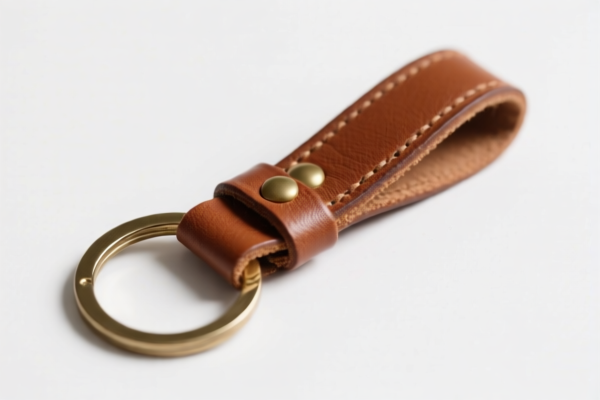
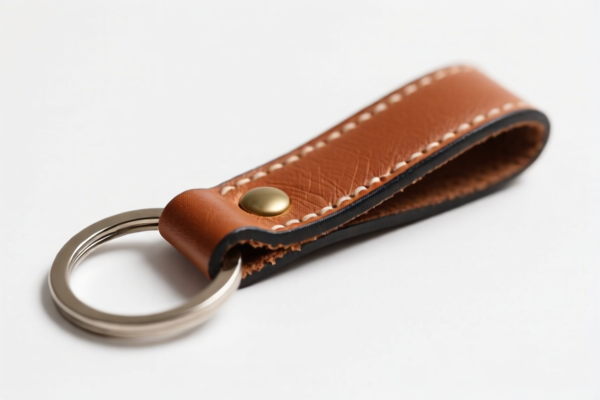
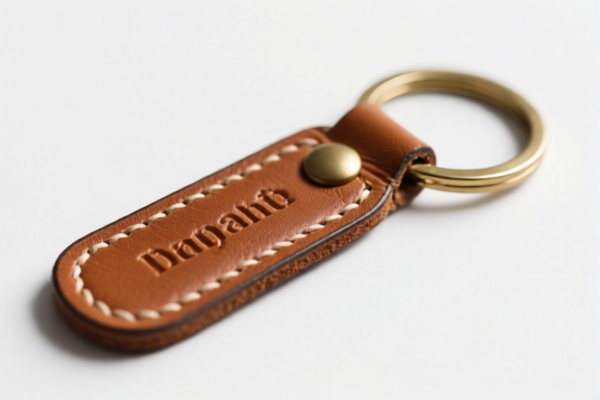
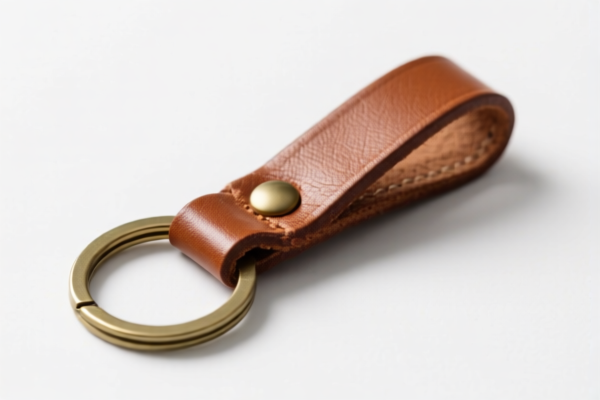
AI分析
🐊 Reptile Leather Keychain: HS Code Classification & Tax Breakdown
🌐 HS Code Reference & Customs Clearance Guide | 2026 Latest Tariff Analysis | Professional Clearance Strategy
📌 I. Product Definition & Classification: What Exactly Is “Reptile Leather”?
A Reptile Leather Keychain is a small accessory made from the tanned skin of reptiles (such as crocodile, alligator, snake, or lizard). In international trade, the classification depends heavily on the state of processing (raw, semi-processed, or finished) and the specific type of reptile.
- Raw/Semi-processed Hides: Unworked or simply preserved skins → Falls under Chapter 41 (Hides and Skins).
- Finished Leather Goods: Tanned, dyed, cut, and assembled into a keychain → Falls under Chapter 41 (Leather) or Chapter 43 (Furskins, if interpreted broadly as "other animal skin").
⚠️ Key Distinction:
- If the product is just the skin/hide (cut, not assembled) → Chapter 41.
- If the product is finished/constructed (keychain ring attached, shaped) → Could still be Chapter 41 if classified as "other leather articles," but often triggers scrutiny under "other animal skins."
- Note: Some codes treat "other animal skins" (non-reptile) differently, so specific reptile identification is crucial.
📦 II. HS Code Classification Matrix (Based on Provided Data)
| HS Code | Product Description | Suitability for Reptile Keychain | Total Tax Rate |
|---|---|---|---|
4106.91.00.00 |
Other reptile leather (specifically matched to reptile material) | ✅ High Match: Explicitly covers reptile hides. | 38.3% |
4106.40.00.00 |
Other reptile skins, tanned or crusted | ✅ Exact Match: Directly addresses reptile skin classification. | 35.0% |
4114.20.70.00 |
Other prepared leather (fallback for leather articles) | ⚠️ Fallback: Based on leather material & residual principle. | 36.6% |
4114.10.00.00 |
Other leather, tanned or crusted (general leather category) | ⚠️ General: Fits leather attribute, no material conflict. | 38.2% |
4302.19.60.00 |
Other fur skins, unstuffed (infered as uncolored whole skins) | ❌ Low Match: Implies "fur-like" or unworked skins; less accurate for tanned leather goods. | 38.5% |
🔍 Key Insight:
-4106.40.00.00is the most precise code for tanned reptile skins, offering the lowest total tax rate (35.0%).
-4106.91.00.00is a strong alternative for other reptile leathers, with a slightly higher rate (38.3%).
- Avoid4302.19.60.00unless the product is an unworked, unstuffed skin, as it misrepresents the "leather" nature of a keychain.
💰 III. 2026 Tariff Rate Breakdown (Including Additional Taxes & Policy Surcharges)
✅ Applicable Country: United States (US)
✅ Origin: China (CN)
✅ Effective Date: 2025 November 10 onwards (including subsequent imports)
🎯 1. 4106.40.00.00 – Reptile Skins, Tanned or Crusted
| Item | Detail |
|---|---|
| Base Duty | 0.0% (ad valorem) |
| USITC Additional Tariff | +25.0% (from USITC Footnote 9903.88.01) |
| IEEPA Additional Tariff | +10.0% (for China/HK products, effective 2025-11-10) |
| Total Tax Rate | 35.0% |
| Calculation Method | CIF Value × 35.0% |
| De Minimis Exemption | ❌ Not Eligible (deny_de_minimis) |
| Legal Basis Path | IEEPA:9903.01.25 → IEEPA:9903.01.24 → USITC:4106.40.00.00 → FOOTNOTE:9903.88.01 |
📌 Explanation:
- 0% Base Rate: Reptile skins often have low base duties under HTSUS.
- 25% USITC Tariff: Applied under Section 301 for Chinese goods.
- 10% IEEPA Tariff: A newer surcharge targeting specific Chinese imports.
- Total 35%: This is the lowest possible rate among the provided codes.
🎯 2. 4106.91.00.00 – Other Reptile Leather
| Item | Detail |
|---|---|
| Base Duty | 3.3% |
| USITC Additional Tariff | +25.0% |
| IEEPA Additional Tariff | +10.0% |
| Total Tax Rate | 38.3% |
| Calculation Method | CIF Value × 38.3% |
| De Minimis Exemption | ❌ Not Eligible |
| Legal Basis Path | IEEPA:9903.01.25 → IEEPA:9903.01.24 → USITC:4106.91.00.00 → FOOTNOTE:9903.88.01 |
📌 Note:
- Slightly higher base duty (3.3%) compared to4106.40.00.00.
- Same additional surcharges apply.
- Useful if the specific reptile type does not fall under4106.40but is still clearly reptile leather.
🎯 3. 4114.20.70.00 – Other Prepared Leather (Fallback)
| Item | Detail |
|---|---|
| Base Duty | 1.6% |
| USITC Additional Tariff | +25.0% |
| IEEPA Additional Tariff | +10.0% |
| Total Tax Rate | 36.6% |
| Calculation Method | CIF Value × 36.6% |
| De Minimis Exemption | ❌ Not Eligible |
| Legal Basis Path | IEEPA:9903.01.25 → IEEPA:9903.01.24 → USITC:4114.20.70.00 → FOOTNOTE:9903.88.01 |
📌 Warning:
- This code is a fallback ("residual" category).
- Using it for a clearly defined reptile leather item may raise customs flags if documentation doesn’t explicitly justify the "other prepared leather" classification.
- Rate is intermediate (36.6%).
🎯 4. 4114.10.00.00 – Other Tanned Leather
| Item | Detail |
|---|---|
| Base Duty | 3.2% |
| USITC Additional Tariff | +25.0% |
| IEEPA Additional Tariff | +10.0% |
| Total Tax Rate | 38.2% |
| Calculation Method | CIF Value × 38.2% |
| De Minimis Exemption | ❌ Not Eligible |
| Legal Basis Path | IEEPA:9903.01.25 → IEEPA:9903.01.24 → USITC:4114.10.00.00 → FOOTNOTE:9903.88.01 |
📌 Note:
- General leather category.
- Higher base duty than4106.40.00.00.
- Suitable if the reptile leather is considered part of a broader "other leather" group.
🎯 5. 4302.19.60.00 – Other Fur Skins, Unstuffed
| Item | Detail |
|---|---|
| Base Duty | 3.5% |
| USITC Additional Tariff | +25.0% |
| IEEPA Additional Tariff | +10.0% |
| Total Tax Rate | 38.5% |
| Calculation Method | CIF Value × 38.5% |
| De Minimis Exemption | ❌ Not Eligible |
| Legal Basis Path | IEEPA:9903.01.25 → IEEPA:9903.01.24 → USITC:4302.19.60.00 → FOOTNOTE:9903.88.01 |
📌 Caution:
- Least accurate for tanned leather goods.
- Implies "fur-like" or unworked skins.
- Highest total rate (38.5%) among the options.
- Only use if the product is an uncolored, unworked whole skin.
🛠️ IV. Customs Clearance Practical Advice (Risk Avoidance Guide)
✅ 1. Required Documentation Checklist
| Document | Required? | Purpose |
|---|---|---|
| ✅ Product Specifications | ✔️ | Detailed description: material (reptile type), dimensions, color, finish. |
| ✅ Material Certificate | ✔️ | Proof of reptile origin (CITES permits if applicable). |
| ✅ Product Photos | ✔️ | Clear images showing texture, grain, and construction. |
| ✅ Commercial Invoice | ✔️ | Must specify "Reptile Leather Keychain" and correct HS Code. |
| ✅ Packing List | ✔️ | Item count, weight, packaging details. |
| ✅ CITES Permit (if applicable) | ✔️ | Required for endangered species (e.g., certain crocodiles, pythons). |
✅ 2. Declaration Tips (Key Formulas)
🔥 "Be Specific: Reptile Type + Tanned State = Lower Risk!"
| Scenario | Correct Declaration | Wrong Declaration |
|---|---|---|
| Tanned Reptile Skin | 4106.40.00.00 – "Reptile Leather, Tanned" |
"Animal Leather" → Unclear, potential delay |
| Finished Keychain | 4106.40.00.00 or 4106.91.00.00 |
"Keychain Accessory" → Misclassification risk |
| Unworked Skin | 4302.19.60.00 |
"Leather" → Wrong, implies processing |
| Mixed Materials | 4106.40.00.00 (if reptile is principal material) |
"Fashion Accessory" → Vague, high scrutiny |
📌 Critical Note:
- Do not use generic terms like "Leather Keychain."
- Explicitly state "Reptile Leather" (e.g., "Croc-Embossed Leather" is not the same as "Genuine Crocodile Leather").
- If the product is faux reptile leather, it may fall under Chapter 39 (Plastics) or 42 (Articles of Leather), which have different tax rates.
✅ 3. Special Cases
| Case | Handling Suggestion |
|---|---|
| CITES-Listed Species | Must provide CITES Import/Export Permits. Failure leads to seizure. |
| Croc-Embossed Cow Leather | Not reptile leather! Classify under 4106.31.00.00 (Cowhide) → Lower tax. |
| Keychain with Metal Parts | Still classified under 4106.xxxx if leather is the principal material. |
| Samples for Display | May qualify for duty-free if marked "Not for Sale" and value is minimal. |
🌍 V. Global Market Comparison (2026)
| Country/Region | Recommended HS Code | Tax Rate | Certification | Notes |
|---|---|---|---|---|
| 🇺🇸 USA | 4106.40.00.00 |
35.0% | None specific | High additional tariffs (25% + 10%) |
| 🇨🇳 China | 4106.40.00.00 |
~5-10% | None | Lower base duties |
| 🇪🇺 EU | 4106.40.00.00 |
~5-10% | CITES | Strict CITES controls |
| 🇦🇺 Australia | 4106.40.00.00 |
~5-10% | CITES | Strict biosecurity |
| 🇯🇵 Japan | 4106.40.00.00 |
~5-10% | CITES | Moderate duties |
📌 Conclusion:
- USA has the highest total tax burden (35%) due to additional surcharges.
- CITES compliance is critical globally for reptile products.
- FAUX reptile leather should be declared accurately to avoid misclassification penalties.
📌 VI. Common Mistakes & Pitfalls (Lessons Learned)
❌ Mistake 1: Using "Leather" instead of "Reptile Leather"
👉 Consequence: Customs may suspect endangered species → Detention & Fine!
❌ Mistake 2: Declaring "Keychain" without material specification
👉 Consequence: Duty assessment based on "other articles" → Higher Tax (up to 38.5%)
❌ Mistake 3: Ignoring CITES requirements
👉 Consequence: Seizure of goods and potential legal action.
❌ Mistake 4: Using 4302.19.60.00 for tanned leather
👉 Consequence: Misclassification → Audit Risk
✅ Correct Practice:
"Reptile Leather Keychain (Genuine Crocodile), Tanned, Dyed, Model XYZ, CITES Compliant"
🎯 VII. Conclusion: Smart Classification, Smooth Clearance
🎯 Remember the Formula:
🔹 "Reptile + Tanned = 4106.40 (35%)
🔹 "Reptile + Other = 4106.91 (38.3%)
🔹 "Unworked Skin = 4302.19 (38.5%)"🔹 "HS Code Determines Cost, CITES Determines Legality!"
📌 Pro Tip:
If your reptile leather is faux (PU/PVC), declare it as "Synthetic Leather Keychain" → Likely falls under Chapter 39 or 42 → Much Lower Taxes!
📣 Immediate Action:
📞 Verify Material Authenticity
📄 Obtain CITES Permits (if applicable)
🚀 Apply for Advance Ruling to lock in the 35% rate
✨ Professional Clearance Starts with Accurate Classification!
💼 Every Percent Saved in Tariffs is Pure Profit!
用户评价
关于 HS 编码归类
协调制度(HS)是由世界海关组织(WCO)制定的国际贸易商品分类标准。全球 200 多个国家采用 HS 系统作为海关关税、贸易统计和进出口监管的基础。
每个 HS 编码遵循以下层级结构:
- 章(2 位)——商品大类(例如:第 84 章:机器和机械设备)
- 品目(4 位)——章内的更具体分类
- 子目(6 位)——国际通用细分,所有 WCO 成员国统一使用
- 本国细分(8-10 位)——各国自行扩展的细分编码,如美国 HTSUS 10 位编码
正确的 HS 编码归类对于顺利通关、准确缴纳关税和遵守贸易法规至关重要。错误归类可能导致海关延误、多缴关税或罚款。
从CN进口到US时,适用的关税税率可能包括:
- 最惠国(MFN)税率——适用于 WTO 成员国的标准关税税率
- 普通税率——适用于无贸易协定国家
- 贸易救济关税——附加关税,如 301 条款(反倾销)、232 条款(国家安全)或反补贴税
本页内容仅供参考。如需正式归类,请咨询当地海关或持牌报关代理。