Resin Heating Pad
CN → US| HS编码 | 关税税率 | 原产国 | 目的国 | 文档 |
|---|---|---|---|---|
| 8516290090 | 38.7% | CN | US | 官方文档 |
| 8516290060 | 38.7% | CN | US | 官方文档 |
| 9406900190 | 87.9% | CN | US | 官方文档 |
| 3926909989 | 22.8% | CN | US | 官方文档 |
| 8516290090 | 38.7% | CN | US | 官方文档 |
商品图片
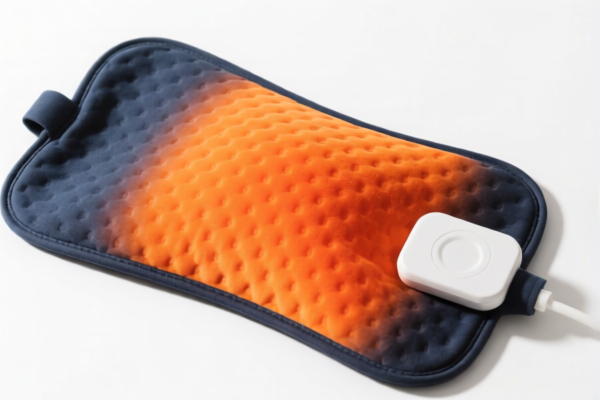
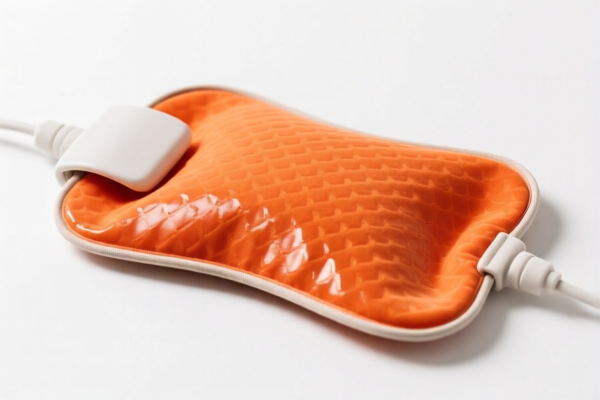
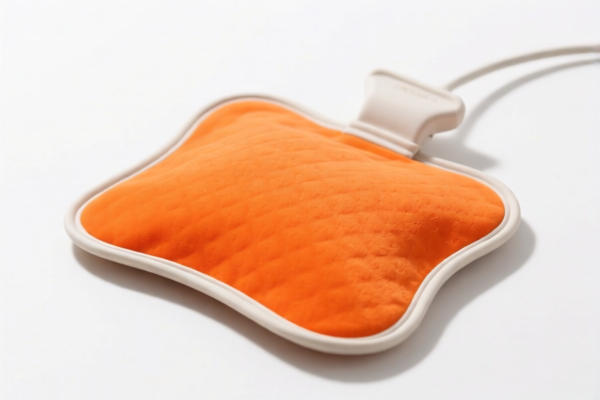
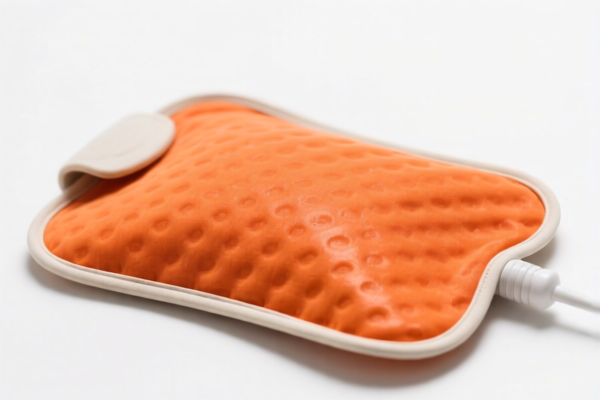
AI分析
🧬 Resin Heating Pad (Electric & Plant Heating Pads)
🌐 HS Code Reference & Customs Clearance Guide | 2026 Latest Tariff Analysis | Professional Entry Strategy
📌 1. Product Definition: What is a "Resin Heating Pad"?
A "Resin Heating Pad" is a generic term that can refer to two distinct types of products in international trade, leading to significant differences in HS Code classification and tariff liability:
- General Electric Heating Pad (Human/Medical Use): A flexible electric heating element wrapped in resin/insulation, used for therapeutic warmth. It is classified as an Electrical Space Heating Appliance.
- Plant/Greenhouse Heating Pad (Agricultural Use): A heating mat made of resin/plastic, designed to warm soil or roots for germination. It is classified either as an Electrical Soil Heating Device or, if viewed purely as a component, as a Plastic Product.
⚠️ Critical Distinction:
- If it has an electrical plug/heating element → It falls under Chapter 85 (Electrical Machinery).
- If it is just a non-heated resin part (rare for "heating pad") → It falls under Chapter 39 (Plastics) or Chapter 94 (Prefabricated Buildings) — Note: The data implies electric functionality for most entries, so Chapter 85 is the primary focus, with 39/94 as alternative interpretations for specific structural parts.
📦 2. HS Code Classification Details (2026 Latest Tariff Authority)
Based on the provided dataset, here are the 5 specific HS Codes identified for "Resin Heating Pads" and their logical justifications:
| HS Code | Product Description | Application/Scenario | Logic Summary (From Data) |
|--------|--------------------------|--------------------------|
| 8516.29.00.90 | Electrical Space Heating Appliances (Other) | General purpose, human use, or ambiguous electric pads. | "Resin heating pad is an electrical heating appliance; matches 'other' category fallback; no material conflict." |
| 8516.29.00.90 | Electrical Soil/Medium Heating Device | Plant heating pads intended for soil warmth. | "Plant heating pad is an electrical soil/medium heating class; matches 'other' category fallback; no material conflict." |
| 8516.29.00.60 | Electrical Space Heating Appliance (Other) | Specifically categorized as "other" non-fan air heating. | "Resin heating pad is electric space heating auxiliary; made of resin; fits 'other' category non-fan blowing attributes." |
| 3926.90.99.89 | Other Plastic Articles | Focuses on the outer shell or insulation layer. | "Plant heating pad shell/insulation is mostly plastic; fits plastic product material attributes." |
| 9406.90.01.90 | Other Prefabricated Buildings (Non-metal) | Viewed as a non-metal prefabricated component. | "Plant heating pad inferred as non-metal prefabricated part; fits 'other' prefabricated building category fallback." |
🔍 Key Insight:
- The majority view (3 out of 5 entries) classifies this as an Electrical Heating Appliance (8516) because the core function is heating via electricity, regardless of the resin material.
- The minority view (2 entries) focuses on the material (Plastic3926) or structural form (Prefabricated9406), which carries significantly higher tariffs.
- Recommendation: Always argue for8516(Electrical) as the primary classification unless the product is clearly a non-functional resin part.
💰 3. 2026 Latest Tariff Rate Breakdown (Including Surcharges & Policy Add-ons)
✅ Applicable Country: United States (US)
✅ Origin: China (CN)
✅ Effective Date: 2025/2026 (Current Policy Context)
🎯 1. 8516.29.00.90 & 8516.29.00.60 — Electrical Heating Appliances
| Item | Content |
|---|---|
| Base Duty Rate | 3.7% |
| Section 301 Tariff (Additional) | +25.0% |
| Section 122 Tariff (Additional) | +10.0% |
| Total Tariff Rate | 38.7% |
| Tax Calculation | CIF Value × 38.7% |
| De Minimis Eligibility | ❌ No (High tariff items generally excluded or scrutinized) |
| Legal Basis Path | USITC:8516.29.00.90 → 301_Tariff:25% → 122_Tariff:10% |
📌 Explanation:
- Base (3.7%): Standard Most Favored Nation (MFN) rate for electrical heaters.
- 301 Clause (25%): Added due to US-China trade tensions on electrical machinery.
- 122 Clause (10%): Additional surcharge for specific Chinese-origin goods.
- Total 38.7%: This is the standard and most common duty rate for resin heating pads.
🎯 2. 3926.90.99.89 — Other Plastic Articles (Material-Based Classification)
| Item | Content |
|---|---|
| Base Duty Rate | 5.3% |
| Section 301 Tariff (Additional) | +7.5% |
| Section 122 Tariff (Additional) | +10.0% |
| Total Tariff Rate | 22.8% |
| Tax Calculation | CIF Value × 22.8% |
| De Minimis Eligibility | ❌ No |
| Legal Basis Path | USITC:3926.90.99.89 → 301_Tariff:7.5% → 122_Tariff:10% |
📌 Explanation:
- Lower Total Rate (22.8%): If you can successfully argue the product is primarily a "plastic article" rather than an electrical device, you save ~16% in duties.
- Risk: Customs may reject this if the heating element is integral. Only use if the pad is sold without electrical components or if the resin part is sold separately.
🎯 3. 9406.90.01.90 — Prefabricated Buildings (Non-Metal)
| Item | Content |
|---|---|
| Base Duty Rate | 2.9% |
| Section 301 Tariff (Additional) | +25.0% |
| Section 122 Tariff (Additional) | +10.0% |
| Steel/Aluminum/Copper Surcharges | +50% (If any metal components exist) |
| Total Tariff Rate | 87.9% (Base) up to 137.9% (If metal) |
| Tax Calculation | CIF Value × 87.9% (or higher) |
| De Minimis Eligibility | ❌ No |
| Legal Basis Path | USITC:9406.90.01.90 → 301_Tariff:25% → 122_Tariff:10% → Metal_Surcharge:50% |
📌 Explanation:
- Highest Tariff (87.9%+): This classification is strongly discouraged.
- It assumes the heating pad is a "prefabricated building part," which is a stretch.
- If any metal wire/resistor is present, the 50% metal surcharge applies, making the total duty exceed 137%.
🛠️ 4. Customs Clearance Practical Advice (Real-World Pitfall Guide)
✅ 1. Documentation Checklist (Non-Negotiable)
| Document | Required | Notes |
|---|---|---|
| ✅ Product Specification Sheet | ✔️ | Must detail: Voltage, Wattage, Heating Element Type, Resin Composition. |
| ✅ Circuit Diagram/Schematic | ✔️ | Crucial to prove it's an electrical device (8516) and not just a plastic part (3926). |
| ✅ Product Photos (Labeled) | ✔️ | Show the plug, heating area, and resin casing clearly. |
| ✅ Third-Party Test Report | ✔️ | UL, ETL, CE, or RoHS certification (mandatory for electrical goods in US). |
| ✅ Commercial Invoice | ✔️ | Clearly state: "Electric Resin Heating Pad, Model XYZ, for Soil/Human Heating." |
| ✅ Packing List | ✔️ | Ensure weight/volume matches electrical goods classification. |
✅ 2. Declaration Strategy (Key Mantra)
🔥 "Electrical Function First, Material Secondary! Name It Right, Save Thousands!"
| Scenario | Correct HS Code | Wrong HS Code | Consequence of Error |
|---|---|---|---|
| Heating Pad with Plug/Element | 8516.29.00.90 |
3926.90.99.89 |
Overpayment: You pay 38.7% instead of 22.8%? No, wait! 8516 is 38.7%, 3926 is 22.8%. Risk: Customs may downgrade you to 3926 if you claim it's plastic, but if they upgrade you to 9406 (wrongly), you pay 87.9%. Best: Stick to 8516 as it's the most accurate for function. |
| Plant Heating Mat (Soil Warmer) | 8516.29.00.90 |
9406.90.01.90 |
Catastrophic Penalty: 87.9% vs 38.7%. Avoid 9406 at all costs unless it's a huge building component. |
| Resin Shell Only (No Heating) | 3926.90.99.89 |
8516.29.00.90 |
Underpayment Risk: If you declare as 3926 but it contains heating wires, Customs will assess 8516 + penalties. |
📌 Strategic Tip:
- If your product is primarily for plants, ensure your invoice says "Electric Soil Heating Mat" to align with8516.29.00.90(Plant Heating Pad logic).
- If your product is for human use, say "Electric Therapeutic Heating Pad" to align with8516.29.00.60or.90.
- Never use "Plastic Heating Pad" as the description if it contains wires. Use "Resin-Insulated Electric Heating Pad."
✅ 3. Special Cases & Workarounds
| Situation | Handling Advice |
|---|---|
| OEM Custom Pads | Provide design specs showing the heating element is the core function. |
| Plant Heating with Metal Grid | Beware: If metal heating elements are exposed, Customs might trigger the +50% Metal Surcharge under 9406 or other metal-related provisions. Stick to 8516 where metal surcharges are typically not applied to electrical appliances (unless specifically targeted). |
| Mixed Shipment (Heater + Plastic Case) | Declare as One Item: "Electric Heating Pad with Resin Cover." Do not split into "Resin Case" + "Heater." Splitting leads to complex valuation and potential higher duties on parts. |
🌍 5. Global Market Comparison (2026)
| Country/Region | Recommended HS Code | Tariff (China Origin) | Certification Required | Notes |
|---|---|---|---|---|
| 🇺🇸 USA | 8516.29.00.90 |
38.7% (Base 3.7% + 25% + 10%) | UL/ETL, FCC (if wireless) | Highest duty due to 301 & 122 clauses. |
| 🇨🇳 China | 8516.29.00.90 |
~10-15% | CCC | Lower base duty, no 301/122. |
| 🇪🇺 EU | 8516.80.90 |
~0-2% | CE, RoHS | No Section 301/122 equivalents. |
| 🇦🇺 Australia | 8516.80.90 |
~5% | SAA/RCM | Moderate duty. |
📌 Conclusion:
- The US market is the most expensive due to political tariffs.
- For US exports, accuracy is critical. Misclassifying as3926(22.8%) might seem cheaper, but if Customs re-identifies it as8516(38.7%) or9406(87.9%), you face back taxes + penalties.
- Safe Bet: Declare as8516.29.00.90(38.7%) with proper electrical certifications.
📌 6. Common Errors & Pitfalls (Lessons Learned)
❌ Error 1: Calling it "Resin Pad" without mentioning "Electric"
👉 Consequence: Customs may classify as 3926 (22.8%) initially, but upon inspection, reassess as 8516 (38.7%) → Back taxes + Interest.
❌ Error 2: Using "Prefabricated Building Part" for plant mats
👉 Consequence: 87.9% duty (or more) instead of 38.7%. This is a costly mistake.
❌ Error 3: Missing the 122 Clause Declaration
👉 Consequence: If the 122 tariff (10%) is not accounted for in your landed cost calculation, your profit margin disappears.
✅ Correct Practice:
"Electric Resin Heating Mat, 120V, 20W, UL Certified, for Soil/Greenhouse Use, Model XYZ."
🎯 7. Conclusion: Precision Saves Money!
🎯 Remember the Mantra:
🔹 "Electric First, Resin Second."
🔹 "38.7% is the Safe Rate, 87.9% is the Trap."
🔹 "Always declare the heating function, never just the material."
📌 Pro Tip:
If you are importing large volumes, consider applying for a Binding Ruling (Advance Ruling) from US Customs to confirm 8516.29.00.90 is acceptable for your specific product design. This provides legal protection against future reclassification.
📣 Take Action Now:
📞 Consult a licensed customs broker + Provide UL Reports + Confirm HS Code
8516.29.00.90.
🚀 Clear Customs Smoothly, Protect Margins, Expand Globally!
✨ Professional Classification Starts with Accurate Description!
💼 Every Percent Matters in Your Profit!
用户评价
关于 HS 编码归类
协调制度(HS)是由世界海关组织(WCO)制定的国际贸易商品分类标准。全球 200 多个国家采用 HS 系统作为海关关税、贸易统计和进出口监管的基础。
每个 HS 编码遵循以下层级结构:
- 章(2 位)——商品大类(例如:第 84 章:机器和机械设备)
- 品目(4 位)——章内的更具体分类
- 子目(6 位)——国际通用细分,所有 WCO 成员国统一使用
- 本国细分(8-10 位)——各国自行扩展的细分编码,如美国 HTSUS 10 位编码
正确的 HS 编码归类对于顺利通关、准确缴纳关税和遵守贸易法规至关重要。错误归类可能导致海关延误、多缴关税或罚款。
从CN进口到US时,适用的关税税率可能包括:
- 最惠国(MFN)税率——适用于 WTO 成员国的标准关税税率
- 普通税率——适用于无贸易协定国家
- 贸易救济关税——附加关税,如 301 条款(反倾销)、232 条款(国家安全)或反补贴税
本页内容仅供参考。如需正式归类,请咨询当地海关或持牌报关代理。