Resin Heating Pad
CN → US| HS Code | Tariff Rate | Origin | Destination | Doc |
|---|---|---|---|---|
| 8516290090 | 38.7% | CN | US | Official Doc |
| 8516290060 | 38.7% | CN | US | Official Doc |
| 9406900190 | 87.9% | CN | US | Official Doc |
| 3926909989 | 22.8% | CN | US | Official Doc |
| 8516290090 | 38.7% | CN | US | Official Doc |
Product Images
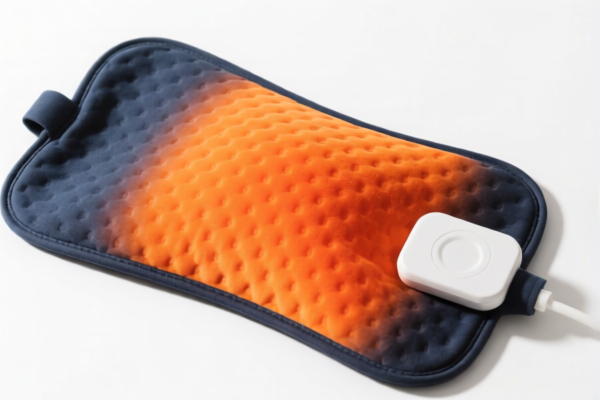
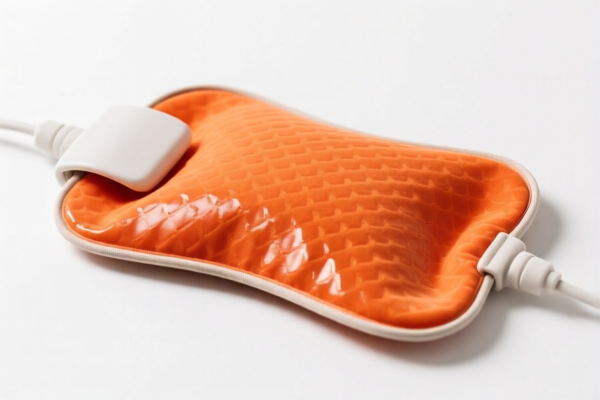
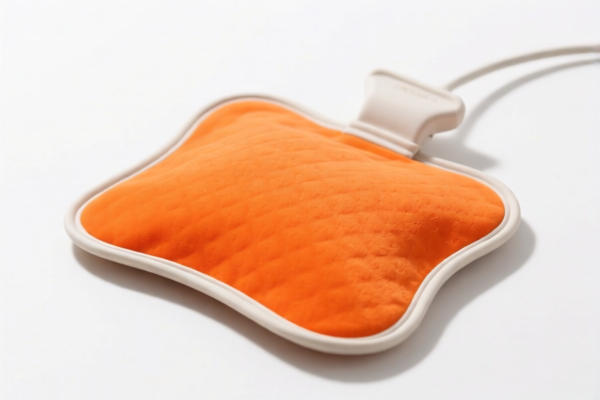
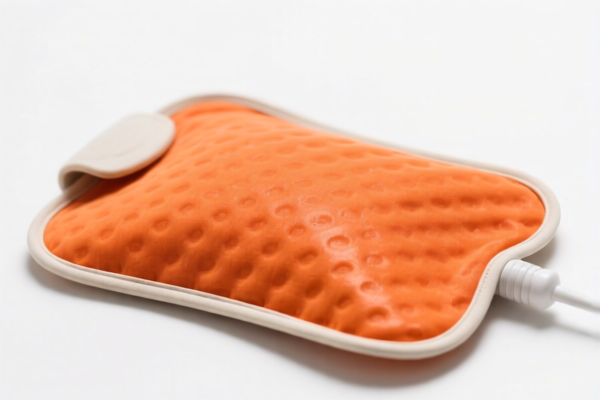
AI Analysis
🧬 Resin Heating Pad (Electric & Plant Heating Pads)
🌐 HS Code Reference & Customs Clearance Guide | 2026 Latest Tariff Analysis | Professional Entry Strategy
📌 1. Product Definition: What is a "Resin Heating Pad"?
A "Resin Heating Pad" is a generic term that can refer to two distinct types of products in international trade, leading to significant differences in HS Code classification and tariff liability:
- General Electric Heating Pad (Human/Medical Use): A flexible electric heating element wrapped in resin/insulation, used for therapeutic warmth. It is classified as an Electrical Space Heating Appliance.
- Plant/Greenhouse Heating Pad (Agricultural Use): A heating mat made of resin/plastic, designed to warm soil or roots for germination. It is classified either as an Electrical Soil Heating Device or, if viewed purely as a component, as a Plastic Product.
⚠️ Critical Distinction:
- If it has an electrical plug/heating element → It falls under Chapter 85 (Electrical Machinery).
- If it is just a non-heated resin part (rare for "heating pad") → It falls under Chapter 39 (Plastics) or Chapter 94 (Prefabricated Buildings) — Note: The data implies electric functionality for most entries, so Chapter 85 is the primary focus, with 39/94 as alternative interpretations for specific structural parts.
📦 2. HS Code Classification Details (2026 Latest Tariff Authority)
Based on the provided dataset, here are the 5 specific HS Codes identified for "Resin Heating Pads" and their logical justifications:
| HS Code | Product Description | Application/Scenario | Logic Summary (From Data) |
|--------|--------------------------|--------------------------|
| 8516.29.00.90 | Electrical Space Heating Appliances (Other) | General purpose, human use, or ambiguous electric pads. | "Resin heating pad is an electrical heating appliance; matches 'other' category fallback; no material conflict." |
| 8516.29.00.90 | Electrical Soil/Medium Heating Device | Plant heating pads intended for soil warmth. | "Plant heating pad is an electrical soil/medium heating class; matches 'other' category fallback; no material conflict." |
| 8516.29.00.60 | Electrical Space Heating Appliance (Other) | Specifically categorized as "other" non-fan air heating. | "Resin heating pad is electric space heating auxiliary; made of resin; fits 'other' category non-fan blowing attributes." |
| 3926.90.99.89 | Other Plastic Articles | Focuses on the outer shell or insulation layer. | "Plant heating pad shell/insulation is mostly plastic; fits plastic product material attributes." |
| 9406.90.01.90 | Other Prefabricated Buildings (Non-metal) | Viewed as a non-metal prefabricated component. | "Plant heating pad inferred as non-metal prefabricated part; fits 'other' prefabricated building category fallback." |
🔍 Key Insight:
- The majority view (3 out of 5 entries) classifies this as an Electrical Heating Appliance (8516) because the core function is heating via electricity, regardless of the resin material.
- The minority view (2 entries) focuses on the material (Plastic3926) or structural form (Prefabricated9406), which carries significantly higher tariffs.
- Recommendation: Always argue for8516(Electrical) as the primary classification unless the product is clearly a non-functional resin part.
💰 3. 2026 Latest Tariff Rate Breakdown (Including Surcharges & Policy Add-ons)
✅ Applicable Country: United States (US)
✅ Origin: China (CN)
✅ Effective Date: 2025/2026 (Current Policy Context)
🎯 1. 8516.29.00.90 & 8516.29.00.60 — Electrical Heating Appliances
| Item | Content |
|---|---|
| Base Duty Rate | 3.7% |
| Section 301 Tariff (Additional) | +25.0% |
| Section 122 Tariff (Additional) | +10.0% |
| Total Tariff Rate | 38.7% |
| Tax Calculation | CIF Value × 38.7% |
| De Minimis Eligibility | ❌ No (High tariff items generally excluded or scrutinized) |
| Legal Basis Path | USITC:8516.29.00.90 → 301_Tariff:25% → 122_Tariff:10% |
📌 Explanation:
- Base (3.7%): Standard Most Favored Nation (MFN) rate for electrical heaters.
- 301 Clause (25%): Added due to US-China trade tensions on electrical machinery.
- 122 Clause (10%): Additional surcharge for specific Chinese-origin goods.
- Total 38.7%: This is the standard and most common duty rate for resin heating pads.
🎯 2. 3926.90.99.89 — Other Plastic Articles (Material-Based Classification)
| Item | Content |
|---|---|
| Base Duty Rate | 5.3% |
| Section 301 Tariff (Additional) | +7.5% |
| Section 122 Tariff (Additional) | +10.0% |
| Total Tariff Rate | 22.8% |
| Tax Calculation | CIF Value × 22.8% |
| De Minimis Eligibility | ❌ No |
| Legal Basis Path | USITC:3926.90.99.89 → 301_Tariff:7.5% → 122_Tariff:10% |
📌 Explanation:
- Lower Total Rate (22.8%): If you can successfully argue the product is primarily a "plastic article" rather than an electrical device, you save ~16% in duties.
- Risk: Customs may reject this if the heating element is integral. Only use if the pad is sold without electrical components or if the resin part is sold separately.
🎯 3. 9406.90.01.90 — Prefabricated Buildings (Non-Metal)
| Item | Content |
|---|---|
| Base Duty Rate | 2.9% |
| Section 301 Tariff (Additional) | +25.0% |
| Section 122 Tariff (Additional) | +10.0% |
| Steel/Aluminum/Copper Surcharges | +50% (If any metal components exist) |
| Total Tariff Rate | 87.9% (Base) up to 137.9% (If metal) |
| Tax Calculation | CIF Value × 87.9% (or higher) |
| De Minimis Eligibility | ❌ No |
| Legal Basis Path | USITC:9406.90.01.90 → 301_Tariff:25% → 122_Tariff:10% → Metal_Surcharge:50% |
📌 Explanation:
- Highest Tariff (87.9%+): This classification is strongly discouraged.
- It assumes the heating pad is a "prefabricated building part," which is a stretch.
- If any metal wire/resistor is present, the 50% metal surcharge applies, making the total duty exceed 137%.
🛠️ 4. Customs Clearance Practical Advice (Real-World Pitfall Guide)
✅ 1. Documentation Checklist (Non-Negotiable)
| Document | Required | Notes |
|---|---|---|
| ✅ Product Specification Sheet | ✔️ | Must detail: Voltage, Wattage, Heating Element Type, Resin Composition. |
| ✅ Circuit Diagram/Schematic | ✔️ | Crucial to prove it's an electrical device (8516) and not just a plastic part (3926). |
| ✅ Product Photos (Labeled) | ✔️ | Show the plug, heating area, and resin casing clearly. |
| ✅ Third-Party Test Report | ✔️ | UL, ETL, CE, or RoHS certification (mandatory for electrical goods in US). |
| ✅ Commercial Invoice | ✔️ | Clearly state: "Electric Resin Heating Pad, Model XYZ, for Soil/Human Heating." |
| ✅ Packing List | ✔️ | Ensure weight/volume matches electrical goods classification. |
✅ 2. Declaration Strategy (Key Mantra)
🔥 "Electrical Function First, Material Secondary! Name It Right, Save Thousands!"
| Scenario | Correct HS Code | Wrong HS Code | Consequence of Error |
|---|---|---|---|
| Heating Pad with Plug/Element | 8516.29.00.90 |
3926.90.99.89 |
Overpayment: You pay 38.7% instead of 22.8%? No, wait! 8516 is 38.7%, 3926 is 22.8%. Risk: Customs may downgrade you to 3926 if you claim it's plastic, but if they upgrade you to 9406 (wrongly), you pay 87.9%. Best: Stick to 8516 as it's the most accurate for function. |
| Plant Heating Mat (Soil Warmer) | 8516.29.00.90 |
9406.90.01.90 |
Catastrophic Penalty: 87.9% vs 38.7%. Avoid 9406 at all costs unless it's a huge building component. |
| Resin Shell Only (No Heating) | 3926.90.99.89 |
8516.29.00.90 |
Underpayment Risk: If you declare as 3926 but it contains heating wires, Customs will assess 8516 + penalties. |
📌 Strategic Tip:
- If your product is primarily for plants, ensure your invoice says "Electric Soil Heating Mat" to align with8516.29.00.90(Plant Heating Pad logic).
- If your product is for human use, say "Electric Therapeutic Heating Pad" to align with8516.29.00.60or.90.
- Never use "Plastic Heating Pad" as the description if it contains wires. Use "Resin-Insulated Electric Heating Pad."
✅ 3. Special Cases & Workarounds
| Situation | Handling Advice |
|---|---|
| OEM Custom Pads | Provide design specs showing the heating element is the core function. |
| Plant Heating with Metal Grid | Beware: If metal heating elements are exposed, Customs might trigger the +50% Metal Surcharge under 9406 or other metal-related provisions. Stick to 8516 where metal surcharges are typically not applied to electrical appliances (unless specifically targeted). |
| Mixed Shipment (Heater + Plastic Case) | Declare as One Item: "Electric Heating Pad with Resin Cover." Do not split into "Resin Case" + "Heater." Splitting leads to complex valuation and potential higher duties on parts. |
🌍 5. Global Market Comparison (2026)
| Country/Region | Recommended HS Code | Tariff (China Origin) | Certification Required | Notes |
|---|---|---|---|---|
| 🇺🇸 USA | 8516.29.00.90 |
38.7% (Base 3.7% + 25% + 10%) | UL/ETL, FCC (if wireless) | Highest duty due to 301 & 122 clauses. |
| 🇨🇳 China | 8516.29.00.90 |
~10-15% | CCC | Lower base duty, no 301/122. |
| 🇪🇺 EU | 8516.80.90 |
~0-2% | CE, RoHS | No Section 301/122 equivalents. |
| 🇦🇺 Australia | 8516.80.90 |
~5% | SAA/RCM | Moderate duty. |
📌 Conclusion:
- The US market is the most expensive due to political tariffs.
- For US exports, accuracy is critical. Misclassifying as3926(22.8%) might seem cheaper, but if Customs re-identifies it as8516(38.7%) or9406(87.9%), you face back taxes + penalties.
- Safe Bet: Declare as8516.29.00.90(38.7%) with proper electrical certifications.
📌 6. Common Errors & Pitfalls (Lessons Learned)
❌ Error 1: Calling it "Resin Pad" without mentioning "Electric"
👉 Consequence: Customs may classify as 3926 (22.8%) initially, but upon inspection, reassess as 8516 (38.7%) → Back taxes + Interest.
❌ Error 2: Using "Prefabricated Building Part" for plant mats
👉 Consequence: 87.9% duty (or more) instead of 38.7%. This is a costly mistake.
❌ Error 3: Missing the 122 Clause Declaration
👉 Consequence: If the 122 tariff (10%) is not accounted for in your landed cost calculation, your profit margin disappears.
✅ Correct Practice:
"Electric Resin Heating Mat, 120V, 20W, UL Certified, for Soil/Greenhouse Use, Model XYZ."
🎯 7. Conclusion: Precision Saves Money!
🎯 Remember the Mantra:
🔹 "Electric First, Resin Second."
🔹 "38.7% is the Safe Rate, 87.9% is the Trap."
🔹 "Always declare the heating function, never just the material."
📌 Pro Tip:
If you are importing large volumes, consider applying for a Binding Ruling (Advance Ruling) from US Customs to confirm 8516.29.00.90 is acceptable for your specific product design. This provides legal protection against future reclassification.
📣 Take Action Now:
📞 Consult a licensed customs broker + Provide UL Reports + Confirm HS Code
8516.29.00.90.
🚀 Clear Customs Smoothly, Protect Margins, Expand Globally!
✨ Professional Classification Starts with Accurate Description!
💼 Every Percent Matters in Your Profit!
Customer Reviews
About HS Code Classification
The Harmonized System (HS) is an internationally standardized nomenclature developed by the World Customs Organization (WCO) to classify traded products. Over 200 countries use the HS system as the basis for customs tariffs, trade statistics, and import/export regulations.
Each HS code follows a hierarchical structure:
- Chapter (2 digits) — Broad category of goods (e.g., Chapter 84: Machinery and Mechanical Appliances)
- Heading (4 digits) — More specific grouping within the chapter
- Subheading (6 digits) — Internationally standardized breakdown, used by all WCO member countries
- National subdivisions (8-10 digits) — Country-specific extensions for further classification, such as US HTSUS 10-digit codes
Correct HS code classification is essential for smooth customs clearance, accurate duty payment, and compliance with trade regulations. Misclassification can lead to customs delays, overpayment of duties, or penalties.
When importing from CN to US, the applicable tariff rates may include:
- Most-Favored-Nation (MFN) rate — The standard duty rate applied to WTO members
- General rate — Applied to countries without trade agreements
- Trade remedy duties — Additional tariffs such as Section 301 (anti-dumping), Section 232 (national security), or countervailing duties
The information provided on this page is for reference purposes only. For official classification, please consult with your local customs authority or a licensed customs broker.