Rinse Spray
CN → US| HS编码 | 关税税率 | 原产国 | 目的国 | 文档 |
|---|---|---|---|---|
| 3924104000 | 13.4% | CN | US | 官方文档 |
| 3924905650 | 20.9% | CN | US | 官方文档 |
| 3402505100 | 10.0% | CN | US | 官方文档 |
| 3808594000 | 40.0% | CN | US | 官方文档 |
| 3402905030 | 38.7% | CN | US | 官方文档 |
| 3808945095 | 40.0% | CN | US | 官方文档 |
商品图片
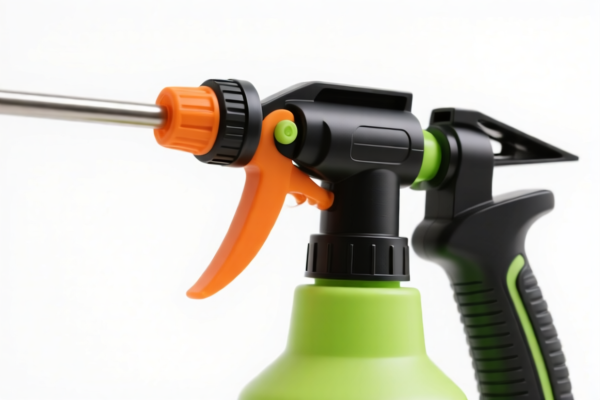
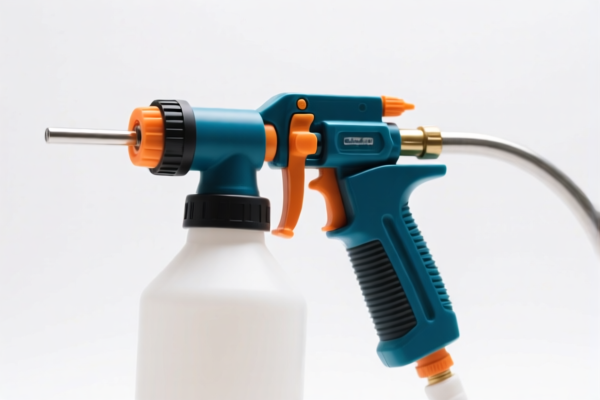
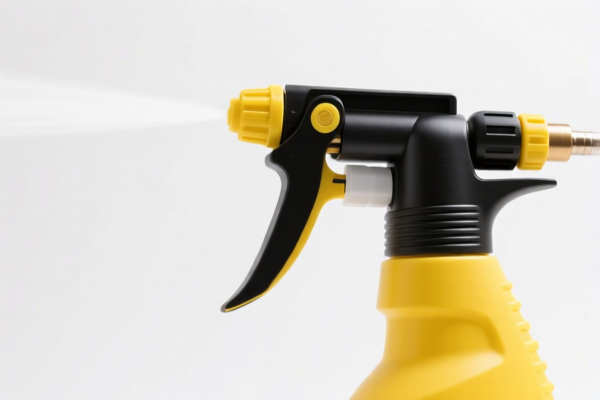
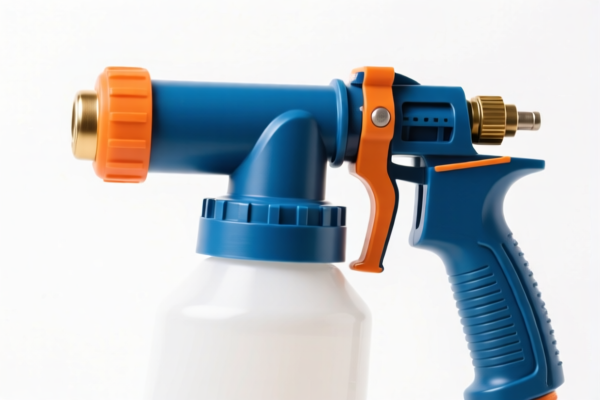
AI分析
🚿 Rinse Spray (Cleaning & Hygiene Solutions)
🌐 HS Code Reference & Customs Clearance Guide | 2026 Latest Tariff Analysis | Professional Entry Strategy
📌 I. Product Definition & Classification: What Exactly is "Rinse Spray"?
"Rinse Spray" is a broad term in the cleaning and hygiene sector. In international trade, it is rarely a standalone HS Code category. Instead, its classification depends entirely on its chemical composition and primary function.
Generally, Rinse Sprays fall into two main categories: 1. Household Cleaning/Hygiene Products: Plastic containers, sprays for dishes, surfaces, or personal hygiene (e.g., intimate washes, oral rinses). 2. Chemical Preparations: Organic surface-active agents (surfactants), disinfectants, or bleaching preparations.
⚠️ Key Distinction Point:
- If it is a finished consumer product in a plastic spray bottle for general hygiene/cleaning → Likely Chapter 39 (Plastics) or Chapter 34 (Soap/Cleaning Prep).
- If it has disinfectant/antimicrobial properties → Likely Chapter 38 (Miscellaneous Chemical Products).
📦 II. HS Code Classification Details (2026 Latest Tariff Authority Comparison)
Based on the inferred content, here are the five most likely HS Codes for "Rinse Spray," ranging from low to high tariffs.
| HS Code | Summary & Inference | Total Tax Rate | Tax Breakdown (Base + Additional + 122 Clause) |
|---|---|---|---|
3924.10.40.00 |
Plastic Container/Household Item: Inferred as a plastic container for household hygiene use. | 13.4% | Base: 3.4% Added: 0.0% 122 Clause: 10% |
3402.50.51.00 |
Organic Surfactant/Cleaning Prep: Organic surface-active agents or cleaning preparations. | 10.0% | Base: 0.0% Added: 0.0% 122 Clause: 10% |
3402.90.50.30 |
Chemical Preparation/Cleaning: Chemical preparations consistent with cleaning categories. | 38.7% | Base: 3.7% Added: 25.0% 122 Clause: 10% |
3924.90.56.50 |
Plastic Household Item (Other): Other plastic household/hygiene articles not elsewhere specified. | 20.9% | Base: 3.4% Added: 7.5% 122 Clause: 10% |
3808.59.40.00 |
Disinfectant (Formulation): Disinfectants in the form of preparations. | 40.0% | Base: 5.0% Added: 25.0% 122 Clause: 10% |
3808.94.50.95 |
Other Disinfectants (Liquid): Other disinfectants, liquid formulation logic. | 40.0% | Base: 5.0% Added: 25.0% 122 Clause: 10% |
🔍 Critical Insight:
- Lowest Risk/Cost:3402.50.51.00(10.0%) or3924.10.40.00(13.4%).
- Highest Risk/Cost:3808.59.40.00/3808.94.50.95(40.0%).
- Why the huge difference? If customs determines the product is a disinfectant (chemical action against pathogens) rather than a simple cleaner (mechanical/physical removal of dirt), the tariff jumps significantly due to anti-dumping/additional trade measures.
💰 III. 2026 Latest Tariff Rate Explanation (Detailed Tax Clauses)
✅ Applicable Country: United States (US)
✅ Origin: China (CN)
✅ Effective Date: Post-November 2025
🎯 1. 3924.10.40.00 & 3924.90.56.50 —— Plastic Household/Hygiene Articles
| Item | Detail |
|---|---|
| Base Duty | 3.4% |
| Section 301 (Added) Duty | 0.0% (for 3924.10) or 7.5% (for 3924.90) |
| Section 122 Duty | 10% |
| Total Effective Rate | 13.4% or 20.9% |
| Logic | These codes classify the product based on its packaging/material (plastic) or generic household use, assuming the content is not primarily a regulated chemical disinfectant. |
📌 Note:
- Section 301 tariffs apply to specific Chinese-origin goods.
- Section 122 (often associated with recent trade actions) adds a flat 10% on many consumer goods.
🎯 2. 3402.50.51.00 —— Organic Surface-Active Agents
| Item | Detail |
|---|---|
| Base Duty | 0.0% |
| Section 301 (Added) Duty | 0.0% |
| Section 122 Duty | 10% |
| Total Effective Rate | 10.0% |
| Logic | This is often the most favorable classification if the product is a standard cleaning rinse (e.g., dish rinse, fabric softener rinse) containing surfactants but no active disinfectant claim. |
📌 Logic:
- Base rate is 0% for many chemical surfactants.
- No Section 301 additional duty applies in this specific sub-category (depending on current updates).
- Only the 10% Section 122 duty applies.
🎯 3. 3808.59.40.00 & 3808.94.50.95 —— Disinfectants
| Item | Detail |
|---|---|
| Base Duty | 5.0% |
| Section 301 (Added) Duty | 25.0% |
| Section 122 Duty | 10% |
| Total Effective Rate | 40.0% |
| Logic | If the product is marketed or tested as a disinfectant (kills bacteria/viruses), it falls under Chapter 38. These goods are heavily targeted by trade policies, resulting in a 25% Section 301 duty. |
📌 Warning:
- 40% is the highest tier.
- Misclassifying a disinfectant as a cleaner can lead to customs audits, penalties, and back duties.
- Must have EPA registration (if in the US) to prove disinfectant status.
🎯 4. 3402.90.50.30 —— Other Chemical Preparations
| Item | Detail |
|---|---|
| Base Duty | 3.7% |
| Section 301 (Added) Duty | 25.0% |
| Section 122 Duty | 10% |
| Total Effective Rate | 38.7% |
| Logic | A "catch-all" for chemical preparations that don't fit neatly into surfactants or disinfectants. High tariffs apply due to Section 301. |
🛠️ IV. Customs Clearance Practical Advice (Pitfall Avoidance Guide)
✅ 1. Preparation Checklist (Non-Negotiable)
| Document | Required? | Explanation |
|---|---|---|
| ✅ Product Label & Marketing Copy | ✔️ | Does it say "Disinfectant," "Sanitizer," "Kill 99.9% of Germs"? If yes → Chapter 38 (High Tax). If it says "Cleans," "Rinses," "Shines" → Chapter 34/39 (Low Tax). |
| ✅ SDS (Safety Data Sheet) | ✔️ | Must clearly state active ingredients. |
| ✅ Formula Sheet | ✔️ | Percentage of surfactants vs. active biocides. |
| ✅ EPA Registration Number (USA) | ✔️ | Critical. If it claims disinfection, it MUST have an EPA number. If no EPA number but claims disinfection → Contraband/Seizure Risk. |
| ✅ Commercial Invoice | ✔️ | Clear description: "Plastic Spray Bottle with Cleaning Solution" vs. "Antimicrobial Rinse Spray". |
| ✅ Packing List | ✔️ | Net weight vs. Gross weight. |
✅ 2. Declaration Strategy (Key Mantras)
🔥 “Claim Determines Class, Class Determines Cost!”
| Scenario | Correct HS Code | Risk Level |
|---|---|---|
| Dish Rinse / Fabric Rinse (No germ-killing claim) | 3402.50.51.00 (10.0%) |
🟢 Low |
| Plastic Spray Bottle Empty | 3924.10.40.00 (13.4%) |
🟢 Low |
| Intimate Hygiene Rinse (Soap-like) | 3402.50.51.00 or 3924.90.56.50 |
🟡 Medium (Check ingredients) |
| Surface Disinfectant Spray | 3808.59.40.00 (40.0%) |
🔴 High Cost |
| Medical Sanitizer Spray | 3808.94.50.95 (40.0%) |
🔴 High Cost |
⚠️ Critical Warning:
- Do NOT misdeclare a disinfectant as a cleaner to save 30% in tariffs. US Customs and Border Protection (CBP) has strict rules.
- If your product has antimicrobial properties, you must declare it as such and pay the higher tax.
- If your product is just a cleaner, ensure your marketing materials DO NOT claim "kills germs" to avoid reclassification.
✅ 3. Special Cases
| Case | Handling Advice |
|---|---|
| OEM Private Label | Ensure the label matches the declared HS Code. If you claim "disinfectant" on the label but declare 3402, you will be caught. |
| Refill Packs | Often classified under 3402 or 3808 depending on content. Ensure packaging is clearly identified as "Refill." |
| Multi-Use Sprays | If it cleans AND disinfects, customs may default to the higher tariff (3808). Consult a customs broker. |
🌍 V. Global Market Comparison (2026)
| Country/Region | Recommended HS Code | Est. Total Duty | Key Certification | Notes |
|---|---|---|---|---|
| 🇺🇸 USA | 3402.50.51.00 |
10.0% | EPA (if disinfectant) | Best Option: Avoid 3808 if possible. |
| 🇨🇳 China | 3402.50.51.00 |
5% - 10% | CCC (if applicable) | Lower base tariffs, no Section 301. |
| 🇪🇺 EU | 3402 / 3808 |
0% - 6.5% | CLP, Biocidal Products Regulation (BPR) | Strict BPR rules for disinfectants. |
| 🇬🇧 UK | 3402 / 3808 |
0% - 6.5% | BPR (UK) | Post-Brexit rules apply. |
| 🇦🇺 Australia | 3402 / 3808 |
5% | ADR, APVMA | APVMA registration required for disinfectants. |
📌 Conclusion:
- USA: The difference between 10% and 40% is massive. Optimize marketing claims to stay in3402if the product is only a cleaner.
- EU/UK/AU: Disinfectants require strict biocidal registration, regardless of tariff.
📌 VI. Common Mistakes & Pitfalls (Lessons Learned)
❌ Mistake 1: Declaring a "Disinfectant Spray" as "Cleaning Spray" (3402)
👉 Consequence: Customs audit → Back duties (30% difference) + Penalties + Possible seizure.
❌ Mistake 2: No EPA Registration for a Disinfectant Claim
👉 Consequence: Goods held at port → Destruction or re-export. Illegal in the US.
❌ Mistake 3: Using Vague Descriptions like "Rinse Solution"
👉 Consequence: Customs may assign the highest possible duty (3808) due to uncertainty.
❌ Mistake 4: Ignoring Section 122 Duty
👉 Consequence: Underestimation of total landed cost. Always add 10% on top of base + 301.
✅ Correct Approach:
"Household Cleaning Rinse Spray, Plastic Bottle, Surfactant-Based, Non-Medical, No Antimicrobial Claims"
→ HS Code:3402.50.51.00
→ Tax: 10.0%
🎯 VII. Conclusion: Professional Declaration, Cost Optimization!
🎯 Remember the Mantra:
🔹 "Cleaners are Cheap (10-13%), Disinfectants are Expensive (40%)."
🔹 "Claims dictate Code. Code dictates Cost."
🔹 "If it kills germs, declare it as such. If it just cleans, don't claim killing."
📌 Pro Tip:
If your product is borderline, consider reformulating to remove active biocides to qualify for 3402 (10% tax).
If reformulation is not possible, budget for 40% tax and ensure full EPA compliance.
Always apply for a Binding Ruling (CBP) before shipping large volumes to lock in the HS Code.
📣 Take Action Now:
📞 Consult a licensed Customs Broker.
📄 Review your Marketing Label for "Disinfectant" claims.
🚀 Clear Customs, Save Money, Scale Fast!
✨ Professional Customs Clearance Starts with Precise Classification!
💼 Your Profit Margin Depends on This 30% Difference!
用户评价
关于 HS 编码归类
协调制度(HS)是由世界海关组织(WCO)制定的国际贸易商品分类标准。全球 200 多个国家采用 HS 系统作为海关关税、贸易统计和进出口监管的基础。
每个 HS 编码遵循以下层级结构:
- 章(2 位)——商品大类(例如:第 84 章:机器和机械设备)
- 品目(4 位)——章内的更具体分类
- 子目(6 位)——国际通用细分,所有 WCO 成员国统一使用
- 本国细分(8-10 位)——各国自行扩展的细分编码,如美国 HTSUS 10 位编码
正确的 HS 编码归类对于顺利通关、准确缴纳关税和遵守贸易法规至关重要。错误归类可能导致海关延误、多缴关税或罚款。
从CN进口到US时,适用的关税税率可能包括:
- 最惠国(MFN)税率——适用于 WTO 成员国的标准关税税率
- 普通税率——适用于无贸易协定国家
- 贸易救济关税——附加关税,如 301 条款(反倾销)、232 条款(国家安全)或反补贴税
本页内容仅供参考。如需正式归类,请咨询当地海关或持牌报关代理。