Rosin Alcohol Oil
CN → US| HS编码 | 关税税率 | 原产国 | 目的国 | 文档 |
|---|---|---|---|---|
| 3911100000 | 41.1% | CN | US | 官方文档 |
| 1301904000 | 18.8% | CN | US | 官方文档 |
| 3806100010 | 40.0% | CN | US | 官方文档 |
| 1301909190 | 17.5% | CN | US | 官方文档 |
| 3806100050 | 40.0% | CN | US | 官方文档 |
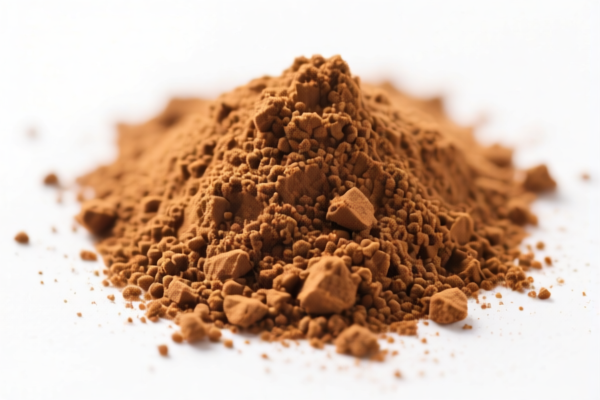
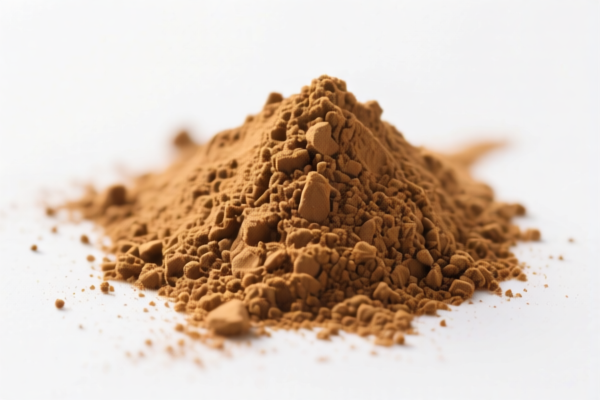
商品图片


AI分析
🌲 Rosin Alcohol Oil (Rosin-Alcohol Solution)
Also known as: Rosin Rosin Solution, Alcohol-Soluble Rosin, Damar-like Resin Solution
🌐 HS Code Reference & Customs Clearance Guide | 2026 Latest Tariff Analysis | Professional Entry Strategy
📌 I. Product Definition: What is "Rosin Alcohol Oil"?
"Rosin Alcohol Oil" is not a single chemical compound but a solution where Rosin (Colophony) is dissolved in Alcohol (Ethanol/Methanol) as a solvent. It is widely used in adhesives, varnishes, printing inks, and fluxes.
⚠️ Critical Classification Challenge:
The Harmonized System (HS) does not have a specific heading for "Rosin dissolved in Alcohol." Therefore, classification depends on whether customs views it as: 1. The Base Material (Rosin): Classified under natural resins (Chapter 13 or 39). 2. The Processed Chemical Product: Classified under prepared resins/acids (Chapter 38).
Based on the provided data, there are five potential HS Code classifications, ranging from natural resin categories to processed chemical categories. Each has significantly different tax implications.
📦 II. HS Code Classification Details (2026 Latest Tariff Authority Comparison)
| HS Code | Product Description | Key Classification Logic | Base Duty | Add. Duty (301) | 122 Clause | Total Tax Rate |
|---|---|---|---|---|---|---|
3911.10.00.00 |
Natural Resins, in Primary Forms | Rosin is a natural resin; alcohol is seen as a non-conflicting solvent/forming agent. | 6.1% | 25.0% | 10% | 41.1% |
1301.90.40.00 |
Other Copal, Kauri, Gambir, etc. (Resinous Extracts) | Core component is Rosin (a resinous extract/oil resin); fits "natural resin" scope. | 1.3% | 7.5% | 10% | 18.8% |
3806.10.00.10 |
Rosins and Rosin Acids | Rosin is the key material; alcohol is a derivative/mixing form consistent with this category. | 5.0% | 25.0% | 10% | 40.0% |
1301.90.91.90 |
Other Natural Resins (Catch-all) | Rosin is a natural resin; alcohol is a solvent; this is the "other" catch-all for natural resins. | 0.0% | 7.5% | 10% | 17.5% |
3806.10.00.50 |
Other Rosins and Rosin Acids | Rosin fits the material definition; alcohol is a common processing/dissolved form. | 5.0% | 25.0% | 10% | 40.0% |
🔍 Key Insight:
- Lowest Tax Options:1301.90.40.00(18.8%) and1301.90.91.90(17.5%) rely on arguing that the product is a Natural Resin Extract. - Highest Tax Options:3911.10.00.00(41.1%),3806.10.00.10(40.0%), and3806.10.00.50(40.0%) apply high 301 tariffs (25%) because they are classified under broader resin/chemical headers that attract heavier punitive duties.
💰 III. 2026 Latest Tariff Rate Breakdown (Including Surtaxes & Policy Surcharges)
✅ Applicable Country: United States (US)
✅ Origin: China (CN)
✅ Effective Date: Post-November 10, 2025 (Includes subsequent imports)
🎯 1. 3911.10.00.00 —— Natural Resins, in Primary Forms
| Item | Content |
|---|---|
| Base Rate | 6.1% (ad valorem) |
| USITC Add. Duty (301) | +25.0% |
| Section 122 Duty | +10.0% |
| Total Rate | 41.1% |
| Calculation | CIF Value × 41.1% |
| De Minimis Exemption | ❌ Not Eligible (High risk of inspection) |
| Legal Basis Path | USITC:3911.10.00.00 → FOOTNOTE:301 → SECTION_122 |
📌 Explanation:
- Classified as "Natural Resin in Primary Forms." - High tariff burden due to 301 Section (25%) and Section 122 (10%). - Suitable only if the product is strictly defined as raw natural resin with minimal processing.
🎯 2. 1301.90.40.00 —— Other Resinous Extracts (Lowest Tax Strategy?)
| Item | Content |
|---|---|
| Base Rate | 1.3% |
| USITC Add. Duty (301) | +7.5% |
| Section 122 Duty | +10.0% |
| Total Rate | 18.8% |
| Calculation | CIF Value × 18.8% |
| De Minimis Exemption | ❌ Not Eligible |
| Legal Basis Path | USITC:1301.90.40.00 → FOOTNOTE:301 → SECTION_122 |
📌 Explanation:
- Significant Tax Savings: Only 18.8% vs. 41.1%. - Justification: Argues that Rosin is a "Resinous Extract" similar to Copal or Kauri. - Risk: Customs may challenge if the alcohol content is high, arguing it’s a "Prepared Chemical" (Chapter 38) rather than a "Natural Extract" (Chapter 13).
🎯 3. 3806.10.00.10 & 3806.10.00.50 —— Prepared Resins/Acids
| Item | Content |
|---|---|
| Base Rate | 5.0% |
| USITC Add. Duty (301) | +25.0% |
| Section 122 Duty | +10.0% |
| Total Rate | 40.0% |
| Calculation | CIF Value × 40.0% |
| De Minimis Exemption | ❌ Not Eligible |
| Legal Basis Path | USITC:3806.10.00.10/50 → FOOTNOTE:301 → SECTION_122 |
📌 Explanation:
- These codes fall under Chapter 38 ("Miscellaneous Chemical Products"). - Alcohol is viewed as a solvent creating a "prepared" product. - Subject to the full 25% 301 tariff, making it nearly as expensive as Code3911.
🎯 4. 1301.90.91.90 —— Other Natural Resins (Catch-All)
| Item | Content |
|---|---|
| Base Rate | 0.0% |
| USITC Add. Duty (301) | +7.5% |
| Section 122 Duty | +10.0% |
| Total Rate | 17.5% |
| Calculation | CIF Value × 17.5% |
| De Minimis Exemption | ❌ Not Eligible |
| Legal Basis Path | USITC:1301.90.91.90 → FOOTNOTE:301 → SECTION_122 |
📌 Explanation:
- Lowest Total Tax: Only 17.5%. - Logic: Uses the "Other" catch-all for natural resins. Base duty is 0%, and the 301 surcharge is only 7.5%. - Aggressive Strategy: Requires strong documentation proving the product is primarily a natural resin, not a manufactured chemical mixture.
🛠️ IV. Customs Clearance Practical Advice (Battle-Tested Pitfall Guide)
✅ 1. Document Checklist (Non-Negotiable)
| Document | Required | Purpose |
|---|---|---|
| ✅ Safety Data Sheet (SDS) | ✔️ | Must clearly list Rosin as the primary ingredient and Alcohol as the solvent. |
| ✅ Certificate of Analysis (CoA) | ✔️ | Specifies concentration of Rosin vs. Alcohol. Critical for distinguishing between "Natural Extract" (Ch. 13) and "Prepared Chemical" (Ch. 38). |
| ✅ Product Specification Sheet | ✔️ | Details the type of Rosin (Gum, Tall Oil, Wood Rosin) and type of Alcohol (Ethanol, Methanol). |
| ✅ Commercial Invoice | ✔️ | Description must match HS Code logic (e.g., "Rosin Resin Solution" vs. "Prepared Chemical"). |
| ✅ Bill of Lading | ✔️ | Ensure weight/volume matches CI. |
| ✅ Letter of Explanation | ✔️ | Crucial: Explain why HS 1301 is chosen over 3806 (i.e., "The essential character is the natural resin, not the solvent."). |
✅ 2. Declaration Strategy (Key Formulas)
🔥 "Low Tax Path: Natural Character, Not Chemical Mix!"
| Scenario | Recommended HS Code | Risk Level | Tax Rate |
|---|---|---|---|
| High Rosin Content (>70%), Low Solvent | 1301.90.91.90 |
⚠️ Medium | 17.5% |
| Standard Solution, Mixed Use | 1301.90.40.00 |
⚠️ Medium | 18.8% |
| Highly Processed/Purified | 3806.10.00.10/50 |
✅ Low (Safe) | 40.0% |
| Raw Natural Resin with Minimal Solvent | 3911.10.00.00 |
✅ Low (Safe) | 41.1% |
📌 Critical Warning:
- Do NOT declare as "Chemical Solvent Mixture" under Chapter 38 if you aim for low tax. Customs will assign3806and charge 40%. - If you declare under Chapter 13 (1301), be prepared for a technical inquiry from CBP. The argument is: "The alcohol is a processing medium, not a functional ingredient changing the essential character of the resin."
✅ 3. Special Case Handling
| Situation | Handling Advice |
|---|---|
| Tall Oil Rosin vs. Gum Rosin | Gum Rosin is more likely to be accepted under 1301. Tall Oil Rosin (a by-product of paper industry) might be challenged as "Industrial Chemical" (3806). |
| Alcohol Content >50% | High risk of reclassification to 3806 or 2207. If alcohol is the main component, it’s not a resin solution. |
| Labeling | Use terms like "Rosin-Based Solution" rather than "Chemical Adhesive." |
🌍 V. Global Market Comparison (2026)
| Country/Region | Recommended HS Code | Estimated Duty | Notes |
|---|---|---|---|
| 🇺🇸 USA | 1301.90.91.90 |
17.5% | Best Option: Requires strong justification. |
| 🇨🇳 China | 1301.90.40.00 |
~1-2% | Low duty, no punitive surcharges. |
| 🇪🇺 EU | 3806.10.00 |
~5-6% | No Section 122 or 301 equivalents. |
| 🇯🇵 Japan | 1301.90.00 |
~0-2% | Generally low duty for natural resins. |
📌 Conclusion:
- The US market is the most complex due to punitive tariffs (301 + 122). - China, EU, and Japan treat Rosin solutions as standard chemicals/natural resins with no geopolitical surcharges.
📌 VI. Common Errors & Pitfalls (Lessons Learned)
❌ Error 1: Declaring "Rosin Alcohol Oil" as 3824.99 (Prepared Binders)
👉 Consequence: CBP reclassifies to 3806.10 → 40% Tax.
👉 Fix: Provide CoA showing natural resin origin.
❌ Error 2: Using "Adhesive" in the description without HS Code alignment
👉 Consequence: Triggers scrutiny for "Chemical Mixtures" → 40-41% Tax.
👉 Fix: Use "Rosin Solution" in description.
❌ Error 3: Ignoring Section 122 Duty
👉 Consequence: Underpaying 10% of duty → Back Taxes + Penalties.
👉 Fix: Always include 10% Section 122 in cost calculations for China-origin goods.
✅ Correct Practice:
"Rosin Solution, Alcohol-Based, For Adhesive Use, Rosin Content: XX%, Model XYZ, Origin: China"
🎯 VII. Conclusion: Strategic Classification for Cost Optimization
🎯 Key Takeaway:
Classifying Rosin Alcohol Oil under Chapter 13 (
1301) rather than Chapter 38 (3806) can save you up to 22.6% in total duties (17.5% vs. 40.1%).🔹 "Natural Character is King!"
🔹 "Document the Resin, Not the Solvent!"
🔹 "Section 122 Adds 10% Always!"
📌 Pro Tip:
If your Rosin is Gum Rosin (from trees), it has a stronger case for 1301.90.91.90 (17.5%).
If it is Tall Oil Rosin (pulp industry by-product), Customs may prefer 3806.10 (40.0%).
Recommendation: Apply for an Advance Ruling from CBP if shipment volume is large, to lock in the 17.5% rate.
📣 Immediate Action:
📞 Consult your customs broker NOW.
📄 Prepare SDS and CoA highlighting Natural Resin Origin.
🚀 Optimize your supply chain costs by 22%+ through smart classification!
✨ Professional Clearance, Precise Classification, Maximizing Profit!
💼 Every dollar saved on duty is pure profit.
用户评价
关于 HS 编码归类
协调制度(HS)是由世界海关组织(WCO)制定的国际贸易商品分类标准。全球 200 多个国家采用 HS 系统作为海关关税、贸易统计和进出口监管的基础。
每个 HS 编码遵循以下层级结构:
- 章(2 位)——商品大类(例如:第 84 章:机器和机械设备)
- 品目(4 位)——章内的更具体分类
- 子目(6 位)——国际通用细分,所有 WCO 成员国统一使用
- 本国细分(8-10 位)——各国自行扩展的细分编码,如美国 HTSUS 10 位编码
正确的 HS 编码归类对于顺利通关、准确缴纳关税和遵守贸易法规至关重要。错误归类可能导致海关延误、多缴关税或罚款。
从CN进口到US时,适用的关税税率可能包括:
- 最惠国(MFN)税率——适用于 WTO 成员国的标准关税税率
- 普通税率——适用于无贸易协定国家
- 贸易救济关税——附加关税,如 301 条款(反倾销)、232 条款(国家安全)或反补贴税
本页内容仅供参考。如需正式归类,请咨询当地海关或持牌报关代理。