Rotary Handle
CN → US| HS编码 | 关税税率 | 原产国 | 目的国 | 文档 |
|---|---|---|---|---|
| 7326908676 | 87.9% | CN | US | 官方文档 |
| 7326908688 | 87.9% | CN | US | 官方文档 |
| 3926301000 | 24.0% | CN | US | 官方文档 |
| 3926902500 | 24.0% | CN | US | 官方文档 |
| 8205595560 | 40.3% | CN | US | 官方文档 |
商品图片
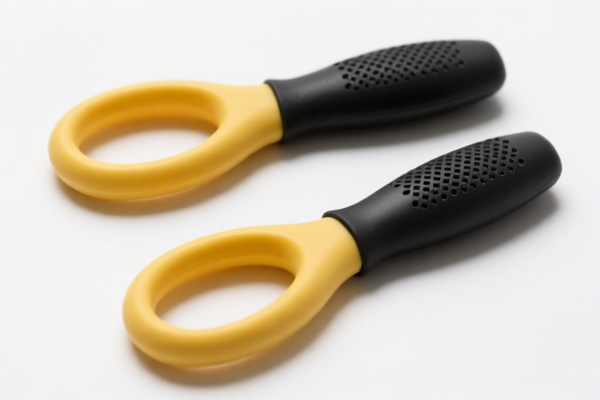
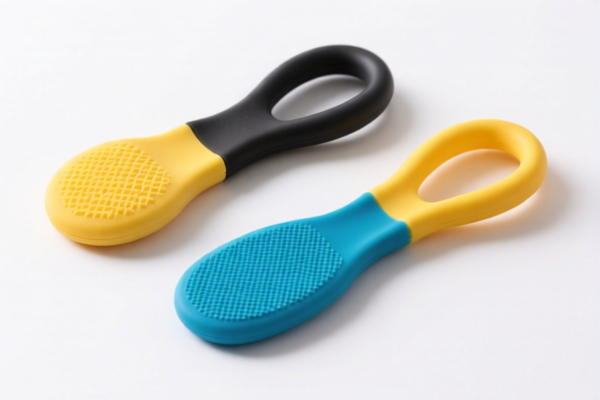
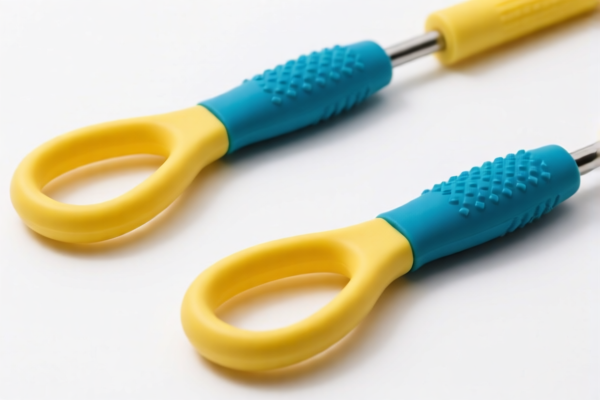
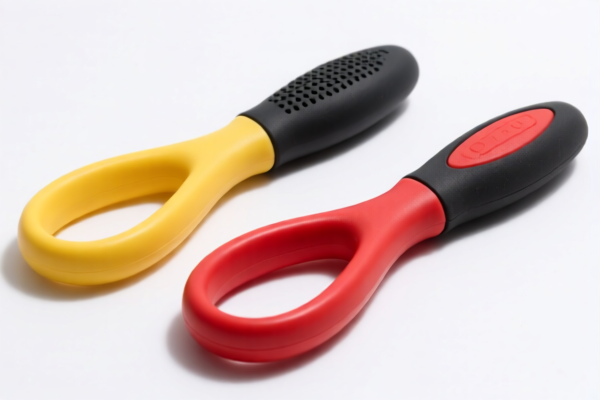
AI分析
🔄 Rotary Handle (Turning Handles / Knobs)
🌐 HS Code Reference & Customs Clearance Guide | 2026 Latest Tariff Analysis | Professional Strategy for Metal & Plastic Variants
📌 1. Product Definition & Classification: Do You Know What Your "Rotary Handle" Is Made Of?
The term "Rotary Handle" is a generic description that covers a wide range of components. In international trade, classification depends strictly on material composition and specific usage. Misclassification here leads to drastically different tax rates (from 24% to 87.9%).
There are two main categories: * Plastic Handles/Knobs: Made primarily of polymers (PP, ABS, PVC). * Metal Handles/Turns: Made of iron, steel, aluminum, or other base metals.
⚠️ Key Distinction Point:
- If the item is Plastic and used as a grip/knob → Likely 3926 series.
- If the item is Metal (Steel/Iron) and used as a turn/lever → Likely 7326 or 8205 series.
- Warning: Metal items are subject to significantly higher additional tariffs due to Section 301 and Section 232 measures.
📦 2. HS Code Classification Details (Based on Provided Data)
| HS Code | Summary / Inference Logic | Material Type | Primary Use |
|---|---|---|---|
| 7326.90.86.76 | Inferred based on parts rules: Metal handle turning component | Metal (General) | Industrial/Machinery Handle |
| 7326.90.86.88 | Inferred based on parts rules: Iron or Steel handle turning component | Iron / Steel | Heavy-duty or Structural Handle |
| 3926.30.10.00 | Inferred based on handle/knob usage: Plastic rotary handle | Plastic | Consumer Goods, Furniture, Appliances |
| 3926.90.25.00 | Inferred based on plastic product characteristics: Plastic handle & knob | Plastic | General Plastic Hardware |
| 8205.59.55.60 | Inferred based on tool accessory attributes: Iron/Steel handle part | Iron / Steel | Tool Handle / Hand Tool Accessory |
🔍 Important Note:
- The Metal HS codes (7326 and 8205) carry a Total Tax Rate of 87.9% or 40.3%.
- The Plastic HS codes (3926) carry a Total Tax Rate of 24.0%.
- Choosing the wrong material classification can result in an unexpected ~64% tax difference.
💰 3. 2026 Latest Tariff Rate Breakdown (Including Additional Taxes)
✅ Applicable Country: United States (US)
✅ Origin: China (CN) (Inferred from "Section 122" and "Section 301" references)
✅ Effective Time: Current regulations include Section 301 and Section 232 additions.
🎯 1. Metal Handles (HS 7326 & 8205 Series)
High Tariff Category – Heavy Additional Duties Apply
A. 7326.90.86.76 (Metal Handle Turning Part) & 7326.90.86.88 (Iron/Steel)
| Item | Content |
|---|---|
| Basic Tariff | 2.9% |
| Section 301 Additional Tariff | +25.0% (Trade Act Section 301) |
| Section 122 / Steel & Aluminum Tariff | +50.0% (Specific to steel/aluminum products under Section 232/122 rules) |
| Total Tax Rate | 87.9% |
| Tax Calculation | CIF Value × 87.9% |
| De Minimis Exemption? | ❌ NO (Deny De Minimis) |
📌 Explanation:
- The 2.9% is the standard Most Favored Nation (MFN) rate.
- The 25% is the standard USITC Section 301 tariff on Chinese goods.
- The 50% is the critical "Section 122" or "Steel/Aluminum" surcharge, often applied to metal hardware.
- Total Impact: Almost 90% of the value is tax. This makes metal handles extremely expensive to import into the US from China.
B. 8205.59.55.60 (Iron/Steel Tool Handle Part)
| Item | Content |
|---|---|
| Basic Tariff | 5.3% |
| Section 301 Additional Tariff | +25.0% |
| Section 122 Additional Tariff | +10.0% |
| Total Tax Rate | 40.3% |
| Tax Calculation | CIF Value × 40.3% |
| De Minimis Exemption? | ❌ NO |
📌 Explanation:
- While lower than the 7326 series, 40.3% is still very high.
- This classification assumes it is a "tool accessory" rather than a general metal article, hence the 10% additional tariff instead of 50%.
- Crucial: Ensure the "tool accessory" definition strictly applies; otherwise, customs may reclassify to 7326 (87.9%).
🎯 2. Plastic Handles (HS 3926 Series)
Lower Tariff Category – No Steel/Aluminum Surcharge
A. 3926.30.10.00 (Plastic Rotary Handle) & 3926.90.25.00 (Plastic Handle & Knob)
| Item | Content |
|---|---|
| Basic Tariff | 6.5% |
| Section 301 Additional Tariff | +7.5% |
| Section 122 Additional Tariff | +10.0% |
| Total Tax Rate | 24.0% |
| Tax Calculation | CIF Value × 24.0% |
| De Minimis Exemption? | ❌ NO |
📌 Explanation:
- Plastic is not subject to Section 232 (Steel/Aluminum) tariffs.
- The 7.5% Section 301 rate is lower than the 25% rate for some categories (or may reflect specific chapter exclusions/rates depending on the latest update).
- The 10% Section 122 tariff applies to general Chinese imports.
- Total Impact: 24% is manageable compared to 87.9%. This is the preferred classification if the product is indeed plastic.
🛠️ 4. Customs Clearance Practical Advice (Real-World Pitfall Guide)
✅ 1. Document Checklist (Non-Negotiable)
| Document | Required? | Explanation |
|---|---|---|
| Product Specification Sheet | ✔️ | Must explicitly state Material Composition (e.g., "100% ABS Plastic" or "Stainless Steel"). |
| Photographs (Clear) | ✔️ | Show texture (brushed metal vs. smooth plastic). Color alone is not proof of material. |
| Bill of Materials (BOM) | ✔️ | For composite items, breakdown must show if core material is metal/plastic. |
| Commercial Invoice | ✔️ | Description must be precise: "Plastic Rotary Handle" or "Steel Turning Lever". Avoid vague terms like "Handle Part". |
| Manufacturer Declaration | ✔️ | Confirm origin and material. |
✅ 2. Declaration Strategy (Key Mantras)
🔥 "Material is King, Description is Queen! Vague Descriptions = 88% Tax!"
| Scenario | Correct Declaration | Incorrect Declaration | Consequence |
|---|---|---|---|
| Plastic Handle | "Plastic Rotary Handle for Cabinet" | "Handle Part" | Risk of misclassification to Metal (87.9%) |
| Steel Handle | "Iron Steel Turning Lever" | "Knob" | Risk of being seen as "General Metal" (87.9%) |
| Tool Handle | "Steel Handle for Wrench" | "Metal Part" | Risk of being seen as General Metal (87.9%) |
| Composite | "Plastic Grip with Metal Insert" | "Rotary Handle" | Complex classification; usually taxed by main function/material |
✅ 3. Special Situations
| Situation | Handling Advice |
|---|---|
| Mixed Materials | If >50% by weight or essential character is plastic, try to argue for 3926. If metal core, prepare for 7326/8205. |
| Sample vs. Mass Production | Ensure samples match mass production material. Customs may seize if they suspect "Plastic" but find "Metal". |
| OEM Custom Parts | Provide the buyer's design spec that defines the material. |
| Section 122 Exemptions | Check if your specific product category has any temporary exemptions from the 10% Section 122 tariff. |
🌍 5. Global Market Comparison (2026 Snapshot)
| Country/Region | Recommended HS Code (Plastic) | Tariff (Plastic) | Recommended HS Code (Metal) | Tariff (Metal) | Notes |
|---|---|---|---|---|---|
| 🇺🇸 USA | 3926.30.10.00 / 3926.90.25.00 |
24.0% | 7326.90.86.76 / 8205.59.55.60 |
40.3% - 87.9% | High Risk Market. Metal tariffs are punitive. |
| 🇨🇳 China | 3926.90.90 |
~6.5% | 7326.90.90 |
~8-10% | Lower barriers for exports to China. |
| 🇪🇺 EU | 3926.90 |
~4% | 7326.90 |
~4% | No Section 301/122 equivalents. Standard WTO rates apply. |
| 🇬🇧 UK | 3926.90 |
~4% | 7326.90 |
~4% | Post-Brexit, aligns with EU tariffs generally. |
📌 Conclusion:
- The USA is the only major market where this distinction creates a massive cost disparity (24% vs 88%).
- For US imports, Plastic (3926) is vastly more profitable than Metal (7326/8205).
- If your product is metal, consider if it can be redesigned with plastic components to qualify for the lower rate, or if the value proposition supports the 87.9% tax.
📌 6. Common Errors & Pitfalls (Lessons Learned)
❌ Error 1: Declaring a Steel Handle as "Handle Part" without material specification.
👉 Consequence: Customs assumes worst-case scenario or inspects physically. If found steel → 87.9% tax + penalties.
❌ Error 2: Declaring a Plastic Handle with a small metal core as "Plastic" to avoid tax.
👉 Consequence: Audits may reclassify based on "Essential Character" → Back taxes + interest.
❌ Error 3: Using 8205 for a Non-Tool metal handle.
👉 Consequence: 8205 is for tools. If it's a cabinet handle, it falls to 7326 → 87.9% instead of 40.3%.
✅ Correct Practice:
Be specific.
"ABS Plastic Rotary Handle for Kitchen Cabinet, Model X"
"Stainless Steel Turning Lever for Industrial Valve, Model Y"
🎯 7. Conclusion: Precise Classification Saves Millions!
🎯 Remember the Mantra:
🔹 "Plastic is 24%, Steel is 88%! Don't let a 'Handle' cost you half its value!"
🔹 "Specify Material, Specify Use, Avoid the 301/122 Trap!"
📌 Pro Tip:
If you are importing Metal Handles into the US, investigate HTS Exclusions or Product-Specific Exclusions for Section 301 duties immediately. Also, consider if the product can be classified as a "Tool Accessory" (8205) at 40.3% instead of "General Metal" at 87.9%.
📣 Immediate Action Required:
📞 Consult a Customs Broker with Product Specifications (Material & Function).
📝 Apply for a Binding Ruling or Pre-Clearance Opinion if the volume is high.
🚀 Optimize your supply chain to avoid the 87.9% tariff wall!
✨ Professional Clearance Starts with Accurate HS Codes!
💼 Every Percentage Point of Tax is Pure Profit Loss!
用户评价
关于 HS 编码归类
协调制度(HS)是由世界海关组织(WCO)制定的国际贸易商品分类标准。全球 200 多个国家采用 HS 系统作为海关关税、贸易统计和进出口监管的基础。
每个 HS 编码遵循以下层级结构:
- 章(2 位)——商品大类(例如:第 84 章:机器和机械设备)
- 品目(4 位)——章内的更具体分类
- 子目(6 位)——国际通用细分,所有 WCO 成员国统一使用
- 本国细分(8-10 位)——各国自行扩展的细分编码,如美国 HTSUS 10 位编码
正确的 HS 编码归类对于顺利通关、准确缴纳关税和遵守贸易法规至关重要。错误归类可能导致海关延误、多缴关税或罚款。
从CN进口到US时,适用的关税税率可能包括:
- 最惠国(MFN)税率——适用于 WTO 成员国的标准关税税率
- 普通税率——适用于无贸易协定国家
- 贸易救济关税——附加关税,如 301 条款(反倾销)、232 条款(国家安全)或反补贴税
本页内容仅供参考。如需正式归类,请咨询当地海关或持牌报关代理。