Rough Fir Wood
CN → US| HS编码 | 关税税率 | 原产国 | 目的国 | 文档 |
|---|---|---|---|---|
| 4407120058 | 35.0% | CN | US | 官方文档 |
| 4407190054 | 35.0% | CN | US | 官方文档 |
商品图片
AI分析
🌲 Rough Fir Wood (Clad in Coniferous Timber)
🌐 HS Code Reference & Customs Clearance Guide | 2024/2025 Tariff Full Analysis | Professional Entry Strategy 📌 1. Product Definition & Classification: Do You Understand "Fir Wood" in the Coniferous Category?
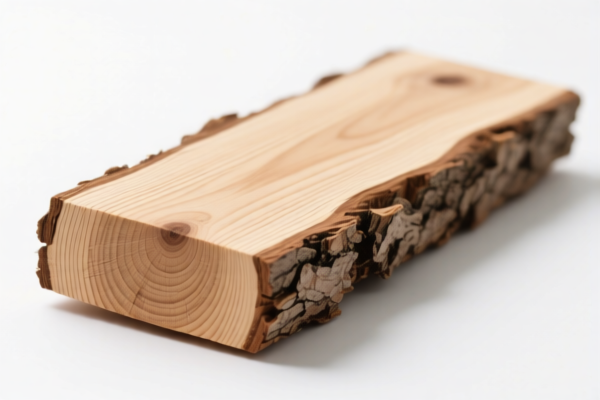
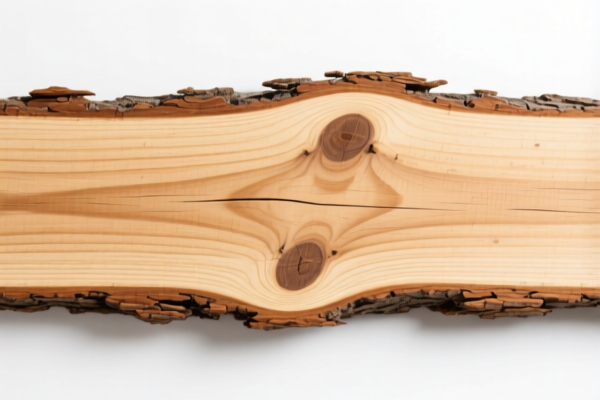
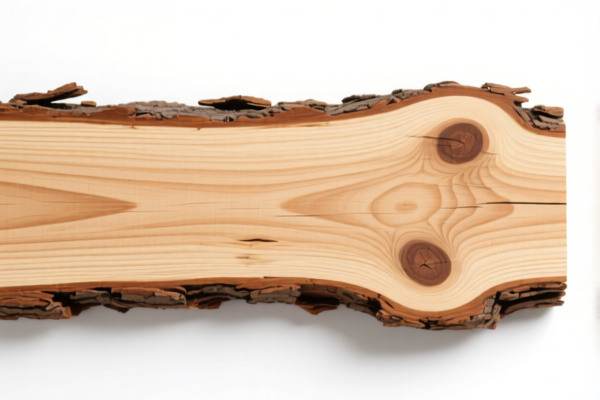
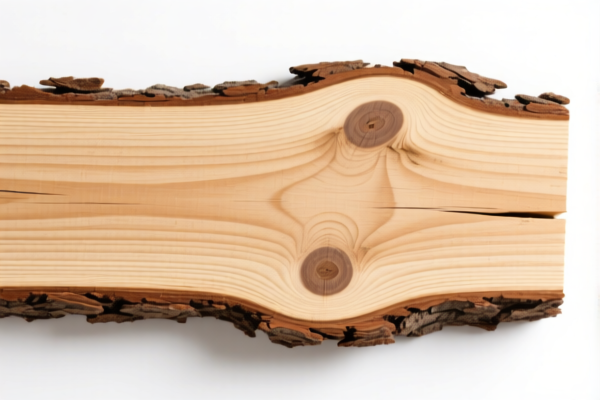
Rough Fir Wood refers to coniferous timber that has been sawn, chipped, sliced, or peeled lengthwise, with a thickness exceeding 6mm, and has not been planed, sanded, or end-jointed to a smooth finish. In international trade, it is primarily classified under Chapter 44 (Wood and articles of wood).
Key Distinction for "Fir (Abies spp.)": * Rough State: The wood is in its basic sawn form, not further worked (no planing/sanding). * Thickness: Must exceed 6mm. * Species: Specifically Abies spp. (Fir), distinct from Spruce (Picea) or Douglas-fir (Pseudotsuga).
⚠️ Critical Classification Point: - If the wood is planed, sanded, or end-jointed → It may fall under different subheadings or be considered "worked wood." - If the wood is Spruce (Picea spp.) → It falls under
4407.12.00.00(but not the "Fir" specific rough sub-item). - If the wood is Douglas-fir (Pseudotsuga menziesii) → It falls under4407.19(Other Coniferous), not under4407.12(Fir/Spruce). - This guide focuses on Rough Fir (Abies spp.) and Rough Douglas-fir as per the provided data.
📦 2. HS Code Classification Details (Authoritative对照 for Provided Data)
| HS Code | Product Description | Application Scenario | Tax Rate (Total) |
|---|---|---|---|
4407.12.00.58 |
Rough Fir Wood (Abies spp.) | Unworked coniferous timber, >6mm thick, rough sawn | 25.0% |
4407.19.00.54 |
Rough Douglas-fir Wood (Pseudotsuga menziesii) | Unworked coniferous timber, <5.1cm minimum dimension | 25.0% |
🔍 Key Reminder: -
4407.12.00.58: Specifically for Fir (Abies). The "Rough" specification is critical. If planed, this code is invalid. -4407.19.00.54: Specifically for Douglas-fir with minimum dimension <5.1 cm. If the dimension is ≥5.1 cm, it may fall under a different "Other" subheading. - Do not mix up Fir and Douglas-fir: They are different species and have different HS codes.
💰 3. 2024/2025 Latest Tariff Rate Details (Including Additional Taxes)
✅ Applicable Country: United States (US) ✅ Origin: China (CN) (Assumed based on typical 25% additional tax context, though data shows 25% total) ✅ Effective Time: Current Tariff Schedule
🎯 1. 4407.12.00.58 —— Rough Fir Wood (Abies spp.)
| Item | Content |
|---|---|
| Base Tariff | 0.0% (Ad Valorem) |
| Additional Tariff | 25.0% (Section 301 / Trade Act) |
| Total Tax Rate | 25.0% |
| Tax Calculation | CIF Value × 25% |
| De Minimis Exemption | ❌ Not Eligible (For amounts over $800, standard duties apply; for small packages, check current CBP rules, but generally Section 301 items are restricted) |
| Legal Basis | USHTS 4407.12.00.58 + 25% Additional Duty |
📌 Explanation: - Base Tax: 0% for most wood products. - Additional Tax: 25% is applied due to trade restrictions (likely Section 301). - Total Cost Impact: Importers must budget for a 25% tariff on the CIF value.
🎯 2. 4407.19.00.54 —— Rough Douglas-fir Wood (Pseudotsuga menziesii)
| Item | Content |
|---|---|
| Base Tariff | 0.0% (Ad Valorem) |
| Additional Tariff | 25.0% (Section 301 / Trade Act) |
| Total Tax Rate | 25.0% |
| Tax Calculation | CIF Value × 25% |
| De Minimis Exemption | ❌ Not Eligible |
| Legal Basis | USHTS 4407.19.00.54 + 25% Additional Duty |
📌 Note: - This code applies only to Douglas-fir with a minimum dimension less than 5.1 cm. - If the wood is larger (≥5.1 cm), it may be classified under
4407.19.00generally, but the specific sub-code54is dimension-specific. - Tax Rate is identical (25%) to Fir wood due to the same trade policy.
🛠️ 4. Customs Clearance Practical Advice (Real-World Pitfall Guide)
✅ 1. Required Documentation Checklist
| Document | Mandatory | Description |
|---|---|---|
| ✅ Commercial Invoice | ✔️ | Must clearly state "Rough Fir Wood" or "Rough Douglas-fir Wood," species (Abies or Pseudotsuga), and dimensions. |
| ✅ Packing List | ✔️ | Detail the quantity, weight, and dimensions of each bundle/lot. |
| ✅ Phytosanitary Certificate | ✔️ | Crucial for wood. Issued by the origin country's plant protection agency to prove freedom from pests. |
| ✅ IPPC Mark | ✔️ | Packaging must be treated and marked with the IPPC logo (if wooden pallets/crates are used). |
| ✅ Bill of Lading/Air Waybill | ✔️ | Standard transport document. |
| ✅ Material Safety Data Sheet (MSDS) | ❌ | Not typically required for raw wood, but good practice if treated. |
⚠️ Critical Warning: - Species Identification: Customs may request scientific name verification. Ensure the invoice matches the phytosanitary certificate. - Dimension Verification: For
4407.19.00.54, ensure the minimum dimension is strictly <5.1 cm. Misdeclaration can lead to reclassification and penalties.
✅ 2. Declaration Tips (Key Mantra)
🔥 "Species Specific, Dimension Clear, Rough State, Certificate Ready!"
| Scenario | Correct Declaration | Error to Avoid |
|---|---|---|
| Fir Wood | 4407.12.00.58 |
Misdeclaring as "Spruce" → Wrong code, potential audit. |
| Douglas-fir, <5.1cm | 4407.19.00.54 |
Misdeclaring as "Other Wood" → Higher scrutiny, potential 25% tax if not correctly identified. |
| Planed/Sanded Wood | Different Code (e.g., 4407.91) |
Declaring "Rough" when it is "Planed" → Smuggling classification, penalties. |
| Wood <6mm Thickness | Chapter 44 Subheading for Thin Wood | Declaring as "Sawn Wood >6mm" → Incorrect classification. |
✅ 3. Special Situations
| Situation | Handling Advice |
|---|---|
| Mixed Shipments (Fir + Douglas-fir) | Split Declaration. Each must be declared under its respective HS Code. Do not combine. |
| Wood Treated with Preservatives | May require additional declarations (e.g., copper chromate). Check for hazardous material classification. |
| Pallets/Crates | Must have IPPC Mark. Untreated wood packaging is prohibited in many countries (including US, EU). |
| Customs Audit | Be prepared to provide photos of the wood grain and species verification documents. |
🌍 5. Global Market Comparison (2024/2025)
| Country/Region | Recommended HS Code | Tariff Rate (China Origin) | Certification | Notes |
|---|---|---|---|---|
| 🇺🇸 USA | 4407.12.00.58 / 4407.19.00.54 |
25% (Total) | Phytosanitary + IPPC | High tariff due to trade tensions. |
| 🇨🇳 China | 4407.12.00.00 / 4407.19.00.00 |
~2.5%-10% | Phytosanitary | Lower tariffs for import. |
| 🇪🇺 EU | 4407.10 / 4407.21 |
~0%-6% | FLEGT/Phytosanitary | Strict wood legality regulations. |
| 🇯🇵 Japan | 4407.10 / 4407.21 |
~3%-6% | Phytosanitary | Strict pest control. |
📌 Conclusion: - USA is the most expensive market due to the 25% additional tariff. - Phytosanitary certificates are universal requirements. - IPPC marking for packaging is non-negotiable in most developed markets.
📌 6. Common Mistakes & Pitfall Guide (Lessons Learned)
❌ Mistake 1: Declaring "Wood" generically without specifying species. 👉 Consequence: Customs delays, potential reclassification, fines.
❌ Mistake 2: Ignoring the <5.1cm dimension for Douglas-fir.
👉 Consequence: Incorrect HS Code (4407.19.00.54 vs. others), leading to tariff miscalculation.
❌ Mistake 3: Forgetting Phytosanitary Certificate. 👉 Consequence: Goods held at port, destroyed, or returned. Wood is high-risk for pests.
❌ Mistake 4: Using untreated wooden pallets. 👉 Consequence: Rejection of entire shipment due to IPPC non-compliance.
✅ Correct Practice:
"Rough Fir Wood (Abies spp.), Sawn, >6mm, Unplaned, Phytosanitary Cert No. XXX, IPPC Marked Pallets."
🎯 7. Conclusion: Professional Declaration for Smooth Clearance
🎯 Remember the Mantra:
🔹 "Species Specific, Dimension Clear, Rough State, Certificate Ready!" 🔹 "25% Tax for USA, Phytosanitary is Key, IPPC for Pallets, No Mistakes Allowed!"
📌 Pro Tip:
If you are importing into the USA, budget for a 25% tariff. Consider pre-classification rulings if your shipment is large or complex. For Douglas-fir, double-check the dimension before declaring.
📣 Immediate Action:
📞 Contact a licensed customs broker. 📄 Ensure Phytosanitary Certificate and IPPC marks are in place. 📊 Calculate total landed cost including the 25% tariff.
✨ Professional Customs Clearance Starts with Accurate Classification! 💼 Every Dollar of Tariff Saved is Pure Profit!
用户评价
关于 HS 编码归类
协调制度(HS)是由世界海关组织(WCO)制定的国际贸易商品分类标准。全球 200 多个国家采用 HS 系统作为海关关税、贸易统计和进出口监管的基础。
每个 HS 编码遵循以下层级结构:
- 章(2 位)——商品大类(例如:第 84 章:机器和机械设备)
- 品目(4 位)——章内的更具体分类
- 子目(6 位)——国际通用细分,所有 WCO 成员国统一使用
- 本国细分(8-10 位)——各国自行扩展的细分编码,如美国 HTSUS 10 位编码
正确的 HS 编码归类对于顺利通关、准确缴纳关税和遵守贸易法规至关重要。错误归类可能导致海关延误、多缴关税或罚款。
从CN进口到US时,适用的关税税率可能包括:
- 最惠国(MFN)税率——适用于 WTO 成员国的标准关税税率
- 普通税率——适用于无贸易协定国家
- 贸易救济关税——附加关税,如 301 条款(反倾销)、232 条款(国家安全)或反补贴税
本页内容仅供参考。如需正式归类,请咨询当地海关或持牌报关代理。