Rough Fir Wood
CN → US| HS Code | Tariff Rate | Origin | Destination | Doc |
|---|---|---|---|---|
| 4407120058 | 35.0% | CN | US | Official Doc |
| 4407190054 | 35.0% | CN | US | Official Doc |
Product Images
AI Analysis
🌲 Rough Fir Wood (Clad in Coniferous Timber)
🌐 HS Code Reference & Customs Clearance Guide | 2024/2025 Tariff Full Analysis | Professional Entry Strategy 📌 1. Product Definition & Classification: Do You Understand "Fir Wood" in the Coniferous Category?
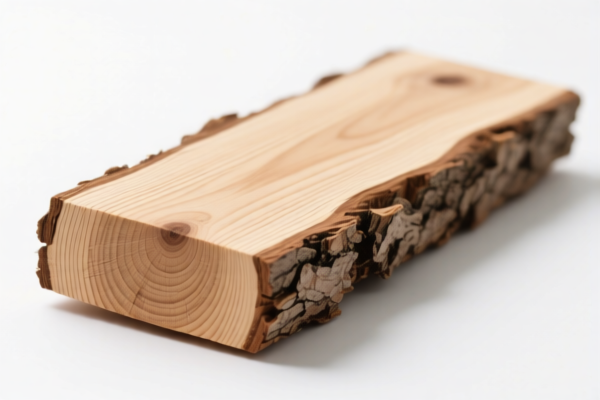
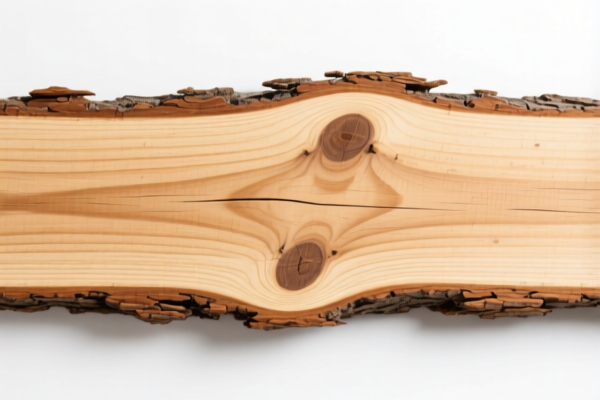
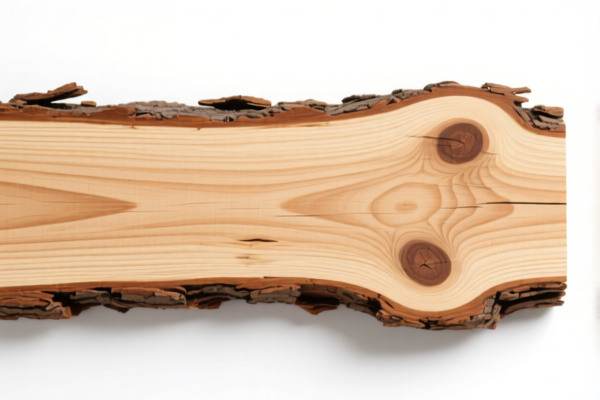
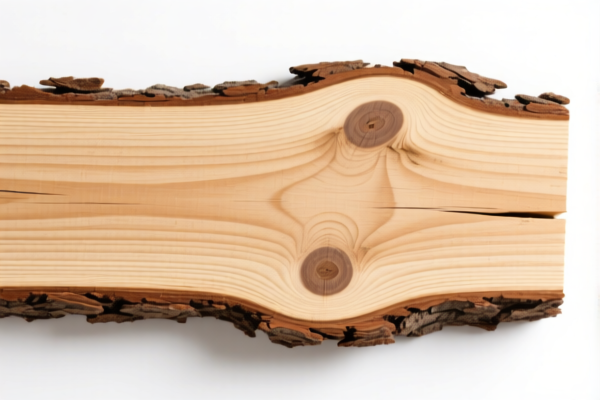
Rough Fir Wood refers to coniferous timber that has been sawn, chipped, sliced, or peeled lengthwise, with a thickness exceeding 6mm, and has not been planed, sanded, or end-jointed to a smooth finish. In international trade, it is primarily classified under Chapter 44 (Wood and articles of wood).
Key Distinction for "Fir (Abies spp.)": * Rough State: The wood is in its basic sawn form, not further worked (no planing/sanding). * Thickness: Must exceed 6mm. * Species: Specifically Abies spp. (Fir), distinct from Spruce (Picea) or Douglas-fir (Pseudotsuga).
⚠️ Critical Classification Point: - If the wood is planed, sanded, or end-jointed → It may fall under different subheadings or be considered "worked wood." - If the wood is Spruce (Picea spp.) → It falls under
4407.12.00.00(but not the "Fir" specific rough sub-item). - If the wood is Douglas-fir (Pseudotsuga menziesii) → It falls under4407.19(Other Coniferous), not under4407.12(Fir/Spruce). - This guide focuses on Rough Fir (Abies spp.) and Rough Douglas-fir as per the provided data.
📦 2. HS Code Classification Details (Authoritative对照 for Provided Data)
| HS Code | Product Description | Application Scenario | Tax Rate (Total) |
|---|---|---|---|
4407.12.00.58 |
Rough Fir Wood (Abies spp.) | Unworked coniferous timber, >6mm thick, rough sawn | 25.0% |
4407.19.00.54 |
Rough Douglas-fir Wood (Pseudotsuga menziesii) | Unworked coniferous timber, <5.1cm minimum dimension | 25.0% |
🔍 Key Reminder: -
4407.12.00.58: Specifically for Fir (Abies). The "Rough" specification is critical. If planed, this code is invalid. -4407.19.00.54: Specifically for Douglas-fir with minimum dimension <5.1 cm. If the dimension is ≥5.1 cm, it may fall under a different "Other" subheading. - Do not mix up Fir and Douglas-fir: They are different species and have different HS codes.
💰 3. 2024/2025 Latest Tariff Rate Details (Including Additional Taxes)
✅ Applicable Country: United States (US) ✅ Origin: China (CN) (Assumed based on typical 25% additional tax context, though data shows 25% total) ✅ Effective Time: Current Tariff Schedule
🎯 1. 4407.12.00.58 —— Rough Fir Wood (Abies spp.)
| Item | Content |
|---|---|
| Base Tariff | 0.0% (Ad Valorem) |
| Additional Tariff | 25.0% (Section 301 / Trade Act) |
| Total Tax Rate | 25.0% |
| Tax Calculation | CIF Value × 25% |
| De Minimis Exemption | ❌ Not Eligible (For amounts over $800, standard duties apply; for small packages, check current CBP rules, but generally Section 301 items are restricted) |
| Legal Basis | USHTS 4407.12.00.58 + 25% Additional Duty |
📌 Explanation: - Base Tax: 0% for most wood products. - Additional Tax: 25% is applied due to trade restrictions (likely Section 301). - Total Cost Impact: Importers must budget for a 25% tariff on the CIF value.
🎯 2. 4407.19.00.54 —— Rough Douglas-fir Wood (Pseudotsuga menziesii)
| Item | Content |
|---|---|
| Base Tariff | 0.0% (Ad Valorem) |
| Additional Tariff | 25.0% (Section 301 / Trade Act) |
| Total Tax Rate | 25.0% |
| Tax Calculation | CIF Value × 25% |
| De Minimis Exemption | ❌ Not Eligible |
| Legal Basis | USHTS 4407.19.00.54 + 25% Additional Duty |
📌 Note: - This code applies only to Douglas-fir with a minimum dimension less than 5.1 cm. - If the wood is larger (≥5.1 cm), it may be classified under
4407.19.00generally, but the specific sub-code54is dimension-specific. - Tax Rate is identical (25%) to Fir wood due to the same trade policy.
🛠️ 4. Customs Clearance Practical Advice (Real-World Pitfall Guide)
✅ 1. Required Documentation Checklist
| Document | Mandatory | Description |
|---|---|---|
| ✅ Commercial Invoice | ✔️ | Must clearly state "Rough Fir Wood" or "Rough Douglas-fir Wood," species (Abies or Pseudotsuga), and dimensions. |
| ✅ Packing List | ✔️ | Detail the quantity, weight, and dimensions of each bundle/lot. |
| ✅ Phytosanitary Certificate | ✔️ | Crucial for wood. Issued by the origin country's plant protection agency to prove freedom from pests. |
| ✅ IPPC Mark | ✔️ | Packaging must be treated and marked with the IPPC logo (if wooden pallets/crates are used). |
| ✅ Bill of Lading/Air Waybill | ✔️ | Standard transport document. |
| ✅ Material Safety Data Sheet (MSDS) | ❌ | Not typically required for raw wood, but good practice if treated. |
⚠️ Critical Warning: - Species Identification: Customs may request scientific name verification. Ensure the invoice matches the phytosanitary certificate. - Dimension Verification: For
4407.19.00.54, ensure the minimum dimension is strictly <5.1 cm. Misdeclaration can lead to reclassification and penalties.
✅ 2. Declaration Tips (Key Mantra)
🔥 "Species Specific, Dimension Clear, Rough State, Certificate Ready!"
| Scenario | Correct Declaration | Error to Avoid |
|---|---|---|
| Fir Wood | 4407.12.00.58 |
Misdeclaring as "Spruce" → Wrong code, potential audit. |
| Douglas-fir, <5.1cm | 4407.19.00.54 |
Misdeclaring as "Other Wood" → Higher scrutiny, potential 25% tax if not correctly identified. |
| Planed/Sanded Wood | Different Code (e.g., 4407.91) |
Declaring "Rough" when it is "Planed" → Smuggling classification, penalties. |
| Wood <6mm Thickness | Chapter 44 Subheading for Thin Wood | Declaring as "Sawn Wood >6mm" → Incorrect classification. |
✅ 3. Special Situations
| Situation | Handling Advice |
|---|---|
| Mixed Shipments (Fir + Douglas-fir) | Split Declaration. Each must be declared under its respective HS Code. Do not combine. |
| Wood Treated with Preservatives | May require additional declarations (e.g., copper chromate). Check for hazardous material classification. |
| Pallets/Crates | Must have IPPC Mark. Untreated wood packaging is prohibited in many countries (including US, EU). |
| Customs Audit | Be prepared to provide photos of the wood grain and species verification documents. |
🌍 5. Global Market Comparison (2024/2025)
| Country/Region | Recommended HS Code | Tariff Rate (China Origin) | Certification | Notes |
|---|---|---|---|---|
| 🇺🇸 USA | 4407.12.00.58 / 4407.19.00.54 |
25% (Total) | Phytosanitary + IPPC | High tariff due to trade tensions. |
| 🇨🇳 China | 4407.12.00.00 / 4407.19.00.00 |
~2.5%-10% | Phytosanitary | Lower tariffs for import. |
| 🇪🇺 EU | 4407.10 / 4407.21 |
~0%-6% | FLEGT/Phytosanitary | Strict wood legality regulations. |
| 🇯🇵 Japan | 4407.10 / 4407.21 |
~3%-6% | Phytosanitary | Strict pest control. |
📌 Conclusion: - USA is the most expensive market due to the 25% additional tariff. - Phytosanitary certificates are universal requirements. - IPPC marking for packaging is non-negotiable in most developed markets.
📌 6. Common Mistakes & Pitfall Guide (Lessons Learned)
❌ Mistake 1: Declaring "Wood" generically without specifying species. 👉 Consequence: Customs delays, potential reclassification, fines.
❌ Mistake 2: Ignoring the <5.1cm dimension for Douglas-fir.
👉 Consequence: Incorrect HS Code (4407.19.00.54 vs. others), leading to tariff miscalculation.
❌ Mistake 3: Forgetting Phytosanitary Certificate. 👉 Consequence: Goods held at port, destroyed, or returned. Wood is high-risk for pests.
❌ Mistake 4: Using untreated wooden pallets. 👉 Consequence: Rejection of entire shipment due to IPPC non-compliance.
✅ Correct Practice:
"Rough Fir Wood (Abies spp.), Sawn, >6mm, Unplaned, Phytosanitary Cert No. XXX, IPPC Marked Pallets."
🎯 7. Conclusion: Professional Declaration for Smooth Clearance
🎯 Remember the Mantra:
🔹 "Species Specific, Dimension Clear, Rough State, Certificate Ready!" 🔹 "25% Tax for USA, Phytosanitary is Key, IPPC for Pallets, No Mistakes Allowed!"
📌 Pro Tip:
If you are importing into the USA, budget for a 25% tariff. Consider pre-classification rulings if your shipment is large or complex. For Douglas-fir, double-check the dimension before declaring.
📣 Immediate Action:
📞 Contact a licensed customs broker. 📄 Ensure Phytosanitary Certificate and IPPC marks are in place. 📊 Calculate total landed cost including the 25% tariff.
✨ Professional Customs Clearance Starts with Accurate Classification! 💼 Every Dollar of Tariff Saved is Pure Profit!
Customer Reviews
About HS Code Classification
The Harmonized System (HS) is an internationally standardized nomenclature developed by the World Customs Organization (WCO) to classify traded products. Over 200 countries use the HS system as the basis for customs tariffs, trade statistics, and import/export regulations.
Each HS code follows a hierarchical structure:
- Chapter (2 digits) — Broad category of goods (e.g., Chapter 84: Machinery and Mechanical Appliances)
- Heading (4 digits) — More specific grouping within the chapter
- Subheading (6 digits) — Internationally standardized breakdown, used by all WCO member countries
- National subdivisions (8-10 digits) — Country-specific extensions for further classification, such as US HTSUS 10-digit codes
Correct HS code classification is essential for smooth customs clearance, accurate duty payment, and compliance with trade regulations. Misclassification can lead to customs delays, overpayment of duties, or penalties.
When importing from CN to US, the applicable tariff rates may include:
- Most-Favored-Nation (MFN) rate — The standard duty rate applied to WTO members
- General rate — Applied to countries without trade agreements
- Trade remedy duties — Additional tariffs such as Section 301 (anti-dumping), Section 232 (national security), or countervailing duties
The information provided on this page is for reference purposes only. For official classification, please consult with your local customs authority or a licensed customs broker.