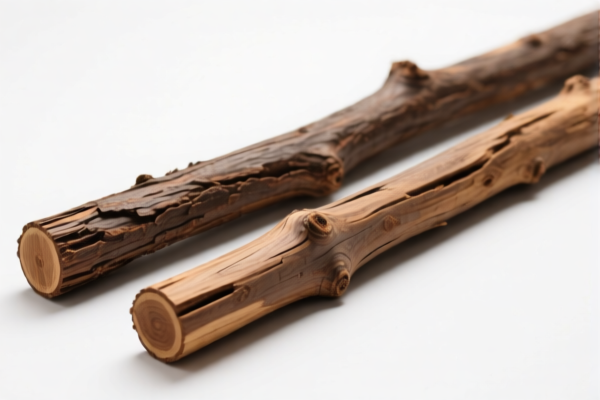
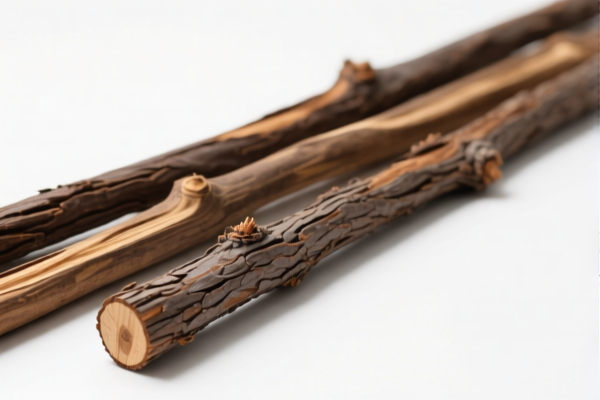
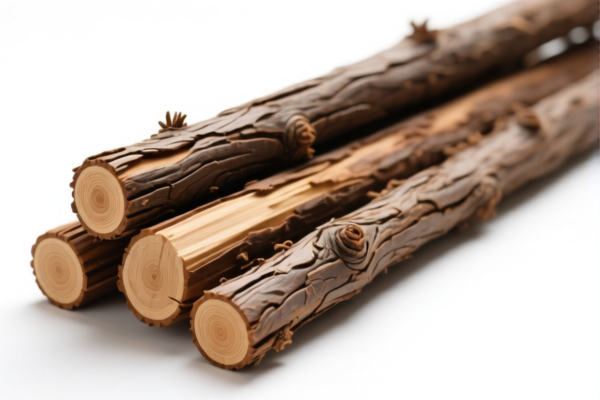
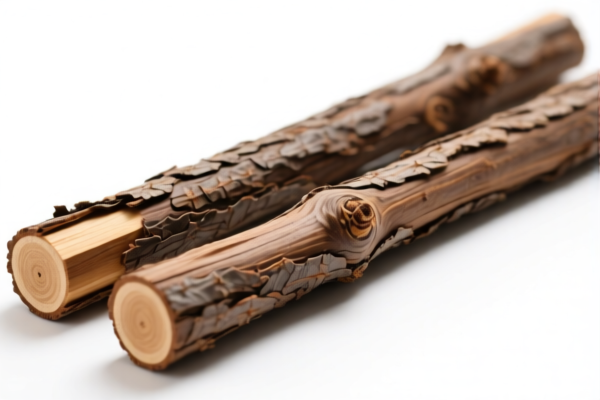
Rough Pine Wood Pole
CN → US| HS编码 | 关税税率 | 原产国 | 目的国 | 文档 |
|---|---|---|---|---|
| 4404100080 | 35.0% | CN | US | 官方文档 |
| 4404100090 | 35.0% | CN | US | 官方文档 |
| 4403210112 | 35.0% | CN | US | 官方文档 |
| 4403220112 | 35.0% | CN | US | 官方文档 |
| 4401110000 | 35.0% | CN | US | 官方文档 |
| 4403220165 | 35.0% | CN | US | 官方文档 |
商品图片
AI分析
🪵 Rough Pine Wood Pole (Pine Wood Poles & Rough Timber)
🌐 HS Code Reference & Customs Clearance Guide | 2026 Latest Tariff Analysis | Professional Clearance Strategy
📌 I. Product Definition: What is "Rough Pine Wood Pole"?
"Rough Pine Wood Pole" typically refers to processed or unprocessed timber products made from Pine (a softwood/coniferous tree). In international trade, the classification hinges on the degree of processing and the specific use (e.g., utility poles vs. general fuel/wood).
Key Characteristics: 1. Material: Pine (Pinus species), classified under Coniferous Wood (针叶木). 2. Form: Can range from Rough Timber (原木/粗加工木) to Finished Poles (电杆/柱). 3. Usage: Construction, utility infrastructure (power poles), or fuel.
⚠️ Critical Distinction:
- If it is unprocessed or merely debarked/squared → Falls under Chapter 44.03 (Wood in the rough).
- If it is specifically shaped as a pole/stake → May fall under Chapter 44.04 (Continuous wood) or 44.03 depending on specific shape definitions.
- If used as fuel (chips/logs) → Falls under Chapter 44.01.
📦 II. HS Code Classification Matrix (2026 Latest Tariff Alignment)
Based on the provided data, here are the potential HS Codes for "Rough Pine Wood Pole":
| HS Code | Product Description (from Data) | Key Classification Logic |
|---|---|---|
4404.10.00.80 |
Pine Rough Pole: Material: Pine (Coniferous); Form: Pole; Fits definition of pole, stake, or post. | Classified as continuous wood/sectional wood shaped into poles. |
4404.10.00.90 |
Pine Rough Pole: Material: Pine (Coniferous); Form: Pole; Belongs to "Other" coniferous categories. | Alternative classification for poles under Chapter 44.04. |
4403.21.01.12 |
Rough Pine: Material: Pine; Form: Rough; Use: Electric Pole. | Classified as wood in the rough, treated/preserved for pole use. |
4403.22.01.12 |
Rough Pine: Material: Pine; Form: Pole; Fits coniferous & electric pole usage requirements. | Specific sub-category for coniferous wood intended for poles. |
4401.11.00.00 |
Rough Pine: Material: Pine (Coniferous); Form: Rough; Fits fuel wood characteristics. | Classified as Fuel Wood (if not used for construction/poles). |
4403.22.01.65 |
Rough Pine: Material: Pine; Form: Rough; Fits raw/log initial state characteristics. | Classified as Raw Coniferous Timber (Logs/Sawn wood). |
🔍 Important Note:
- Pine (松木) is universally classified as Coniferous Wood (针叶木).
- The distinction between4403(Wood in the rough) and4404(Continuous wood/poles) is often determined by whether the wood has been further processed into specific shapes (like poles) or remains in a rough/log state.
- All listed codes share the same tax rate structure due to their origin and material.
💰 III. 2026 Tariff Rate Breakdown (Including Surtaxes)
✅ Applicable Country: United States (US)
✅ Origin: China (CN)
✅ Effective Date: November 10, 2025 (and subsequent imports)
🎯 Universal Tax Structure for All Listed HS Codes
| Item | Details |
|---|---|
| Base Tariff Rate | 0.0% (Most goods in Chapter 44 have low/zero base MFN rates) |
| Section 301 Surtax | +25.0% (Additional duty under US Trade Law Section 301) |
| Section 122 Duty | +10.0% (Specific additional duty, often related to trade remedy or specific bilateral terms) |
| Total Effective Tax Rate | 35.0% |
| Tax Calculation Basis | CIF Value (Cost, Insurance, Freight) × 35% |
| De Minimis Exemption? | ❌ NO (These high-tariff items are typically excluded from $800 de minimis exemptions) |
📌 Breakdown Explanation:
- Base 0%: The Harmonized Tariff Schedule (HTSUS) base rate for many coniferous wood products is 0%.
- 25% Surtax: This is the standard Section 301 additional duty imposed on Chinese goods in Chapter 44.
- 10% Surtax: This refers to the Section 122 (or similar administrative) duty, often applied to specific raw material imports.
- Total 35%: This is a high-cost burden. Importers must factor this into landed costs immediately.
🛠️ IV. Customs Clearance Operational Advice
✅ 1. Documentation Checklist (Essential for Clearance)
| Document | Required? | Purpose |
|---|---|---|
| Commercial Invoice | ✅ Yes | Must clearly state: "Rough Pine Wood Pole," Material: Pine, Form: Pole/Rough. |
| Packing List | ✅ Yes | Itemize quantity, weight (Net/Gross), and dimensions. |
| Phytosanitary Certificate | ✅ Yes | CRITICAL for wood products. Must confirm treatment (e.g., heat treatment, fumigation) to prevent pest introduction. |
| ISPM 15 Marking | ✅ Yes | Ensure wooden poles/packaging bear the IPPC stamp. |
| Bill of Lading/Air Waybill | ✅ Yes | Standard shipping document. |
| Certificate of Origin | ✅ Yes | To confirm Chinese origin (triggers the 35% tariff). |
| Product Description Statement | ✅ Yes | Clarify if it is "Rough" or "Processed" to justify HS code selection. |
✅ 2. Classification Strategy & Pitfalls
| Scenario | Recommended HS Code | Risk if Wrong |
|---|---|---|
| Finished Poles (Shaped) | 4404.10.00.80 or 4404.10.00.90 |
Misclassifying as rough wood may lead to under-declaration; misclassifying as non-wood leads to rejection. |
| Raw/Rough Logs/Poles | 4403.21.01.12 or 4403.22.01.12 |
If claimed as "fuel" (4401) but used as poles, customs may reclassify and impose penalties. |
| Fuel Wood Chips/Logs | 4401.11.00.00 |
Only use if the primary intent is combustion. Using this for construction poles is misclassification. |
🔥 Pro Tip:
"Be Precise About Form!"
- If the wood is squared or tapered for use as a pole, lean towards 4404.
- If it is just cut logs or rough planks, lean towards 4403.
- Labeling Matters: Ensure the commercial invoice clearly states "Pine Wood Poles" or "Rough Pine Timber" to match the HS code summary.
✅ 3. Special Considerations for Wood Imports
| Issue | Action Required |
|---|---|
| Pest Control | Must provide Phytosanitary Certificate. Wood without proper treatment will be destroyed or re-exported at your cost. |
| Wood Packaging | Any wooden pallets/crates must comply with ISPM 15. Non-compliant wood packaging is rejected. |
| Tariff Engineering | Consider if wood treatment changes the classification. However, for basic rough poles, 35% is fixed. |
| Valuation | Ensure CIF value is accurately declared. The 35% tax is significant; under-declaring value leads to severe penalties. |
🌍 V. Global Market Comparison (2026)
| Region | Typical HS Code | Base Tariff | Surcharge (China) | Total Impact |
|---|---|---|---|---|
| 🇺🇸 USA | 4403 or 4404 |
0% | +35% (301 + 122) | Very High |
| 🇨🇳 China (Import) | 4403 or 4404 |
0-10% | None | Low |
| 🇪🇺 EU | 4403 or 4404 |
0% | None | Low |
| 🇯🇵 Japan | 4403 or 4404 |
0-5% | None | Low |
📌 Conclusion:
- The US market is the most challenging due to the 35% combined tariff.
- EU, Japan, and China have significantly lower barriers, making them more attractive markets for pine wood products if supply chain flexibility allows.
📌 VI. Common Mistakes & Avoidance Guide
❌ Mistake 1: Classifying Poles as Fuel Wood (4401) to avoid scrutiny.
👉 Consequence: Customs may determine actual use is structural, leading to reclassification, back-taxes, and fines.
❌ Mistake 2: Ignoring Phytosanitary Requirements.
👉 Consequence: Shipment held at port, treated at importer’s expense, or destroyed. Wood products are heavily inspected.
❌ Mistake 3: Misidentifying Pine as Hardwood.
👉 Consequence: Wrong HS code leading to incorrect tariff application. Pine is always Coniferous (针叶木).
✅ Correct Declaration Example:
"Pine Wood Poles, Rough Sawn, Treated, for Utility Use, HS Code 4404.10.00.80, Origin: China"
🎯 VII. Conclusion: Strategic Clearance for Wood Products
🎯 Key Takeaway:
🔹 "35% is the floor for China-origin Pine in the US."
🔹 "Phytosanitary Certificates are non-negotiable."
🔹 "Define 'Rough' vs 'Pole' clearly to avoid classification disputes."
📌 Pro Tip:
If you are importing large volumes, consider applying for a Customs Ruling to confirm the exact HS code (
4404vs4403) for your specific product shape. This provides legal certainty against the 35% tariff.
📣 Immediate Action:
📞 Contact a licensed customs broker specializing in wood products.
📋 Request Phytosanitary Certificate from supplier before shipping.
💼 Calculate landed cost including 35% tariff to ensure profitability.
✨ Smart Clearance, Safe Import!
💼 Wood is heavy, tariffs are high—plan wisely!
用户评价
关于 HS 编码归类
协调制度(HS)是由世界海关组织(WCO)制定的国际贸易商品分类标准。全球 200 多个国家采用 HS 系统作为海关关税、贸易统计和进出口监管的基础。
每个 HS 编码遵循以下层级结构:
- 章(2 位)——商品大类(例如:第 84 章:机器和机械设备)
- 品目(4 位)——章内的更具体分类
- 子目(6 位)——国际通用细分,所有 WCO 成员国统一使用
- 本国细分(8-10 位)——各国自行扩展的细分编码,如美国 HTSUS 10 位编码
正确的 HS 编码归类对于顺利通关、准确缴纳关税和遵守贸易法规至关重要。错误归类可能导致海关延误、多缴关税或罚款。
从CN进口到US时,适用的关税税率可能包括:
- 最惠国(MFN)税率——适用于 WTO 成员国的标准关税税率
- 普通税率——适用于无贸易协定国家
- 贸易救济关税——附加关税,如 301 条款(反倾销)、232 条款(国家安全)或反补贴税
本页内容仅供参考。如需正式归类,请咨询当地海关或持牌报关代理。