Rough Pine Wood Pole
CN → US| HS Code | Tariff Rate | Origin | Destination | Doc |
|---|---|---|---|---|
| 4404100080 | 35.0% | CN | US | Official Doc |
| 4404100090 | 35.0% | CN | US | Official Doc |
| 4403210112 | 35.0% | CN | US | Official Doc |
| 4403220112 | 35.0% | CN | US | Official Doc |
| 4401110000 | 35.0% | CN | US | Official Doc |
| 4403220165 | 35.0% | CN | US | Official Doc |
Product Images
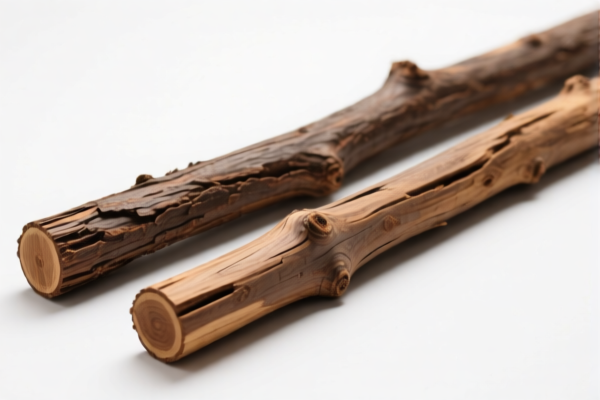
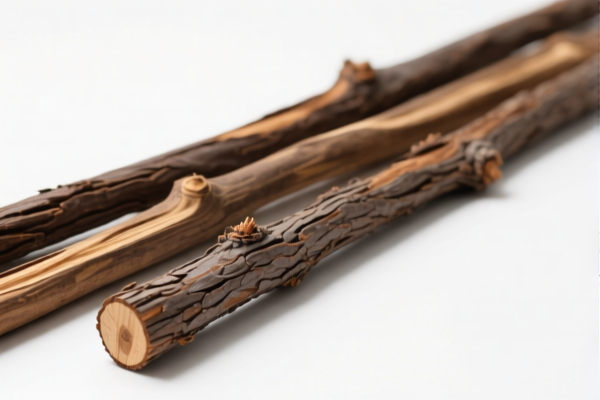

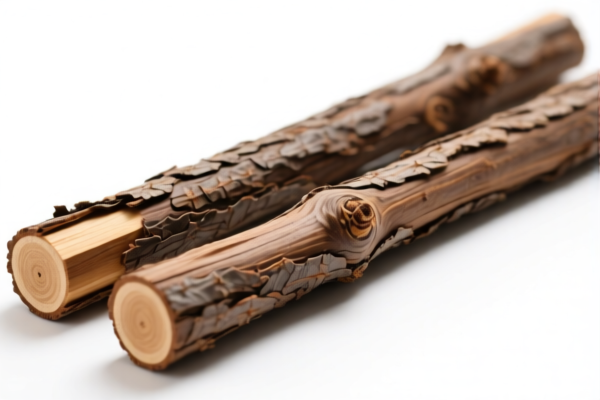
AI Analysis
🪵 Rough Pine Wood Pole (Pine Wood Poles & Rough Timber)
🌐 HS Code Reference & Customs Clearance Guide | 2026 Latest Tariff Analysis | Professional Clearance Strategy
📌 I. Product Definition: What is "Rough Pine Wood Pole"?
"Rough Pine Wood Pole" typically refers to processed or unprocessed timber products made from Pine (a softwood/coniferous tree). In international trade, the classification hinges on the degree of processing and the specific use (e.g., utility poles vs. general fuel/wood).
Key Characteristics: 1. Material: Pine (Pinus species), classified under Coniferous Wood (针叶木). 2. Form: Can range from Rough Timber (原木/粗加工木) to Finished Poles (电杆/柱). 3. Usage: Construction, utility infrastructure (power poles), or fuel.
⚠️ Critical Distinction:
- If it is unprocessed or merely debarked/squared → Falls under Chapter 44.03 (Wood in the rough).
- If it is specifically shaped as a pole/stake → May fall under Chapter 44.04 (Continuous wood) or 44.03 depending on specific shape definitions.
- If used as fuel (chips/logs) → Falls under Chapter 44.01.
📦 II. HS Code Classification Matrix (2026 Latest Tariff Alignment)
Based on the provided data, here are the potential HS Codes for "Rough Pine Wood Pole":
| HS Code | Product Description (from Data) | Key Classification Logic |
|---|---|---|
4404.10.00.80 |
Pine Rough Pole: Material: Pine (Coniferous); Form: Pole; Fits definition of pole, stake, or post. | Classified as continuous wood/sectional wood shaped into poles. |
4404.10.00.90 |
Pine Rough Pole: Material: Pine (Coniferous); Form: Pole; Belongs to "Other" coniferous categories. | Alternative classification for poles under Chapter 44.04. |
4403.21.01.12 |
Rough Pine: Material: Pine; Form: Rough; Use: Electric Pole. | Classified as wood in the rough, treated/preserved for pole use. |
4403.22.01.12 |
Rough Pine: Material: Pine; Form: Pole; Fits coniferous & electric pole usage requirements. | Specific sub-category for coniferous wood intended for poles. |
4401.11.00.00 |
Rough Pine: Material: Pine (Coniferous); Form: Rough; Fits fuel wood characteristics. | Classified as Fuel Wood (if not used for construction/poles). |
4403.22.01.65 |
Rough Pine: Material: Pine; Form: Rough; Fits raw/log initial state characteristics. | Classified as Raw Coniferous Timber (Logs/Sawn wood). |
🔍 Important Note:
- Pine (松木) is universally classified as Coniferous Wood (针叶木).
- The distinction between4403(Wood in the rough) and4404(Continuous wood/poles) is often determined by whether the wood has been further processed into specific shapes (like poles) or remains in a rough/log state.
- All listed codes share the same tax rate structure due to their origin and material.
💰 III. 2026 Tariff Rate Breakdown (Including Surtaxes)
✅ Applicable Country: United States (US)
✅ Origin: China (CN)
✅ Effective Date: November 10, 2025 (and subsequent imports)
🎯 Universal Tax Structure for All Listed HS Codes
| Item | Details |
|---|---|
| Base Tariff Rate | 0.0% (Most goods in Chapter 44 have low/zero base MFN rates) |
| Section 301 Surtax | +25.0% (Additional duty under US Trade Law Section 301) |
| Section 122 Duty | +10.0% (Specific additional duty, often related to trade remedy or specific bilateral terms) |
| Total Effective Tax Rate | 35.0% |
| Tax Calculation Basis | CIF Value (Cost, Insurance, Freight) × 35% |
| De Minimis Exemption? | ❌ NO (These high-tariff items are typically excluded from $800 de minimis exemptions) |
📌 Breakdown Explanation:
- Base 0%: The Harmonized Tariff Schedule (HTSUS) base rate for many coniferous wood products is 0%.
- 25% Surtax: This is the standard Section 301 additional duty imposed on Chinese goods in Chapter 44.
- 10% Surtax: This refers to the Section 122 (or similar administrative) duty, often applied to specific raw material imports.
- Total 35%: This is a high-cost burden. Importers must factor this into landed costs immediately.
🛠️ IV. Customs Clearance Operational Advice
✅ 1. Documentation Checklist (Essential for Clearance)
| Document | Required? | Purpose |
|---|---|---|
| Commercial Invoice | ✅ Yes | Must clearly state: "Rough Pine Wood Pole," Material: Pine, Form: Pole/Rough. |
| Packing List | ✅ Yes | Itemize quantity, weight (Net/Gross), and dimensions. |
| Phytosanitary Certificate | ✅ Yes | CRITICAL for wood products. Must confirm treatment (e.g., heat treatment, fumigation) to prevent pest introduction. |
| ISPM 15 Marking | ✅ Yes | Ensure wooden poles/packaging bear the IPPC stamp. |
| Bill of Lading/Air Waybill | ✅ Yes | Standard shipping document. |
| Certificate of Origin | ✅ Yes | To confirm Chinese origin (triggers the 35% tariff). |
| Product Description Statement | ✅ Yes | Clarify if it is "Rough" or "Processed" to justify HS code selection. |
✅ 2. Classification Strategy & Pitfalls
| Scenario | Recommended HS Code | Risk if Wrong |
|---|---|---|
| Finished Poles (Shaped) | 4404.10.00.80 or 4404.10.00.90 |
Misclassifying as rough wood may lead to under-declaration; misclassifying as non-wood leads to rejection. |
| Raw/Rough Logs/Poles | 4403.21.01.12 or 4403.22.01.12 |
If claimed as "fuel" (4401) but used as poles, customs may reclassify and impose penalties. |
| Fuel Wood Chips/Logs | 4401.11.00.00 |
Only use if the primary intent is combustion. Using this for construction poles is misclassification. |
🔥 Pro Tip:
"Be Precise About Form!"
- If the wood is squared or tapered for use as a pole, lean towards 4404.
- If it is just cut logs or rough planks, lean towards 4403.
- Labeling Matters: Ensure the commercial invoice clearly states "Pine Wood Poles" or "Rough Pine Timber" to match the HS code summary.
✅ 3. Special Considerations for Wood Imports
| Issue | Action Required |
|---|---|
| Pest Control | Must provide Phytosanitary Certificate. Wood without proper treatment will be destroyed or re-exported at your cost. |
| Wood Packaging | Any wooden pallets/crates must comply with ISPM 15. Non-compliant wood packaging is rejected. |
| Tariff Engineering | Consider if wood treatment changes the classification. However, for basic rough poles, 35% is fixed. |
| Valuation | Ensure CIF value is accurately declared. The 35% tax is significant; under-declaring value leads to severe penalties. |
🌍 V. Global Market Comparison (2026)
| Region | Typical HS Code | Base Tariff | Surcharge (China) | Total Impact |
|---|---|---|---|---|
| 🇺🇸 USA | 4403 or 4404 |
0% | +35% (301 + 122) | Very High |
| 🇨🇳 China (Import) | 4403 or 4404 |
0-10% | None | Low |
| 🇪🇺 EU | 4403 or 4404 |
0% | None | Low |
| 🇯🇵 Japan | 4403 or 4404 |
0-5% | None | Low |
📌 Conclusion:
- The US market is the most challenging due to the 35% combined tariff.
- EU, Japan, and China have significantly lower barriers, making them more attractive markets for pine wood products if supply chain flexibility allows.
📌 VI. Common Mistakes & Avoidance Guide
❌ Mistake 1: Classifying Poles as Fuel Wood (4401) to avoid scrutiny.
👉 Consequence: Customs may determine actual use is structural, leading to reclassification, back-taxes, and fines.
❌ Mistake 2: Ignoring Phytosanitary Requirements.
👉 Consequence: Shipment held at port, treated at importer’s expense, or destroyed. Wood products are heavily inspected.
❌ Mistake 3: Misidentifying Pine as Hardwood.
👉 Consequence: Wrong HS code leading to incorrect tariff application. Pine is always Coniferous (针叶木).
✅ Correct Declaration Example:
"Pine Wood Poles, Rough Sawn, Treated, for Utility Use, HS Code 4404.10.00.80, Origin: China"
🎯 VII. Conclusion: Strategic Clearance for Wood Products
🎯 Key Takeaway:
🔹 "35% is the floor for China-origin Pine in the US."
🔹 "Phytosanitary Certificates are non-negotiable."
🔹 "Define 'Rough' vs 'Pole' clearly to avoid classification disputes."
📌 Pro Tip:
If you are importing large volumes, consider applying for a Customs Ruling to confirm the exact HS code (
4404vs4403) for your specific product shape. This provides legal certainty against the 35% tariff.
📣 Immediate Action:
📞 Contact a licensed customs broker specializing in wood products.
📋 Request Phytosanitary Certificate from supplier before shipping.
💼 Calculate landed cost including 35% tariff to ensure profitability.
✨ Smart Clearance, Safe Import!
💼 Wood is heavy, tariffs are high—plan wisely!
Customer Reviews
About HS Code Classification
The Harmonized System (HS) is an internationally standardized nomenclature developed by the World Customs Organization (WCO) to classify traded products. Over 200 countries use the HS system as the basis for customs tariffs, trade statistics, and import/export regulations.
Each HS code follows a hierarchical structure:
- Chapter (2 digits) — Broad category of goods (e.g., Chapter 84: Machinery and Mechanical Appliances)
- Heading (4 digits) — More specific grouping within the chapter
- Subheading (6 digits) — Internationally standardized breakdown, used by all WCO member countries
- National subdivisions (8-10 digits) — Country-specific extensions for further classification, such as US HTSUS 10-digit codes
Correct HS code classification is essential for smooth customs clearance, accurate duty payment, and compliance with trade regulations. Misclassification can lead to customs delays, overpayment of duties, or penalties.
When importing from CN to US, the applicable tariff rates may include:
- Most-Favored-Nation (MFN) rate — The standard duty rate applied to WTO members
- General rate — Applied to countries without trade agreements
- Trade remedy duties — Additional tariffs such as Section 301 (anti-dumping), Section 232 (national security), or countervailing duties
The information provided on this page is for reference purposes only. For official classification, please consult with your local customs authority or a licensed customs broker.