Round Belt
CN → US| HS编码 | 关税税率 | 原产国 | 目的国 | 文档 |
|---|---|---|---|---|
| 8483901050 | 37.8% | CN | US | 官方文档 |
| 8483908080 | 37.8% | CN | US | 官方文档 |
| 4010359000 | 38.3% | CN | US | 官方文档 |
| 4010369000 | 38.3% | CN | US | 官方文档 |
| 5910001020 | 39.0% | CN | US | 官方文档 |
商品图片
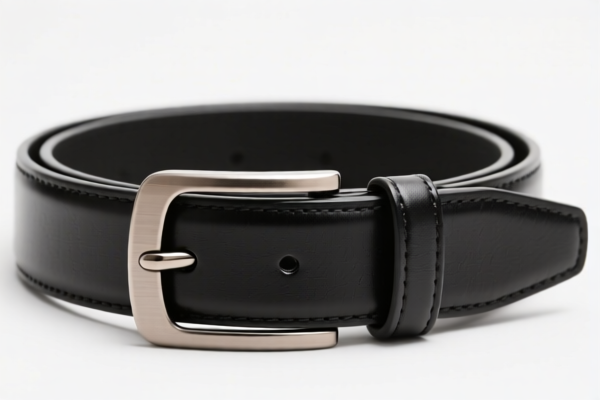
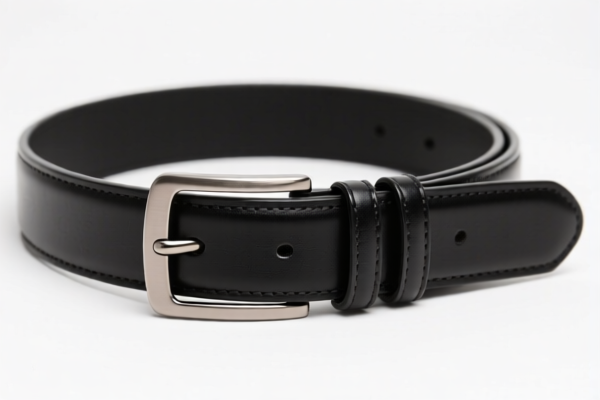
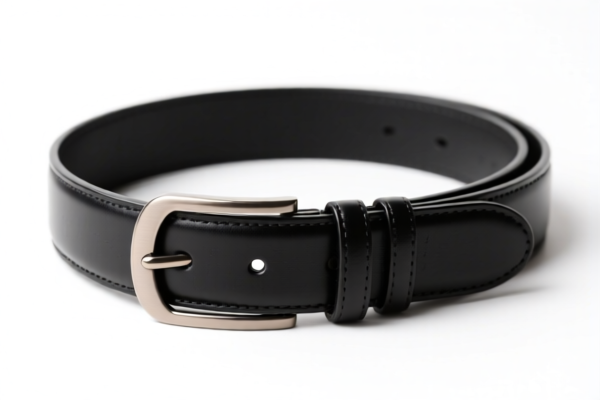

AI分析
🎡 Round Belt (Synchronous Drive Belts / V-Round Belts)
🌐 HS Code Reference & Customs Clearance Guide | 2026 Latest Tariff Analysis | Professional Clearance Strategy
📌 1. Product Definition & Classification: What Exactly Is a "Round Belt"?
In international trade, "Round Belt" is a generic term that can refer to different types of drive belts depending on material and application. They are primarily used for power transmission, synchronization, or conveying. Key distinctions include:
- Timing/Synchronous Belts: Often made with rubber cores and fabric/metal teeth for precise synchronization.
- Round V-Belts: Used in pulley systems for power transmission, often made of rubber or textile-reinforced materials.
- Material Variance: The critical factor for HS classification is the material composition (Rubber, Plastic, Textile/Fabric).
⚠️ Key Distinction Point:
- If the belt has teeth/cogs for synchronization and is rubber-based → Likely 4010 (Rubber) or 8483 (Transmission Parts).
- If it is a smooth round belt made of textile/fabric → Likely 5910 (Textile).
- If it is purely a mechanical transmission component (metal/plastic mix with specific machinery function) → Likely 8483.
📦 2. HS Code Classification Details (2026 Tariff Data)
Based on the provided data, here are the four possible HS Codes for Round Belts, categorized by material and function:
| HS Code | Summary Reasoning | Total Tax Rate | Tax Detail Breakdown |
|---|---|---|---|
| 8483.90.10.50 | Transmission Component: Classified under "Other Transmission Parts." Fits the functional definition of mechanical drive elements. | 37.8% | Base Tariff: 2.8% Additional Tariff: 25.0% Section 301 (122 Clause): 10% |
| 8483.90.80.80 | Transmission Assembly: Classified under "Components of Transmission Devices." Broad category for mechanical transmission accessories. | 37.8% | Base Tariff: 2.8% Additional Tariff: 25.0% Section 301 (122 Clause): 10% |
| 4010.35.90.00 | Rubber Synchronous Belt: Morphology and use match. Inferred as Rubber Material. Specifically for synchronous transmission belts. | 38.3% | Base Tariff: 3.3% Additional Tariff: 25.0% Section 301 (122 Clause): 10% |
| 4010.36.90.00 | Other Rubber Belts: Morphology consistent. Inferred as Rubber Material. Falls under "Other" categories for rubber transmission belts. | 38.3% | Base Tariff: 3.3% Additional Tariff: 25.0% Section 301 (122 Clause): 10% |
| 5910.00.10.20 | Textile/Fabric Belt: Use case fully matches. Inferred as Textile or Artificial Fiber Material. Suitable for fabric-reinforced round belts. | 39.0% | Base Tariff: 4.0% Additional Tariff: 25.0% Section 301 (122 Clause): 10% |
🔍 Critical Observation:
- The Base Tariff varies slightly (2.8% – 4.0%) based on material.
- The Additional Tariff (25%) and Section 301 (10%) are constant across all categories, indicating these are likely subject to US trade restrictions on Chinese goods.
- Total Tax Range: 37.8% – 39.0%.
💰 3. 2026 Detailed Tariff Rate Breakdown (Including Surcharges & Policy Add-ons)
✅ Applicable Country: United States (US)
✅ Origin: China (CN) (Implied by Section 301/122 Clause taxes)
✅ Effective Time: 2026 (Current Data)
🎯 Category A: Mechanical Transmission Parts (HS 8483)
1. 8483.90.10.50 & 8483.90.80.80
| Item | Content |
|------|---------|
| Base Tariff | 2.8% (ad valorem) |
| USITC Additional Tariff | +25% (Trade Act Section 301) |
| Section 301 (122 Clause) | +10% (Specific trade restriction) |
| Total Tax Rate | 37.8% |
| Tax Calculation | CIF Value × 37.8% |
| De Minimis Exemption | ❌ Not Eligible (High tariff category usually excluded from $800 de minimis benefits if flagged) |
| Legal Basis Path | HTSUS:8483.90 → USITC:301 → Trade Act:Section 301 |
📌 Explanation:
- These codes classify the belt as a mechanical part of a machine, not just a raw material.
- The 2.8% base is low, but the 35% surcharge makes it expensive.
🎯 Category B: Rubber Transmission Belts (HS 4010)
2. 4010.35.90.00 (Synchronous) & 4010.36.90.00 (Other)
| Item | Content |
|------|---------|
| Base Tariff | 3.3% (ad valorem) |
| USITC Additional Tariff | +25% |
| Section 301 (122 Clause) | +10% |
| Total Tax Rate | 38.3% |
| Tax Calculation | CIF Value × 38.3% |
| De Minimis Exemption | ❌ Not Eligible |
| Legal Basis Path | HTSUS:4010 → Rubber Articles → USITC:301 → Trade Act:Section 301 |
📌 Explanation:
- 4010.35 is for synchronous rubber belts (with teeth/cogs).
- 4010.36 is for other rubber belts (smooth or V-shape).
- Slightly higher total tax (38.3%) due to a higher base tariff (3.3% vs 2.8%).
🎯 Category C: Textile/Fabric Transmission Belts (HS 5910)
3. 5910.00.10.20
| Item | Content |
|------|---------|
| Base Tariff | 4.0% (ad valorem) |
| USITC Additional Tariff | +25% |
| Section 301 (122 Clause) | +10% |
| Total Tax Rate | 39.0% |
| Tax Calculation | CIF Value × 39.0% |
| De Minimis Exemption | ❌ Not Eligible |
| Legal Basis Path | HTSUS:5910 → Textile/Artificial Fiber → USITC:301 → Trade Act:Section 301 |
📌 Explanation:
- This applies to belts made primarily of fabric, cord, or textile reinforcement.
- Highest total tax (39.0%) due to the highest base tariff (4.0%).
- Common for household appliance drive belts or light industrial use.
🛠️ 4. Customs Clearance Practical Advice (Battle-Tested Guide)
✅ 1. Prepare Documentation Checklist (Non-Negotiable)
| Document | Required | Explanation |
|---|---|---|
| ✅ Product Spec Sheet | ✔️ | Must specify Material (Rubber, Textile, Metal-reinforced), Length, Cross-section, and Application. |
| ✅ Material Composition Statement | ✔️ | Crucial! Proves if it's Rubber (4010) vs. Textile (5910). Misclassification leads to penalties. |
| ✅ Product Photos | ✔️ | Clear images showing cross-section (to identify teeth/smoothness) and labeling. |
| ✅ Commercial Invoice | ✔️ | Must clearly state: "Round Drive Belt," Material, and HS Code. |
| ✅ Original Packaging Label | ✔️ | Shows manufacturer details, helping prove origin and brand. |
| ✅ Certificate of Origin (CO) | ✔️ | Required for tariff calculation and Section 301 verification. |
✅ 2. Declaration Tips (Key Mantras)
🔥 "Material First, Function Second! Don't Guess, Specify!"
| Scenario | Correct Declaration | Wrong Practice |
|---|---|---|
| Rubber Synchronous Belt | 4010.35.90.00 - "Rubber Synchronous Drive Belt" |
Declare as "Plastic Part" → Seizure |
| Smooth Round Rubber Belt | 4010.36.90.00 - "Rubber Round Drive Belt" |
Declare as "Textile Belt" → Fine |
| Fabric-Reinforced Belt | 5910.00.10.20 - "Textile Transmission Belt" |
Declare as "Rubber" → Misdeclaration |
| Metal-Core Mechanical Belt | 8483.90.10.50 - "Transmission Component" |
Declare as "Raw Rubber" → Tax Evasion |
✅ 3. Special Handling Cases
| Situation | Handling Advice |
|---|---|
| Mixed Material Belts | If rubber and textile are both significant, consult a customs broker. Usually, the principal material determines the code. |
| OEM Custom Belts | Provide customer design specs. If no standard code applies, use the "Other" subheadings (e.g., 4010.36.90.00). |
| Sample Shipments | Even for samples, declare accurately. De minimis ($800) may not apply if the item is flagged under Section 301. |
| Anti-Circumvention Checks | Ensure the belt is not being re-labeled from another country to avoid Section 301. Keep supply chain records. |
🌍 5. Global Market Customs Comparison (2026 Latest)
| Country/Region | Recommended HS Code | Est. Tariff (CN Origin) | Certification Req. | Notes |
|---|---|---|---|---|
| 🇺🇸 USA | 4010.35.90.00 / 8483.90.10.50 |
37.8% – 39.0% | FCC (if motorized), None for belt itself | High tariffs due to Section 301. |
| 🇨🇳 China | 4010.35.90.00 |
5% - 8% | CCC (if for electrical equipment) | Lower tariffs. |
| 🇪🇺 EU | 4010.35.90.00 |
0% - 4% | CE (if part of machinery) | No Section 301. |
| 🇯🇵 Japan | 4010.35.90.00 |
0% - 4% | PSE (if motorized) | No Section 301. |
| 🇲🇽 Mexico | 4010.35.90.00 |
0% - 5% | NOM (if applicable) | USMCA may apply if made in MX. |
📌 Conclusion:
- USA is the only market with heavy surcharges (35% total add-on).
- EU, Japan, and Mexico offer significantly lower tariff burdens.
- Supply Chain Strategy: Consider sourcing from non-China countries (Vietnam, Thailand, Mexico) to avoid the 35% US surcharge.
📌 6. Common Mistakes & Pitfalls (Lessons Learned)
❌ Mistake 1: Declaring a Rubber Belt as "Plastic Part" to lower base tariff.
👉 Consequence: Customs lab test confirms rubber → Penalty + Back Taxes.
❌ Mistake 2: Using vague terms like "Drive Belt" without specifying material.
👉 Consequence: Customs assigns highest default code → 39.0% Tax instead of 37.8%.
❌ Mistake 3: Ignoring Section 301 applicability.
👉 Consequence: Underpayment of 35% surcharge → Seizure & Lawsuit.
❌ Mistake 4: Confusing "Transmission Belt" (8483) with "Textile Belt" (5910).
👉 Consequence: If it's textile, 8483 is wrong → Rejection of Entry.
✅ Correct Practice:
"Round Drive Belt, 5mm Cross-section, Vulcanized Rubber with Nylon Cord Reinforcement, for Industrial Pump Transmission, Model XYZ."
🎯 7. Conclusion: Precision Classification, Cost Control, Risk Mitigation!
🎯 Remember the Mantra:
🔹 "Material Dictates Code! Rubber=4010, Textile=5910, Machine Part=8483!"
🔹 "35% Surcharge is Real! Check Origin, Check Tax!"
📌 Pro Tip:
If your Round Belt is made in Vietnam, Mexico, or Thailand, you may exempt the 25% + 10% US surcharge, reducing the effective tax to just the base rate (2.8% – 4.0%).
✅ Recommendation:
📞 Consult a Customs Broker + Provide Material Spec Sheet + Request Pre-Ruling if unsure.
🚀 Optimize Supply Chain to avoid US Section 301 tariffs.
✨ Professional Clearance Starts with Accurate Classification!
💼 Every Percent Saved is Pure Profit!
用户评价
关于 HS 编码归类
协调制度(HS)是由世界海关组织(WCO)制定的国际贸易商品分类标准。全球 200 多个国家采用 HS 系统作为海关关税、贸易统计和进出口监管的基础。
每个 HS 编码遵循以下层级结构:
- 章(2 位)——商品大类(例如:第 84 章:机器和机械设备)
- 品目(4 位)——章内的更具体分类
- 子目(6 位)——国际通用细分,所有 WCO 成员国统一使用
- 本国细分(8-10 位)——各国自行扩展的细分编码,如美国 HTSUS 10 位编码
正确的 HS 编码归类对于顺利通关、准确缴纳关税和遵守贸易法规至关重要。错误归类可能导致海关延误、多缴关税或罚款。
从CN进口到US时,适用的关税税率可能包括:
- 最惠国(MFN)税率——适用于 WTO 成员国的标准关税税率
- 普通税率——适用于无贸易协定国家
- 贸易救济关税——附加关税,如 301 条款(反倾销)、232 条款(国家安全)或反补贴税
本页内容仅供参考。如需正式归类,请咨询当地海关或持牌报关代理。