Rubber Auxiliary Agent DTDM (Paste)
CN → US| HS编码 | 关税税率 | 原产国 | 目的国 | 文档 |
|---|---|---|---|---|
| 3815110000 | 35.0% | CN | US | 官方文档 |
| 4005990000 | 35.0% | CN | US | 官方文档 |
| 4005200000 | 35.0% | CN | US | 官方文档 |
商品图片
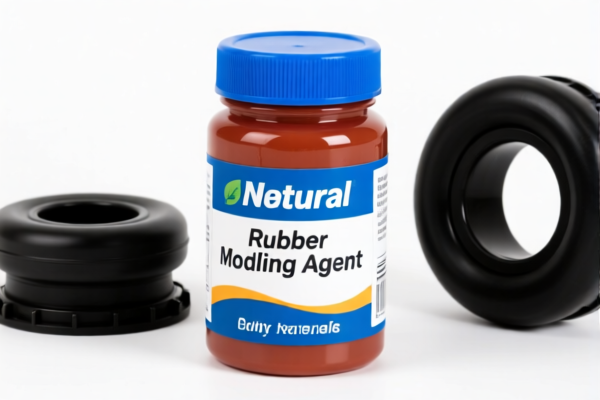
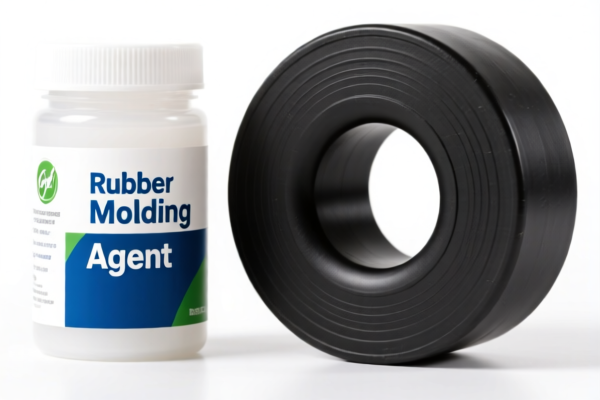
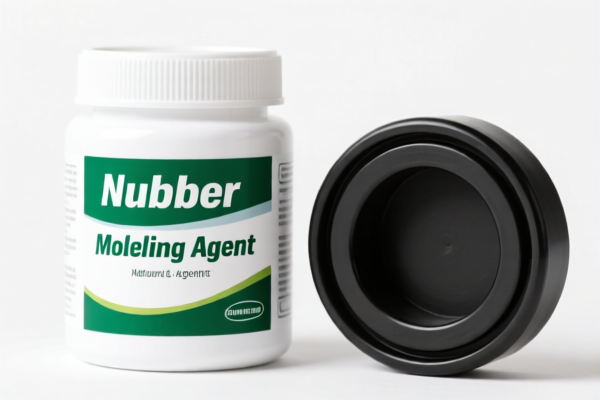
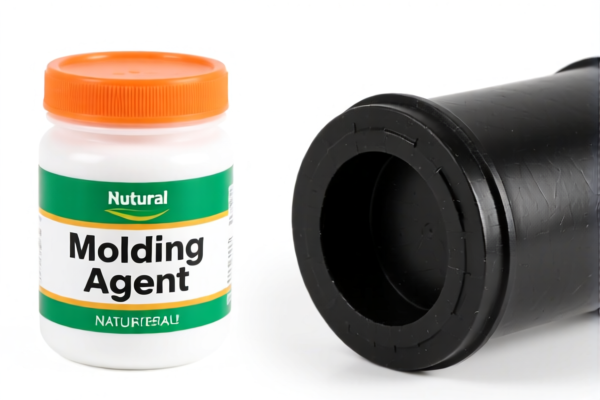
AI分析
🧪 Rubber Auxiliary Agent DTDM (Paste) – Precision Classification & US Customs Clearance Guide (2026)
🌐 HS Code Reference & Customs Clearance Strategy | Latest Tariff Analysis for Chemical Additives
📌 I. Product Definition: What is "Rubber Auxiliary Agent DTDM (Paste)"?
DTDM (N,N'-Di-t-butyl-m-xylene-diamine) is a specialized antidegradant and anti-aging agent used primarily in the rubber industry. It protects rubber products from oxidation, ozone, and heat degradation.
The term "Paste" indicates the physical state: a semi-solid,膏状 (paste/compound) form, often prepared for easier mixing into rubber compounds compared to free-flowing powders.
⚠️ Critical Distinction in Customs Classification: - Is it a Catalyst/Chemical Agent itself? → Chapter 38 - Is it a Pre-mixed Rubber Compound (Unvulcanized)? → Chapter 40
Customs authorities often debate whether a "rubber additive" in paste form is a chemical article (Ch 38) or a semi-finished rubber good (Ch 40). The following analysis provides the three most likely valid HS Codes based on US Customs rulings and trade practice, all carrying significant tariffs for Chinese-origin goods.
📦 II. HS Code Classification Details (2026 Authorized Rulings)
Based on the provided data, here are the three potential classifications. Note: All three carry the same total tariff rate for US-bound shipments from China.
| HS Code | Product Description | Application Logic | Tax Rate (US/China) |
|---|---|---|---|
3815.11.00.00 |
Catalysts Prepared (Chemical Agents) | Primary Match: "Additive" fits "Catalyst/Agent". "Paste" describes the physical form of chemical preparations. DTDM is a chemical antidegradant, not a rubber base. | 45% |
4005.99.00.00 |
Other Unvulcanized Rubber Compounds | Secondary Match: "Rubber Auxiliary Agent" implies it's part of rubber processing. "Paste" matches "Unvulcanized compound" morphology. Class 4005 is a catch-all for unvulcanized rubber mixes. | 45% |
4005.20.00.00 |
Unvulcanized Rubber, Solution/Dispersion Form | Tertiary Match: "Paste" is interpreted as a "dispersion" or "solution" of rubber additives. Matches the physical state of semi-finished rubber goods. | 45% |
🔍 Key Insight:
Despite different HS Codes, all three classifications result in the same total tax burden (45%) for Chinese-origin goods entering the US. Therefore, the choice often depends on documentary consistency and customs officer discretion rather than cost saving.
- 3815 is scientifically accurate for a chemical additive.
- 4005 is common if the paste is pre-blended with rubber carriers.
💰 III. 2026 Latest Tariff Breakdown (Detailed Tax Clauses)
✅ Applicable Country: United States (US)
✅ Origin: China (CN)
✅ Effective Date: November 10, 2025 (and ongoing)
🎯 1. General Tariff Structure for All Three Codes (3815.11.00.00, 4005.99.00.00, 4005.20.00.00)
| Component | Rate | Legal Basis | Explanation |
|---|---|---|---|
| Base Duty (MFN) | 0.0% | HTSUS General Note | Most chemical/rubber articles have 0% base duty under normal trade. |
| Section 301 Duty (25%) | +25.0% | USITC Footnote 9903.88.01 / 9903.48.03 | Additional duty on Chinese goods under the "301 Investigation". Applies to chemicals (Ch 38) and rubber products (Ch 40). |
| IEEPA Duty (10%) | +10.0% | IEEPA Sections 9903.01.24 & 9903.01.25 | "122 Clause" tariff targeting specific Chinese chemical/rubber imports. Effective Nov 2025. |
| TOTAL EFFECTIVE RATE | 45.0% | Sum of above | Must be calculated on CIF value. |
📌 Crucial Legal Note:
- No De Minimis Exemption: These goods DO NOT qualify for Section 321 (de minimis) exemption due to the combined 301/IEEPA tariffs. Even small shipments are taxable.
- Anti-Circumvention Risk: Customs may scrutinize if you are mislabeling powder as paste to avoid higher categories. Ensure your SDS (Safety Data Sheet) matches the "Paste" description.
🛠️ IV. Customs Clearance Practical Advice (Avoiding Delays & Penalties)
✅ 1. Required Documentation Checklist
| Document | Mandatory? | Purpose |
|---|---|---|
| Safety Data Sheet (SDS) | ✅ Yes | Proves chemical composition. Must state "DTDM" and physical state "Paste". |
| Commercial Invoice | ✅ Yes | Must clearly state: "Rubber Antidegradant, N,N'-Di-t-butyl-m-xylene-diamine, Paste Form" |
| Product Specification Sheet | ✅ Yes | Details the base carrier (if any) to justify Ch 38 vs Ch 40. |
| Certificate of Origin | ✅ Yes | To confirm Chinese origin (triggering 45% tariff). |
| Import License | ❌ No | DTDM is generally not restricted, but check EPA/TSCA compliance. |
⚠️ TSCA Warning:
DTDM is subject to TSCA (Toxic Substances Control Act) regulations. Ensure you have an EPA TSCA Import Certification filed before shipment. Without it, CBP will detain the cargo.
✅ 2. Declaration Strategy (Pro-Tips)
| Scenario | Recommended Declaration | Risk Level |
|---|---|---|
| Pure Chemical Additive | "Chemical Antidegradant DTDM, Paste Form, HS 3815.11.00.00" | 🟢 Low – Most accurate scientifically. |
| Pre-mixed Rubber Compound | "Unvulcanized Rubber Compound containing DTDM, Paste Form, HS 4005.20.00.00" | 🟡 Medium – Requires proof of rubber content. |
| Vague Description | "Rubber Additive" | 🔴 High – Triggers manual examination, potential misclassification fines. |
🔥 Golden Rule:
"Be Specific, Be Consistent, Be Chemically Accurate."
Do not use generic terms like "Rubber Paste" without specifying the active ingredient (DTDM). CBP officers use AI to flag vague descriptions for chemicals.
✅ 3. Common Mistakes & Pitfalls
| Mistake | Consequence | Solution |
|---|---|---|
| Misclassifying as Powder | If declared as powder but arrives as paste, CBP may reclassify and impose higher scrutiny or penalties for false declaration. | Match physical state in all docs. |
| Ignoring TSCA | Cargo held at port, $50,000+ fines per day. | File TSCA certification BEFORE shipment. |
| Assuming De Minimis Applies | Expecting $800 threshold exemption. | None apply. 45% tariff applies to first dollar. |
| Incorrect HS Code Selection | Choosing 4005 when it’s purely chemical (Ch 38). | Use 3815.11.00.00 unless rubber carrier >50% by weight. |
🌍 V. Global Market Comparison (2026)
| Market | HS Code | Base Tariff | Additional Duties (China) | Total Effective Rate | Notes |
|---|---|---|---|---|---|
| 🇺🇸 USA | 3815.11.00.00 / 4005.20.00.00 |
0% | +25% (301) + 10% (IEEPA) | 45% | Highest barrier. TSCA compliance critical. |
| 🇨🇳 China | 3824.99.99.90 |
6.5% | None | 6.5% | Lower entry barrier for domestic sales. |
| 🇪🇺 EU | 3824.99.91 |
6.5% | None (currently) | 6.5% | REACH compliance required. No 301/IEEPA. |
| 🇬🇧 UK | 3824.99.90 |
6.0% | None | 6.0% | Post-Brexit rules. REACH equivalent. |
| 🇮🇳 India | 3824.99.90 |
7.5% | None | 7.5% | BIS certification may be needed. |
📌 Conclusion:
- The US market is the most expensive due to political tariffs (301 + IEEPA).
- Diversification Strategy: If selling globally, consider routing through non-China origins (e.g., Vietnam, Thailand) if possible to avoid the 35% additional duties, though US CBP is tightening "transshipment" enforcement.
📌 VI. Final Checklist for Importers
- Verify HS Code: Confirm
3815.11.00.00vs4005.xxxxbased on actual rubber content. - Calculate Landed Cost: Add 45% to CIF value.
- TSCA Certification: File with EPA before vessel arrival.
- Documentation: Ensure SDS, Invoice, and Packing List are consistent.
- Broker Communication: Inform your customs broker of the 45% tariff to avoid surprise delays.
🎯 VII. Conclusion: Smart Clearance, Lower Costs
🎯 Remember:
🔹 "DTDM Paste is NOT Powder – Declare State Accurately!"
🔹 "45% Total Tax – No Exemptions for China Origin!"
🔹 "TSCA is Key – No Certification, No Cargo!"
📌 Pro Tip:
If your product is not manufactured in China (e.g., produced in Malaysia or Germany), you can avoid the 35% additional duties, reducing the total tariff to 0%.
✅ Action: Verify Country of Origin on your supplier’s invoice. If non-China, update HS Code declaration accordingly.
📣 Immediate Action:
📞 Contact your customs broker to file a TSCA Import Certification.
🚀 Ensure your supplier provides a SDS that matches the "Paste" physical state.
💼 Accurate classification saves time, money, and penalties!
✨ Professional Clearance Starts with Accurate Classification!
💼 Your Profit Margin Depends on Precision!
用户评价
关于 HS 编码归类
协调制度(HS)是由世界海关组织(WCO)制定的国际贸易商品分类标准。全球 200 多个国家采用 HS 系统作为海关关税、贸易统计和进出口监管的基础。
每个 HS 编码遵循以下层级结构:
- 章(2 位)——商品大类(例如:第 84 章:机器和机械设备)
- 品目(4 位)——章内的更具体分类
- 子目(6 位)——国际通用细分,所有 WCO 成员国统一使用
- 本国细分(8-10 位)——各国自行扩展的细分编码,如美国 HTSUS 10 位编码
正确的 HS 编码归类对于顺利通关、准确缴纳关税和遵守贸易法规至关重要。错误归类可能导致海关延误、多缴关税或罚款。
从CN进口到US时,适用的关税税率可能包括:
- 最惠国(MFN)税率——适用于 WTO 成员国的标准关税税率
- 普通税率——适用于无贸易协定国家
- 贸易救济关税——附加关税,如 301 条款(反倾销)、232 条款(国家安全)或反补贴税
本页内容仅供参考。如需正式归类,请咨询当地海关或持牌报关代理。