Rubber Conveyor Belt Fabric Reinforced
CN → US| HS编码 | 关税税率 | 原产国 | 目的国 | 文档 |
|---|---|---|---|---|
| 5910009000 | 37.6% | CN | US | 官方文档 |
| 5910001070 | 39.0% | CN | US | 官方文档 |
| 8431390010 | 35.0% | CN | US | 官方文档 |
商品图片
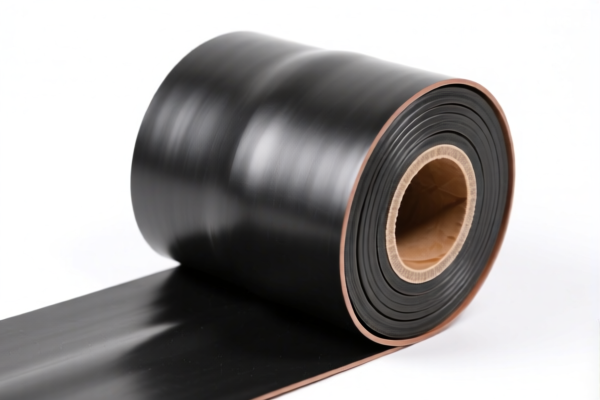
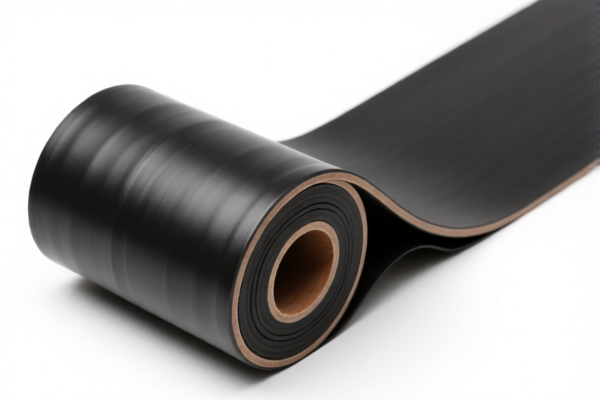
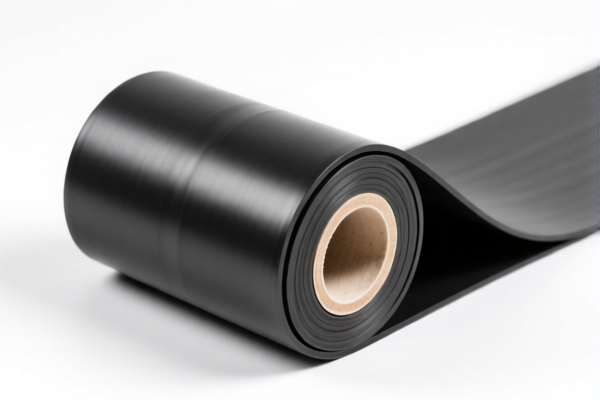
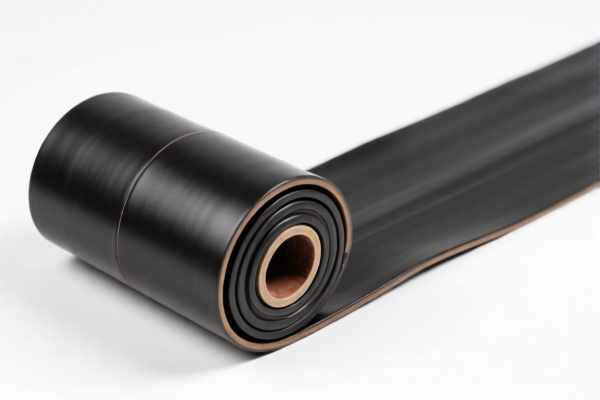
AI分析
🏭 Rubber Conveyor Belt: Fabric Reinforced (Industrial Power Transmission & Conveyance)
🌐 HS Code Reference & Customs Clearance Guide | 2024/2025 Latest Tariff Analysis | Professional Tier-1 Clearance Strategy
📌 I. Product Definition & Classification: Do You Truly Understand "Fabric Reinforced Rubber Conveyor Belts"?
A Fabric Reinforced Rubber Conveyor Belt is a critical industrial component used for bulk material handling and power transmission. In international trade, it is categorized not just by its material (rubber/fabric), but by its structural integrity and application. The core differentiator lies in whether it is classified as a "conveyance belt" (Section XI: Textiles) or a "part of machinery" (Section XVI: Machinery).
Key Structural Types:
1. Standard Conveyor Belt (Section XI): Fabric plies (polyester, nylon, cotton) embedded in rubber, designed for moving bulk goods. Classified under Heading 5910.
2. Machinery Component (Section XVI): If the belt is specifically identifiable as a part of a conveyor system and lacks the characteristics of a general-purpose textile article, it may be argued as a part of machinery under Heading 8431.
⚠️ Critical Distinction Point:
- If the product is described primarily by its textile construction (fabric layers) and general conveyance function → Go to HS Code 5910.
- If the product is explicitly marketed as an interchangeable part for a specific industrial machine, with no other use → Consider HS Code 8431.
📦 II. HS Code Classification Details (2024/2025 Latest Tariff Authority Comparison)
| HS Code | Product Description | Applicable Scenario | Key Attribute | Total Tariff Rate* |
|---|---|---|---|---|
5910.00.90.00 |
Textile-reinforced conveyor belts, of textile materials, for general conveyance | Standard bulk material handling (mining, agriculture, logistics) | General Textile Category | 37.6% |
5910.00.10.70 |
Textile-reinforced conveyor belts, of artificial textile materials, for other conveyance/power transmission | Synthetic fiber belts (Nylon/Polyester), specific power transmission uses | Specific Synthetic Category | 39.0% |
8431.39.00.10 |
Parts of machinery for lifting, handling, loading or unloading; Parts of conveyor belts | Identified specifically as a part of a conveyor system, industrial component | Industrial Machinery Part | 35.0% |
🔍 Important Note:
- HS 5910.00.90.00 is the most common classification for general-purpose fabric-reinforced rubber belts.
- HS 5910.00.10.70 applies when the belt is made of artificial textile materials (e.g., Nylon, Polyester) and falls under "other" conveyance applications.
- HS 8431.39.00.10 is a strategic alternative if you can prove the belt is a specific part of machinery (not a standalone textile good). It offers a slightly lower total tariff (35.0%) due to a 0% base duty, though it still faces significant附加 taxes.📌 Clarification from Data Source:
-5910.00.90.00: "Textile reinforced conveyor belt, material is textile material, use is conveyance."
-5910.00.10.70: "Textile reinforced conveyor belt, material is artificial fiber or textile material, use is transmission or conveyance."
-8431.39.00.10: "Conveyor belt as part of conveyor machine, textile reinforced structure conforms to industrial component attributes."
💰 III. 2024/2025 Latest Tariff Rate Breakdown (Including Additional Duties & Policy Surcharges)
✅ Applicable Country: United States (US)
✅ Origin: China (CN)
✅ Effective Date: November 10, 2025 (and subsequent imports)
🎯 1. 5910.00.90.00 —— General Textile-Reinforced Conveyor Belt
| Item | Content |
|---|---|
| Base Duty Rate | 2.6% (ad valorem) |
| Section 301 Surcharge | +25.0% (Added Duty) |
| IEEPA Section 122 Surcharge | +10.0% (China-specific surcharge) |
| Total Effective Rate | 37.6% |
| Tax Calculation | CIF Value × 37.6% |
| De Minimis Eligibility | ❌ NO (Denied for these HS codes) |
| Legal Basis Path | IEEPA:9903.01.25 → Section 301: 8431/5910 → FOOTNOTE:9903.88.01 |
📌 Explanation:
- The 2.6% base duty is relatively low, typical for textile articles.
- However, the +25% Section 301 duty and +10% IEEPA 122 duty are mandatory for Chinese-origin goods.
- Total 37.6% is a significant cost driver. Must be factored into landed cost calculations immediately.
🎯 2. 5910.00.10.70 —— Synthetic/Other Textile-Reinforced Conveyor Belt
| Item | Content |
|---|---|
| Base Duty Rate | 4.0% (ad valorem) |
| Section 301 Surcharge | +25.0% (Added Duty) |
| IEEPA Section 122 Surcharge | +10.0% (China-specific surcharge) |
| Total Effective Rate | 39.0% |
| Tax Calculation | CIF Value × 39.0% |
| De Minimis Eligibility | ❌ NO (Denied for these HS codes) |
| Legal Basis Path | IEEPA:9901.25 → IEEPA:9903.01.24 → USITC:5910.00.10.70 → FOOTNOTE:9903.88.01 |
📌 Note:
- Higher base duty (4.0%) compared to general textile belts.
- Same high附加 taxes apply.
- Total 39.0% is the highest rate in this dataset. Avoid if possible.
🎯 3. 8431.39.00.10 —— Industrial Part of Conveyor Machinery
| Item | Content |
|---|---|
| Base Duty Rate | 0.0% (ad valorem) |
| Section 301 Surcharge | +25.0% (Added Duty) |
| IEEPA Section 122 Surcharge | +10.0% (China-specific surcharge) |
| Total Effective Rate | 35.0% |
| Tax Calculation | CIF Value × 35.0% |
| De Minimis Eligibility | ❌ NO (Denied for these HS codes) |
| Legal Basis Path | IEEPA:9901.25 → IEEPA:9903.01.24 → USITC:8431.39.00.10 → FOOTNOTE:9903.88.01 |
📌 Strategic Advantage:
- Lowest Total Rate (35.0%) among the three options.
- Zero Base Duty makes it attractive if customs accepts the classification as a "part of machinery" rather than a "textile article."
- Risk: Higher scrutiny from Customs and Border Protection (CBP). Requires strong technical documentation to prove it is a specific industrial component and not a general textile conveyor belt.
🛠️ IV. Customs Clearance Practical Advice (Battle-Tested Pitfall Avoidance Guide)
✅ 1. Documentation Checklist (Non-Negotiable)
| Document | Must Provide? | Explanation |
|---|---|---|
| ✅ Product Specifications Sheet | ✔️ | Must detail: Fabric type (Nylon/Polyester/Cotton), rubber compound, tensile strength, ply count, width, thickness. |
| ✅ Technical Diagram/Cross-Section | ✔️ | Crucial for 8431.39.00.10 classification. Proves it is a "part of machinery." |
| ✅ Product Photos (Including Labels) | ✔️ | Clear view of model number, brand, and any "Made in China" stamps. |
| ✅ Commercial Invoice | ✔️ | Must state: "Fabric Reinforced Rubber Conveyor Belt for Industrial Machinery" (if claiming 8431) or "Textile Conveyor Belt" (if claiming 5910). |
| ✅ Packing List | ✔️ | Clearly distinguish between belts, splicing tools, and other accessories. Do not mix unrelated items. |
| ✅ Certificate of Origin (CO) | ✔️ | Required to prove Chinese origin. No preferential treatment available under current US tariffs for CN origin. |
✅ 2. Declaration Tactics (Key Mantras)
🔥 "Structure Defines Code, Component Defines Part, Name Defines Risk!"
| Scenario | Correct Declaration | Incorrect Practice |
|---|---|---|
| General Bulk Handling Belt | 5910.00.90.00 |
Misdeclare as 8431.39.00.10 → High risk of audit, penalties, and retroactive duties. |
| Synthetic Fiber Specific Belt | 5910.00.10.70 |
Misdeclare as 5910.00.90.00 → Discrepancy in material description → Delay. |
| Custom Industrial Part for Specific Machine | 8431.39.00.10 |
Use generic name "Conveyor Belt" without technical proof → Customs may reclassify to 5910 (higher duty). |
| Belt + Splicing Tools + Adhesives | Declare Separately | Bundle all under one HS Code → Incorrect valuation and potential classification error. |
✅ 3. Special Case Handling
| Situation | Handling Advice |
|---|---|
| OEM Custom Belts | Provide customer-specific drawings. If the belt is unique to a machine, emphasize 8431.39.00.10 with strong technical backing. |
| Belt Used in Food Processing | If it meets FDA standards, still classify by structure. Add "Food Grade" to description for clarity, but it does not change HS Code. |
| Used/Refurbished Belts | Generally prohibited or heavily restricted under US Customs. Ensure goods are new and compliant with US safety standards. |
| Mixed Materials (Rubber + Steel) | If steel cords are present, HS Code may change to 5910.00.20 or 4010. Check if your product is fabric reinforced only. |
🌍 V. Global Market Customs Comparison (2024/2025 Latest)
| Country/Region | Recommended HS Code | Base Duty | Additional Surcharges (CN) | Total Est. Rate | Notes |
|---|---|---|---|---|---|
| 🇺🇸 USA | 5910.00.90.00 |
2.6% | +35% (301 + 122) | 37.6% | Highest cost due to trade tensions. |
| 🇺🇸 USA | 8431.39.00.10 |
0.0% | +35% (301 + 122) | 35.0% | Best rate if accepted. High audit risk. |
| 🇨🇳 China | 5910.00.90.00 |
8% | 0% | 8% | Import to China has moderate duty. |
| 🇪🇺 EU | 5910.00.00 |
4.5% | 0% | 4.5% | No US-style surcharges. Favorable market. |
| 🇯🇵 Japan | 5910.00.00 |
3.7% | 0% | 3.7% | Low duty, stable market. |
📌 Conclusion:
- USA is the most challenging market for Chinese-origin conveyor belts due to Section 301 and IEEPA 122 tariffs.
- EU and Japan are far more cost-effective, with no additional punitive tariffs.
- Strategic Recommendation: For US imports, carefully weigh the 3.6% tariff savings of8431.39.00.10against the administrative and audit risks. If your belt is highly specialized,8431is worth pursuing. If it is a general commodity, stick to5910.00.90.00for simplicity.
📌 VI. Common Errors & Pitfall Guide (Lessons Learned the Hard Way)
❌ Error 1: Declaring a general conveyor belt as 8431.39.00.10 without technical proof
👉 Consequence: CBP rejects the classification, reverts to 5910.00.90.00, and charges back duties + interest + penalties.
👉 Fix: Always include a technical statement explaining why the item is a "part of machinery" and not a general textile article.
❌ Error 2: Ignoring the "Fabric Reinforced" detail
👉 Consequence: If the belt contains steel cords, 5910 is wrong. It should be 4010 or 5910.20.
👉 Fix: Verify material composition. Fabric only = 5910. Steel Cord = Different Code.
❌ Error 3: Using vague descriptions like "Rubber Belt"
👉 Consequence: Customs ambiguity leads to delays, inspections, and potential reclassification.
👉 Fix: Use precise language: "Fabric Reinforced Rubber Conveyor Belt, Polyester Plies, Industrial Use."
❌ Error 4: Assuming De Minimis applies
👉 Consequence: Packages under $800 are NOT exempt from these tariffs for Chinese goods.
👉 Fix: Pay the full 35-39% duty regardless of package size.
🎯 VII. Conclusion: Professional Declaration, Cost Control, Risk Mitigation
🎯 Remember the Mantra:
🔹 "Structure First, Component Second, Textile Last."
🔹 "0% Base Duty is Sweet, But 35% Total is Hard. 39% is Painful."
🔹 "Documentation is Your Shield Against CBP Audits."
📌 Pro Tip:
If you are importing into the USA, consider Advance Rulings. File a request with US Customs and Border Protection (CBP) to get a binding decision on your HS Code before shipment. This eliminates uncertainty and protects you from retroactive penalties.
📣 Immediate Action Required:
📞 Contact your freight forwarder today.
📄 Prepare technical specs for8431.39.00.10justification.
🚀 Calculate landed cost with 35-39% tariff included. Do NOT underestimate the cost.
✨ Professional Customs Clearance Starts with Precise Classification!
💼 Every percentage point of duty is a percentage point of your profit.
用户评价
关于 HS 编码归类
协调制度(HS)是由世界海关组织(WCO)制定的国际贸易商品分类标准。全球 200 多个国家采用 HS 系统作为海关关税、贸易统计和进出口监管的基础。
每个 HS 编码遵循以下层级结构:
- 章(2 位)——商品大类(例如:第 84 章:机器和机械设备)
- 品目(4 位)——章内的更具体分类
- 子目(6 位)——国际通用细分,所有 WCO 成员国统一使用
- 本国细分(8-10 位)——各国自行扩展的细分编码,如美国 HTSUS 10 位编码
正确的 HS 编码归类对于顺利通关、准确缴纳关税和遵守贸易法规至关重要。错误归类可能导致海关延误、多缴关税或罚款。
从CN进口到US时,适用的关税税率可能包括:
- 最惠国(MFN)税率——适用于 WTO 成员国的标准关税税率
- 普通税率——适用于无贸易协定国家
- 贸易救济关税——附加关税,如 301 条款(反倾销)、232 条款(国家安全)或反补贴税
本页内容仅供参考。如需正式归类,请咨询当地海关或持牌报关代理。