Rubber Conveyor Belt Fabric Reinforced
CN → US| HS Code | Tariff Rate | Origin | Destination | Doc |
|---|---|---|---|---|
| 5910009000 | 37.6% | CN | US | Official Doc |
| 5910001070 | 39.0% | CN | US | Official Doc |
| 8431390010 | 35.0% | CN | US | Official Doc |
Product Images
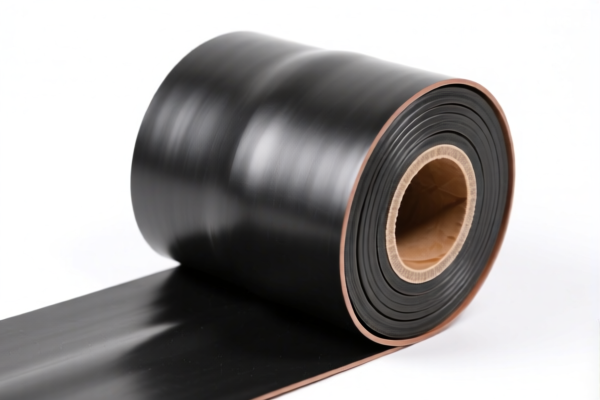
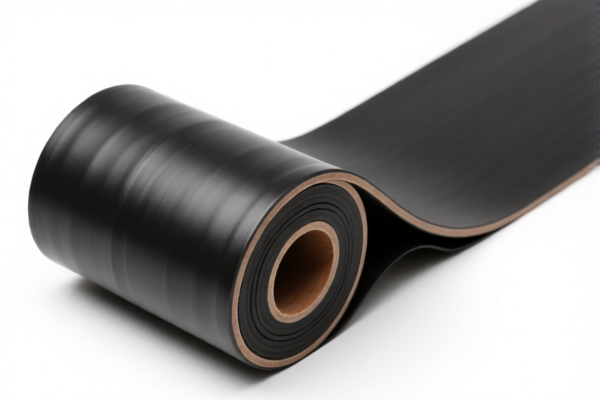
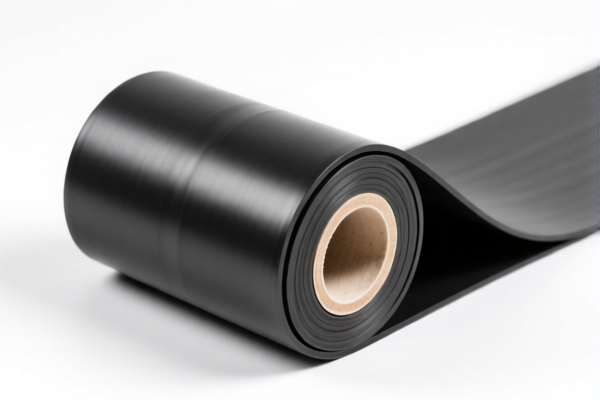
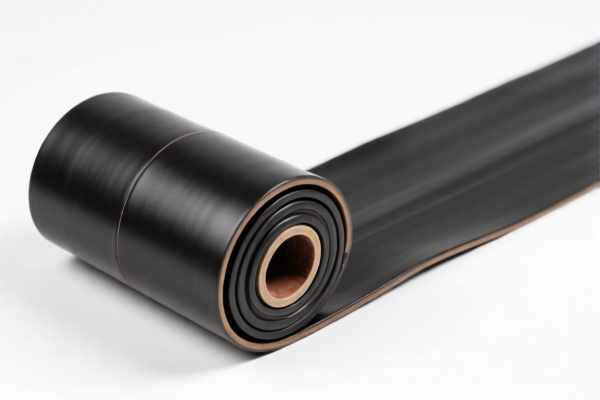
AI Analysis
🏭 Rubber Conveyor Belt: Fabric Reinforced (Industrial Power Transmission & Conveyance)
🌐 HS Code Reference & Customs Clearance Guide | 2024/2025 Latest Tariff Analysis | Professional Tier-1 Clearance Strategy
📌 I. Product Definition & Classification: Do You Truly Understand "Fabric Reinforced Rubber Conveyor Belts"?
A Fabric Reinforced Rubber Conveyor Belt is a critical industrial component used for bulk material handling and power transmission. In international trade, it is categorized not just by its material (rubber/fabric), but by its structural integrity and application. The core differentiator lies in whether it is classified as a "conveyance belt" (Section XI: Textiles) or a "part of machinery" (Section XVI: Machinery).
Key Structural Types:
1. Standard Conveyor Belt (Section XI): Fabric plies (polyester, nylon, cotton) embedded in rubber, designed for moving bulk goods. Classified under Heading 5910.
2. Machinery Component (Section XVI): If the belt is specifically identifiable as a part of a conveyor system and lacks the characteristics of a general-purpose textile article, it may be argued as a part of machinery under Heading 8431.
⚠️ Critical Distinction Point:
- If the product is described primarily by its textile construction (fabric layers) and general conveyance function → Go to HS Code 5910.
- If the product is explicitly marketed as an interchangeable part for a specific industrial machine, with no other use → Consider HS Code 8431.
📦 II. HS Code Classification Details (2024/2025 Latest Tariff Authority Comparison)
| HS Code | Product Description | Applicable Scenario | Key Attribute | Total Tariff Rate* |
|---|---|---|---|---|
5910.00.90.00 |
Textile-reinforced conveyor belts, of textile materials, for general conveyance | Standard bulk material handling (mining, agriculture, logistics) | General Textile Category | 37.6% |
5910.00.10.70 |
Textile-reinforced conveyor belts, of artificial textile materials, for other conveyance/power transmission | Synthetic fiber belts (Nylon/Polyester), specific power transmission uses | Specific Synthetic Category | 39.0% |
8431.39.00.10 |
Parts of machinery for lifting, handling, loading or unloading; Parts of conveyor belts | Identified specifically as a part of a conveyor system, industrial component | Industrial Machinery Part | 35.0% |
🔍 Important Note:
- HS 5910.00.90.00 is the most common classification for general-purpose fabric-reinforced rubber belts.
- HS 5910.00.10.70 applies when the belt is made of artificial textile materials (e.g., Nylon, Polyester) and falls under "other" conveyance applications.
- HS 8431.39.00.10 is a strategic alternative if you can prove the belt is a specific part of machinery (not a standalone textile good). It offers a slightly lower total tariff (35.0%) due to a 0% base duty, though it still faces significant附加 taxes.📌 Clarification from Data Source:
-5910.00.90.00: "Textile reinforced conveyor belt, material is textile material, use is conveyance."
-5910.00.10.70: "Textile reinforced conveyor belt, material is artificial fiber or textile material, use is transmission or conveyance."
-8431.39.00.10: "Conveyor belt as part of conveyor machine, textile reinforced structure conforms to industrial component attributes."
💰 III. 2024/2025 Latest Tariff Rate Breakdown (Including Additional Duties & Policy Surcharges)
✅ Applicable Country: United States (US)
✅ Origin: China (CN)
✅ Effective Date: November 10, 2025 (and subsequent imports)
🎯 1. 5910.00.90.00 —— General Textile-Reinforced Conveyor Belt
| Item | Content |
|---|---|
| Base Duty Rate | 2.6% (ad valorem) |
| Section 301 Surcharge | +25.0% (Added Duty) |
| IEEPA Section 122 Surcharge | +10.0% (China-specific surcharge) |
| Total Effective Rate | 37.6% |
| Tax Calculation | CIF Value × 37.6% |
| De Minimis Eligibility | ❌ NO (Denied for these HS codes) |
| Legal Basis Path | IEEPA:9903.01.25 → Section 301: 8431/5910 → FOOTNOTE:9903.88.01 |
📌 Explanation:
- The 2.6% base duty is relatively low, typical for textile articles.
- However, the +25% Section 301 duty and +10% IEEPA 122 duty are mandatory for Chinese-origin goods.
- Total 37.6% is a significant cost driver. Must be factored into landed cost calculations immediately.
🎯 2. 5910.00.10.70 —— Synthetic/Other Textile-Reinforced Conveyor Belt
| Item | Content |
|---|---|
| Base Duty Rate | 4.0% (ad valorem) |
| Section 301 Surcharge | +25.0% (Added Duty) |
| IEEPA Section 122 Surcharge | +10.0% (China-specific surcharge) |
| Total Effective Rate | 39.0% |
| Tax Calculation | CIF Value × 39.0% |
| De Minimis Eligibility | ❌ NO (Denied for these HS codes) |
| Legal Basis Path | IEEPA:9901.25 → IEEPA:9903.01.24 → USITC:5910.00.10.70 → FOOTNOTE:9903.88.01 |
📌 Note:
- Higher base duty (4.0%) compared to general textile belts.
- Same high附加 taxes apply.
- Total 39.0% is the highest rate in this dataset. Avoid if possible.
🎯 3. 8431.39.00.10 —— Industrial Part of Conveyor Machinery
| Item | Content |
|---|---|
| Base Duty Rate | 0.0% (ad valorem) |
| Section 301 Surcharge | +25.0% (Added Duty) |
| IEEPA Section 122 Surcharge | +10.0% (China-specific surcharge) |
| Total Effective Rate | 35.0% |
| Tax Calculation | CIF Value × 35.0% |
| De Minimis Eligibility | ❌ NO (Denied for these HS codes) |
| Legal Basis Path | IEEPA:9901.25 → IEEPA:9903.01.24 → USITC:8431.39.00.10 → FOOTNOTE:9903.88.01 |
📌 Strategic Advantage:
- Lowest Total Rate (35.0%) among the three options.
- Zero Base Duty makes it attractive if customs accepts the classification as a "part of machinery" rather than a "textile article."
- Risk: Higher scrutiny from Customs and Border Protection (CBP). Requires strong technical documentation to prove it is a specific industrial component and not a general textile conveyor belt.
🛠️ IV. Customs Clearance Practical Advice (Battle-Tested Pitfall Avoidance Guide)
✅ 1. Documentation Checklist (Non-Negotiable)
| Document | Must Provide? | Explanation |
|---|---|---|
| ✅ Product Specifications Sheet | ✔️ | Must detail: Fabric type (Nylon/Polyester/Cotton), rubber compound, tensile strength, ply count, width, thickness. |
| ✅ Technical Diagram/Cross-Section | ✔️ | Crucial for 8431.39.00.10 classification. Proves it is a "part of machinery." |
| ✅ Product Photos (Including Labels) | ✔️ | Clear view of model number, brand, and any "Made in China" stamps. |
| ✅ Commercial Invoice | ✔️ | Must state: "Fabric Reinforced Rubber Conveyor Belt for Industrial Machinery" (if claiming 8431) or "Textile Conveyor Belt" (if claiming 5910). |
| ✅ Packing List | ✔️ | Clearly distinguish between belts, splicing tools, and other accessories. Do not mix unrelated items. |
| ✅ Certificate of Origin (CO) | ✔️ | Required to prove Chinese origin. No preferential treatment available under current US tariffs for CN origin. |
✅ 2. Declaration Tactics (Key Mantras)
🔥 "Structure Defines Code, Component Defines Part, Name Defines Risk!"
| Scenario | Correct Declaration | Incorrect Practice |
|---|---|---|
| General Bulk Handling Belt | 5910.00.90.00 |
Misdeclare as 8431.39.00.10 → High risk of audit, penalties, and retroactive duties. |
| Synthetic Fiber Specific Belt | 5910.00.10.70 |
Misdeclare as 5910.00.90.00 → Discrepancy in material description → Delay. |
| Custom Industrial Part for Specific Machine | 8431.39.00.10 |
Use generic name "Conveyor Belt" without technical proof → Customs may reclassify to 5910 (higher duty). |
| Belt + Splicing Tools + Adhesives | Declare Separately | Bundle all under one HS Code → Incorrect valuation and potential classification error. |
✅ 3. Special Case Handling
| Situation | Handling Advice |
|---|---|
| OEM Custom Belts | Provide customer-specific drawings. If the belt is unique to a machine, emphasize 8431.39.00.10 with strong technical backing. |
| Belt Used in Food Processing | If it meets FDA standards, still classify by structure. Add "Food Grade" to description for clarity, but it does not change HS Code. |
| Used/Refurbished Belts | Generally prohibited or heavily restricted under US Customs. Ensure goods are new and compliant with US safety standards. |
| Mixed Materials (Rubber + Steel) | If steel cords are present, HS Code may change to 5910.00.20 or 4010. Check if your product is fabric reinforced only. |
🌍 V. Global Market Customs Comparison (2024/2025 Latest)
| Country/Region | Recommended HS Code | Base Duty | Additional Surcharges (CN) | Total Est. Rate | Notes |
|---|---|---|---|---|---|
| 🇺🇸 USA | 5910.00.90.00 |
2.6% | +35% (301 + 122) | 37.6% | Highest cost due to trade tensions. |
| 🇺🇸 USA | 8431.39.00.10 |
0.0% | +35% (301 + 122) | 35.0% | Best rate if accepted. High audit risk. |
| 🇨🇳 China | 5910.00.90.00 |
8% | 0% | 8% | Import to China has moderate duty. |
| 🇪🇺 EU | 5910.00.00 |
4.5% | 0% | 4.5% | No US-style surcharges. Favorable market. |
| 🇯🇵 Japan | 5910.00.00 |
3.7% | 0% | 3.7% | Low duty, stable market. |
📌 Conclusion:
- USA is the most challenging market for Chinese-origin conveyor belts due to Section 301 and IEEPA 122 tariffs.
- EU and Japan are far more cost-effective, with no additional punitive tariffs.
- Strategic Recommendation: For US imports, carefully weigh the 3.6% tariff savings of8431.39.00.10against the administrative and audit risks. If your belt is highly specialized,8431is worth pursuing. If it is a general commodity, stick to5910.00.90.00for simplicity.
📌 VI. Common Errors & Pitfall Guide (Lessons Learned the Hard Way)
❌ Error 1: Declaring a general conveyor belt as 8431.39.00.10 without technical proof
👉 Consequence: CBP rejects the classification, reverts to 5910.00.90.00, and charges back duties + interest + penalties.
👉 Fix: Always include a technical statement explaining why the item is a "part of machinery" and not a general textile article.
❌ Error 2: Ignoring the "Fabric Reinforced" detail
👉 Consequence: If the belt contains steel cords, 5910 is wrong. It should be 4010 or 5910.20.
👉 Fix: Verify material composition. Fabric only = 5910. Steel Cord = Different Code.
❌ Error 3: Using vague descriptions like "Rubber Belt"
👉 Consequence: Customs ambiguity leads to delays, inspections, and potential reclassification.
👉 Fix: Use precise language: "Fabric Reinforced Rubber Conveyor Belt, Polyester Plies, Industrial Use."
❌ Error 4: Assuming De Minimis applies
👉 Consequence: Packages under $800 are NOT exempt from these tariffs for Chinese goods.
👉 Fix: Pay the full 35-39% duty regardless of package size.
🎯 VII. Conclusion: Professional Declaration, Cost Control, Risk Mitigation
🎯 Remember the Mantra:
🔹 "Structure First, Component Second, Textile Last."
🔹 "0% Base Duty is Sweet, But 35% Total is Hard. 39% is Painful."
🔹 "Documentation is Your Shield Against CBP Audits."
📌 Pro Tip:
If you are importing into the USA, consider Advance Rulings. File a request with US Customs and Border Protection (CBP) to get a binding decision on your HS Code before shipment. This eliminates uncertainty and protects you from retroactive penalties.
📣 Immediate Action Required:
📞 Contact your freight forwarder today.
📄 Prepare technical specs for8431.39.00.10justification.
🚀 Calculate landed cost with 35-39% tariff included. Do NOT underestimate the cost.
✨ Professional Customs Clearance Starts with Precise Classification!
💼 Every percentage point of duty is a percentage point of your profit.
Customer Reviews
About HS Code Classification
The Harmonized System (HS) is an internationally standardized nomenclature developed by the World Customs Organization (WCO) to classify traded products. Over 200 countries use the HS system as the basis for customs tariffs, trade statistics, and import/export regulations.
Each HS code follows a hierarchical structure:
- Chapter (2 digits) — Broad category of goods (e.g., Chapter 84: Machinery and Mechanical Appliances)
- Heading (4 digits) — More specific grouping within the chapter
- Subheading (6 digits) — Internationally standardized breakdown, used by all WCO member countries
- National subdivisions (8-10 digits) — Country-specific extensions for further classification, such as US HTSUS 10-digit codes
Correct HS code classification is essential for smooth customs clearance, accurate duty payment, and compliance with trade regulations. Misclassification can lead to customs delays, overpayment of duties, or penalties.
When importing from CN to US, the applicable tariff rates may include:
- Most-Favored-Nation (MFN) rate — The standard duty rate applied to WTO members
- General rate — Applied to countries without trade agreements
- Trade remedy duties — Additional tariffs such as Section 301 (anti-dumping), Section 232 (national security), or countervailing duties
The information provided on this page is for reference purposes only. For official classification, please consult with your local customs authority or a licensed customs broker.