Rubber Cut Resistant Gloves
CN → US| HS编码 | 关税税率 | 原产国 | 目的国 | 文档 |
|---|---|---|---|---|
| 6116109500 | 24.5% | CN | US | 官方文档 |
| 3926204050 | 16.5% | CN | US | 官方文档 |
| 4015191150 | 38.0% | CN | US | 官方文档 |
| 6116106500 | 24.5% | CN | US | 官方文档 |
| 4015195100 | 49.0% | CN | US | 官方文档 |
商品图片
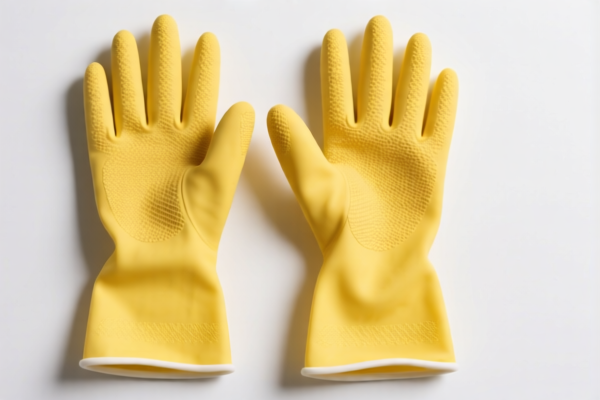
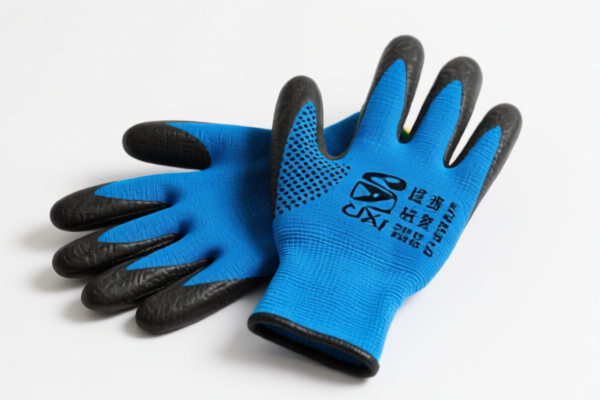
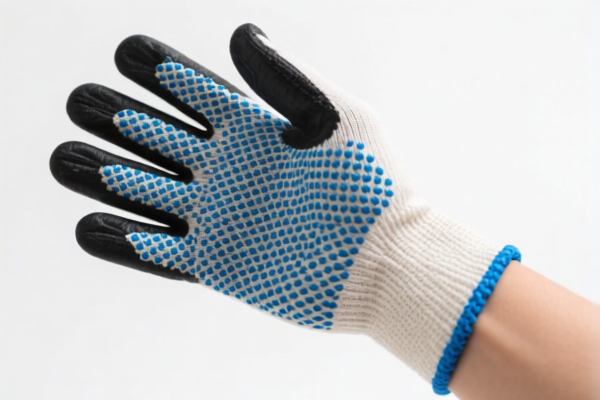
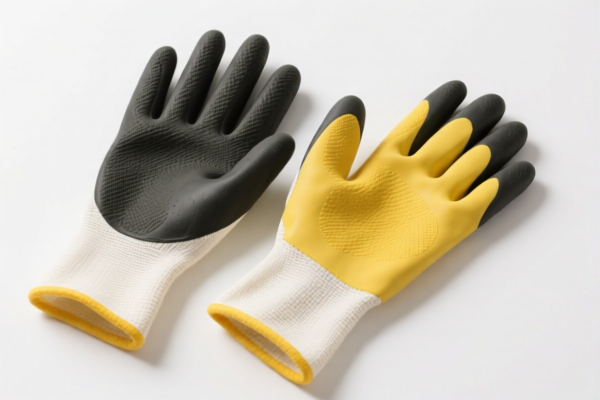
AI分析
🧤 Rubber Cut-Resistant Gloves (Agricultural/Industrial Grade)
🌐 HS Code Reference & Customs Clearance Guide | 2024-2025 Tariff Analysis | Professional Strategy for US Imports
📌 Part I: Product Definition & Classification – Do You Really Understand “Rubber Cut-Resistant Gloves”?
Rubber cut-resistant gloves are high-performance protective gear designed to shield hands from cuts, abrasions, and chemicals. In international trade, they are primarily classified under Chapter 40 (Rubber) or Chapter 61/62 (Knitted/Crocheted Clothing) depending on the manufacturing process and material dominance.
The key classification challenge lies in distinguishing between: 1. Sulfured Rubber Articles (Chapter 40): Gloves where the rubber component is dominant, often dipped or molded. 2. Knitted/Crocheted Gloves (Chapter 61): Gloves made of fabric (e.g., nylon, polyester) that are impregnated, coated, or covered with rubber/plastic. 3. Plastic Articles (Chapter 39): Less common for pure rubber, but sometimes inferred if plastic polymers dominate the surface.
⚠️ Key Distinction Point:
- If the glove is primarily fabric-based with a rubber coating/impregnation → It typically falls under Chapter 61 (e.g.,6116.10).
- If the glove is primarily solid rubber/sulfured rubber without a fabric base dominating the structure → It falls under Chapter 40 (e.g.,4015.19).
- Note on "Cut Resistance": This feature is a functional attribute. Customs classifies based on material composition and manufacturing method, not performance. However, the presence of a fabric liner strongly pushes classification toward Chapter 61.
📦 Part II: HS Code Classification Details (2024-2025 Tariff Authority Comparison)
| HS Code | Product Description | Applicable Scenario | Material Dominance | Estimated Total Tax (US) |
|---|---|---|---|---|
6116.10.95.00 |
Knitted/crocheted gloves, impregnated/coated with rubber | Fabric base + rubber coating. Most common for agricultural/industrial cut-resistant gloves. | Fabric + Rubber Coating | 24.5% |
3926.20.40.50 |
Other articles of plastic, not elsewhere specified | Rare/Debatable. Sometimes inferred if plastic polymer dominates over rubber. | Plastic (Inferred) | 16.5% |
4015.19.11.50 |
Sulfured rubber clothing/accessories | Solid rubber gloves or those where rubber structure dominates. | Sulfured Rubber | 38.0% |
6116.10.65.00 |
Knitted/crocheted gloves, impregnated/coated with rubber | Similar to 6116.10.95.00, specific sub-category for rubber-coated knitted gloves. | Fabric + Rubber Coating | 24.5% |
4015.19.51.00 |
Sulfured rubber clothing/accessories | High-duty rubber gloves. | Sulfured Rubber | 49.0% |
🔍 Key Reminder:
- Most "cut-resistant" gloves are fabric liners dipped in rubber/nitrile. Therefore, Chapter 61 (6116.10.xxxx) is the most likely and favorable classification. - Classification under Chapter 40 (4015.19) attracts significantly higher tariffs due to Section 301 and IEEPA surcharges. - Chapter 39 (3926.20) is a "reasonable inference" only if the glove is predominantly plastic-based, which is less common for true rubber cut-resistant gloves.
💰 Part III: 2024-2025 Tariff Rate Breakdown (Including Surcharges)
✅ Applicable Country: United States (US)
✅ Country of Origin: China (CN)
✅ Effective Date: Current rates apply (Section 301 & IEEPA surcharges active)
🎯 1. 6116.10.95.00 & 6116.10.65.00 – Knitted Rubber-Coated Gloves
(Most Recommended for Cut-Resistant Gloves)
| Item | Content |
|---|---|
| Base Tariff Rate | 7.0% (Ad Valorem) |
| Section 301 Surcharge | +7.5% (Additional duty under HTSUS Footnote 3) |
| IEEPA Surcharge | +10.0% (Under Executive Order 14032, for Chinese goods) |
| Total Tariff Rate | 24.5% |
| Tax Calculation | CIF Value × 24.5% |
| De Minimis Exemption | ❌ Not Available (Value > $800 triggers full duty) |
| Legal Basis Path | HTSUS:6116.10 → Section 301: Footnote 3 → IEEPA: EO 14032 |
📌 Explanation:
- Base 7%: Standard MFN rate for knitted rubber-coated gloves. - Section 301 7.5%: Added due to trade tensions; applies to most Chinese-made textile/rubber goods. - IEEPA 10%: Additional surcharge for Chinese imports, effective as of recent executive orders. - Total 24.5%: This is a moderate-to-high tariff but significantly lower than Chapter 40 classifications.
🎯 2. 3926.20.40.50 – Plastic Articles (Inferred)
| Item | Content |
|---|---|
| Base Tariff Rate | 6.5% |
| Section 301 Surcharge | 0.0% (Note: Specific footnote may exempt this sub-code from additional 301 duties) |
| IEEPA Surcharge | +10.0% |
| Total Tariff Rate | 16.5% |
| Tax Calculation | CIF Value × 16.5% |
| De Minimis Exemption | ❌ Not Available |
| Legal Basis Path | HTSUS:3926.20 → IEEPA: EO 14032 |
📌 Note:
- This rate is the lowest among the options, BUT classification is risky. - Customs may reject this if the product is primarily rubber, not plastic. Misclassification can lead to penalties and back taxes. - Use only if the glove is >50% plastic polymer by weight and not clearly rubber-based.
🎯 3. 4015.19.11.50 – Sulfured Rubber Articles
| Item | Content |
|---|---|
| Base Tariff Rate | 3.0% |
| Section 301 Surcharge | +25.0% (High additional duty for rubber goods) |
| IEEPA Surcharge | +10.0% |
| Total Tariff Rate | 38.0% |
| Tax Calculation | CIF Value × 38.0% |
| De Minimis Exemption | ❌ Not Available |
| Legal Basis Path | HTSUS:4015.19 → Section 301: Footnote 3 → IEEPA: EO 14032 |
📌 Warning:
- Although the base rate is low (3%), the Section 301 surcharge of 25% makes this extremely expensive. - Avoid this classification unless the glove is solid rubber with no fabric dominance.
🎯 4. 4015.19.51.00 – Sulfured Rubber Articles (Other)
| Item | Content |
|---|---|
| Base Tariff Rate | 14.0% |
| Section 301 Surcharge | +25.0% |
| IEEPA Surcharge | +10.0% |
| Total Tariff Rate | 49.0% |
| Tax Calculation | CIF Value × 49.0% |
| De Minimis Exemption | ❌ Not Available |
| Legal Basis Path | HTSUS:4015.19 → Section 301: Footnote 3 → IEEPA: EO 14032 |
📌 Warning:
- This is the highest tariff option. - Strongly discouraged unless the product is definitively solid sulfured rubber and no other classification fits.
🛠️ Part IV: Customs Clearance Practical Advice (Real-World Pitfall Avoidance)
✅ 1. Essential Documentation Checklist (None Optional)
| Document | Must Provide | Explanation |
|---|---|---|
| ✅ Product Spec Sheet | ✔️ | Detail material composition (e.g., "90% Nitrile Rubber, 10% Nylon Liner") |
| ✅ Material Breakdown | ✔️ | Explicitly state percentage of rubber vs. fabric/plastic |
| ✅ Product Photos | ✔️ | Show texture, lining, and dipping process |
| ✅ Bill of Lading | ✔️ | Ensure description matches HS Code classification |
| ✅ Commercial Invoice | ✔️ | List HS Code, country of origin, and unit price |
| ✅ Origin Certificate | ✔️ | Proof of Chinese origin (triggers IEEPA/301) |
✅ 2. Classification Strategy (Key Mnemonic)
🔥 "Fabric Base → Chapter 61 (24.5%); Solid Rubber → Chapter 40 (38-49%); Plastic Inference → Chapter 39 (16.5% but risky)"
| Scenario | Correct HS Code | Wrong Action | Consequence |
|---|---|---|---|
| Gloves with nylon/polyester liner dipped in rubber | 6116.10.95.00 or 6116.10.65.00 |
Classify as 4015.19 |
Overpay by 13-24% |
| Gloves with plastic coating (not rubber) | 3926.20.40.50 |
Classify as 6116.10 |
Potential Penalty if not rubber |
| Solid rubber gloves (no fabric) | 4015.19.11.50 |
Classify as 6116.10 |
Underpayment + Penalty |
| Mixed material unclear | Consult Pre-Ruling | Guess 3926 |
Customs Audit Risk |
✅ 3. Special Situations
| Situation | Handling Advice |
|---|---|
| OEM Custom Gloves | Provide design specs showing material layers. If fabric is visible, use Chapter 61. |
| High Cut-Resistance (Kevlar/Linen Liner) | Still Chapter 61 if rubber-coated. Do not use Chapter 56 (Nonwovens) unless uncoated. |
| Imported from Vietnam/Mexico | IEEPA 10% Surcharge may NOT apply. Check FTAs/USMCA. Potentially lower total tax. |
| Samples for Testing | If value < $800, may qualify for De Minimis, but still subject to duty if not eligible. |
🌍 Part V: Global Market Comparison (2024-2025)
| Country/Region | Recommended HS Code | Tariff (China Origin) | Key Certifications | Notes |
|---|---|---|---|---|
| 🇺🇸 USA | 6116.10.95.00 |
24.5% (Total) | ASTM F2992, EN388 | High scrutiny on material composition |
| 🇨🇳 China | 6116.10.95.00 |
~5-7% | CCC (if applicable) | Lower import barriers |
| 🇪🇺 EU | 4015.19 or 6116 |
4-6% | CE, REACH | No Section 301-style surcharges |
| 🇬🇧 UK | 4015.19 or 6116 |
4-6% | UKCA | Post-Brexit rules apply |
| 🇦🇺 Australia | 4015.19 or 6116 |
5% | SAA | No major surcharges |
📌 Conclusion:
- USA is the most expensive market due to Section 301 + IEEPA. - Chapter 61 (6116.10) is the sweet spot for cut-resistant gloves: balances cost (24.5%) with accuracy. - Avoid Chapter 40 unless you are certain the product is solid rubber.
📌 Part VI: Common Errors & Pitfalls (Lessons Learned)
❌ Error 1: Classifying fabric-lined rubber gloves as 4015.19
👉 Result: Pay 38-49% instead of 24.5% → Overpayment!
❌ Error 2: Claiming 3926.20 for rubber gloves
👉 Result: Customs rejects, demands back taxes + penalties → Risk of seizure!
❌ Error 3: Ignoring IEEPA Surcharge
👉 Result: Underpaying by 10% → Audit and fines!
❌ Error 4: Mixing shipments with different materials
👉 Result: One incorrect HS Code can trigger an audit for the entire shipment → Delay!
✅ Best Practice:
"Nitrile Rubber-Coated Knitted Gloves, Cut-Resistant, Model XYZ, ASTM F2992 Certified, Made in China"
🎯 Part VII: Conclusion – Professional Classification Saves Money!
🎯 Remember the Mnemonic:
🔹 "Fabric + Rubber = Chapter 61 (24.5%)"; "Solid Rubber = Chapter 40 (38-49%)"
🔹 "HS Code determines duty, 24.5% is your target, 49% is a trap, avoid it!"
📌 Pro Tip:
If your gloves are imported from Vietnam, Mexico, or Thailand, you may avoid the 10% IEEPA surcharge, reducing the total tax significantly. Consider supply chain diversification for high-volume imports.
📢 Action Plan:
📞 Consult a licensed customs broker
📸 Provide detailed material breakdown
📋 Apply for a Binding Ruling if unsure
🚀 Ensure smooth customs clearance, minimize costs, and maximize profit!
✨ Professional classification starts with precise material analysis!
💼 Every dollar saved in duty is pure profit!
用户评价
关于 HS 编码归类
协调制度(HS)是由世界海关组织(WCO)制定的国际贸易商品分类标准。全球 200 多个国家采用 HS 系统作为海关关税、贸易统计和进出口监管的基础。
每个 HS 编码遵循以下层级结构:
- 章(2 位)——商品大类(例如:第 84 章:机器和机械设备)
- 品目(4 位)——章内的更具体分类
- 子目(6 位)——国际通用细分,所有 WCO 成员国统一使用
- 本国细分(8-10 位)——各国自行扩展的细分编码,如美国 HTSUS 10 位编码
正确的 HS 编码归类对于顺利通关、准确缴纳关税和遵守贸易法规至关重要。错误归类可能导致海关延误、多缴关税或罚款。
从CN进口到US时,适用的关税税率可能包括:
- 最惠国(MFN)税率——适用于 WTO 成员国的标准关税税率
- 普通税率——适用于无贸易协定国家
- 贸易救济关税——附加关税,如 301 条款(反倾销)、232 条款(国家安全)或反补贴税
本页内容仅供参考。如需正式归类,请咨询当地海关或持牌报关代理。