Rubber Cut Resistant Gloves
CN → US| HS Code | Tariff Rate | Origin | Destination | Doc |
|---|---|---|---|---|
| 6116109500 | 24.5% | CN | US | Official Doc |
| 3926204050 | 16.5% | CN | US | Official Doc |
| 4015191150 | 38.0% | CN | US | Official Doc |
| 6116106500 | 24.5% | CN | US | Official Doc |
| 4015195100 | 49.0% | CN | US | Official Doc |
Product Images
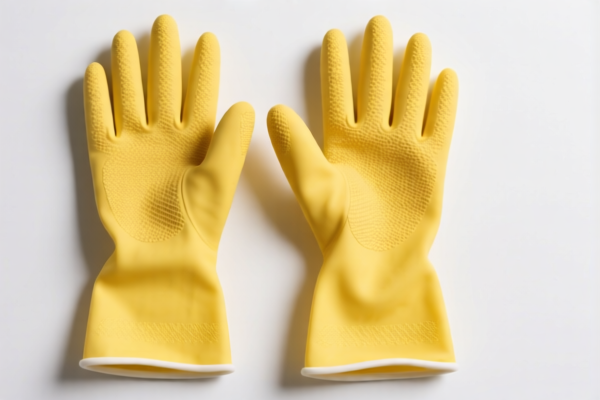
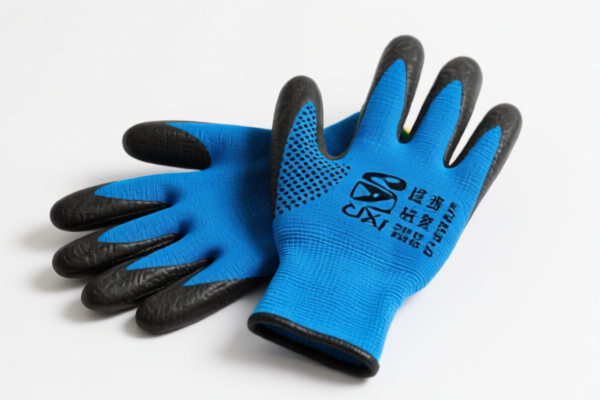
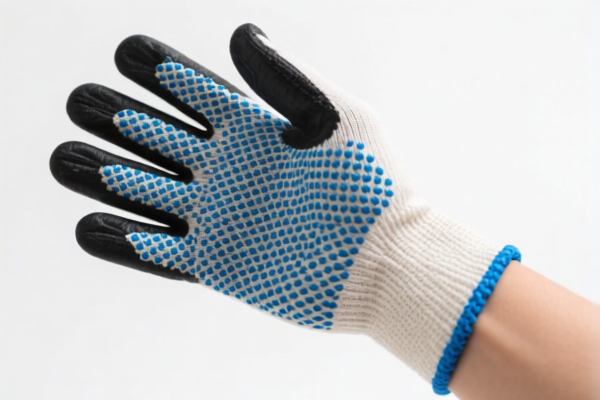
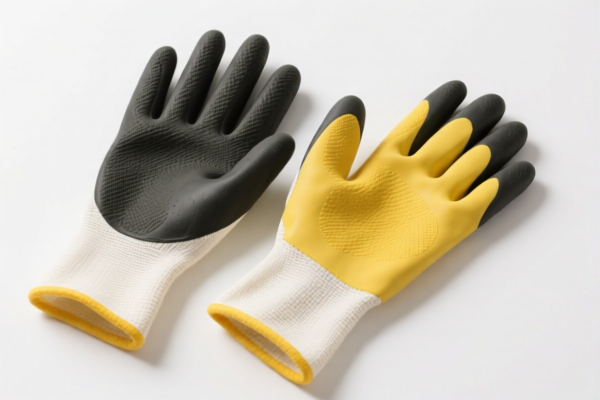
AI Analysis
🧤 Rubber Cut-Resistant Gloves (Agricultural/Industrial Grade)
🌐 HS Code Reference & Customs Clearance Guide | 2024-2025 Tariff Analysis | Professional Strategy for US Imports
📌 Part I: Product Definition & Classification – Do You Really Understand “Rubber Cut-Resistant Gloves”?
Rubber cut-resistant gloves are high-performance protective gear designed to shield hands from cuts, abrasions, and chemicals. In international trade, they are primarily classified under Chapter 40 (Rubber) or Chapter 61/62 (Knitted/Crocheted Clothing) depending on the manufacturing process and material dominance.
The key classification challenge lies in distinguishing between: 1. Sulfured Rubber Articles (Chapter 40): Gloves where the rubber component is dominant, often dipped or molded. 2. Knitted/Crocheted Gloves (Chapter 61): Gloves made of fabric (e.g., nylon, polyester) that are impregnated, coated, or covered with rubber/plastic. 3. Plastic Articles (Chapter 39): Less common for pure rubber, but sometimes inferred if plastic polymers dominate the surface.
⚠️ Key Distinction Point:
- If the glove is primarily fabric-based with a rubber coating/impregnation → It typically falls under Chapter 61 (e.g.,6116.10).
- If the glove is primarily solid rubber/sulfured rubber without a fabric base dominating the structure → It falls under Chapter 40 (e.g.,4015.19).
- Note on "Cut Resistance": This feature is a functional attribute. Customs classifies based on material composition and manufacturing method, not performance. However, the presence of a fabric liner strongly pushes classification toward Chapter 61.
📦 Part II: HS Code Classification Details (2024-2025 Tariff Authority Comparison)
| HS Code | Product Description | Applicable Scenario | Material Dominance | Estimated Total Tax (US) |
|---|---|---|---|---|
6116.10.95.00 |
Knitted/crocheted gloves, impregnated/coated with rubber | Fabric base + rubber coating. Most common for agricultural/industrial cut-resistant gloves. | Fabric + Rubber Coating | 24.5% |
3926.20.40.50 |
Other articles of plastic, not elsewhere specified | Rare/Debatable. Sometimes inferred if plastic polymer dominates over rubber. | Plastic (Inferred) | 16.5% |
4015.19.11.50 |
Sulfured rubber clothing/accessories | Solid rubber gloves or those where rubber structure dominates. | Sulfured Rubber | 38.0% |
6116.10.65.00 |
Knitted/crocheted gloves, impregnated/coated with rubber | Similar to 6116.10.95.00, specific sub-category for rubber-coated knitted gloves. | Fabric + Rubber Coating | 24.5% |
4015.19.51.00 |
Sulfured rubber clothing/accessories | High-duty rubber gloves. | Sulfured Rubber | 49.0% |
🔍 Key Reminder:
- Most "cut-resistant" gloves are fabric liners dipped in rubber/nitrile. Therefore, Chapter 61 (6116.10.xxxx) is the most likely and favorable classification. - Classification under Chapter 40 (4015.19) attracts significantly higher tariffs due to Section 301 and IEEPA surcharges. - Chapter 39 (3926.20) is a "reasonable inference" only if the glove is predominantly plastic-based, which is less common for true rubber cut-resistant gloves.
💰 Part III: 2024-2025 Tariff Rate Breakdown (Including Surcharges)
✅ Applicable Country: United States (US)
✅ Country of Origin: China (CN)
✅ Effective Date: Current rates apply (Section 301 & IEEPA surcharges active)
🎯 1. 6116.10.95.00 & 6116.10.65.00 – Knitted Rubber-Coated Gloves
(Most Recommended for Cut-Resistant Gloves)
| Item | Content |
|---|---|
| Base Tariff Rate | 7.0% (Ad Valorem) |
| Section 301 Surcharge | +7.5% (Additional duty under HTSUS Footnote 3) |
| IEEPA Surcharge | +10.0% (Under Executive Order 14032, for Chinese goods) |
| Total Tariff Rate | 24.5% |
| Tax Calculation | CIF Value × 24.5% |
| De Minimis Exemption | ❌ Not Available (Value > $800 triggers full duty) |
| Legal Basis Path | HTSUS:6116.10 → Section 301: Footnote 3 → IEEPA: EO 14032 |
📌 Explanation:
- Base 7%: Standard MFN rate for knitted rubber-coated gloves. - Section 301 7.5%: Added due to trade tensions; applies to most Chinese-made textile/rubber goods. - IEEPA 10%: Additional surcharge for Chinese imports, effective as of recent executive orders. - Total 24.5%: This is a moderate-to-high tariff but significantly lower than Chapter 40 classifications.
🎯 2. 3926.20.40.50 – Plastic Articles (Inferred)
| Item | Content |
|---|---|
| Base Tariff Rate | 6.5% |
| Section 301 Surcharge | 0.0% (Note: Specific footnote may exempt this sub-code from additional 301 duties) |
| IEEPA Surcharge | +10.0% |
| Total Tariff Rate | 16.5% |
| Tax Calculation | CIF Value × 16.5% |
| De Minimis Exemption | ❌ Not Available |
| Legal Basis Path | HTSUS:3926.20 → IEEPA: EO 14032 |
📌 Note:
- This rate is the lowest among the options, BUT classification is risky. - Customs may reject this if the product is primarily rubber, not plastic. Misclassification can lead to penalties and back taxes. - Use only if the glove is >50% plastic polymer by weight and not clearly rubber-based.
🎯 3. 4015.19.11.50 – Sulfured Rubber Articles
| Item | Content |
|---|---|
| Base Tariff Rate | 3.0% |
| Section 301 Surcharge | +25.0% (High additional duty for rubber goods) |
| IEEPA Surcharge | +10.0% |
| Total Tariff Rate | 38.0% |
| Tax Calculation | CIF Value × 38.0% |
| De Minimis Exemption | ❌ Not Available |
| Legal Basis Path | HTSUS:4015.19 → Section 301: Footnote 3 → IEEPA: EO 14032 |
📌 Warning:
- Although the base rate is low (3%), the Section 301 surcharge of 25% makes this extremely expensive. - Avoid this classification unless the glove is solid rubber with no fabric dominance.
🎯 4. 4015.19.51.00 – Sulfured Rubber Articles (Other)
| Item | Content |
|---|---|
| Base Tariff Rate | 14.0% |
| Section 301 Surcharge | +25.0% |
| IEEPA Surcharge | +10.0% |
| Total Tariff Rate | 49.0% |
| Tax Calculation | CIF Value × 49.0% |
| De Minimis Exemption | ❌ Not Available |
| Legal Basis Path | HTSUS:4015.19 → Section 301: Footnote 3 → IEEPA: EO 14032 |
📌 Warning:
- This is the highest tariff option. - Strongly discouraged unless the product is definitively solid sulfured rubber and no other classification fits.
🛠️ Part IV: Customs Clearance Practical Advice (Real-World Pitfall Avoidance)
✅ 1. Essential Documentation Checklist (None Optional)
| Document | Must Provide | Explanation |
|---|---|---|
| ✅ Product Spec Sheet | ✔️ | Detail material composition (e.g., "90% Nitrile Rubber, 10% Nylon Liner") |
| ✅ Material Breakdown | ✔️ | Explicitly state percentage of rubber vs. fabric/plastic |
| ✅ Product Photos | ✔️ | Show texture, lining, and dipping process |
| ✅ Bill of Lading | ✔️ | Ensure description matches HS Code classification |
| ✅ Commercial Invoice | ✔️ | List HS Code, country of origin, and unit price |
| ✅ Origin Certificate | ✔️ | Proof of Chinese origin (triggers IEEPA/301) |
✅ 2. Classification Strategy (Key Mnemonic)
🔥 "Fabric Base → Chapter 61 (24.5%); Solid Rubber → Chapter 40 (38-49%); Plastic Inference → Chapter 39 (16.5% but risky)"
| Scenario | Correct HS Code | Wrong Action | Consequence |
|---|---|---|---|
| Gloves with nylon/polyester liner dipped in rubber | 6116.10.95.00 or 6116.10.65.00 |
Classify as 4015.19 |
Overpay by 13-24% |
| Gloves with plastic coating (not rubber) | 3926.20.40.50 |
Classify as 6116.10 |
Potential Penalty if not rubber |
| Solid rubber gloves (no fabric) | 4015.19.11.50 |
Classify as 6116.10 |
Underpayment + Penalty |
| Mixed material unclear | Consult Pre-Ruling | Guess 3926 |
Customs Audit Risk |
✅ 3. Special Situations
| Situation | Handling Advice |
|---|---|
| OEM Custom Gloves | Provide design specs showing material layers. If fabric is visible, use Chapter 61. |
| High Cut-Resistance (Kevlar/Linen Liner) | Still Chapter 61 if rubber-coated. Do not use Chapter 56 (Nonwovens) unless uncoated. |
| Imported from Vietnam/Mexico | IEEPA 10% Surcharge may NOT apply. Check FTAs/USMCA. Potentially lower total tax. |
| Samples for Testing | If value < $800, may qualify for De Minimis, but still subject to duty if not eligible. |
🌍 Part V: Global Market Comparison (2024-2025)
| Country/Region | Recommended HS Code | Tariff (China Origin) | Key Certifications | Notes |
|---|---|---|---|---|
| 🇺🇸 USA | 6116.10.95.00 |
24.5% (Total) | ASTM F2992, EN388 | High scrutiny on material composition |
| 🇨🇳 China | 6116.10.95.00 |
~5-7% | CCC (if applicable) | Lower import barriers |
| 🇪🇺 EU | 4015.19 or 6116 |
4-6% | CE, REACH | No Section 301-style surcharges |
| 🇬🇧 UK | 4015.19 or 6116 |
4-6% | UKCA | Post-Brexit rules apply |
| 🇦🇺 Australia | 4015.19 or 6116 |
5% | SAA | No major surcharges |
📌 Conclusion:
- USA is the most expensive market due to Section 301 + IEEPA. - Chapter 61 (6116.10) is the sweet spot for cut-resistant gloves: balances cost (24.5%) with accuracy. - Avoid Chapter 40 unless you are certain the product is solid rubber.
📌 Part VI: Common Errors & Pitfalls (Lessons Learned)
❌ Error 1: Classifying fabric-lined rubber gloves as 4015.19
👉 Result: Pay 38-49% instead of 24.5% → Overpayment!
❌ Error 2: Claiming 3926.20 for rubber gloves
👉 Result: Customs rejects, demands back taxes + penalties → Risk of seizure!
❌ Error 3: Ignoring IEEPA Surcharge
👉 Result: Underpaying by 10% → Audit and fines!
❌ Error 4: Mixing shipments with different materials
👉 Result: One incorrect HS Code can trigger an audit for the entire shipment → Delay!
✅ Best Practice:
"Nitrile Rubber-Coated Knitted Gloves, Cut-Resistant, Model XYZ, ASTM F2992 Certified, Made in China"
🎯 Part VII: Conclusion – Professional Classification Saves Money!
🎯 Remember the Mnemonic:
🔹 "Fabric + Rubber = Chapter 61 (24.5%)"; "Solid Rubber = Chapter 40 (38-49%)"
🔹 "HS Code determines duty, 24.5% is your target, 49% is a trap, avoid it!"
📌 Pro Tip:
If your gloves are imported from Vietnam, Mexico, or Thailand, you may avoid the 10% IEEPA surcharge, reducing the total tax significantly. Consider supply chain diversification for high-volume imports.
📢 Action Plan:
📞 Consult a licensed customs broker
📸 Provide detailed material breakdown
📋 Apply for a Binding Ruling if unsure
🚀 Ensure smooth customs clearance, minimize costs, and maximize profit!
✨ Professional classification starts with precise material analysis!
💼 Every dollar saved in duty is pure profit!
Customer Reviews
About HS Code Classification
The Harmonized System (HS) is an internationally standardized nomenclature developed by the World Customs Organization (WCO) to classify traded products. Over 200 countries use the HS system as the basis for customs tariffs, trade statistics, and import/export regulations.
Each HS code follows a hierarchical structure:
- Chapter (2 digits) — Broad category of goods (e.g., Chapter 84: Machinery and Mechanical Appliances)
- Heading (4 digits) — More specific grouping within the chapter
- Subheading (6 digits) — Internationally standardized breakdown, used by all WCO member countries
- National subdivisions (8-10 digits) — Country-specific extensions for further classification, such as US HTSUS 10-digit codes
Correct HS code classification is essential for smooth customs clearance, accurate duty payment, and compliance with trade regulations. Misclassification can lead to customs delays, overpayment of duties, or penalties.
When importing from CN to US, the applicable tariff rates may include:
- Most-Favored-Nation (MFN) rate — The standard duty rate applied to WTO members
- General rate — Applied to countries without trade agreements
- Trade remedy duties — Additional tariffs such as Section 301 (anti-dumping), Section 232 (national security), or countervailing duties
The information provided on this page is for reference purposes only. For official classification, please consult with your local customs authority or a licensed customs broker.