Rubber Gloves Without Fourchettes
CN → US| HS编码 | 关税税率 | 原产国 | 目的国 | 文档 |
|---|---|---|---|---|
| 4015191150 | 38.0% | CN | US | 官方文档 |
| 4015195100 | 49.0% | CN | US | 官方文档 |
| 3926204050 | 16.5% | CN | US | 官方文档 |
| 6116106500 | 24.5% | CN | US | 官方文档 |
| 4015191110 | 38.0% | CN | US | 官方文档 |
商品图片
AI分析
🧤 Rubber Gloves Without Fourchettes (Rubber Agricultural Fingerless Gloves)
🌐 HS Code Reference & Customs Clearance Guide | 2026 Latest Tariff Analysis | Professional-Level Clearance Strategy
📌 I. Product Definition & Classification: What Exactly Are "Gloves Without Fourchettes"?
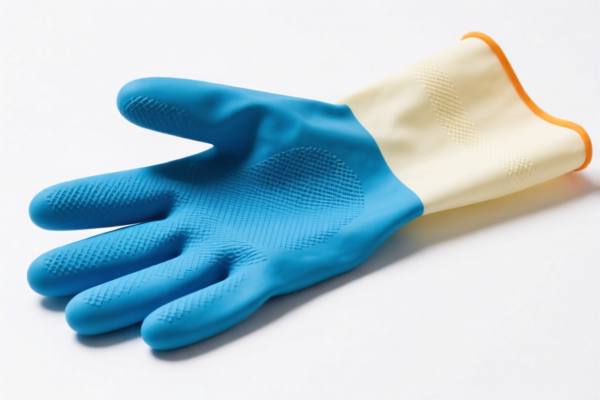
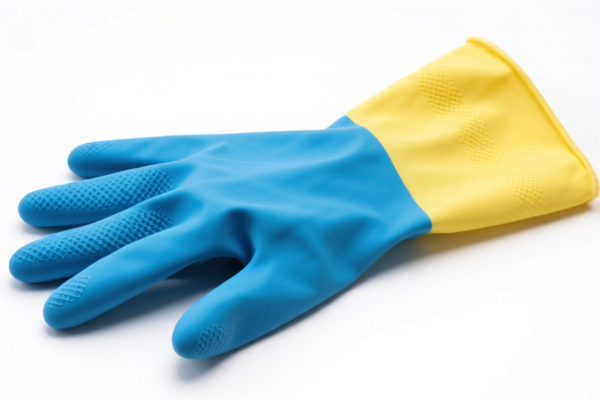
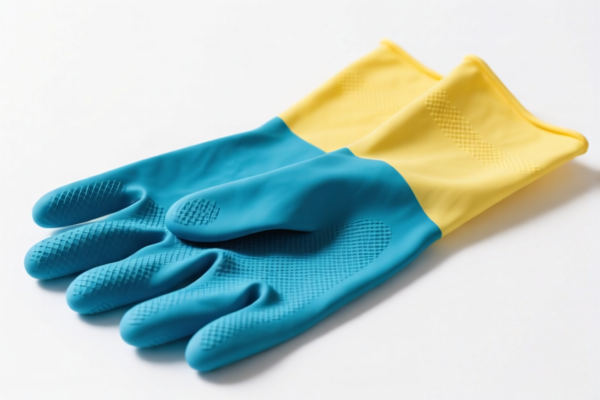
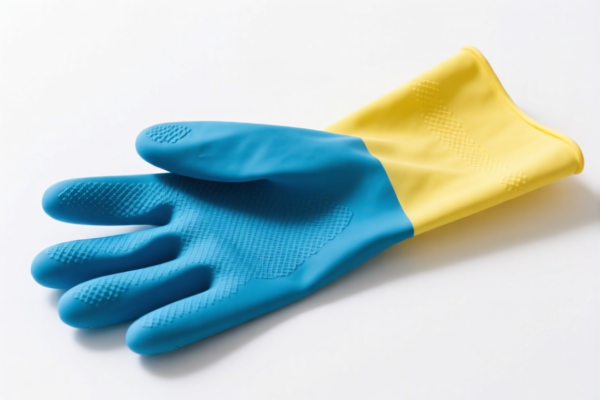
"Gloves without fourchettes" refers to fingerless gloves (often called "half-gloves") where the fingers are open, leaving only the palm and back of the hand covered. In the context of agricultural use, these are typically made of vulcanized rubber or rubber-coated synthetic materials to provide grip, water resistance, and protection against dirt while allowing for tactile sensitivity.
⚠️ Key Classification Logic:
- If the glove is primarily rubber (vulcanized rubber goods, Chapter 40) → Classified under 4015 or 4016.
- If the glove is textile-based with rubber coating → Classified under 6116 (Knitted/Crocheted) or 6216 (Not Knitted).
- If the glove is made of plastics/synthetic materials (Chapter 39) → Classified under 3926.
- Crucial Distinction: The material composition determines the HS Code chapter. "Rubber" usually points to Chapter 40, but "rubber-coated textile" points to Chapter 61/62.
📦 II. HS Code Classification Details (2026 Latest Tariff Authority Comparison)
Based on the provided data, here are the 5 valid HS Codes for rubber agricultural fingerless gloves, along with their tax implications.
| HS Code | Product Description | Material/Nature | Total Tax Rate | Tax Breakdown |
|---|---|---|---|---|
4015.19.11.50 |
Rubber Agricultural Fingerless Gloves | Vulcanized Rubber (Garment & Accessories) | 38.0% | Base: 3.0% + Add-on: 25.0% + Section 122: 10% |
4015.19.51.00 |
Rubber Agricultural Fingerless Gloves | Vulcanized Rubber (Garment & Accessories) | 49.0% | Base: 14.0% + Add-on: 25.0% + Section 122: 10% |
3926.20.40.50 |
Rubber Agricultural Fingerless Gloves | Rubber (Plastic/Synthetic Category) | 16.5% | Base: 6.5% + Add-on: 0.0% + Section 122: 10% |
6116.10.65.00 |
Rubber Agricultural Fingerless Gloves | Rubber-Immersed/Covered Glove (Textile Base) | 24.5% | Base: 7.0% + Add-on: 7.5% + Section 122: 10% |
4015.19.11.10 |
Unlined Rubber Composite Gloves | Rubber Composite Material | 38.0% | Base: 3.0% + Add-on: 25.0% + Section 122: 10% |
🔍 Key Insight:
- Cheapest Option:3926.20.40.50(16.5%) applies if classified as "Plastic/Synthetic" with 0% Section 301 Add-on.
- Most Expensive Option:4015.19.51.00(49.0%) applies due to a higher base duty (14.0%) while still incurring the 25% Add-on.
- Common Agricultural Choice:6116.10.65.00(24.5%) is typical for textile gloves dipped in rubber, common in farming for grip and moisture resistance.
💰 III. 2026 Latest Tariff Rate Details (Including Surcharges & Policy Add-ons)
✅ Applicable Country: United States (US)
✅ Country of Origin: China (CN)
✅ Effective Time: 2025–2026 (Current Status)
🎯 1. 4015.19.11.50 & 4015.19.11.10 —— Vulcanized Rubber Gloves (Garment/Accessory Category)
| Item | Detail |
|---|---|
| Base Tariff | 3.0% (ad valorem) |
| Section 301 Add-on | +25.0% (High Risk) |
| Section 122 Duty | +10.0% (De Minimis Elimination) |
| Total Tax Rate | 38.0% |
| Tax Calculation | CIF Value × 38.0% |
| De Minimis Eligibility | ❌ No (Denied) |
📌 Explanation:
- These codes fall under Chapter 40 (Rubber) as "garments or accessories of rubber."
- Both Base Duty and Section 301 Add-on apply, resulting in a 38% total tariff.
- Section 122 ensures that these items cannot be shipped via low-value parcels (under $800) to avoid duties.
🎯 2. 4015.19.51.00 —— Vulcanized Rubber Gloves (Higher Base Duty Category)
| Item | Detail |
|---|---|
| Base Tariff | 14.0% |
| Section 301 Add-on | +25.0% |
| Section 122 Duty | +10.0% |
| Total Tax Rate | 49.0% |
| Tax Calculation | CIF Value × 49.0% |
| De Minimis Eligibility | ❌ No |
📌 Warning:
- This code has a much higher base duty (14.0%) compared to11.50or11.10.
- Total 49% is among the highest for this product type. Avoid unless necessary.
🎯 3. 3926.20.40.50 —— Rubber Gloves (Plastic/Synthetic Category)
| Item | Detail |
|---|---|
| Base Tariff | 6.5% |
| Section 301 Add-on | 0.0% |
| Section 122 Duty | +10.0% |
| Total Tax Rate | 16.5% |
| Tax Calculation | CIF Value × 16.5% |
| De Minimis Eligibility | ❌ No (Section 122 still applies) |
📌 Strategic Advantage:
- This code avoids the 25% Section 301 Add-on, making it the most cost-effective option.
- Condition: Must be classified as "Plastic Goods" (Chapter 39) rather than "Rubber Goods" (Chapter 40). This requires careful material specification (e.g., synthetic rubber or PVC/PE blend).
🎯 4. 6116.10.65.00 —— Rubber-Immersed Textile Gloves
| Item | Detail |
|---|---|
| Base Tariff | 7.0% |
| Section 301 Add-on | +7.5% (Reduced) |
| Section 122 Duty | +10.0% |
| Total Tax Rate | 24.5% |
| Tax Calculation | CIF Value × 24.5% |
| De Minimis Eligibility | ❌ No |
📌 Explanation:
- This code is for textile gloves (knitted/crocheted) coated with rubber.
- Section 301 Add-on is only 7.5% (not 25%), leading to a moderate total rate of 24.5%.
- Ideal for agricultural gloves with a fabric back and rubber palm.
🛠️ IV. Customs Clearance Practical Advice (Avoiding Pitfalls)
✅ 1. Required Documentation Checklist
| Document | Required? | Purpose |
|---|---|---|
| ✅ Product Specification Sheet | ✔️ | Defines material composition (Rubber vs. Textile vs. Plastic). |
| ✅ Material Composition Proof | ✔️ | Critical for choosing between Chapter 39, 40, or 61. |
| ✅ Product Photos (Front/Back/Inside) | ✔️ | Shows "fingerless" design and rubber coating details. |
| ✅ Commercial Invoice | ✔️ | Must clearly state "Fingerless Rubber Gloves, Agricultural Use." |
| ✅ Packing List | ✔️ | Includes quantity, weight, and HS Code. |
| ✅ Origin Certificate | ❌ (Optional) | If non-China origin, may qualify for lower tariffs. |
✅ 2. Declaration Strategy (Key Tips)
🔥 "Material Dictates Chapter, Coating Dictates Code!"
| Scenario | Recommended HS Code | Tax Rate | Why? |
|---|---|---|---|
| Solid Rubber Gloves (No fabric) | 4015.19.11.50 or 4015.19.51.00 |
38–49% | Chapter 40, high add-on. |
| Synthetic Rubber/Plastic Gloves | 3926.20.40.50 |
16.5% | Best Value: No Section 301 add-on. |
| Fabric + Rubber Dip Gloves | 6116.10.65.00 |
24.5% | Moderate cost; common for farming. |
| Composite Rubber Gloves | 4015.19.11.10 |
38.0% | Same as solid rubber, high tax. |
✅ 3. Special Cases & Handling
| Case | Handling Advice |
|---|---|
| OEM/Private Label | Provide brand authorization and design specs to avoid IP issues. |
| Mixed Materials | If >50% rubber by weight/value, Chapter 40 applies. If fabric dominant, Chapter 61 may apply. |
| Packaging for De Minimis | ❌ Do NOT attempt to ship under $800. Section 122 explicitly removes this exemption for these HS codes. |
| Agricultural Exemption | No general agricultural exemption for rubber gloves in the US. |
🌍 V. Global Market Comparison (2026)
| Country/Region | Recommended HS Code | Tariff Rate | Notes |
|---|---|---|---|
| 🇺🇸 USA | 3926.20.40.50 |
16.5% | Lowest Rate if classified as Plastic. |
| 🇺🇸 USA | 6116.10.65.00 |
24.5% | Good for textile-based rubber gloves. |
| 🇺🇸 USA | 4015.19.11.50 |
38.0% | High tax for pure rubber gloves. |
| 🇨🇳 China | 4015.19.11.50 |
~3–5% | Low import duty; no Section 301. |
| 🇪🇺 EU | 4015.19.11.50 |
~6.5% | Lower tariffs; no Section 301 equivalent. |
| 🇦🇺 Australia | 4015.19.11.50 |
~5% | Free trade agreements may apply. |
📌 Conclusion:
- USA is the most expensive market due to Section 301 and Section 122.
- Plastic Classification (3926) is the only way to significantly reduce US tariffs to 16.5%.
- Textile-Based Rubber Gloves (6116) offer a middle ground at 24.5%.
📌 VI. Common Mistakes & Pitfalls (Lessons Learned)
❌ Mistake 1: Classifying all rubber gloves under Chapter 40 without checking material composition.
👉 Result: 38–49% tax.
👉 Fix: If synthetic/plastic, use 3926.20.40.50 (16.5%).
❌ Mistake 2: Declaring "Fingerless Gloves" as "Safety Gloves" or "Industrial Gloves" incorrectly.
👉 Result: Customs may reclassify, leading to delays or penalties.
👉 Fix: Use precise descriptions: "Agricultural Rubber-Coated Fingerless Gloves."
❌ Mistake 3: Attempting to ship via USPS/UPS under $800 (De Minimis).
👉 Result: Section 122 applies → Duties collected + fines + possible seizure.
👉 Fix: Always declare properly for full-value shipments.
❌ Mistake 4: Confusing "Rubber" (Chapter 40) with "Plastic" (Chapter 39).
👉 Result: Misclassification → Audit risk.
👉 Fix: Provide material test reports to prove if the product is natural rubber, synthetic rubber, or plastic (PVC/PE).
✅ Correct Declaration Example:
"Fingerless Rubber Coated Gloves, Agricultural Use, Material: Synthetic Rubber on Cotton Base, HS Code: 3926.20.40.50, Country of Origin: China"
🎯 VII. Conclusion: Professional Declaration, Cost Optimization!
🎯 Key Takeaways:
🔹 "Plastic Code = 16.5%": If possible, classify as
3926.20.40.50to avoid Section 301.
🔹 "Textile + Rubber = 24.5%": Use6116.10.65.00for fabric-backed rubber gloves.
🔹 "Pure Rubber = 38–49%": Avoid unless necessary; high tax burden.
🔹 "No De Minimis": Section 122 eliminates the $800 exemption.
📌 Pro Tip:
- If your gloves are made of natural rubber, you cannot use the 16.5% rate. You must use Chapter 40 codes (38–49%).
- If you can use synthetic rubber/PVC/PE, fight for
3926.20.40.50.- Consult a customs broker to verify material composition before shipping.
📣 Immediate Action:
📞 Contact a Licensed Customs Broker
📄 Provide Material Composition Data
🚀 Optimize HS Code for Lowest Tariff!
✨ Accurate Classification Saves Money!
💼 Your Profit Margin Depends on Precise Tariff Strategy!
用户评价
关于 HS 编码归类
协调制度(HS)是由世界海关组织(WCO)制定的国际贸易商品分类标准。全球 200 多个国家采用 HS 系统作为海关关税、贸易统计和进出口监管的基础。
每个 HS 编码遵循以下层级结构:
- 章(2 位)——商品大类(例如:第 84 章:机器和机械设备)
- 品目(4 位)——章内的更具体分类
- 子目(6 位)——国际通用细分,所有 WCO 成员国统一使用
- 本国细分(8-10 位)——各国自行扩展的细分编码,如美国 HTSUS 10 位编码
正确的 HS 编码归类对于顺利通关、准确缴纳关税和遵守贸易法规至关重要。错误归类可能导致海关延误、多缴关税或罚款。
从CN进口到US时,适用的关税税率可能包括:
- 最惠国(MFN)税率——适用于 WTO 成员国的标准关税税率
- 普通税率——适用于无贸易协定国家
- 贸易救济关税——附加关税,如 301 条款(反倾销)、232 条款(国家安全)或反补贴税
本页内容仅供参考。如需正式归类,请咨询当地海关或持牌报关代理。