Rubber Gloves Without Fourchettes
CN → US| HS Code | Tariff Rate | Origin | Destination | Doc |
|---|---|---|---|---|
| 4015191150 | 38.0% | CN | US | Official Doc |
| 4015195100 | 49.0% | CN | US | Official Doc |
| 3926204050 | 16.5% | CN | US | Official Doc |
| 6116106500 | 24.5% | CN | US | Official Doc |
| 4015191110 | 38.0% | CN | US | Official Doc |
Product Images
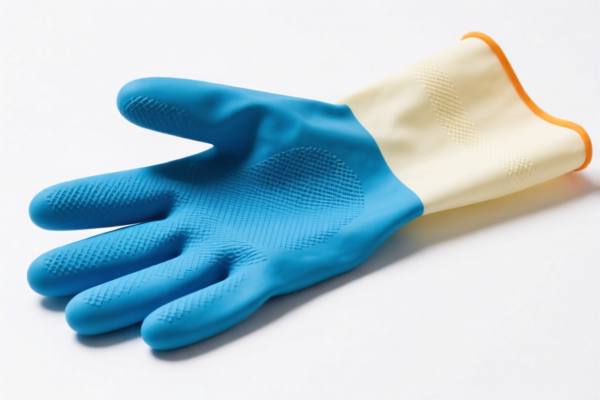

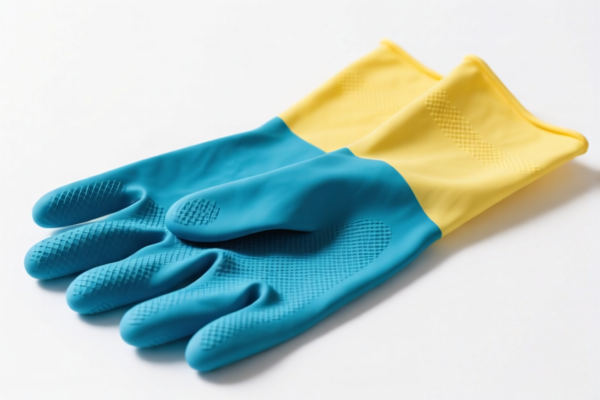

AI Analysis
🧤 Rubber Gloves Without Fourchettes (Rubber Agricultural Fingerless Gloves)
🌐 HS Code Reference & Customs Clearance Guide | 2026 Latest Tariff Analysis | Professional-Level Clearance Strategy
📌 I. Product Definition & Classification: What Exactly Are "Gloves Without Fourchettes"?
"Gloves without fourchettes" refers to fingerless gloves (often called "half-gloves") where the fingers are open, leaving only the palm and back of the hand covered. In the context of agricultural use, these are typically made of vulcanized rubber or rubber-coated synthetic materials to provide grip, water resistance, and protection against dirt while allowing for tactile sensitivity.
⚠️ Key Classification Logic:
- If the glove is primarily rubber (vulcanized rubber goods, Chapter 40) → Classified under 4015 or 4016.
- If the glove is textile-based with rubber coating → Classified under 6116 (Knitted/Crocheted) or 6216 (Not Knitted).
- If the glove is made of plastics/synthetic materials (Chapter 39) → Classified under 3926.
- Crucial Distinction: The material composition determines the HS Code chapter. "Rubber" usually points to Chapter 40, but "rubber-coated textile" points to Chapter 61/62.
📦 II. HS Code Classification Details (2026 Latest Tariff Authority Comparison)
Based on the provided data, here are the 5 valid HS Codes for rubber agricultural fingerless gloves, along with their tax implications.
| HS Code | Product Description | Material/Nature | Total Tax Rate | Tax Breakdown |
|---|---|---|---|---|
4015.19.11.50 |
Rubber Agricultural Fingerless Gloves | Vulcanized Rubber (Garment & Accessories) | 38.0% | Base: 3.0% + Add-on: 25.0% + Section 122: 10% |
4015.19.51.00 |
Rubber Agricultural Fingerless Gloves | Vulcanized Rubber (Garment & Accessories) | 49.0% | Base: 14.0% + Add-on: 25.0% + Section 122: 10% |
3926.20.40.50 |
Rubber Agricultural Fingerless Gloves | Rubber (Plastic/Synthetic Category) | 16.5% | Base: 6.5% + Add-on: 0.0% + Section 122: 10% |
6116.10.65.00 |
Rubber Agricultural Fingerless Gloves | Rubber-Immersed/Covered Glove (Textile Base) | 24.5% | Base: 7.0% + Add-on: 7.5% + Section 122: 10% |
4015.19.11.10 |
Unlined Rubber Composite Gloves | Rubber Composite Material | 38.0% | Base: 3.0% + Add-on: 25.0% + Section 122: 10% |
🔍 Key Insight:
- Cheapest Option:3926.20.40.50(16.5%) applies if classified as "Plastic/Synthetic" with 0% Section 301 Add-on.
- Most Expensive Option:4015.19.51.00(49.0%) applies due to a higher base duty (14.0%) while still incurring the 25% Add-on.
- Common Agricultural Choice:6116.10.65.00(24.5%) is typical for textile gloves dipped in rubber, common in farming for grip and moisture resistance.
💰 III. 2026 Latest Tariff Rate Details (Including Surcharges & Policy Add-ons)
✅ Applicable Country: United States (US)
✅ Country of Origin: China (CN)
✅ Effective Time: 2025–2026 (Current Status)
🎯 1. 4015.19.11.50 & 4015.19.11.10 —— Vulcanized Rubber Gloves (Garment/Accessory Category)
| Item | Detail |
|---|---|
| Base Tariff | 3.0% (ad valorem) |
| Section 301 Add-on | +25.0% (High Risk) |
| Section 122 Duty | +10.0% (De Minimis Elimination) |
| Total Tax Rate | 38.0% |
| Tax Calculation | CIF Value × 38.0% |
| De Minimis Eligibility | ❌ No (Denied) |
📌 Explanation:
- These codes fall under Chapter 40 (Rubber) as "garments or accessories of rubber."
- Both Base Duty and Section 301 Add-on apply, resulting in a 38% total tariff.
- Section 122 ensures that these items cannot be shipped via low-value parcels (under $800) to avoid duties.
🎯 2. 4015.19.51.00 —— Vulcanized Rubber Gloves (Higher Base Duty Category)
| Item | Detail |
|---|---|
| Base Tariff | 14.0% |
| Section 301 Add-on | +25.0% |
| Section 122 Duty | +10.0% |
| Total Tax Rate | 49.0% |
| Tax Calculation | CIF Value × 49.0% |
| De Minimis Eligibility | ❌ No |
📌 Warning:
- This code has a much higher base duty (14.0%) compared to11.50or11.10.
- Total 49% is among the highest for this product type. Avoid unless necessary.
🎯 3. 3926.20.40.50 —— Rubber Gloves (Plastic/Synthetic Category)
| Item | Detail |
|---|---|
| Base Tariff | 6.5% |
| Section 301 Add-on | 0.0% |
| Section 122 Duty | +10.0% |
| Total Tax Rate | 16.5% |
| Tax Calculation | CIF Value × 16.5% |
| De Minimis Eligibility | ❌ No (Section 122 still applies) |
📌 Strategic Advantage:
- This code avoids the 25% Section 301 Add-on, making it the most cost-effective option.
- Condition: Must be classified as "Plastic Goods" (Chapter 39) rather than "Rubber Goods" (Chapter 40). This requires careful material specification (e.g., synthetic rubber or PVC/PE blend).
🎯 4. 6116.10.65.00 —— Rubber-Immersed Textile Gloves
| Item | Detail |
|---|---|
| Base Tariff | 7.0% |
| Section 301 Add-on | +7.5% (Reduced) |
| Section 122 Duty | +10.0% |
| Total Tax Rate | 24.5% |
| Tax Calculation | CIF Value × 24.5% |
| De Minimis Eligibility | ❌ No |
📌 Explanation:
- This code is for textile gloves (knitted/crocheted) coated with rubber.
- Section 301 Add-on is only 7.5% (not 25%), leading to a moderate total rate of 24.5%.
- Ideal for agricultural gloves with a fabric back and rubber palm.
🛠️ IV. Customs Clearance Practical Advice (Avoiding Pitfalls)
✅ 1. Required Documentation Checklist
| Document | Required? | Purpose |
|---|---|---|
| ✅ Product Specification Sheet | ✔️ | Defines material composition (Rubber vs. Textile vs. Plastic). |
| ✅ Material Composition Proof | ✔️ | Critical for choosing between Chapter 39, 40, or 61. |
| ✅ Product Photos (Front/Back/Inside) | ✔️ | Shows "fingerless" design and rubber coating details. |
| ✅ Commercial Invoice | ✔️ | Must clearly state "Fingerless Rubber Gloves, Agricultural Use." |
| ✅ Packing List | ✔️ | Includes quantity, weight, and HS Code. |
| ✅ Origin Certificate | ❌ (Optional) | If non-China origin, may qualify for lower tariffs. |
✅ 2. Declaration Strategy (Key Tips)
🔥 "Material Dictates Chapter, Coating Dictates Code!"
| Scenario | Recommended HS Code | Tax Rate | Why? |
|---|---|---|---|
| Solid Rubber Gloves (No fabric) | 4015.19.11.50 or 4015.19.51.00 |
38–49% | Chapter 40, high add-on. |
| Synthetic Rubber/Plastic Gloves | 3926.20.40.50 |
16.5% | Best Value: No Section 301 add-on. |
| Fabric + Rubber Dip Gloves | 6116.10.65.00 |
24.5% | Moderate cost; common for farming. |
| Composite Rubber Gloves | 4015.19.11.10 |
38.0% | Same as solid rubber, high tax. |
✅ 3. Special Cases & Handling
| Case | Handling Advice |
|---|---|
| OEM/Private Label | Provide brand authorization and design specs to avoid IP issues. |
| Mixed Materials | If >50% rubber by weight/value, Chapter 40 applies. If fabric dominant, Chapter 61 may apply. |
| Packaging for De Minimis | ❌ Do NOT attempt to ship under $800. Section 122 explicitly removes this exemption for these HS codes. |
| Agricultural Exemption | No general agricultural exemption for rubber gloves in the US. |
🌍 V. Global Market Comparison (2026)
| Country/Region | Recommended HS Code | Tariff Rate | Notes |
|---|---|---|---|
| 🇺🇸 USA | 3926.20.40.50 |
16.5% | Lowest Rate if classified as Plastic. |
| 🇺🇸 USA | 6116.10.65.00 |
24.5% | Good for textile-based rubber gloves. |
| 🇺🇸 USA | 4015.19.11.50 |
38.0% | High tax for pure rubber gloves. |
| 🇨🇳 China | 4015.19.11.50 |
~3–5% | Low import duty; no Section 301. |
| 🇪🇺 EU | 4015.19.11.50 |
~6.5% | Lower tariffs; no Section 301 equivalent. |
| 🇦🇺 Australia | 4015.19.11.50 |
~5% | Free trade agreements may apply. |
📌 Conclusion:
- USA is the most expensive market due to Section 301 and Section 122.
- Plastic Classification (3926) is the only way to significantly reduce US tariffs to 16.5%.
- Textile-Based Rubber Gloves (6116) offer a middle ground at 24.5%.
📌 VI. Common Mistakes & Pitfalls (Lessons Learned)
❌ Mistake 1: Classifying all rubber gloves under Chapter 40 without checking material composition.
👉 Result: 38–49% tax.
👉 Fix: If synthetic/plastic, use 3926.20.40.50 (16.5%).
❌ Mistake 2: Declaring "Fingerless Gloves" as "Safety Gloves" or "Industrial Gloves" incorrectly.
👉 Result: Customs may reclassify, leading to delays or penalties.
👉 Fix: Use precise descriptions: "Agricultural Rubber-Coated Fingerless Gloves."
❌ Mistake 3: Attempting to ship via USPS/UPS under $800 (De Minimis).
👉 Result: Section 122 applies → Duties collected + fines + possible seizure.
👉 Fix: Always declare properly for full-value shipments.
❌ Mistake 4: Confusing "Rubber" (Chapter 40) with "Plastic" (Chapter 39).
👉 Result: Misclassification → Audit risk.
👉 Fix: Provide material test reports to prove if the product is natural rubber, synthetic rubber, or plastic (PVC/PE).
✅ Correct Declaration Example:
"Fingerless Rubber Coated Gloves, Agricultural Use, Material: Synthetic Rubber on Cotton Base, HS Code: 3926.20.40.50, Country of Origin: China"
🎯 VII. Conclusion: Professional Declaration, Cost Optimization!
🎯 Key Takeaways:
🔹 "Plastic Code = 16.5%": If possible, classify as
3926.20.40.50to avoid Section 301.
🔹 "Textile + Rubber = 24.5%": Use6116.10.65.00for fabric-backed rubber gloves.
🔹 "Pure Rubber = 38–49%": Avoid unless necessary; high tax burden.
🔹 "No De Minimis": Section 122 eliminates the $800 exemption.
📌 Pro Tip:
- If your gloves are made of natural rubber, you cannot use the 16.5% rate. You must use Chapter 40 codes (38–49%).
- If you can use synthetic rubber/PVC/PE, fight for
3926.20.40.50.- Consult a customs broker to verify material composition before shipping.
📣 Immediate Action:
📞 Contact a Licensed Customs Broker
📄 Provide Material Composition Data
🚀 Optimize HS Code for Lowest Tariff!
✨ Accurate Classification Saves Money!
💼 Your Profit Margin Depends on Precise Tariff Strategy!
Customer Reviews
About HS Code Classification
The Harmonized System (HS) is an internationally standardized nomenclature developed by the World Customs Organization (WCO) to classify traded products. Over 200 countries use the HS system as the basis for customs tariffs, trade statistics, and import/export regulations.
Each HS code follows a hierarchical structure:
- Chapter (2 digits) — Broad category of goods (e.g., Chapter 84: Machinery and Mechanical Appliances)
- Heading (4 digits) — More specific grouping within the chapter
- Subheading (6 digits) — Internationally standardized breakdown, used by all WCO member countries
- National subdivisions (8-10 digits) — Country-specific extensions for further classification, such as US HTSUS 10-digit codes
Correct HS code classification is essential for smooth customs clearance, accurate duty payment, and compliance with trade regulations. Misclassification can lead to customs delays, overpayment of duties, or penalties.
When importing from CN to US, the applicable tariff rates may include:
- Most-Favored-Nation (MFN) rate — The standard duty rate applied to WTO members
- General rate — Applied to countries without trade agreements
- Trade remedy duties — Additional tariffs such as Section 301 (anti-dumping), Section 232 (national security), or countervailing duties
The information provided on this page is for reference purposes only. For official classification, please consult with your local customs authority or a licensed customs broker.