Rubber Gloves for Machine Operation
CN → US| HS编码 | 关税税率 | 原产国 | 目的国 | 文档 |
|---|---|---|---|---|
| 4015191150 | 38.0% | CN | US | 官方文档 |
| 3926204050 | 16.5% | CN | US | 官方文档 |
| 6116106500 | 24.5% | CN | US | 官方文档 |
| 4015195100 | 49.0% | CN | US | 官方文档 |
| 6116109500 | 24.5% | CN | US | 官方文档 |
商品图片
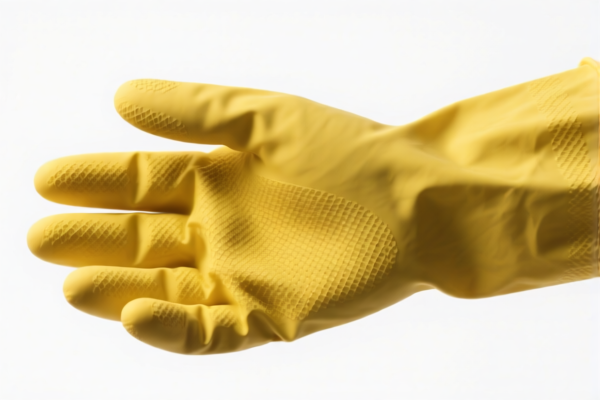



AI分析
🧤 Rubber Gloves for Machine Operation (Agricultural/Industrial Use)
🌐 HS Code Reference & Customs Clearance Guide | 2026 Latest Tariff Analysis | Professional Clearance Strategy
📌 I. Product Definition & Classification: What Are "Rubber Gloves"?
"Rubber Gloves" in international trade are versatile protective equipment used in agriculture, healthcare, and industrial processing. However, the HS Code classification depends heavily on three factors:
1. Material Composition (Sulfurized Rubber vs. Non-Sulfurized/Plastic-like)
2. Manufacturing Process (Knitted/Coated vs. Solid Molded)
3. Specific Use Case (Agricultural vs. General Protective)
⚠️ Key Classification Logic:
- If the gloves are solid rubber/molded (like heavy-duty agricultural gloves) → Typically classified under Chapter 40 (Rubber Articles).
- If the gloves are knitted/crocheted base with rubber coating/impregnation → Typically classified under Chapter 61 or 62 (Textile Articles).
- If the material is interpreted as plastic-like synthetic rubber in some specific contexts → May occasionally be misclassified under Chapter 39 (Plastics), though less common for true rubber.
📦 II. HS Code Classification Details (2026 Latest Tariff Reference)
Based on the provided data, here are the five possible classifications for "Rubber Gloves for Machine Operation/Agricultural Use":
| HS Code | Product Description | Logical Basis | Key Characteristics |
|---|---|---|---|
4015.19.11.50 |
Rubber Agricultural Gloves, Sulfurized | Classified under Chapter 40 (Rubber Articles), specifically sulfurized rubber garments/accessories. | Solid rubber, molded, high durability. |
3926.20.40.50 |
Rubber Agricultural Gloves, Plastic-Logic | Misclassification/Edge Case: Treated as plastic-like goods due to specific synthetic composition or regulatory interpretation. | Low durability, plastic-resin feel, often cheaper alternatives. |
6116.10.65.00 |
Rubber Coated/Knitted Gloves | Classified under Chapter 61 (Knitted/Crocheted Apparel). Logic: Rubber impregnation on a textile base. | Knitted cuff, rubber coating on palm/fingers. |
4015.19.51.00 |
Rubber Agricultural Gloves, Sulfurized (Premium) | Also Chapter 40, but different subheading possibly indicating higher grade or specific mold type. | Solid rubber, premium grade, specific agricultural use. |
6116.10.95.00 |
Rubber Knitted Gloves (General) | Chapter 61, general category for other rubber-impregnated knitted gloves. | Knitted base, rubber coating, general protective use. |
🔍 Critical Reminder:
- Chapter 40 (4015) items are Solid Rubber → Higher tax burden due to stricter "Sulfurized Rubber" classification.
- Chapter 61 (6116) items are Knitted + Rubber Coating → Often considered "Apparel/Accessories" → Moderate tax.
- Chapter 39 (3926) is an Outlier → Likely a specific trade interpretation or material variance. Treat with caution.
💰 III. 2026 Latest Tariff Rate Breakdown (Including Additional Duties)
✅ Applicable Country: United States (US)
✅ Origin: China (CN)
✅ Effective Date: Post-November 2025 (Including 122-Clause Tariffs)
🎯 1. 4015.19.11.50 & 4015.19.51.00 —— Solid Sulfurized Rubber Gloves
| Item | Content |
|---|---|
| Base Tariff | 3.0% (4015.19.11.50) / 14.0% (4015.19.51.00) |
| Section 301 Additional Duty | +25.0% (China-origin goods) |
| Section 122 Tariff | +10.0% (Specific to certain rubber/textile protective gear) |
| Total Tariff | 38.0% (4015.19.11.50) / 49.0% (4015.19.51.00) |
| Tax Calculation | CIF Value × Total Rate |
| De Minimis Eligibility | ❌ NO (Deny de minimis for Section 301/122 items) |
| Legal Path | USITC:4015.19.11.50 → FOOTNOTE:301 → SECTION:122 |
📌 Explanation:
- These are High-Risk Classifications.
- The 25% Section 301 tariff is the primary driver.
- The 10% Section 122 tariff adds significant cost for rubber protective goods.
- Total 38%-49% makes these very expensive for US importers.
🎯 2. 3926.20.40.50 —— Plastic-Logic Rubber Gloves (Chapter 39)
| Item | Content |
|---|---|
| Base Tariff | 6.5% |
| Section 301 Additional Duty | 0.0% (No Section 301 applied to this specific subheading logic) |
| Section 122 Tariff | +10.0% |
| Total Tariff | 16.5% |
| Tax Calculation | CIF Value × 16.5% |
| De Minimis Eligibility | ⚠️ Check Specifically (Section 122 may still block it) |
| Legal Path | USITC:3926.20.40.50 → SECTION:122 |
📌 Note:
- This is the Lowest Tax Scenario among the options.
- Zero Section 301 tariff is the key advantage.
- However, this classification is controversial. Customs may challenge it if the material is clearly "rubber" and not "plastic."
- Use only if the material science supports a "plastic" classification.
🎯 3. 6116.10.65.00 & 6116.10.95.00 —— Knitted/Rubber-Coated Gloves (Chapter 61)
| Item | Content |
|---|---|
| Base Tariff | 7.0% |
| Section 301 Additional Duty | +7.5% (Partial Section 301 application for certain textile/rubber mixes) |
| Section 122 Tariff | +10.0% |
| Total Tariff | 24.5% |
| Tax Calculation | CIF Value × 24.5% |
| De Minimis Eligibility | ❌ NO (Section 122 blocks de minimis) |
| Legal Path | USITC:6116.10.65.00 → FOOTNOTE:301 → SECTION:122 |
📌 Explanation:
- Moderate Tax Burden.
- The 7.5% Section 301 tariff is lower than the 25% for solid rubber.
- This classification is safer if the gloves have a knitted cuff and fabric backing.
- Ideal for gloves that are not fully molded solid rubber.
🛠️ IV. Customs Clearance Practical Advice (Avoid Pitfalls)
✅ 1. Required Documentation Checklist
| Document | Mandatory | Notes |
|---|---|---|
| ✅ Product Specification Sheet | ✔️ | Must specify: Material (Natural/Synthetic Rubber vs. Plastic), Base (Knitted vs. Solid), Thickness. |
| ✅ Material Certificate | ✔️ | Prove if it's "Sulfurized Rubber" (Ch 40) or "Plastic/Synthetic" (Ch 39). |
| ✅ Photos of Gloves | ✔️ | Show the cross-section: Is there a fabric layer? Is it solid rubber? |
| ✅ Commercial Invoice | ✔️ | Clearly state "Agricultural Gloves" or "Protective Gloves," avoid vague terms like "Rubber Items." |
| ✅ Packing List | ✔️ | Indicate weight per pair, material composition %. |
| ✅ Section 301 Exclusion Request | ⚠️ | If applicable, check if your specific product was excluded from Section 301 in previous years (unlikely now). |
✅ 2. Classification Strategy (Key Rules)
🔥 “Solid Rubber = High Tax, Knitted Base = Moderate Tax, Plastic Logic = Lowest Tax (But Risky)”
| Scenario | Recommended HS Code | Tariff Risk |
|---|---|---|
| Solid Molded Rubber Gloves (No fabric lining) | 4015.19.11.50 or 4015.19.51.00 |
HIGH (38%-49%) |
| Knitted Cuff + Rubber Coated Palm | 6116.10.65.00 or 6116.10.95.00 |
MEDIUM (24.5%) |
| Plastic-like Synthetic Rubber (Soft, non-sulfurized) | 3926.20.40.50 |
LOW (16.5%) ⚠️ Risk of Audit |
📌 Critical Tip:
- If your gloves have a knitted or woven fabric base with rubber coating, always choose Chapter 61 (6116). It is the most defensible and cost-effective for most agricultural gloves.
- If they are 100% solid rubber (like deep-cup agricultural gloves), you must use Chapter 40 (4015) and accept the higher tax.
- Do not try to force Chapter 39 (3926) unless you have strong lab evidence that the material is not "rubber" under legal definition.
✅ 3. Special Situations
| Situation | Handling Advice |
|---|---|
| OEM Custom Gloves | Provide design specs showing the exact layer structure (e.g., "100% Cotton Knit + Natural Rubber Coating"). |
| Mixed Packaging (Gloves + Tools) | Declare gloves separately. Do not bundle with machinery tools to avoid misclassification. |
| Anti-Dumping/Countervailing Duties | Check if specific rubber manufacturers are subject to CVD/AD. Most agricultural gloves are not, but verify. |
| De Minimis (Section 321) | NOT AVAILABLE. Section 122 and Section 301 taxes block the $800 de minimis exemption. All duties must be paid at entry. |
🌍 V. Global Market Comparison (2026)
| Country/Region | Recommended HS Code | Estimated Tariff (China Origin) | Key Certification | Notes |
|---|---|---|---|---|
| 🇺🇸 USA | 6116.10.65.00 |
24.5% | ASTM D6319 (Safety) | Highest protection for knitted gloves. |
| 🇺🇸 USA | 4015.19.11.50 |
38.0% | ASTM D6319 | Only for solid rubber. |
| 🇨🇳 China | 4015.19.11.50 |
3.0% | CCC (if applicable) | Low export tax. |
| 🇪🇺 EU | 4015.19.11.50 |
2.4% | CE Mark (PPE Regulation) | No Section 301/122 equivalents. |
| 🇬🇧 UK | 4015.19.11.50 |
2.4% | UKCA Mark | Post-Brexit rules apply. |
| 🇯🇵 Japan | 4015.19.11.50 |
3.7% | JIS Standard | Low tariff environment. |
📌 Conclusion:
- USA is the highest-cost market due to Section 301 and Section 122 tariffs.
- Knitted Gloves (6116) are the most cost-efficient for US import compared to Solid Rubber (4015).
- China, EU, UK, Japan have significantly lower tariffs, making them preferred markets for high-margin rubber goods.
📌 VI. Common Mistakes & Pitfalls (Lessons Learned)
❌ Mistake 1: Classifying Knitted Rubber Gloves as Solid Rubber (4015)
👉 Consequence: Unnecessary 13.5%+ higher tax (38% vs 24.5%).
✅ Fix: Provide photos showing the knitted cuff and fabric lining.
❌ Mistake 2: Assuming De Minimis ($800 exemption) applies
👉 Consequence: Customs Seizure or Delay. Section 122/301 items do not qualify.
✅ Fix: Plan for full duty payment at entry. Do not use de minimis channels.
❌ Mistake 3: Using vague descriptions like "Rubber Gloves"
👉 Consequence: Customs Examination. No clarity on material composition.
✅ Fix: Use precise descriptions: "Knitted Cotton Gloves with Natural Rubber Coating, Agricultural Use."
❌ Mistake 4: Trying to classify Solid Rubber as Plastic (3926)
👉 Consequence: Audit Risk, Penalties, Back-tariffs. Customs will test material.
✅ Fix: Only use 3926 if you have a technical justification that the material is non-rubber.
🎯 VII. Conclusion: Smart Classification, Save Money!
🎯 Remember the Mantra:
🔹 “Knitted Base = 24.5%, Solid Rubber = 38-49%, Plastic Logic = 16.5% (Risky).”
🔹 “No De Minimis for Section 122! Pay duties upfront.”
📌 Pro Tip:
If you are importing large volumes, consider pre-classification ruling (Pre-Ruling) from US Customs to confirm if your specific glove design qualifies for the lower 24.5% (6116) rate instead of the 38%+ (4015) rate. This can save hundreds of thousands in duties annually.
📣 Immediate Action:
📞 Contact your Customs Broker with detailed product photos and material specs.
🚀 Optimize your HS Code to save up to 24.5% in tariffs.
💼 Don’t let classification errors eat your margins!
✨ Professional Clearance, Start with Accurate Classification!
💼 Every Dollar Saved in Tariffs is Pure Profit!
用户评价
关于 HS 编码归类
协调制度(HS)是由世界海关组织(WCO)制定的国际贸易商品分类标准。全球 200 多个国家采用 HS 系统作为海关关税、贸易统计和进出口监管的基础。
每个 HS 编码遵循以下层级结构:
- 章(2 位)——商品大类(例如:第 84 章:机器和机械设备)
- 品目(4 位)——章内的更具体分类
- 子目(6 位)——国际通用细分,所有 WCO 成员国统一使用
- 本国细分(8-10 位)——各国自行扩展的细分编码,如美国 HTSUS 10 位编码
正确的 HS 编码归类对于顺利通关、准确缴纳关税和遵守贸易法规至关重要。错误归类可能导致海关延误、多缴关税或罚款。
从CN进口到US时,适用的关税税率可能包括:
- 最惠国(MFN)税率——适用于 WTO 成员国的标准关税税率
- 普通税率——适用于无贸易协定国家
- 贸易救济关税——附加关税,如 301 条款(反倾销)、232 条款(国家安全)或反补贴税
本页内容仅供参考。如需正式归类,请咨询当地海关或持牌报关代理。