Rubber Impregnated/Coated Cotton/Man Made Fiber Work Gloves
CN → US| HS编码 | 关税税率 | 原产国 | 目的国 | 文档 |
|---|---|---|---|---|
| 4015191150 | 38.0% | CN | US | 官方文档 |
| 6216002410 | 30.7% | CN | US | 官方文档 |
| 6216002425 | 30.7% | CN | US | 官方文档 |
| 6116105510 | 30.7% | CN | US | 官方文档 |
| 4015195100 | 49.0% | CN | US | 官方文档 |
商品图片
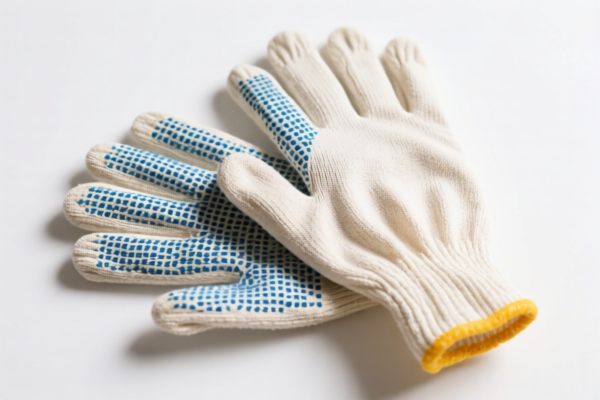
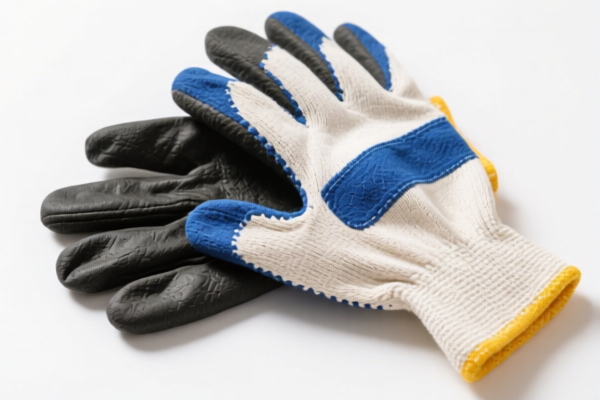
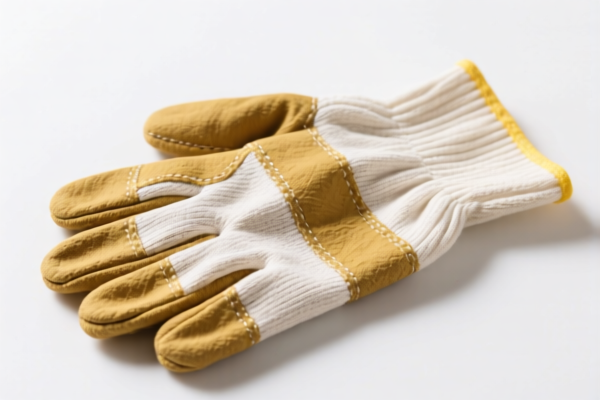
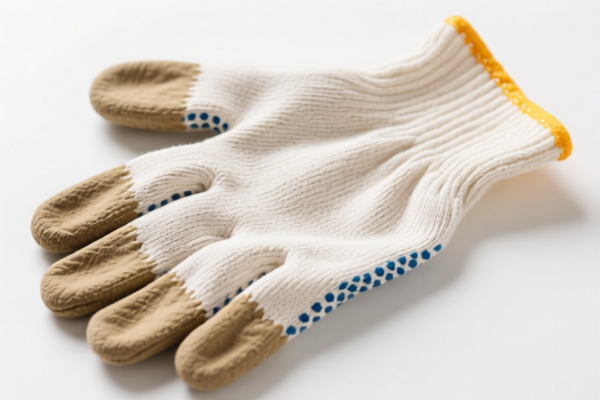
AI分析
🧤 Rubber Impregnated/Coated Cotton/Man Made Fiber Work Gloves
🌐 HS Code Reference & Customs Clearance Guide | 2026 Latest Tariff Analysis | Professional通关 Strategy
📌 I. Product Definition & Classification: Do You Really Know "Work Gloves"?
Work gloves are essential personal protective equipment (PPE) and industrial tools. In international trade, classification hinges on two critical factors: 1. Material Composition: Are they made of rubber/elastic materials or textile materials (cotton/man-made fibers)? 2. Processing Method: Are they merely "coated/impregnated" or completely "made of rubber"?
⚠️ Key Distinction Point:
- If the base material is textile (cotton/man-made fiber) and only the surface is coated/impregnated with rubber or plastic, it belongs to Chapter 61 (Knitted/Crocheted) or Chapter 62 (Non-Knitted) under specific codes.
- If the product is entirely made of vulcanized rubber (with no textile base or negligible textile content treated as an accessory), it falls under Chapter 40.
- Misclassification Risk: Declaring a textile-based coated glove as a pure rubber glove can lead to 18% higher tariffs or customs rejection.
📦 II. HS Code Classification Details (2026 Latest Tariff Authoritative Comparison)
Based on the provided data, here is the precise breakdown for Rubber Impregnated/Coated Cotton/Man Made Fiber Work Gloves:
| HS Code | Product Description | Material/Structure Key Requirement | Tax Efficiency |
|---|---|---|---|
4015.19.11.50 |
Rubber-coated gloves, classified under vulcanized rubber gloves, unspecified as seamless or disposable, categorized under "Other". | Vulcanized Rubber Base: Treated as rubber articles rather than textiles. | ⚠️ High Tax (38.0%) |
6216.00.24.10 |
Gloves made of cotton or man-made fibers ≥50%, impregnated/coated with rubber. Fully complies with classification limits. | Textile Base ≥50% + Rubber Coating. | ✅ Optimal (30.7%) |
6216.00.24.25 |
Gloves containing cotton or man-made fibers, impregnated/coated with plastic or rubber. Complies with material and fiber content key limits. | Textile Base + Plastic/Rubber Coating. | ✅ Optimal (30.7%) |
6116.10.55.10 |
Gloves coated with rubber, made of cotton/man-made fibers. Complies with >50% textile fiber and impregnation/coating requirements. | Knitted/Crocheted Base (>50% textile) + Rubber Coating. | ✅ Optimal (30.7%) |
4015.19.51.00 |
Vulcanized rubber coated gloves, classified under rubber clothing accessories, no material conflict. | Vulcanized Rubber Base: No textile conflict. | 🔴 Highest Tax (49.0%) |
🔍 Critical Reminder:
- If your glove is 70% Cotton + 30% Rubber Coating, it MUST go under 6116 or 6216 (Textile Chapter), NOT 4015.
- If your glove is 90% Rubber with a tiny cotton lining for comfort, it MAY be classified under 4015, but beware of the higher tariff.
- Do not misdeclare a 100% rubber glove as a "cotton glove" to save tax – customs will inspect the material composition.
💰 III. 2026 Latest Tariff Rate Breakdown (Including Surcharges & Policy Add-ons)
✅ Applicable Country: United States (US)
✅ Origin: China (CN)
✅ Effective Time: Current (2025-2026)
🎯 1. 6216.00.24.10 / 6216.00.24.25 / 6116.10.55.10 —— Textile-Based Coated Gloves (Recommended)
| Item | Content |
|---|---|
| Base Tariff | 13.2% (Ad Valorem) |
| Section 301 Surcharge | +7.5% (USITC Footnote for Chapter 61/62 items) |
| Section 122 Tariff | +10% (Specific levy on certain Chinese imports) |
| Total Tariff | 30.7% |
| Tax Calculation | CIF Value × 30.7% |
| De Minimis Eligibility | ❌ No (Not eligible for $800 exemption for this category) |
| Legal Basis Path | USITC:6216.00.24.10 / 6116.10.55.10 → SECTION301:7.5% → SECTION122:10% |
📌 Explanation:
- 13.2% Base: Standard MFN tariff for textile gloves.
- 7.5% Section 301: Standard surcharge for many textile/apparel items from China.
- 10% Section 122: Additional levy under Executive Order 13936 for certain goods.
- Total 30.7%: This is the most competitive rate for gloves that are primarily textile.
🎯 2. 4015.19.11.50 —— Rubber-Based Coated Gloves (Alternative)
| Item | Content |
|---|---|
| Base Tariff | 3.0% (Ad Valorem) |
| Section 301 Surcharge | +25.0% (High surcharge for rubber goods under 301) |
| Section 122 Tariff | +10% |
| Total Tariff | 38.0% |
| Tax Calculation | CIF Value × 38.0% |
| De Minimis Eligibility | ❌ No |
| Legal Basis Path | USITC:4015.19.11.50 → SECTION301:25% → SECTION122:10% |
📌 Warning:
- Even though the base tariff is low (3%), the Section 301 surcharge is 25% (vs. 7.5% for textiles).
- Total 38.0% is 7.3% higher than the textile-based classification.
- Only choose this if the product is undeniably >50% rubber by weight/volume and cannot meet textile criteria.
🎯 3. 4015.19.51.00 —— Rubber Clothing Accessories (Highest Risk)
| Item | Content |
|---|---|
| Base Tariff | 14.0% |
| Section 301 Surcharge | +25.0% |
| Section 122 Tariff | +10% |
| Total Tariff | 49.0% |
| Tax Calculation | CIF Value × 49.0% |
| De Minimis Eligibility | ❌ No |
| Legal Basis Path | USITC:4015.19.51.00 → SECTION301:25% → SECTION122:10% |
📌 Critical Note:
- This is the most expensive option.
- Misclassifying standard work gloves here will result in significant overpayment.
- Use only if the glove is specifically classified as a "clothing accessory" and meets the strict rubber material definition.
🛠️ IV. Customs Clearance Practical Advice (Battle-Tested Pitfall Avoidance)
✅ 1. Preparation Checklist (Non-Negotiable)
| Document | Required? | Notes |
|---|---|---|
| ✅ Material Composition Certificate | ✔️ | Must specify % of Cotton/Man-made Fiber vs. Rubber. Crucial for 6116/6216 vs. 4015. |
| ✅ Product Photos (Internal/External) | ✔️ | Show the base fabric and the coating layer clearly. |
| ✅ Structure Diagram | ✔️ | Illustrate if the glove is knitted (6116) or woven (6216). |
| ✅ Commercial Invoice | ✔️ | Description must state: "Work Gloves, Cotton Base, Rubber Coated". |
| ✅ Packing List | ✔️ | Weight breakdown (fabric vs. rubber) if available. |
| ✅ Lab Test Report | ✔️ | Preferably from SGS/Intertek, confirming fiber content ≥50%. |
✅ 2. Declaration Tips (Key Mantras)
🔥 "Fiber Content Dictates Chapter, Coating Does Not Change Base, Accurate % Saves $!"
| Scenario | Correct Declaration | Incorrect Action |
|---|---|---|
| Glove is 70% Cotton, 30% Rubber Coating | HS Code: 6216.00.24.10 or 6116.10.55.10 (Tax: 30.7%) |
Declaring as 4015.19.11.50 → Tax jumps to 38.0% |
| Glove is 90% Rubber, 10% Cotton Lining | HS Code: 4015.19.11.50 (Tax: 38.0%) |
Declaring as 6216 → Customs will reject for material mismatch |
| Mixed Bag (Some Cotton, Some Rubber) | Separate shipments! | Mixed declaration → High risk of audit & penalties |
| Disposable Vinyl Gloves | Different HS Code entirely | Do not declare as "Cotton/Man-made Fiber" gloves |
✅ 3. Special Situations
| Situation | Handling Advice |
|---|---|
| OEM Custom Gloves | Provide client’s spec sheet. If client specifies "Cotton Base", use 6116/6216. |
| Reinforced Palm (Rubber) + Back (Textile) | If textile back is main body, still likely 6116/6216. Check weight ratio. |
| Antimicrobial Coating + Rubber | Still classified by base material. Antimicrobial agents don’t change HS Code. |
| Packaged as a Set (Gloves + Box) | Declare gloves separately. Box is packaging, usually negligible or coded separately. |
🌍 V. Global Market Customs Comparison (2026 Latest)
| Country/Region | Recommended HS Code | Tariff Rate | Certification | Notes |
|---|---|---|---|---|
| 🇺🇸 USA | 6116.10.55.10 / 6216.00.24.10 |
30.7% (China) | CPSIA (if for kids), OEKO-TEX | High scrutiny on fiber content. |
| 🇨🇳 China | 6116.10.55.10 / 6216.00.24.10 |
~10-13% | GB Standards | Lower duties, easier clearance. |
| 🇪🇺 EU | 6116.10 / 6216.00 |
~0-10% (if GSP/EBA) | CE Mark (PPE Regulation) | No Section 301/122 equivalents. |
| 🇬🇧 UK | 6116.10 / 6216.00 |
~0-10% | UKCA Mark | Post-Brexit rules, similar to EU. |
| 🇦🇺 Australia | 6116.10 / 6216.00 |
~5% | ACCC Compliance | No major surcharges. |
📌 Conclusion:
- USA is the most complex market due to Section 301 & 122 tariffs.
- Textile-based classification (6116/6216) is significantly cheaper than rubber-based (4015) for cotton/man-made fiber gloves.
- Ensure material composition certificates are accurate and up-to-date.
📌 VI. Common Errors & Pitfall Guide (Lessons Learned)
❌ Error 1: Declaring a cotton-based glove as a rubber glove (4015) to avoid higher base tariffs.
👉 Result: Customs lab test reveals >50% fiber → Reclassification → 7.3% extra tax + penalties.
❌ Error 2: Not specifying Knitted (6116) vs. Woven (6216) base.
👉 Result: Ambiguity leads to customs query, shipment delay, potential demurrage fees.
❌ Error 3: Failing to mention Section 122 Tariff in cost calculation.
👉 Result: Unexpected 10% cost increase on invoices, reducing profit margins.
❌ Error 4: Using "Latex Gloves" generic term for Cotton + Rubber Coated gloves.
👉 Result: Customs may classify under 4015.10 (Latex) instead of textile codes, leading to wrong tariff rates.
✅ Correct Practice:
"Work Gloves, Knitted Cotton (80%) Base, Nitrile Rubber Coated Palms, Size M, CE PPE Certified, Model XYZ"
🎯 VII. Conclusion: Professional Declaration, Cost Savings, Efficiency!
🎯 Remember the Mantra:
🔹 "Fiber Base Determines Chapter, Coating is Secondary, 6116/6216 Save Tax, 4015 Costs More!"
🔹 "HS Code Defines Liability, Tariff Differs by 7.3%, Declaration Accuracy Saves $!"
📌 Pro Tip:
If your gloves are originally manufactured in Vietnam, Thailand, or India, they may be exempt from Section 301/122 tariffs, reducing the total rate to just the Base Tariff (3-13.2%).
Recommendation: Apply for Advance Ruling from US Customs (CBP) if your product is borderline between textile and rubber.
📣 Immediate Action:
📞 Consult a licensed customs broker + Provide Material Composition Certificate + Apply for Pre-classification
🚀 Ensure your work gloves clear customs smoothly, efficiently, and profitably!
✨ Professional Customs Clearance Starts with Precise Classification!
💼 Every cent of your cost deserves accurate calculation!
用户评价
关于 HS 编码归类
协调制度(HS)是由世界海关组织(WCO)制定的国际贸易商品分类标准。全球 200 多个国家采用 HS 系统作为海关关税、贸易统计和进出口监管的基础。
每个 HS 编码遵循以下层级结构:
- 章(2 位)——商品大类(例如:第 84 章:机器和机械设备)
- 品目(4 位)——章内的更具体分类
- 子目(6 位)——国际通用细分,所有 WCO 成员国统一使用
- 本国细分(8-10 位)——各国自行扩展的细分编码,如美国 HTSUS 10 位编码
正确的 HS 编码归类对于顺利通关、准确缴纳关税和遵守贸易法规至关重要。错误归类可能导致海关延误、多缴关税或罚款。
从CN进口到US时,适用的关税税率可能包括:
- 最惠国(MFN)税率——适用于 WTO 成员国的标准关税税率
- 普通税率——适用于无贸易协定国家
- 贸易救济关税——附加关税,如 301 条款(反倾销)、232 条款(国家安全)或反补贴税
本页内容仅供参考。如需正式归类,请咨询当地海关或持牌报关代理。