Rubber Impregnated/Coated Cotton/Man Made Fiber Work Gloves
CN → US| HS Code | Tariff Rate | Origin | Destination | Doc |
|---|---|---|---|---|
| 4015191150 | 38.0% | CN | US | Official Doc |
| 6216002410 | 30.7% | CN | US | Official Doc |
| 6216002425 | 30.7% | CN | US | Official Doc |
| 6116105510 | 30.7% | CN | US | Official Doc |
| 4015195100 | 49.0% | CN | US | Official Doc |
Product Images
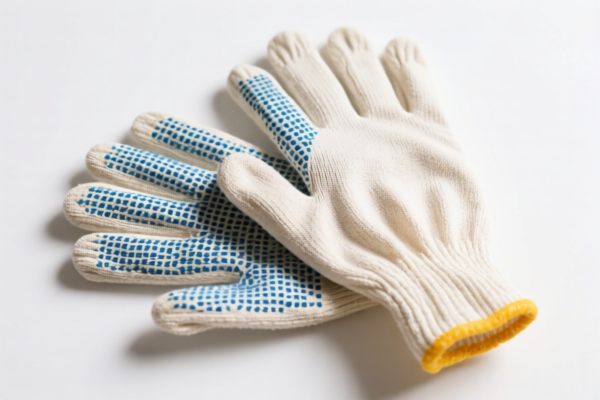
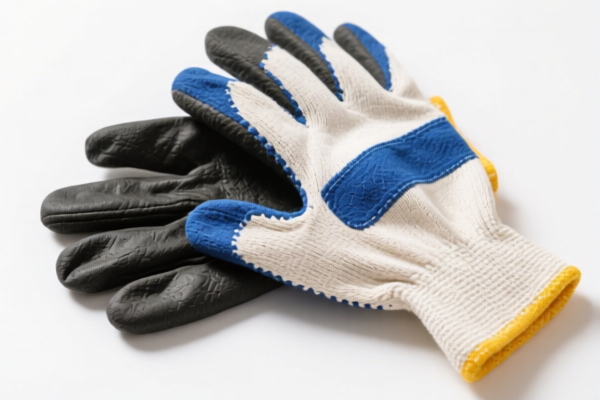
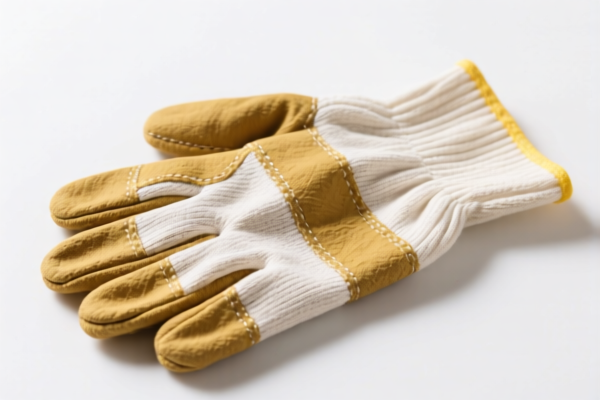
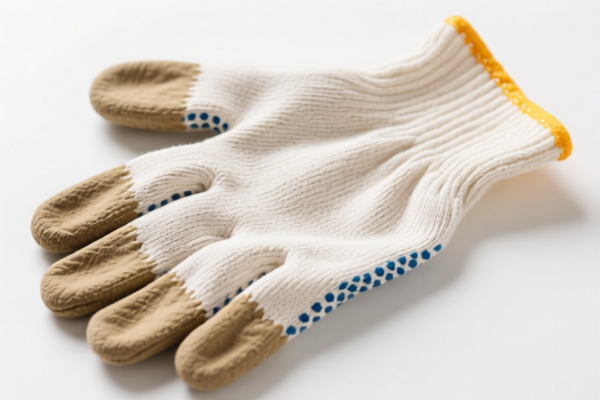
AI Analysis
🧤 Rubber Impregnated/Coated Cotton/Man Made Fiber Work Gloves
🌐 HS Code Reference & Customs Clearance Guide | 2026 Latest Tariff Analysis | Professional通关 Strategy
📌 I. Product Definition & Classification: Do You Really Know "Work Gloves"?
Work gloves are essential personal protective equipment (PPE) and industrial tools. In international trade, classification hinges on two critical factors: 1. Material Composition: Are they made of rubber/elastic materials or textile materials (cotton/man-made fibers)? 2. Processing Method: Are they merely "coated/impregnated" or completely "made of rubber"?
⚠️ Key Distinction Point:
- If the base material is textile (cotton/man-made fiber) and only the surface is coated/impregnated with rubber or plastic, it belongs to Chapter 61 (Knitted/Crocheted) or Chapter 62 (Non-Knitted) under specific codes.
- If the product is entirely made of vulcanized rubber (with no textile base or negligible textile content treated as an accessory), it falls under Chapter 40.
- Misclassification Risk: Declaring a textile-based coated glove as a pure rubber glove can lead to 18% higher tariffs or customs rejection.
📦 II. HS Code Classification Details (2026 Latest Tariff Authoritative Comparison)
Based on the provided data, here is the precise breakdown for Rubber Impregnated/Coated Cotton/Man Made Fiber Work Gloves:
| HS Code | Product Description | Material/Structure Key Requirement | Tax Efficiency |
|---|---|---|---|
4015.19.11.50 |
Rubber-coated gloves, classified under vulcanized rubber gloves, unspecified as seamless or disposable, categorized under "Other". | Vulcanized Rubber Base: Treated as rubber articles rather than textiles. | ⚠️ High Tax (38.0%) |
6216.00.24.10 |
Gloves made of cotton or man-made fibers ≥50%, impregnated/coated with rubber. Fully complies with classification limits. | Textile Base ≥50% + Rubber Coating. | ✅ Optimal (30.7%) |
6216.00.24.25 |
Gloves containing cotton or man-made fibers, impregnated/coated with plastic or rubber. Complies with material and fiber content key limits. | Textile Base + Plastic/Rubber Coating. | ✅ Optimal (30.7%) |
6116.10.55.10 |
Gloves coated with rubber, made of cotton/man-made fibers. Complies with >50% textile fiber and impregnation/coating requirements. | Knitted/Crocheted Base (>50% textile) + Rubber Coating. | ✅ Optimal (30.7%) |
4015.19.51.00 |
Vulcanized rubber coated gloves, classified under rubber clothing accessories, no material conflict. | Vulcanized Rubber Base: No textile conflict. | 🔴 Highest Tax (49.0%) |
🔍 Critical Reminder:
- If your glove is 70% Cotton + 30% Rubber Coating, it MUST go under 6116 or 6216 (Textile Chapter), NOT 4015.
- If your glove is 90% Rubber with a tiny cotton lining for comfort, it MAY be classified under 4015, but beware of the higher tariff.
- Do not misdeclare a 100% rubber glove as a "cotton glove" to save tax – customs will inspect the material composition.
💰 III. 2026 Latest Tariff Rate Breakdown (Including Surcharges & Policy Add-ons)
✅ Applicable Country: United States (US)
✅ Origin: China (CN)
✅ Effective Time: Current (2025-2026)
🎯 1. 6216.00.24.10 / 6216.00.24.25 / 6116.10.55.10 —— Textile-Based Coated Gloves (Recommended)
| Item | Content |
|---|---|
| Base Tariff | 13.2% (Ad Valorem) |
| Section 301 Surcharge | +7.5% (USITC Footnote for Chapter 61/62 items) |
| Section 122 Tariff | +10% (Specific levy on certain Chinese imports) |
| Total Tariff | 30.7% |
| Tax Calculation | CIF Value × 30.7% |
| De Minimis Eligibility | ❌ No (Not eligible for $800 exemption for this category) |
| Legal Basis Path | USITC:6216.00.24.10 / 6116.10.55.10 → SECTION301:7.5% → SECTION122:10% |
📌 Explanation:
- 13.2% Base: Standard MFN tariff for textile gloves.
- 7.5% Section 301: Standard surcharge for many textile/apparel items from China.
- 10% Section 122: Additional levy under Executive Order 13936 for certain goods.
- Total 30.7%: This is the most competitive rate for gloves that are primarily textile.
🎯 2. 4015.19.11.50 —— Rubber-Based Coated Gloves (Alternative)
| Item | Content |
|---|---|
| Base Tariff | 3.0% (Ad Valorem) |
| Section 301 Surcharge | +25.0% (High surcharge for rubber goods under 301) |
| Section 122 Tariff | +10% |
| Total Tariff | 38.0% |
| Tax Calculation | CIF Value × 38.0% |
| De Minimis Eligibility | ❌ No |
| Legal Basis Path | USITC:4015.19.11.50 → SECTION301:25% → SECTION122:10% |
📌 Warning:
- Even though the base tariff is low (3%), the Section 301 surcharge is 25% (vs. 7.5% for textiles).
- Total 38.0% is 7.3% higher than the textile-based classification.
- Only choose this if the product is undeniably >50% rubber by weight/volume and cannot meet textile criteria.
🎯 3. 4015.19.51.00 —— Rubber Clothing Accessories (Highest Risk)
| Item | Content |
|---|---|
| Base Tariff | 14.0% |
| Section 301 Surcharge | +25.0% |
| Section 122 Tariff | +10% |
| Total Tariff | 49.0% |
| Tax Calculation | CIF Value × 49.0% |
| De Minimis Eligibility | ❌ No |
| Legal Basis Path | USITC:4015.19.51.00 → SECTION301:25% → SECTION122:10% |
📌 Critical Note:
- This is the most expensive option.
- Misclassifying standard work gloves here will result in significant overpayment.
- Use only if the glove is specifically classified as a "clothing accessory" and meets the strict rubber material definition.
🛠️ IV. Customs Clearance Practical Advice (Battle-Tested Pitfall Avoidance)
✅ 1. Preparation Checklist (Non-Negotiable)
| Document | Required? | Notes |
|---|---|---|
| ✅ Material Composition Certificate | ✔️ | Must specify % of Cotton/Man-made Fiber vs. Rubber. Crucial for 6116/6216 vs. 4015. |
| ✅ Product Photos (Internal/External) | ✔️ | Show the base fabric and the coating layer clearly. |
| ✅ Structure Diagram | ✔️ | Illustrate if the glove is knitted (6116) or woven (6216). |
| ✅ Commercial Invoice | ✔️ | Description must state: "Work Gloves, Cotton Base, Rubber Coated". |
| ✅ Packing List | ✔️ | Weight breakdown (fabric vs. rubber) if available. |
| ✅ Lab Test Report | ✔️ | Preferably from SGS/Intertek, confirming fiber content ≥50%. |
✅ 2. Declaration Tips (Key Mantras)
🔥 "Fiber Content Dictates Chapter, Coating Does Not Change Base, Accurate % Saves $$!"
| Scenario | Correct Declaration | Incorrect Action |
|---|---|---|
| Glove is 70% Cotton, 30% Rubber Coating | HS Code: 6216.00.24.10 or 6116.10.55.10 (Tax: 30.7%) |
Declaring as 4015.19.11.50 → Tax jumps to 38.0% |
| Glove is 90% Rubber, 10% Cotton Lining | HS Code: 4015.19.11.50 (Tax: 38.0%) |
Declaring as 6216 → Customs will reject for material mismatch |
| Mixed Bag (Some Cotton, Some Rubber) | Separate shipments! | Mixed declaration → High risk of audit & penalties |
| Disposable Vinyl Gloves | Different HS Code entirely | Do not declare as "Cotton/Man-made Fiber" gloves |
✅ 3. Special Situations
| Situation | Handling Advice |
|---|---|
| OEM Custom Gloves | Provide client’s spec sheet. If client specifies "Cotton Base", use 6116/6216. |
| Reinforced Palm (Rubber) + Back (Textile) | If textile back is main body, still likely 6116/6216. Check weight ratio. |
| Antimicrobial Coating + Rubber | Still classified by base material. Antimicrobial agents don’t change HS Code. |
| Packaged as a Set (Gloves + Box) | Declare gloves separately. Box is packaging, usually negligible or coded separately. |
🌍 V. Global Market Customs Comparison (2026 Latest)
| Country/Region | Recommended HS Code | Tariff Rate | Certification | Notes |
|---|---|---|---|---|
| 🇺🇸 USA | 6116.10.55.10 / 6216.00.24.10 |
30.7% (China) | CPSIA (if for kids), OEKO-TEX | High scrutiny on fiber content. |
| 🇨🇳 China | 6116.10.55.10 / 6216.00.24.10 |
~10-13% | GB Standards | Lower duties, easier clearance. |
| 🇪🇺 EU | 6116.10 / 6216.00 |
~0-10% (if GSP/EBA) | CE Mark (PPE Regulation) | No Section 301/122 equivalents. |
| 🇬🇧 UK | 6116.10 / 6216.00 |
~0-10% | UKCA Mark | Post-Brexit rules, similar to EU. |
| 🇦🇺 Australia | 6116.10 / 6216.00 |
~5% | ACCC Compliance | No major surcharges. |
📌 Conclusion:
- USA is the most complex market due to Section 301 & 122 tariffs.
- Textile-based classification (6116/6216) is significantly cheaper than rubber-based (4015) for cotton/man-made fiber gloves.
- Ensure material composition certificates are accurate and up-to-date.
📌 VI. Common Errors & Pitfall Guide (Lessons Learned)
❌ Error 1: Declaring a cotton-based glove as a rubber glove (4015) to avoid higher base tariffs.
👉 Result: Customs lab test reveals >50% fiber → Reclassification → 7.3% extra tax + penalties.
❌ Error 2: Not specifying Knitted (6116) vs. Woven (6216) base.
👉 Result: Ambiguity leads to customs query, shipment delay, potential demurrage fees.
❌ Error 3: Failing to mention Section 122 Tariff in cost calculation.
👉 Result: Unexpected 10% cost increase on invoices, reducing profit margins.
❌ Error 4: Using "Latex Gloves" generic term for Cotton + Rubber Coated gloves.
👉 Result: Customs may classify under 4015.10 (Latex) instead of textile codes, leading to wrong tariff rates.
✅ Correct Practice:
"Work Gloves, Knitted Cotton (80%) Base, Nitrile Rubber Coated Palms, Size M, CE PPE Certified, Model XYZ"
🎯 VII. Conclusion: Professional Declaration, Cost Savings, Efficiency!
🎯 Remember the Mantra:
🔹 "Fiber Base Determines Chapter, Coating is Secondary, 6116/6216 Save Tax, 4015 Costs More!"
🔹 "HS Code Defines Liability, Tariff Differs by 7.3%, Declaration Accuracy Saves $$!"
📌 Pro Tip:
If your gloves are originally manufactured in Vietnam, Thailand, or India, they may be exempt from Section 301/122 tariffs, reducing the total rate to just the Base Tariff (3-13.2%).
Recommendation: Apply for Advance Ruling from US Customs (CBP) if your product is borderline between textile and rubber.
📣 Immediate Action:
📞 Consult a licensed customs broker + Provide Material Composition Certificate + Apply for Pre-classification
🚀 Ensure your work gloves clear customs smoothly, efficiently, and profitably!
✨ Professional Customs Clearance Starts with Precise Classification!
💼 Every cent of your cost deserves accurate calculation!
Customer Reviews
About HS Code Classification
The Harmonized System (HS) is an internationally standardized nomenclature developed by the World Customs Organization (WCO) to classify traded products. Over 200 countries use the HS system as the basis for customs tariffs, trade statistics, and import/export regulations.
Each HS code follows a hierarchical structure:
- Chapter (2 digits) — Broad category of goods (e.g., Chapter 84: Machinery and Mechanical Appliances)
- Heading (4 digits) — More specific grouping within the chapter
- Subheading (6 digits) — Internationally standardized breakdown, used by all WCO member countries
- National subdivisions (8-10 digits) — Country-specific extensions for further classification, such as US HTSUS 10-digit codes
Correct HS code classification is essential for smooth customs clearance, accurate duty payment, and compliance with trade regulations. Misclassification can lead to customs delays, overpayment of duties, or penalties.
When importing from CN to US, the applicable tariff rates may include:
- Most-Favored-Nation (MFN) rate — The standard duty rate applied to WTO members
- General rate — Applied to countries without trade agreements
- Trade remedy duties — Additional tariffs such as Section 301 (anti-dumping), Section 232 (national security), or countervailing duties
The information provided on this page is for reference purposes only. For official classification, please consult with your local customs authority or a licensed customs broker.