Rubber Plasticizer Mixture
CN → US| HS编码 | 关税税率 | 原产国 | 目的国 | 文档 |
|---|---|---|---|---|
| 3824994900 | 41.5% | CN | US | 官方文档 |
| 3403112000 | 35.2% | CN | US | 官方文档 |
| 3403115000 | 36.4% | CN | US | 官方文档 |
| 3824992900 | 41.5% | CN | US | 官方文档 |
| 4005100000 | 35.0% | CN | US | 官方文档 |
商品图片
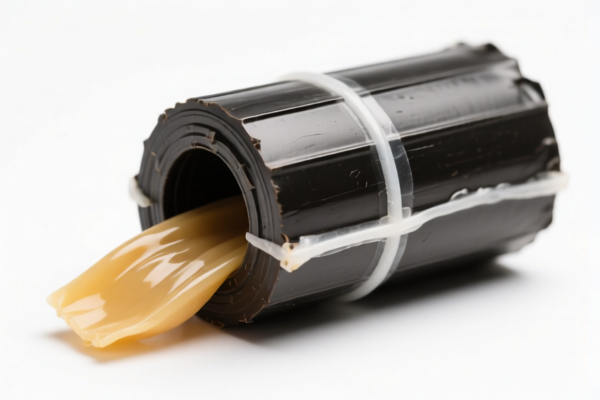



AI分析
🧪 Rubber Plasticizer Mixture (Chemical Intermediates)
🌐 HS Code Reference & Customs Clearance Guide | 2026 Latest Tariff Analysis | Professional Clearance Strategy
📌 Part I: Product Definition & Classification: Do You Know "Rubber Plasticizer Mixture"?
A Rubber Plasticizer Mixture is a specialized chemical formulation used in the rubber industry to increase flexibility, workability, and volume. In international trade, the classification hinges on its chemical nature (is it a chemical product or a rubber preparation?) and its physical form (solution, emulsion, or solid).
Key Distinction: * Chemical Preparations (Headings 3824/3403): If the mixture is primarily defined by its chemical function as a processing aid, solvent, or stabilizer, it often falls under chemical headings. * Rubber Preparations (Heading 4005): If the mixture is specifically designed for processing rubber (unvulcanized) and meets the criteria of "mixtures of rubber with other substances," it falls under Heading 4005.
⚠️ Critical Classification Point:
- If the product is a chemical mixture used for treating rubber surfaces or as a chemical additive → 3824 or 3403.
- If the product is a rubber blend (rubber + plasticizer) for direct manufacturing → 4005.
- Material Conflict Check: None. All listed HS codes are compatible with rubber/chemical materials.
📦 Part II: HS Code Classification Details (2026 Latest Tariff Authority Comparison)
| HS Code | Product Description | Application Scenario | Material/State Conflict? |
|---|---|---|---|
3824.99.49.00 |
Rubber chemical mixture, belongs to chemical industry preparations. | General chemical additives, processing aids. | ✅ No |
3403.11.20.00 |
Rubber chemical mixture, belongs to preparation form. | Lubricants, release agents, or processing compounds for rubber. | ✅ No |
3403.11.50.00 |
Rubber chemical mixture, fits preparation form, used for material treatment. | Surface treatment or specific material processing chemicals. | ✅ No |
3824.99.29.00 |
Rubber chemical mixture, belongs to chemical products and preparations. | Broad chemical category for unlisted rubber chemicals. | ✅ No |
4005.10.00.00 |
Rubber chemical mixture, matches rubber material and unvulcanized characteristics. | Direct rubber processing mixtures, unvulcanized rubber blends. | ✅ No |
🔍 Key Reminder:
- Headings 3824 and 3403 are for chemical preparations used on or with rubber, but not necessarily containing rubber as a primary ingredient.
- Heading 4005 is for mixtures of rubber (e.g., compounded rubber) before vulcanization.
- Misclassification Risk: Declaring a pure chemical plasticizer as a rubber mixture (4005) or vice versa can lead to significant duty differences and customs audits.
💰 Part III: 2026 Latest Tariff Rate Details (Including Additional Taxes & Policy Surcharges)
✅ Applicable Country: United States (US)
✅ Country of Origin: China (CN)
✅ Effective Date: From November 10, 2025 (and subsequent imports)
🎯 1. 3824.99.49.00 & 3824.99.29.00 — Chemical Preparations (Rubber Chemicals)
| Item | Content |
|---|---|
| Base Duty Rate | 6.5% (Ad Valorem) |
| Section 301 Duty | +25.0% (From USITC Footnote 9903.88.01) |
| IEEPA Surcharge | +10.0% (Targeting China/HK products, effective Nov 10, 2025) |
| Total Duty Rate | 41.5% |
| Tax Calculation | CIF Value × 41.5% |
| De Minimis Exemption | ❌ Not Eligible (deny_de_minimis) |
| Legal Basis Path | IEEPA:9903.01.25 → IEEPA:9903.01.24 → USITC:3824.99.49.00 / 3824.99.29.00 → FOOTNOTE:9903.88.01 |
📌 Explanation:
- These codes fall under "Chemical Products and Preparations."
- The 25% Section 301 tariff applies to most chemical products from China.
- The 10% IEEPA tariff is an additional layer for Chinese origin.
- Total 41.5% is a high-duty category. Accurate chemical composition description is crucial to avoid being classified under a higher-rate "chemical weapon precursor" or similar restricted category.
🎯 2. 3403.11.20.00 & 3403.11.50.00 — Lubricating/Processing Preparations
| Item | Content |
|---|---|
| Base Duty Rate | 0.2% (for .20) or 1.4% (for .50) (Ad Valorem) |
| Section 301 Duty | +25.0% |
| IEEPA Surcharge | +10.0% |
| Total Duty Rate | 35.2% (for .20) or 36.4% (for .50) |
| Tax Calculation | CIF Value × Total Rate |
| De Minimis Exemption | ❌ Not Eligible (deny_de_minimis) |
| Legal Basis Path | IEEPA:9903.01.25 → IEEPA:9903.01.24 → USITC:3403.11.20.00 / 3403.11.50.00 → FOOTNOTE:9903.88.01 |
📌 Note:
- Heading 3403 covers "Lubricating preparations containing other additives." If your plasticizer mixture acts as a lubricant or processing aid, this code may apply.
- The base rate is significantly lower (0.2%-1.4%), but the 35.2%-36.4% total is still substantial due to the 35% combined surcharge.
- Distinction from 3824: 3403 is for lubricants/preparations of a specific type; 3824 is a residual category for other chemical preparations. Choose based on the primary function (lubrication vs. general chemical aid).
🎯 3. 4005.10.00.00 — Rubber Mixtures/Compounds
| Item | Content |
|---|---|
| Base Duty Rate | 0.0% (Ad Valorem) |
| Section 301 Duty | +25.0% |
| IEEPA Surcharge | +10.0% |
| Total Duty Rate | 35.0% |
| Tax Calculation | CIF Value × 35.0% |
| De Minimis Exemption | ❌ Not Eligible (deny_de_minimis) |
| Legal Basis Path | IEEPA:9903.01.25 → IEEPA:9903.01.24 → USITC:4005.10.00.00 → FOOTNOTE:9903.88.01 |
📌 Explanation:
- This is the lowest total duty rate (35.0%) among the options.
- It applies if the product is truly a mixture of rubber (unvulcanized) with plasticizers or other substances.
- Crucial: If the product does not contain raw rubber as a significant ingredient (e.g., it's a pure chemical solvent/mixture), using this code is illegal misclassification and carries high risk of penalties. It must be a rubber compound.
🛠️ Part IV: Customs Clearance Practical Advice (Combat Pitfall Guide)
✅ 1. Document Preparation Checklist (All Required)
| Document | Mandatory? | Description |
|---|---|---|
| ✅ Product Specification Sheet | ✔️ | Must detail chemical composition, CAS numbers, and physical state (liquid/solid). |
| ✅ Formula/Composition List | ✔️ | Critical for distinguishing between 3824 (chemical) and 4005 (rubber mix). |
| ✅ Product Photos | ✔️ | Clear images of packaging, labels, and product appearance. |
| ✅ Commercial Invoice | ✔️ | Must state "Rubber Plasticizer Mixture" and specify HS Code accurately. |
| ✅ Certificate of Origin (CO) | ✔️ | Mandatory for US import to determine origin-based surcharges. |
| ✅ Packing List | ✔️ | Detail net/gross weight and dimensions. |
| ✅ Safety Data Sheet (SDS) | ✔️ | Required for chemical customs clearance. |
✅ 2. Declaration Tips (Key Mantra)
🔥 "Chemical vs. Rubber, Composition is Key; Base Rate Varies, Surcharges Stay Steady!"
| Scenario | Correct Declaration | Wrong Approach |
|---|---|---|
| Pure Chemical Plasticizer (No Rubber) | 3824.99.49.00 or 3824.99.29.00 |
Misdeclare as 4005.10.00.00 → Penalty for Misclassification |
| Rubber Compounded with Plasticizer | 4005.10.00.00 |
Misdeclare as 3824 → Pay Higher Base Rate (6.5% vs 0%) |
| Lubricating/Processing Aid | 3403.11.20.00 |
Vague description "Plasticizer" → Customs Review Delay |
| Any of the Above | Total Rate ~35-41.5% | Expect "De Minimis" exemption → ❌ Not Eligible for Shipments from China |
✅ 3. Special Situation Handling
| Situation | Handling Advice |
|---|---|
| Unclear Composition | Provide detailed COA (Certificate of Analysis) and chemical structure. If rubber content >10%, lean towards 4005 (but consult broker). |
| Dual-Use Chemicals | Ensure no restricted chemicals (e.g., azo dyes, specific amines) are present. SDS must be clean. |
| Packaging | If shipped in large drums, declare as industrial chemical. Small bottles may raise questions about retail vs. industrial use. |
| Pre-Commitment (Ruling) | Highly recommended. Apply for an Advance Ruling from CBP to fix the HS Code and duty rate before shipment. |
🌍 Part V: Global Market Clearance Comparison (2026 Latest)
| Country/Region | Recommended HS Code | Tariff Rate | Certification Requirements | Remarks |
|---|---|---|---|---|
| 🇺🇸 USA | 4005.10.00.00 (Best Rate) |
35.0% | SDS, ISPM 15 (if wood pallet) | High scrutiny on rubber vs. chemical distinction. |
| 🇨🇳 China | 3824.99.99 or 4005.10.00 |
5-6% | None specific | Lower base rates, no Section 301. |
| 🇪🇺 EU | 3824.72 or 4005.10 |
0-3% | REACH Compliance | REACH registration is critical for chemicals in EU. |
| 🇬🇧 UK | 3824.72 or 4005.10 |
0-3% | UK REACH | Post-Brexit UK REACH applies. |
| 🇯🇵 Japan | 3824.99 or 4005.10 |
3-5% | JIS/SEMIC | No significant surcharges for China origin generally. |
📌 Conclusion:
- USA is the most challenging market due to Section 301 + IEEPA surcharges.
- EU/UK require REACH/UK REACH compliance, which is a significant non-tariff barrier.
- Japan offers stable tariffs with minimal political surcharges.
📌 Part VI: Common Errors & Pitfall Guide (Blood & Tears Lessons)
❌ Error 1: Declaring a pure chemical plasticizer as 4005.10.00.00 to save duty.
👉 Consequence: Customs inspection reveals no rubber content. Back taxes + 25% penalty + seizure.
❌ Error 2: Assuming "Plasticizer" is always 3824.
👉 Consequence: If it is a rubber compound, you paid an extra 6.5% base duty unnecessarily. 4005 base is 0%.
❌ Error 3: Ignoring IEEPA 10% Surcharge.
👉 Consequence: Budgeting for only 25% (Section 301). Unexpected 10% extra cost leads to cash flow issues or rejected payment.
❌ Error 4: Using vague descriptions like "Chemical Mix" on Invoice.
👉 Consequence: CBP holds shipment for missing information. Requires broker intervention, causing demurrage fees.
✅ Correct Practice:
"Rubber Plasticizer Mixture, UN1993 (or specific UN Class), CAS No. XXXX-XX-X, Chemical/Industrial Grade, HS Code: 4005.10.00.00 (or 3824.99.49.00)"
🎯 Part VII: Conclusion: Professional Declaration, Cost Saving & Efficiency!
🎯 Remember the Mantra:
🔹 "Chemical or Rubber? Composition decides.
🔹 Base Rate: 0% (4005), 6.5% (3824), 1% (3403).
🔹 Surcharges: 35% Flat (301+IEEPA).
🔹 Total: 35% vs 41.5%. Choose Wisely!"
📌 Pro Tip:
If your product is not made in China (e.g., from Vietnam or Germany), you may avoid the 35% surcharges (depending on trade agreements).
For US imports from China, Apply for a Pre-Ruling (CBP Ruling Letter) to secure the HS Code and avoid post-clearance audits.
📣 Immediate Action:
📞 Contact a licensed customs broker + Provide SDS + Apply for CBP Pre-Ruling
🚀 Ensure your Rubber Plasticizer Mixture clears smoothly, minimizes duty, and protects your supply chain!
✨ Professional Clearance Starts with Accurate Classification!
💼 Every percent of duty matters in your profit margin!
用户评价
关于 HS 编码归类
协调制度(HS)是由世界海关组织(WCO)制定的国际贸易商品分类标准。全球 200 多个国家采用 HS 系统作为海关关税、贸易统计和进出口监管的基础。
每个 HS 编码遵循以下层级结构:
- 章(2 位)——商品大类(例如:第 84 章:机器和机械设备)
- 品目(4 位)——章内的更具体分类
- 子目(6 位)——国际通用细分,所有 WCO 成员国统一使用
- 本国细分(8-10 位)——各国自行扩展的细分编码,如美国 HTSUS 10 位编码
正确的 HS 编码归类对于顺利通关、准确缴纳关税和遵守贸易法规至关重要。错误归类可能导致海关延误、多缴关税或罚款。
从CN进口到US时,适用的关税税率可能包括:
- 最惠国(MFN)税率——适用于 WTO 成员国的标准关税税率
- 普通税率——适用于无贸易协定国家
- 贸易救济关税——附加关税,如 301 条款(反倾销)、232 条款(国家安全)或反补贴税
本页内容仅供参考。如需正式归类,请咨询当地海关或持牌报关代理。