Rubber Pneumatic Tires (Used) for Aircraft
CN → US| HS编码 | 关税税率 | 原产国 | 目的国 | 文档 |
|---|---|---|---|---|
| 4012130010 | 35.0% | CN | US | 官方文档 |
| 4012130050 | 35.0% | CN | US | 官方文档 |
| 4011300010 | 35.0% | CN | US | 官方文档 |
| 4011300050 | 35.0% | CN | US | 官方文档 |
| 4012904500 | 39.2% | CN | US | 官方文档 |
商品图片
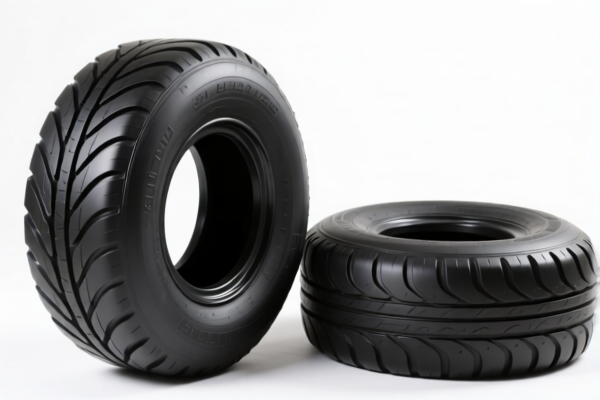
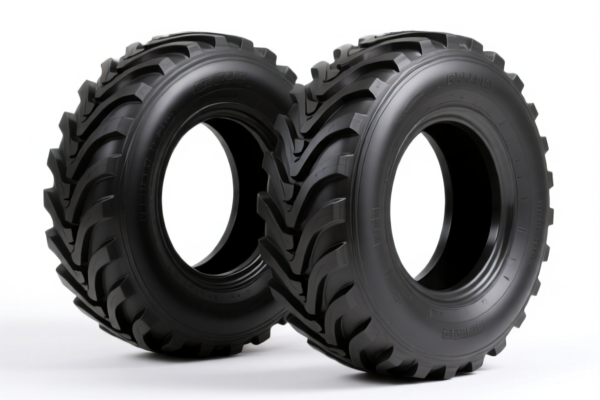
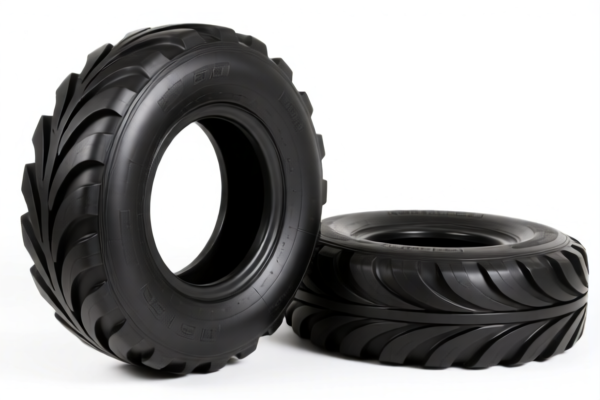
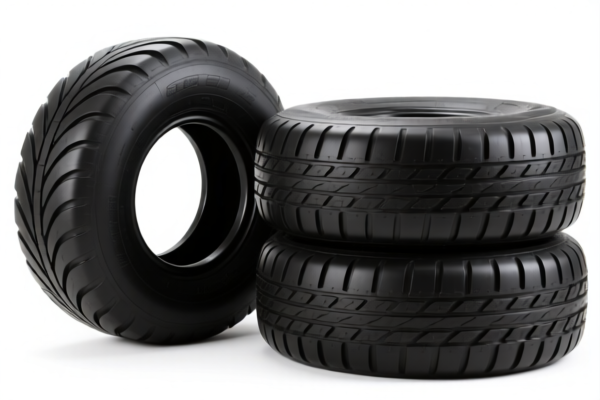
AI分析
✈️ Rubber Pneumatic Tires (Used) for Aircraft
🌐 HS Code Reference & Customs Clearance Guide | 2026 Latest Tariff Analysis | Professional Entry Strategies
📌 I. Product Definition & Classification: Are You Classifying "Used" Correctly?
Rubber Pneumatic Tires (Used) for Aircraft refer to previously utilized aircraft tires that retain their structural integrity and pneumatic nature. In international trade, specifically under US Customs regulations, the distinction between new and used/retreaded tires is critical, as it dictates completely different HS codes and tax liabilities.
⚠️ Key Distinction Point:
- "Used" or "Retreaded" Aircraft Tires: Must be classified under Chapter 4012 (Specifically 4012.13 or 4012.90).
- "New" Pneumatic Aircraft Tires: Classified under Chapter 4011 (Specifically 4011.30).
- General Used Rubber Tires: If not for aviation, they fall under 4012.90.45.00.🔍 Note on "Used" Status:
If the tire has been retreaded (i.e., new rubber applied to a used casing), it is legally considered a "retreaded tire" (4012.13). If it is simply a second-hand new-tire structure without retreading, it may still fall under specific used tire codes (4012.90.45.00) depending on condition and certification.
📦 II. HS Code Classification Matrix (2026 Latest Tariff Data)
The following table maps the product description to the specific HS Codes and tax rates provided in the source data.
| HS Code | Product Description | Status | Total Tax Rate | Key Components |
|---|---|---|---|---|
4012.13.00.10 |
Rubber Retreaded Pneumatic Tires for Aircraft | ✅ Retreaded | 35.0% | Base: 0% + Section 301: 25% + Section 122: 10% |
4012.13.00.50 |
Rubber Retreaded Pneumatic Tires for Aircraft | ✅ Retreaded | 35.0% | Base: 0% + Section 301: 25% + Section 122: 10% |
4011.30.00.10 |
Pneumatic Tires for Aircraft | ✅ New | 35.0% | Base: 0% + Section 301: 25% + Section 122: 10% |
4011.30.00.50 |
Pneumatic Tires for Aircraft | ✅ New | 35.0% | Base: 0% + Section 301: 25% + Section 122: 10% |
4012.90.45.00 |
Other Used Rubber Pneumatic Tires | ✅ Used (Non-Retreaded/General) | 39.2% | Base: 4.2% + Section 301: 25% + Section 122: 10% |
📌 Critical Observation:
- Even New aircraft tires (4011.30.x0) and Retreaded aircraft tires (4012.13.x0) share the same 35% total rate because their Base Rate is 0%.
- General Used Tires (4012.90.45.00) incur a higher rate (39.2%) because they are subject to a 4.2% Base Rate in addition to the additional duties.
💰 III. 2026 Tariff Structure Detailed Breakdown
✅ Applicable Country: United States (US)
✅ Origin: Likely China (CN) based on "Section 122" and "301" context in source data
✅ Effective Date: Current (2026)
🎯 1. 4011.30.00.10 & 4011.30.00.50 — New Pneumatic Aircraft Tires
| Item | Value | Explanation |
|---|---|---|
| Base Duty | 0.0% | Aircraft tires enjoy a 0% base MFN rate. |
| Section 301 Duty | +25.0% | Additional tariff on Chinese goods (USITC Footnote 9903.88.01). |
| Section 122 Duty | +10.0% | Additional tariff specifically targeting aviation security/trade measures. |
| Total Rate | 35.0% | Sum of all components. |
| Calculation | CIF Value × 35% | Ad valorem tax. |
📌 Why 0% Base?
Aircraft equipment often benefits from zero-base duty rates to facilitate global aviation logistics, but the Section 301 and 122 add-ons negate this benefit for Chinese-origin goods.
🎯 2. 4012.13.00.10 & 4012.13.00.50 — Rubber Retreaded Aircraft Tires
| Item | Value | Explanation |
|---|---|---|
| Base Duty | 0.0% | Retreaded tires for aviation also often have 0% base rate. |
| Section 301 Duty | +25.0% | Same additional tariff as new tires. |
| Section 122 Duty | +10.0% | Same additional tariff. |
| Total Rate | 35.0% | Identical to new tires in this specific dataset. |
| Calculation | CIF Value × 35% | Ad valorem tax. |
📌 Strategic Insight:
Retreading is often cheaper than buying new. If the Base Rate were positive, retreading might reduce the absolute tax amount. However, since both are 0% base, the percentage cost is identical (35%), but the CIF Value of a retreaded tire is likely much lower, resulting in lower total dollars paid.
🎯 3. 4012.90.45.00 — Other Used Rubber Pneumatic Tires (General Used)
| Item | Value | Explanation |
|---|---|---|
| Base Duty | 4.2% | Standard duty for general used tires. |
| Section 301 Duty | +25.0% | Additional tariff. |
| Section 122 Duty | +10.0% | Additional tariff. |
| Total Rate | 39.2% | Highest rate in the set. |
| Calculation | CIF Value × 39.2% | Ad valorem tax. |
⚠️ Trap Alert:
Do not misclassify Aircraft Tires as "Other Used Tires." If the tire is for an aircraft, it must use the 4011.30 or 4012.13 codes. Misclassification here could lead to penalties or overpayment/underpayment issues if the "Used" status is not clearly documented as "Retreaded" vs. "Old/Scrap."
🛠️ IV. Customs Clearance Practical Advice
✅ 1. Documentation Checklist (Non-Negotiable)
| Document | Requirement | Reason |
|---|---|---|
| Commercial Invoice | Must state "Rubber Pneumatic Tire for Aircraft" + "New" OR "Retreaded" OR "Used" | Determines HS Code accuracy. |
| Condition Report | For used/retreaded: Must detail tread depth, casing condition, and retread certification. | Proves eligibility for 4012.13 (Retreaded) vs. 4012.90 (General Used). |
| Origin Certificate | CO (Certificate of Origin) | Critical for confirming Section 301/122 applicability. |
| Packing List | Specify quantity, weight, and individual tire IDs. | Matches invoice and bill of lading. |
| FAA/EASA Certification (If applicable) | For aircraft parts, compliance with aviation authority standards may be requested. | Ensures airworthiness and legal import for aviation use. |
✅ 2. Classification Strategy & Risk Mitigation
| Scenario | Recommended HS Code | Risk of Misclassification |
|---|---|---|
| New Aircraft Tire | 4011.30.00.10 / .50 |
Low risk if clearly marked "New". |
| Retreaded Aircraft Tire | 4012.13.00.10 / .50 |
High risk if labeled only as "Used". Must prove retread process. |
| Second-hand New Tire (No retread) | 4012.90.45.00 |
Risky. Some customs brokers may argue for 4012.13 if it's "aircraft" specific, but "Used" usually pushes to 90. |
| General Aircraft Spare Tire (Non-pneumatic?) | Check Chapter 4012/4011 carefully | Ensure it is indeed pneumatic. |
🔥 Golden Rule:
"If it’s for an airplane, it’s either 4011.30 (New) or 4012.13 (Retreaded). If it’s just 'used rubber' without aviation specs, it’s 4012.90.45.00 (Higher Tax)."
✅ 3. Cost Optimization Tip
- Retreading is Cost-Effective: Since the tax rate is the same (35%) for New and Retreaded aircraft tires, importing Retreaded tires (
4012.13) is almost always cheaper because the CIF Value of a retreaded tire is significantly lower than a new one. - Avoid
4012.90.45.00: This code carries a 39.2% rate. Only use this if the tire is not certified for aircraft use or is a general-purpose used tire being repurposed.
🌍 V. Global Market Context (2026)
| Market | HS Code Trend | Notes |
|---|---|---|
| 🇺🇸 USA | Strict 4011/4012 Split | High Section 301/122 tariffs. Retreading is a major industry. |
| 🇨🇳 China | 4011/4012 | Lower base duties for some categories, but export controls apply. |
| 🇪🇺 EU | 4011/4012 | Different subheadings; CE certification required for aviation parts. |
📌 Conclusion for US Importers:
The US market imposes a flat 35% additional burden on aviation tires (new or retreaded) from China. There is no tax advantage to choosing new over retreaded in terms of percentage, making retreaded tires (4012.13) the financially superior choice due to lower base value.
📌 VI. Common Errors & Pitfalls
❌ Error 1: Classifying a Retreaded Aircraft Tire as 4012.90.45.00.
👉 Consequence: You pay 39.2% instead of 35%. Overpayment of 4.2% on every tire.
👉 Fix: Ensure invoice says "Retreaded" and provide retread documentation.
❌ Error 2: Classifying a New Aircraft Tire as 4012.13.
👉 Consequence: Customs may reject or audit, claiming fraud or misdescription.
👉 Fix: Use 4011.30 for new tires.
❌ Error 3: Ignoring Section 122.
👉 Consequence: Underpaying tax by 10%. Heavy fines and shipment holds.
👉 Fix: Always add 10% for Section 122 on aviation-related rubber goods from China.
🎯 VII. Final Recommendation
🔹 For New Aircraft Tires: Use
4011.30.00.10or.50. Tax: 35%.
🔹 For Retreaded Aircraft Tires: Use4012.13.00.10or.50. Tax: 35%. (Recommended for Cost Savings)
🔹 For Other Used Tires: Use4012.90.45.00. Tax: 39.2%. (Avoid for Aviation Use)
📣 Action Item:
📞 Verify Retread Status: If importing used tires, ensure they are certified retreads.
🚀 Calculate CIF: CompareNew Tire Price × 35%vs.Retread Tire Price × 35%. Retread is almost always cheaper.
✨ Professional Customs Broker: Engage a broker experienced in Aviation Parts to handle the nuanced classification between 4011 and 4012.
💼 Precision in Classification Saves Thousands in Aviation Logistics!
用户评价
关于 HS 编码归类
协调制度(HS)是由世界海关组织(WCO)制定的国际贸易商品分类标准。全球 200 多个国家采用 HS 系统作为海关关税、贸易统计和进出口监管的基础。
每个 HS 编码遵循以下层级结构:
- 章(2 位)——商品大类(例如:第 84 章:机器和机械设备)
- 品目(4 位)——章内的更具体分类
- 子目(6 位)——国际通用细分,所有 WCO 成员国统一使用
- 本国细分(8-10 位)——各国自行扩展的细分编码,如美国 HTSUS 10 位编码
正确的 HS 编码归类对于顺利通关、准确缴纳关税和遵守贸易法规至关重要。错误归类可能导致海关延误、多缴关税或罚款。
从CN进口到US时,适用的关税税率可能包括:
- 最惠国(MFN)税率——适用于 WTO 成员国的标准关税税率
- 普通税率——适用于无贸易协定国家
- 贸易救济关税——附加关税,如 301 条款(反倾销)、232 条款(国家安全)或反补贴税
本页内容仅供参考。如需正式归类,请咨询当地海关或持牌报关代理。