Rubber Protective Pad
CN → US| HS编码 | 关税税率 | 原产国 | 目的国 | 文档 |
|---|---|---|---|---|
| 4008111000 | 35.0% | CN | US | 官方文档 |
| 4016996050 | 37.5% | CN | US | 官方文档 |
| 4016990500 | 20.9% | CN | US | 官方文档 |
| 3926904510 | 38.5% | CN | US | 官方文档 |
| 4008210000 | 35.0% | CN | US | 官方文档 |
商品图片
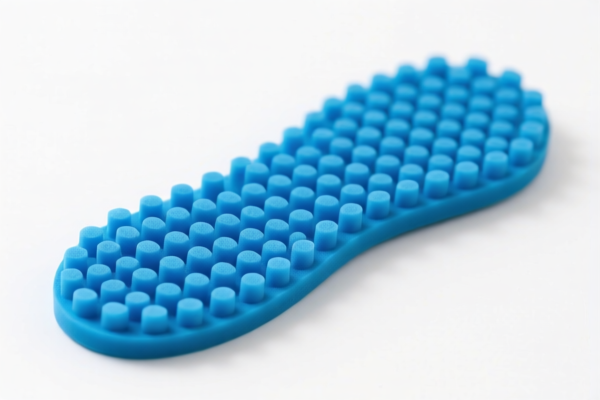
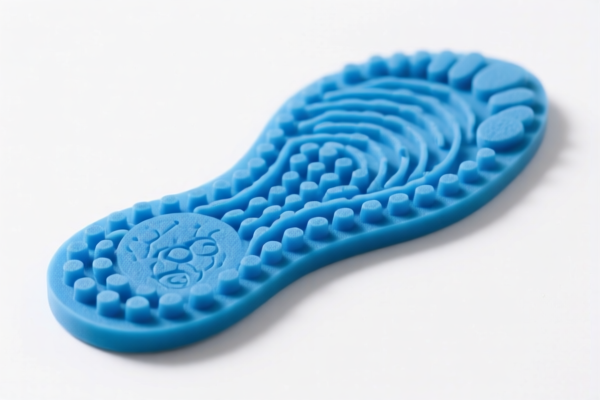
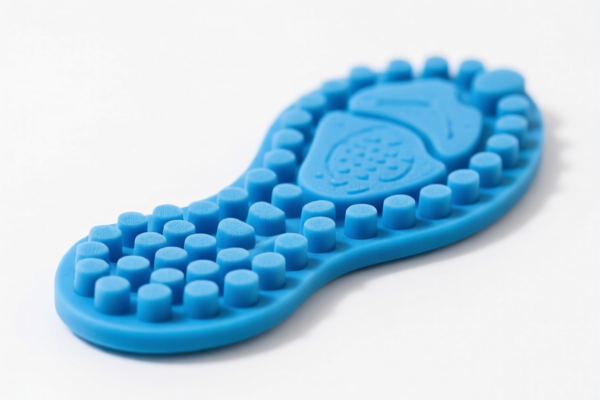
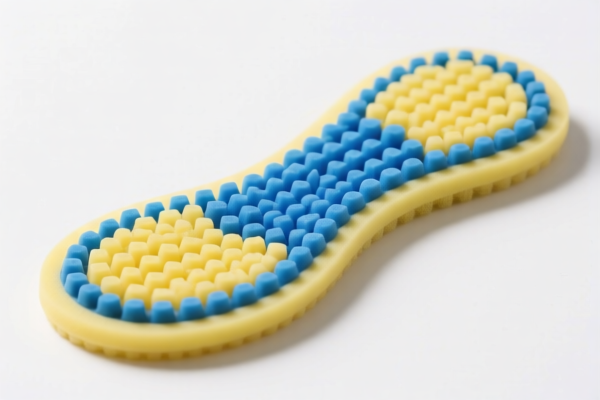
AI分析
🛡️ Rubber Protective Pad (橡胶保护垫)
🌐 HS Code Reference & Customs Clearance Guide | 2026 Latest Tariff Analysis | Strategic Entry Strategy for US Imports
📌 I. Product Definition & Classification: What Exactly is a "Rubber Protective Pad"?
A Rubber Protective Pad is a versatile industrial and consumer good designed to cushion, dampen vibration, prevent slipping, or protect surfaces from impact. In international trade, it is not a single HS code but a generic term that falls under multiple categories depending on its material composition (natural vs. synthetic/vulcanized) and physical form (solid sheet, pre-cut mat, gasket, etc.).
⚠️ Critical Distinction:
- If it is made of Natural Rubber in simple shapes (like mats/pads), it often falls under Chapter 40 (Section 01/02).
- If it is Vulcanized Rubber or Synthetic Rubber in specific non-industrial forms (mats, gaskets), it may fall under Chapter 40 (Section 03) or Chapter 39 (Plastics/Composite).
- Misclassification Risk: Declaring everything as "Rubber Mat" without specifying vulcanization state or material type leads to customs holds and penalties.
📦 II. HS Code Classification Matrix (2026 Tariff Authority)
| HS Code | Product Description | Material/State | Application Scenario |
|---|---|---|---|
4008.11.10.00 |
Rubber articles, plates, sheets, strip, rod, and profile, of natural rubber | Natural Rubber (Non-foam) | Industrial vibration pads, heavy-duty mats, natural rubber flooring components |
4016.99.60.50 |
Other articles of vulcanized rubber other than hard rubber | Vulcanized Rubber (Specific Sub-category) | Specialized vulcanized protective pads, non-industrial specialized rubber goods |
4016.99.05.00 |
Other articles of vulcanized rubber, not elsewhere specified | Vulcanized Rubber (General/Unspecified) | General-purpose rubber mats, household/office protective pads, generic rubber gaskets |
3926.90.45.10 |
Other articles of plastics and articles of other materials of heading 3901–3914 | Plastic/Synthetic Rubber Composite | Rubber-plastic composite pads, seals, gaskets, or items classified under "Plastic Articles" due to composition |
4008.21.00.00 |
Rubber articles, plates, sheets, strip, rod, and profile, of natural rubber | Natural Rubber (Non-foam, Other) | Natural rubber sheets/strip used as protective liners or basic padding |
🔍 Key Insight:
- Natural Rubber (4008) generally has 0% Base Tariff, but high附加 taxes.
- Vulcanized Rubber (4016) has varying base tariffs (2.5%–3.4%) depending on the specific sub-heading.
- Plastic/Composite (3926) is often treated as a "catch-all" for rubber-like products if the chemical composition leans towards synthetic polymers defined in Chapter 39.
💰 III. 2026 Detailed Tariff Breakdown (US Import from China)
✅ Destination: United States (US)
✅ Origin: China (CN)
✅ Effective Date: November 10, 2025 (and onwards)
✅ Applicable Regimes: Section 301 (USITC 25%) + IEEPA (10%) + Base Tariff
🎯 1. 4008.11.10.00 & 4008.21.00.00 — Natural Rubber Articles
Best for: Pure natural rubber mats, pads, and sheets.
| Item | Detail |
|---|---|
| Base Tariff | 0.0% (Ad Valorem) |
| Section 301 (USITC) | +25.0% |
| IEEPA Surcharge | +10.0% (China-origin specific) |
| Total Effective Rate | 35.0% |
| Calculation | CIF Value × 35% |
| De Minimis Exemption | ❌ Not Applicable (High value, commercial shipment) |
| Legal Path | USITC:4008.11.10.00 → FOOTNOTE:301 → IEEPA:9903.01.25 |
📌 Why this rate?
Although natural rubber often enjoys preferential base rates (0%), the Section 301 and IEEPA surcharges are applied on top of the base. The combination results in a significant 35% landed cost increase.
🎯 2. 4016.99.60.50 — Other Vulcanized Rubber Articles
Best for: Specialty vulcanized rubber products not specified elsewhere.
| Item | Detail |
|---|---|
| Base Tariff | 2.5% |
| Section 301 (USITC) | +25.0% |
| IEEPA Surcharge | +10.0% |
| Total Effective Rate | 37.5% |
| Calculation | CIF Value × 37.5% |
| De Minimis Exemption | ❌ Not Applicable |
| Legal Path | USITC:4016.99.60.50 → FOOTNOTE:301 → IEEPA:9903.01.25 |
📌 Why this rate?
This is the highest tax bracket among the options due to the 2.5% base tariff added to the surcharges. Use only if the product strictly fits the "vulcanized rubber, not elsewhere specified" definition.
🎯 3. 4016.99.05.00 — Other Vulcanized Rubber Articles (General)
Best for: Generic rubber mats, household pads, non-specific rubber goods.
| Item | Detail |
|---|---|
| Base Tariff | 3.4% |
| Section 301 (USITC) | +7.5% (Note: Lowered from 25% for certain categories under specific trade agreements or adjustments, verify latest footnotes) |
| IEEPA Surcharge | +10.0% |
| Total Effective Rate | 20.9% |
| Calculation | CIF Value × 20.9% |
| De Minimis Exemption | ❌ Not Applicable |
| Legal Path | USITC:4016.99.05.00 → FOOTNOTE:301 → IEEPA:9903.01.25 |
📌 Strategic Advantage:
This HS code offers the lowest total tax burden (20.9%). It is ideal for general-purpose rubber protective pads (e.g., yoga mats, furniture pads, generic anti-slip mats) that are vulcanized but do not have a highly specific industrial function.
⚠️ Caution: Ensure the product does not qualify for4008(Natural) or3926(Plastic) to avoid misclassification audits.
🎯 4. 3926.90.45.10 — Other Plastic Articles
Best for: Rubber-plastic composites or synthetic rubber classified as plastic.
| Item | Detail |
|---|---|
| Base Tariff | 3.5% |
| Section 301 (USITC) | +25.0% |
| IEEPA Surcharge | +10.0% |
| Total Effective Rate | 38.5% |
| Calculation | CIF Value × 38.5% |
| De Minimis Exemption | ❌ Not Applicable |
| Legal Path | USITC:3926.90.45.10 → FOOTNOTE:301 → IEEPA:9903.01.25 |
📌 Why this rate?
If the "rubber" pad contains significant synthetic polymer content (SBR, EPDM, etc.) that falls under Chapter 39, it is taxed as a plastic article. This has the highest total rate (38.5%) due to the 3.5% base plus full 301 tariffs. Only use if the material composition is legally classified as plastic/composite.
🛠️ IV. Customs Clearance Operational Advice (Avoiding Pitfalls)
✅ 1. Documentation Checklist (Mandatory)
| Document | Requirement | Purpose |
|---|---|---|
| Product Spec Sheet | Must state: Material (Natural/Vulcanized/Synthetic), Shape, Dimensions, Hardness (Shore A) | Determines Chapter 40 vs. 39 |
| Material Safety Data Sheet (MSDS) | Required for chemical composition verification | Prevents "Unknown Material" holds |
| Commercial Invoice | Clearly describe as "Rubber Protective Pad, Vulcanized/Natural" | Avoids ambiguity with "Mat" or "Flooring" |
| Photo of Product | Show texture, cross-section (if composite), and packaging | Proves form factor (Pad vs. Sheet) |
| Certificate of Origin | Verify China origin for tariff accuracy | Triggers Section 301/IEEPA correctly |
✅ 2. Declaration Strategy (Golden Rules)
🔥 "Material First, Form Second, Function Third!"
| Scenario | Recommended HS Code | Reason |
|---|---|---|
| Pure Natural Rubber Pad | 4008.11.10.00 |
Base tax 0% → Total 35%. Cheapest if material is 100% natural. |
| Generic Vulcanized Rubber Mat | 4016.99.05.00 |
Base tax 3.4% + 7.5% 301 → Total 20.9%. Lowest Total Rate for vulcanized. |
| Specialty Vulcanized Component | 4016.99.60.50 |
Only if no other 4016 sub-heading fits. Total 37.5%. |
| Synthetic/Plastic Composite Pad | 3926.90.45.10 |
Only if chemical analysis proves it falls under Chapter 39. Total 38.5%. |
📌 Warning: Do not declare a Vulcanized Rubber Pad as
4008(Natural) if it contains synthetic blends. Customs labs will test the material, and misdeclaration leads to penalties + back taxes.
✅ 3. Special Cases & Mitigation
| Case | Strategy |
|---|---|
| Mixed Shipment (Rubber + Plastic) | Separate shipments or declare separately. Mixing may force the entire shipment into the higher plastic category. |
| Private Label (OEM) | Provide client authorization letters. Ensure the brand name does not imply a different origin. |
| Small Value Samples | If value < $800, may qualify for De Minimis (Section 321) tax exemption, BUT check if IEEPA/301 exclusions apply to samples (usually yes for non-commercial, but verify with broker). |
| Pre-Cut vs. Roll | Pre-cut pads are often 4016. Rubber rolls are 4008 or 4009. Classification can shift based on processing level. |
🌍 V. Global Market Comparison (2026)
| Market | Recommended HS Code | Estimated Total Tax (China Origin) | Notes |
|---|---|---|---|
| 🇺🇸 USA | 4016.99.05.00 |
20.9% | Best balance of cost and compliance for generic pads. |
| 🇺🇸 USA | 4008.11.10.00 |
35.0% | Only if 100% Natural Rubber. High base but no 301 on base? No, 301 adds on top. |
| 🇨🇳 China | 4016.99.05.00 |
~3.4% - 4.5% | Low import tariff into China. No Section 301. |
| 🇪🇺 EU | 4016.99.90 |
0% - 3% | No IEEPA. Standard MFN rate. Verify EPR compliance. |
| 🇨🇦 Canada | 4016.93.00 |
0% - 3.5% | Similar to US but no IEEPA. Check USMCA rules if made in Mexico/Canada. |
📌 Conclusion:
For US imports,4016.99.05.00(20.9%) is often the most cost-effective for standard vulcanized rubber pads.
For natural rubber,4008.11.10.00(35%) is unavoidable due to surcharges, but still lower than plastic classifications.
📌 VI. Common Errors & Pitfalls (Lessons Learned)
❌ Error 1: Declaring Vulcanized Rubber as Natural Rubber (4008)
👉 Result: Customs lab tests reveal synthetic content. Penalty + Back Taxes (35% vs 20.9% or 38.5%).
✅ Fix: Provide MSDS and material breakdown.
❌ Error 2: Using "Rubber Mat" without specifying Vulcanization
👉 Result: Customs may default to the highest tax category or detain for clarification.
✅ Fix: Explicitly state "Vulcanized" or "Natural, Non-Vulcanized" in the invoice.
❌ Error 3: Classifying Composite Pads (Rubber + Plastic) as pure Rubber
👉 Result: If plastic content > significant threshold, reclassified under 3926 (38.5%).
✅ Fix: Analyze material composition. If plastic dominant, use 3926.90.45.10.
❌ Error 4: Ignoring IEEPA 10% Surcharge in cost calculations
👉 Result: Underpricing the landed cost, leading to margin erosion.
✅ Fix: Always include IEEPA + 301 in your DDP pricing model.
🎯 VII. Conclusion: Strategic Sourcing & Compliance
🎯 Key Takeaway:
🔹 Natural Rubber (
4008) = 35% Total Tax.
🔹 Vulcanized Rubber (4016.99.05.00) = 20.9% Total Tax (BEST OPTION) for generic pads.
🔹 Plastic/Composite (3926) = 38.5% Total Tax (Avoid if possible).
📌 Pro Tip:
If your product is generic (e.g., furniture pad, yoga mat base, appliance bumper), strive to classify under 4016.99.05.00 to save 14–17% in duties compared to natural or plastic classifications. Ensure your supplier provides documentation proving vulcanization and non-natural composition to support this classification.
📣 Immediate Action Plan:
1. Test Material: Confirm if the pad is Natural, Vulcanized, or Composite.
2. Select HS Code: Match material to the table above.
3. Prepare Docs: MSDS, Invoice, Photo.
4. Calculate Cost: Apply the specific tax rate to your CIF value.
5. File Pre-Ruling: If shipment is large, consider an HTSUS Advance Ruling from CBP to lock in the classification.
✨ Smart Classification Saves Money!
💼 Your Duty Rate is a Variable You Can Control with Data!
用户评价
关于 HS 编码归类
协调制度(HS)是由世界海关组织(WCO)制定的国际贸易商品分类标准。全球 200 多个国家采用 HS 系统作为海关关税、贸易统计和进出口监管的基础。
每个 HS 编码遵循以下层级结构:
- 章(2 位)——商品大类(例如:第 84 章:机器和机械设备)
- 品目(4 位)——章内的更具体分类
- 子目(6 位)——国际通用细分,所有 WCO 成员国统一使用
- 本国细分(8-10 位)——各国自行扩展的细分编码,如美国 HTSUS 10 位编码
正确的 HS 编码归类对于顺利通关、准确缴纳关税和遵守贸易法规至关重要。错误归类可能导致海关延误、多缴关税或罚款。
从CN进口到US时,适用的关税税率可能包括:
- 最惠国(MFN)税率——适用于 WTO 成员国的标准关税税率
- 普通税率——适用于无贸易协定国家
- 贸易救济关税——附加关税,如 301 条款(反倾销)、232 条款(国家安全)或反补贴税
本页内容仅供参考。如需正式归类,请咨询当地海关或持牌报关代理。