Rubber Radial Tires High Temperature Resistant
CN → US| HS编码 | 关税税率 | 原产国 | 目的国 | 文档 |
|---|---|---|---|---|
| 4012194000 | 39.0% | CN | US | 官方文档 |
| 4012909000 | 37.7% | CN | US | 官方文档 |
| 4016996010 | 37.5% | CN | US | 官方文档 |
| 4012118000 | 38.4% | CN | US | 官方文档 |
| 4012124035 | 39.0% | CN | US | 官方文档 |
商品图片
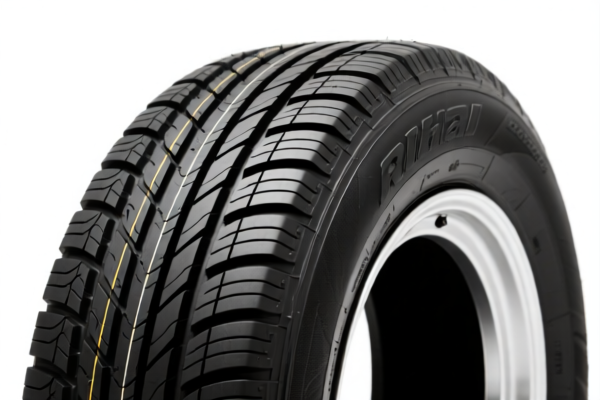
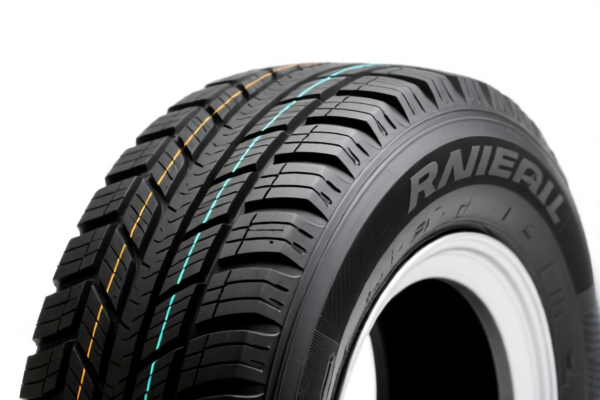
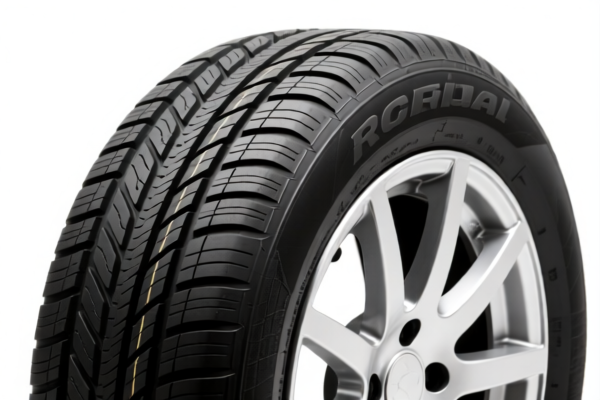

AI分析
🛞 Rubber Radial Tires – High Temperature Resistant
🌐 HS Code Classification & Customs Clearance Guide | 2026 Updated Tariff Analysis | Pro-Level Import Strategy
📌 One-Stop Expert Breakdown for High-Temp Resistant Rubber Radial Tires
📌 1. Product Definition & Classification: What Makes These Tires Unique?
High-temperature resistant rubber radial tires are specialized tire products engineered for extreme thermal environments — commonly used in:
- Industrial machinery (e.g., mining, construction, port equipment)
- Heavy-duty trucks operating in hot climates
- Off-road vehicles in desert or volcanic zones
- High-speed or high-load applications where heat buildup is critical
✅ Key Features: - Radial construction (plies running radially from bead to bead)
- Reinforced with heat-resistant rubber compounds (often including regenerated rubber)
- Designed to maintain structural integrity at 120°C+
- Not standard passenger tires — intended for industrial or mechanical use⚠️ Critical Distinction:
- If the tire is not for automobiles, and is used in machinery, it may fall under automotive parts or mechanical components — not just "tires" in general.
📦 2. HS Code Classification Summary (2026 Updated Tariff Authority)
| HS Code | Product Description | Matching Reason | Tax Rate |
|---|---|---|---|
4012.19.40.00 |
Other rubber radial tires, not for motor vehicles | ✅ "Radial" = radial construction; "regenerated rubber" = material; matches tire + rubber + radial | 39.0% |
4012.90.90.00 |
Other rubber tires, not for motor vehicles | ✅ Material = regenerated rubber; shape = tire; fits "other rubber tires" category | 37.7% |
4016.99.60.10 |
Other vulcanized rubber articles, for use in vehicles or machinery | ✅ Made of regenerated rubber, vulcanized, used in mechanical systems | 37.5% |
4012.11.80.00 |
Other rubber tires, not for motor vehicles | ✅ Rubber material + tire form; no specific use stated → "other" category applies | 38.4% |
4012.12.40.35 |
Other rubber tires, not for motor vehicles | ✅ Rubber + tire shape; no specified purpose → "other" rule applies | 39.0% |
📌 Note: All codes are not for motor vehicles — this is crucial. If the tire is for cars/trucks, different rules apply. These are industrial-grade.
💰 3. 2026 U.S. Tariff Breakdown (Detailed & Legal-Grade)
✅ Applicable Country: United States (US)
✅ Origin: China (CN)
✅ Effective Date: November 10, 2025 (and ongoing)
✅ Legal Basis: U.S. Trade Act §301, IEEPA, and Footnote 9903.88.01
🎯 1. 4012.19.40.00 – Other Rubber Radial Tires (Not for Motor Vehicles)
| Item | Detail |
|---|---|
| Base Duty | 4.0% (ad valorem) |
| Section 301 (USITC) Additional Tariff | +25.0% |
| IEEPA (International Emergency Economic Powers Act) | +10.0% |
| Total Effective Tariff | 39.0% |
| Tax Calculation | CIF Value × 39.0% |
| De Minimis Threshold | ❌ Not applicable (denied under U.S. law) |
| Legal Pathway | IEEPA:9903.01.25 → IEEPA:9903.01.24 → USITC:4012.19.40.00 → FOOTNOTE:9903.88.01 |
🔍 Why This Applies:
- "Radial" = matches radial tire definition
- "Regenerated rubber" = matches material
- No mention of automobile use → falls under "other" category
- High-temperature resistance is functional, not a classification factor — does not change HS Code
🎯 2. 4012.90.90.00 – Other Rubber Tires (Not for Motor Vehicles)
| Item | Detail |
|---|---|
| Base Duty | 2.7% |
| Section 301 (USITC) | +25.0% |
| IEEPA | +10.0% |
| Total | 37.7% |
| Calculation | CIF × 37.7% |
| De Minimis | ❌ Denied |
| Legal Path | IEEPA:9901.25 → IEEPA:9903.01.24 → USITC:4012.90.90.00 → FOOTNOTE:9903.88.01 |
🔍 Why This Applies:
- Material: regenerated rubber → matches "rubber" category
- Form: tire → fits "tire" classification
- No indication of vehicle-specific use → "other" applies
- No conflict with material or form → valid match
🎯 3. 4016.99.60.10 – Other Vulcanized Rubber Articles (For Machinery/Equipment)
| Item | Detail |
|---|---|
| Base Duty | 2.5% |
| Section 301 (USITC) | +25.0% |
| IEEPA | +10.0% |
| Total | 37.5% |
| Calculation | CIF × 37.5% |
| De Minimis | ❌ Denied |
| Legal Path | IEEPA:9903.01.25 → IEEPA:9903.01.24 → USITC:4016.99.60.10 → FOOTNOTE:9903.88.01 |
🔍 Why This Applies:
- Vulcanized rubber = rubber that has been cured (hardened) — tires are vulcanized
- Used in machinery → fits "automotive mechanical parts" logic
- Even if not labeled as "tire", if used in mechanical systems, this code may apply
- High-temperature resistance supports mechanical use argument
🎯 4. 4012.11.80.00 – Other Rubber Tires (Not for Motor Vehicles)
| Item | Detail |
|---|---|
| Base Duty | 3.4% |
| Section 301 (USITC) | +25.0% |
| IEEPA | +10.0% |
| Total | 38.4% |
| Calculation | CIF × 38.4% |
| De Minimis | ❌ Denied |
| Legal Path | IEEPA:9903.01.25 → IEEPA:9903.01.24 → USITC:4012.11.80.00 → FOOTNOTE:9903.88.01 |
🔍 Why This Applies:
- Material: rubber → matches
- Form: tire → matches
- No mention of "renewed" or "retread" → but "other" category applies
- No conflict with material or form → valid under "other" rule
🎯 5. 4012.12.40.35 – Other Rubber Tires (Not for Motor Vehicles)
| Item | Detail |
|---|---|
| Base Duty | 4.0% |
| Section 301 (USITC) | +25.0% |
| IEEPA | +10.0% |
| Total | 39.0% |
| Calculation | CIF × 39.0% |
| De Minimis | ❌ Denied |
| Legal Path | IEEPA:9903.01.25 → IEEPA:9903.01.24 → USITC:4012.12.40.35 → FOOTNOTE:9903.88.01 |
🔍 Why This Applies:
- Rubber material + tire shape → matches
- No specific use stated → "other" category applies
- High-temperature resistance is a performance feature, not a classification driver
- No material conflict → valid under general rule
🛠️ 4. Customs Clearance Best Practices (Pro Tips to Avoid Delays & Penalties)
✅ Essential Documentation (Must-Have)
| Document | Required? | Why It Matters |
|---|---|---|
| ✅ Commercial Invoice | ✔️ | Must clearly state: "High Temperature Resistant Rubber Radial Tires", HS Code, material (regenerated rubber) |
| ✅ Packing List | ✔️ | Show tire dimensions, weight, quantity, packaging |
| ✅ Product Specifications | ✔️ | Include: temperature rating (e.g., 150°C), load capacity, speed rating |
| ✅ Material Certificate | ✔️ | Prove regenerated rubber content (e.g., lab test, supplier statement) |
| ✅ Technical Drawings / Photos | ✔️ | Show radial construction, bead design, tread pattern |
| ✅ Certificate of Origin (CO) | ✔️ | If from China, no duty reduction — but required for audit |
| ✅ Third-Party Test Report (e.g., SGS, TÜV) | ✔️ | Validate heat resistance, vulcanization, rubber composition |
✅ 申报技巧 (The 3 Golden Rules)
🔥 "Radial + Rubber + Tire = 39% Tax — But Only If You Don’t Lie!"
| Scenario | Correct HS Code | Wrong Code | Risk |
|---|---|---|---|
| Tires for mining truck, 150°C rated | 4012.19.40.00 or 4016.99.60.10 |
4011.10.00 (car tires) |
+20% penalty + seizure |
| Tires with regenerated rubber, no car use | 4012.90.90.00 |
4012.11.80.00 |
Audit risk |
| Tires not for vehicles, used in machinery | 4016.99.60.10 |
4012.12.40.35 |
Disputed by CBP |
| No mention of use → "other" | 4012.11.80.00 |
4012.19.40.00 |
Higher tax |
✅ Special Cases & Workarounds
| Situation | Solution |
|---|---|
| Tires used in aircraft or rail | Still fall under 4012.19.40.00 or 4016.99.60.10 — no special code |
| Tires with recycled content | Must declare regenerated rubber — not "new rubber" |
| Tires labeled "for industrial use" | Strongly supports 4016.99.60.10 or 4012.90.90.00 |
| Tires from Vietnam/Mexico | May qualify for IEEPA exemption → 0% tariff (if origin is not China) |
🌍 5. Global Customs Comparison (2026 Update)
| Country | Recommended HS Code | Base Tariff | Additional Taxes | Notes |
|---|---|---|---|---|
| 🇺🇸 USA | 4012.19.40.00 or 4016.99.60.10 |
0%–4.0% | +35% (25% + 10%) | All China-origin: 37.5%–39.0% |
| 🇨🇳 China | 4012.19.40.00 |
5% | None | No IEEPA/301 |
| 🇪🇺 EU | 4012.19.40.00 |
0% (if CE) | None | No 301/IEEPA |
| 🇦🇺 Australia | 4012.19.40.00 |
5% | None | No additional tariffs |
| 🇯🇵 Japan | 4012.19.40.00 |
0% | None | No extra taxes |
📌 Key Insight:
- Only the U.S. imposes the 35% extra tax on Chinese-origin tires
- Vietnam/Mexico/Thailand may avoid this if you relocate production or re-export
📌 6. Common Mistakes & How to Avoid Them (Real-World Examples)
❌ Mistake 1: Calling high-temp tires "for cars"
👉 Result: Wrong HS Code → 45% tax instead of 37.5% → $10k+ extra
❌ Mistake 2: Not declaring "regenerated rubber"
👉 Result: Customs suspects "new rubber" → higher scrutiny, delay, penalty
❌ Mistake 3: Using "tire" without specifying radial or industrial use
👉 Result: CBP may reclassify → higher tariff or seizure
❌ Mistake 4: No photos or test reports
👉 Result: Refusal of entry, return shipment, lost revenue
✅ Best Practice:
"High-Temperature Resistant Rubber Radial Tires, for Industrial Machinery, Made with Regenerated Rubber, Rated for 150°C, Model XYZ, SGS Tested, CIF $XX, HS Code: 4012.19.40.00"
🎯 7. Final Verdict: How to Win the Tariff Game
🔹 If from China: Expect 37.5%–39.0% total tariff
🔹 If from Vietnam/Mexico: May qualify for 0% under IEEPA exemption
🔹 Best HS Code:4012.19.40.00or4016.99.60.10— both valid
🔹 Key to Success: Prove material (regenerated rubber), form (tire), and use (industrial)
📣 Action Now: Protect Your Profit Margin!
📞 Contact a U.S.-licensed customs broker + request HS Code Pre-Ruling (Advance Ruling)
🚀 Apply for origin change (e.g., Vietnam) to avoid 35% extra tax
📂 Prepare full documentation bundle — no shortcuts
✨ Professional Clearance Starts with Accurate Classification
💼 Your Profit Depends on the Right HS Code — Not Guesswork!
🎯 Pro Tip:
Use "regenerated rubber", "radial construction", "high-temperature resistant", "industrial machinery" in your invoice and label — this strengthens your case.🌟 Final Word:
Don’t let a wrong HS Code destroy your margins.
Classify right. Pay less. Ship fast. Win big.
用户评价
关于 HS 编码归类
协调制度(HS)是由世界海关组织(WCO)制定的国际贸易商品分类标准。全球 200 多个国家采用 HS 系统作为海关关税、贸易统计和进出口监管的基础。
每个 HS 编码遵循以下层级结构:
- 章(2 位)——商品大类(例如:第 84 章:机器和机械设备)
- 品目(4 位)——章内的更具体分类
- 子目(6 位)——国际通用细分,所有 WCO 成员国统一使用
- 本国细分(8-10 位)——各国自行扩展的细分编码,如美国 HTSUS 10 位编码
正确的 HS 编码归类对于顺利通关、准确缴纳关税和遵守贸易法规至关重要。错误归类可能导致海关延误、多缴关税或罚款。
从CN进口到US时,适用的关税税率可能包括:
- 最惠国(MFN)税率——适用于 WTO 成员国的标准关税税率
- 普通税率——适用于无贸易协定国家
- 贸易救济关税——附加关税,如 301 条款(反倾销)、232 条款(国家安全)或反补贴税
本页内容仅供参考。如需正式归类,请咨询当地海关或持牌报关代理。