Rubber Radial Tires High Temperature Resistant
CN → US| HS Code | Tariff Rate | Origin | Destination | Doc |
|---|---|---|---|---|
| 4012194000 | 39.0% | CN | US | Official Doc |
| 4012909000 | 37.7% | CN | US | Official Doc |
| 4016996010 | 37.5% | CN | US | Official Doc |
| 4012118000 | 38.4% | CN | US | Official Doc |
| 4012124035 | 39.0% | CN | US | Official Doc |
Product Images
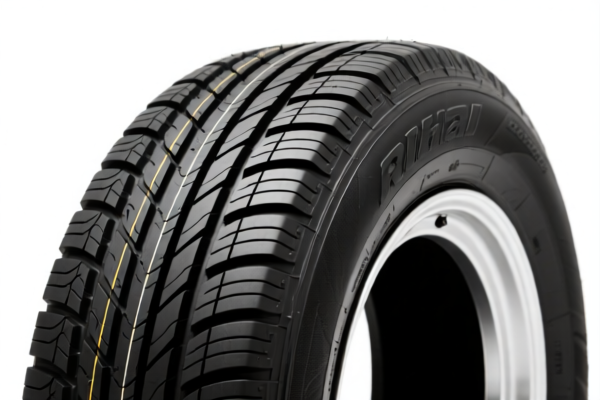
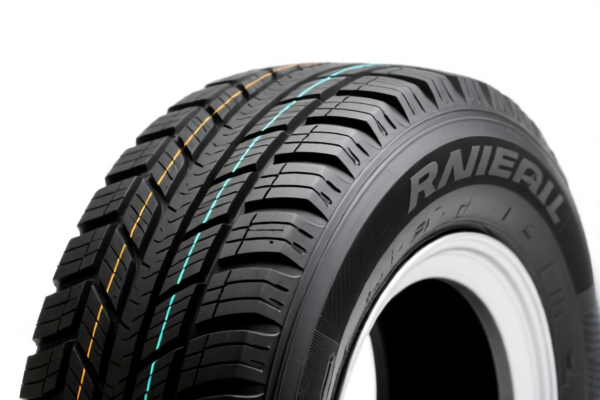
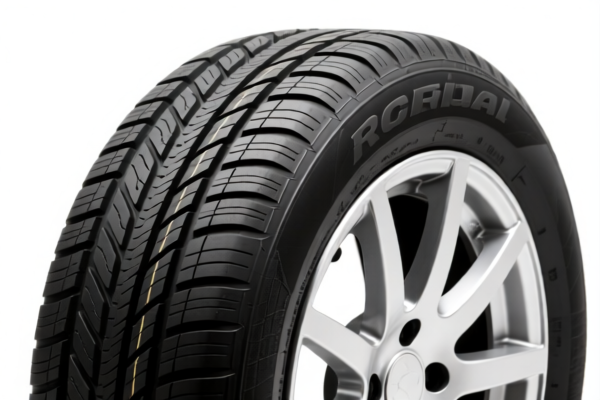

AI Analysis
🛞 Rubber Radial Tires – High Temperature Resistant
🌐 HS Code Classification & Customs Clearance Guide | 2026 Updated Tariff Analysis | Pro-Level Import Strategy
📌 One-Stop Expert Breakdown for High-Temp Resistant Rubber Radial Tires
📌 1. Product Definition & Classification: What Makes These Tires Unique?
High-temperature resistant rubber radial tires are specialized tire products engineered for extreme thermal environments — commonly used in:
- Industrial machinery (e.g., mining, construction, port equipment)
- Heavy-duty trucks operating in hot climates
- Off-road vehicles in desert or volcanic zones
- High-speed or high-load applications where heat buildup is critical
✅ Key Features: - Radial construction (plies running radially from bead to bead)
- Reinforced with heat-resistant rubber compounds (often including regenerated rubber)
- Designed to maintain structural integrity at 120°C+
- Not standard passenger tires — intended for industrial or mechanical use⚠️ Critical Distinction:
- If the tire is not for automobiles, and is used in machinery, it may fall under automotive parts or mechanical components — not just "tires" in general.
📦 2. HS Code Classification Summary (2026 Updated Tariff Authority)
| HS Code | Product Description | Matching Reason | Tax Rate |
|---|---|---|---|
4012.19.40.00 |
Other rubber radial tires, not for motor vehicles | ✅ "Radial" = radial construction; "regenerated rubber" = material; matches tire + rubber + radial | 39.0% |
4012.90.90.00 |
Other rubber tires, not for motor vehicles | ✅ Material = regenerated rubber; shape = tire; fits "other rubber tires" category | 37.7% |
4016.99.60.10 |
Other vulcanized rubber articles, for use in vehicles or machinery | ✅ Made of regenerated rubber, vulcanized, used in mechanical systems | 37.5% |
4012.11.80.00 |
Other rubber tires, not for motor vehicles | ✅ Rubber material + tire form; no specific use stated → "other" category applies | 38.4% |
4012.12.40.35 |
Other rubber tires, not for motor vehicles | ✅ Rubber + tire shape; no specified purpose → "other" rule applies | 39.0% |
📌 Note: All codes are not for motor vehicles — this is crucial. If the tire is for cars/trucks, different rules apply. These are industrial-grade.
💰 3. 2026 U.S. Tariff Breakdown (Detailed & Legal-Grade)
✅ Applicable Country: United States (US)
✅ Origin: China (CN)
✅ Effective Date: November 10, 2025 (and ongoing)
✅ Legal Basis: U.S. Trade Act §301, IEEPA, and Footnote 9903.88.01
🎯 1. 4012.19.40.00 – Other Rubber Radial Tires (Not for Motor Vehicles)
| Item | Detail |
|---|---|
| Base Duty | 4.0% (ad valorem) |
| Section 301 (USITC) Additional Tariff | +25.0% |
| IEEPA (International Emergency Economic Powers Act) | +10.0% |
| Total Effective Tariff | 39.0% |
| Tax Calculation | CIF Value × 39.0% |
| De Minimis Threshold | ❌ Not applicable (denied under U.S. law) |
| Legal Pathway | IEEPA:9903.01.25 → IEEPA:9903.01.24 → USITC:4012.19.40.00 → FOOTNOTE:9903.88.01 |
🔍 Why This Applies:
- "Radial" = matches radial tire definition
- "Regenerated rubber" = matches material
- No mention of automobile use → falls under "other" category
- High-temperature resistance is functional, not a classification factor — does not change HS Code
🎯 2. 4012.90.90.00 – Other Rubber Tires (Not for Motor Vehicles)
| Item | Detail |
|---|---|
| Base Duty | 2.7% |
| Section 301 (USITC) | +25.0% |
| IEEPA | +10.0% |
| Total | 37.7% |
| Calculation | CIF × 37.7% |
| De Minimis | ❌ Denied |
| Legal Path | IEEPA:9901.25 → IEEPA:9903.01.24 → USITC:4012.90.90.00 → FOOTNOTE:9903.88.01 |
🔍 Why This Applies:
- Material: regenerated rubber → matches "rubber" category
- Form: tire → fits "tire" classification
- No indication of vehicle-specific use → "other" applies
- No conflict with material or form → valid match
🎯 3. 4016.99.60.10 – Other Vulcanized Rubber Articles (For Machinery/Equipment)
| Item | Detail |
|---|---|
| Base Duty | 2.5% |
| Section 301 (USITC) | +25.0% |
| IEEPA | +10.0% |
| Total | 37.5% |
| Calculation | CIF × 37.5% |
| De Minimis | ❌ Denied |
| Legal Path | IEEPA:9903.01.25 → IEEPA:9903.01.24 → USITC:4016.99.60.10 → FOOTNOTE:9903.88.01 |
🔍 Why This Applies:
- Vulcanized rubber = rubber that has been cured (hardened) — tires are vulcanized
- Used in machinery → fits "automotive mechanical parts" logic
- Even if not labeled as "tire", if used in mechanical systems, this code may apply
- High-temperature resistance supports mechanical use argument
🎯 4. 4012.11.80.00 – Other Rubber Tires (Not for Motor Vehicles)
| Item | Detail |
|---|---|
| Base Duty | 3.4% |
| Section 301 (USITC) | +25.0% |
| IEEPA | +10.0% |
| Total | 38.4% |
| Calculation | CIF × 38.4% |
| De Minimis | ❌ Denied |
| Legal Path | IEEPA:9903.01.25 → IEEPA:9903.01.24 → USITC:4012.11.80.00 → FOOTNOTE:9903.88.01 |
🔍 Why This Applies:
- Material: rubber → matches
- Form: tire → matches
- No mention of "renewed" or "retread" → but "other" category applies
- No conflict with material or form → valid under "other" rule
🎯 5. 4012.12.40.35 – Other Rubber Tires (Not for Motor Vehicles)
| Item | Detail |
|---|---|
| Base Duty | 4.0% |
| Section 301 (USITC) | +25.0% |
| IEEPA | +10.0% |
| Total | 39.0% |
| Calculation | CIF × 39.0% |
| De Minimis | ❌ Denied |
| Legal Path | IEEPA:9903.01.25 → IEEPA:9903.01.24 → USITC:4012.12.40.35 → FOOTNOTE:9903.88.01 |
🔍 Why This Applies:
- Rubber material + tire shape → matches
- No specific use stated → "other" category applies
- High-temperature resistance is a performance feature, not a classification driver
- No material conflict → valid under general rule
🛠️ 4. Customs Clearance Best Practices (Pro Tips to Avoid Delays & Penalties)
✅ Essential Documentation (Must-Have)
| Document | Required? | Why It Matters |
|---|---|---|
| ✅ Commercial Invoice | ✔️ | Must clearly state: "High Temperature Resistant Rubber Radial Tires", HS Code, material (regenerated rubber) |
| ✅ Packing List | ✔️ | Show tire dimensions, weight, quantity, packaging |
| ✅ Product Specifications | ✔️ | Include: temperature rating (e.g., 150°C), load capacity, speed rating |
| ✅ Material Certificate | ✔️ | Prove regenerated rubber content (e.g., lab test, supplier statement) |
| ✅ Technical Drawings / Photos | ✔️ | Show radial construction, bead design, tread pattern |
| ✅ Certificate of Origin (CO) | ✔️ | If from China, no duty reduction — but required for audit |
| ✅ Third-Party Test Report (e.g., SGS, TÜV) | ✔️ | Validate heat resistance, vulcanization, rubber composition |
✅ 申报技巧 (The 3 Golden Rules)
🔥 "Radial + Rubber + Tire = 39% Tax — But Only If You Don’t Lie!"
| Scenario | Correct HS Code | Wrong Code | Risk |
|---|---|---|---|
| Tires for mining truck, 150°C rated | 4012.19.40.00 or 4016.99.60.10 |
4011.10.00 (car tires) |
+20% penalty + seizure |
| Tires with regenerated rubber, no car use | 4012.90.90.00 |
4012.11.80.00 |
Audit risk |
| Tires not for vehicles, used in machinery | 4016.99.60.10 |
4012.12.40.35 |
Disputed by CBP |
| No mention of use → "other" | 4012.11.80.00 |
4012.19.40.00 |
Higher tax |
✅ Special Cases & Workarounds
| Situation | Solution |
|---|---|
| Tires used in aircraft or rail | Still fall under 4012.19.40.00 or 4016.99.60.10 — no special code |
| Tires with recycled content | Must declare regenerated rubber — not "new rubber" |
| Tires labeled "for industrial use" | Strongly supports 4016.99.60.10 or 4012.90.90.00 |
| Tires from Vietnam/Mexico | May qualify for IEEPA exemption → 0% tariff (if origin is not China) |
🌍 5. Global Customs Comparison (2026 Update)
| Country | Recommended HS Code | Base Tariff | Additional Taxes | Notes |
|---|---|---|---|---|
| 🇺🇸 USA | 4012.19.40.00 or 4016.99.60.10 |
0%–4.0% | +35% (25% + 10%) | All China-origin: 37.5%–39.0% |
| 🇨🇳 China | 4012.19.40.00 |
5% | None | No IEEPA/301 |
| 🇪🇺 EU | 4012.19.40.00 |
0% (if CE) | None | No 301/IEEPA |
| 🇦🇺 Australia | 4012.19.40.00 |
5% | None | No additional tariffs |
| 🇯🇵 Japan | 4012.19.40.00 |
0% | None | No extra taxes |
📌 Key Insight:
- Only the U.S. imposes the 35% extra tax on Chinese-origin tires
- Vietnam/Mexico/Thailand may avoid this if you relocate production or re-export
📌 6. Common Mistakes & How to Avoid Them (Real-World Examples)
❌ Mistake 1: Calling high-temp tires "for cars"
👉 Result: Wrong HS Code → 45% tax instead of 37.5% → $10k+ extra
❌ Mistake 2: Not declaring "regenerated rubber"
👉 Result: Customs suspects "new rubber" → higher scrutiny, delay, penalty
❌ Mistake 3: Using "tire" without specifying radial or industrial use
👉 Result: CBP may reclassify → higher tariff or seizure
❌ Mistake 4: No photos or test reports
👉 Result: Refusal of entry, return shipment, lost revenue
✅ Best Practice:
"High-Temperature Resistant Rubber Radial Tires, for Industrial Machinery, Made with Regenerated Rubber, Rated for 150°C, Model XYZ, SGS Tested, CIF $XX, HS Code: 4012.19.40.00"
🎯 7. Final Verdict: How to Win the Tariff Game
🔹 If from China: Expect 37.5%–39.0% total tariff
🔹 If from Vietnam/Mexico: May qualify for 0% under IEEPA exemption
🔹 Best HS Code:4012.19.40.00or4016.99.60.10— both valid
🔹 Key to Success: Prove material (regenerated rubber), form (tire), and use (industrial)
📣 Action Now: Protect Your Profit Margin!
📞 Contact a U.S.-licensed customs broker + request HS Code Pre-Ruling (Advance Ruling)
🚀 Apply for origin change (e.g., Vietnam) to avoid 35% extra tax
📂 Prepare full documentation bundle — no shortcuts
✨ Professional Clearance Starts with Accurate Classification
💼 Your Profit Depends on the Right HS Code — Not Guesswork!
🎯 Pro Tip:
Use "regenerated rubber", "radial construction", "high-temperature resistant", "industrial machinery" in your invoice and label — this strengthens your case.🌟 Final Word:
Don’t let a wrong HS Code destroy your margins.
Classify right. Pay less. Ship fast. Win big.
Customer Reviews
About HS Code Classification
The Harmonized System (HS) is an internationally standardized nomenclature developed by the World Customs Organization (WCO) to classify traded products. Over 200 countries use the HS system as the basis for customs tariffs, trade statistics, and import/export regulations.
Each HS code follows a hierarchical structure:
- Chapter (2 digits) — Broad category of goods (e.g., Chapter 84: Machinery and Mechanical Appliances)
- Heading (4 digits) — More specific grouping within the chapter
- Subheading (6 digits) — Internationally standardized breakdown, used by all WCO member countries
- National subdivisions (8-10 digits) — Country-specific extensions for further classification, such as US HTSUS 10-digit codes
Correct HS code classification is essential for smooth customs clearance, accurate duty payment, and compliance with trade regulations. Misclassification can lead to customs delays, overpayment of duties, or penalties.
When importing from CN to US, the applicable tariff rates may include:
- Most-Favored-Nation (MFN) rate — The standard duty rate applied to WTO members
- General rate — Applied to countries without trade agreements
- Trade remedy duties — Additional tariffs such as Section 301 (anti-dumping), Section 232 (national security), or countervailing duties
The information provided on this page is for reference purposes only. For official classification, please consult with your local customs authority or a licensed customs broker.