Rubber Wear Resistant Gloves
CN → US| HS编码 | 关税税率 | 原产国 | 目的国 | 文档 |
|---|---|---|---|---|
| 6216002600 | 24.5% | CN | US | 官方文档 |
| 4015195100 | 49.0% | CN | US | 官方文档 |
| 6216000500 | 17.5% | CN | US | 官方文档 |
| 4015191150 | 38.0% | CN | US | 官方文档 |
| 4015129000 | 49.0% | CN | US | 官方文档 |
商品图片
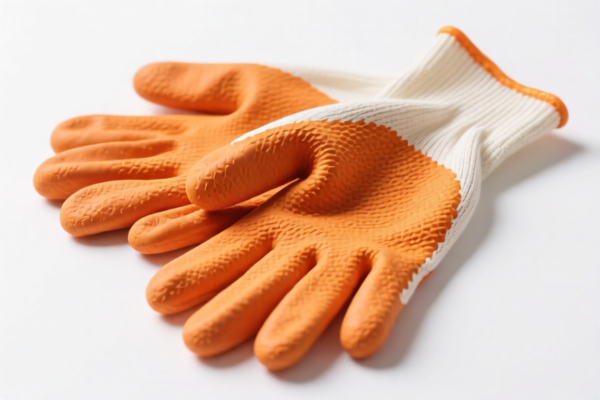
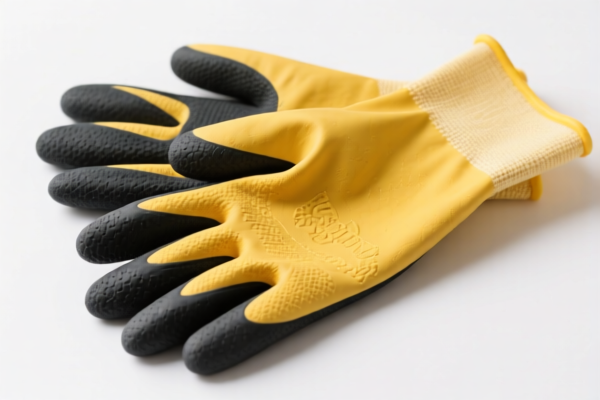
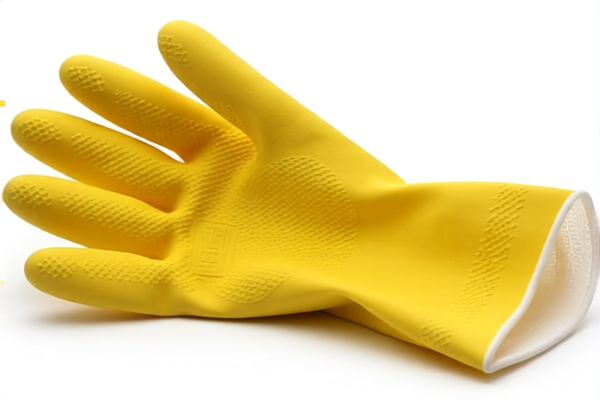
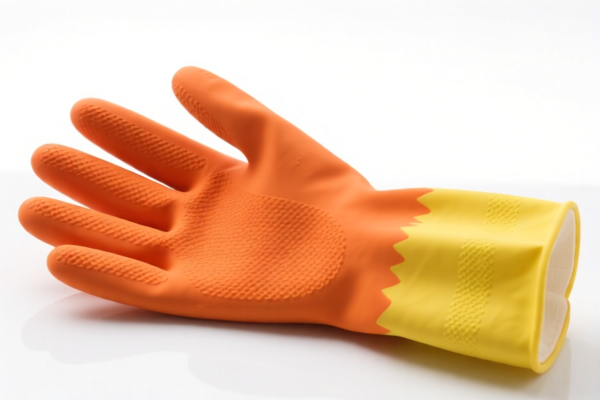
AI分析
🧤 Rubber Wear-Resistant Gloves: HS Code Classification & 2026 US Customs Clearance Guide
🌐 HS Code Reference & Clearance Strategy | 2026 Latest Tariff Analysis | Professional Compliance
📌 I. Product Definition & Classification: What Exactly Are "Rubber Gloves"?
Rubber gloves, while seemingly simple, are strictly categorized in international trade based on material composition (vulcanized vs. unvulcanized) and specific end-use (protective vs. accessory). Misclassification can lead to massive tax disparities or customs seizures.
1. Unvulcanized Rubber Gloves (General/Protective)
Material: Natural or synthetic rubber, not chemically cross-linked (vulcanized).
Typical Use: Household cleaning, basic hygiene, industrial handling where chemical resistance is key but heat resistance is not.
Key HS Chapter: Chapter 62 (Articles of apparel and clothing accessories, knitted or crocheted; note: rubber gloves often fall here if not specified as vulcanized or Chapter 40). Correction based on provided data: The data places unvulcanized/general rubber gloves under HS 6216*.
2. Vulcanized Rubber Gloves (Protective/Industrial)
Material: Rubber that has been cured (vulcanized) with heat and pressure to increase durability and elasticity.
Typical Use: Medical surgical gloves, heavy-duty industrial protection, chemical handling.
Key HS Chapter:* Chapter 40 (Rubber and articles thereof).
⚠️ Critical Distinction Point:
- If the glove is described as "Vulcanized Rubber" and used as "Protective Gear" → It falls under Chapter 40 (e.g., 4015).
- If the glove is "Rubber Material" (general/unvulcanized context in the provided data) for "Gloves" without specifying vulcanization → It falls under Chapter 62 (e.g., 6216) in this specific dataset context.
- The biggest risk: Misidentifying a vulcanized protective glove as a general rubber glove can change the tariff from ~17.5% to 49%.
📦 II. HS Code Classification Details (Based on Provided Data)
| HS Code | Product Description (From Data) | Application/Context | Material/Nature |
|---|---|---|---|
6216.00.26.00 |
Rubber material, for gloves, meets code requirements | General rubber gloves | Unvulcanized/General Rubber |
4015.19.51.00 |
Vulcanized rubber material, for apparel accessories (gloves) | Fashion/Accessory Gloves | Vulcanized Rubber |
6216.00.05.00 |
Rubber material, for protective gloves | Industrial/Medical Protection | General Rubber (Protective) |
4015.19.11.50 |
Vulcanized rubber material, form is gloves, judged under other categories | Specialized/Other Category | Vulcanized Rubber |
4015.12.90.00 |
Rubber material, for gloves, based on fallback principle for other categories | Catch-all for Rubber Gloves | Rubber (General/Fallback) |
🔍 Key Insight:
- The dataset contains two distinct chapters: 62 (Apparel/Clothing Accessories) and 40 (Rubber Articles).
- HS 6216 codes generally carry lower tariffs (17.5% - 24.5%).
- HS 4015 codes carry significantly higher tariffs (38% - 49%).
- Why? Chapter 40 items are often treated as "Specialized Rubber Articles" with higher scrutiny and higher base duties.
💰 III. 2026 Latest Tariff Rate Breakdown (US Market)
✅ Applicable Country: USA
✅ Origin: China (CN)
✅ Effective Time: 2025/2026 (Subject to Section 301 & IEEPA updates)
🎯 1. 6216.00.05.00 — Rubber Protective Gloves (Lowest Tariff Option)
| Item | Detail |
|---|---|
| Base Duty | 0.0% |
| Section 301 Additional Duty | 7.5% |
| IEEPA / Section 122 Duty | 10.0% |
| Total Effective Rate | 17.5% |
| De Minimis Eligibility | ❌ No (Section 301 goods usually exclude 8000.00 exemption) |
| Legal Basis | Base 0% + 301 (7.5%) + IEEPA (10%) |
📌 Explanation:
- This is the most tax-efficient code in the provided list.
- The base duty is 0%, but the 17.5% total still applies.
- Crucial: The product must clearly be classified as "protective gloves" under Chapter 62, not Chapter 40.
🎯 2. 6216.00.26.00 — General Rubber Gloves
| Item | Detail |
|---|---|
| Base Duty | 7.0% |
| Section 301 Additional Duty | 7.5% |
| IEEPA / Section 122 Duty | 10.0% |
| Total Effective Rate | 24.5% |
| De Minimis Eligibility | ❌ No |
| Legal Basis | Base 7% + 301 (7.5%) + IEEPA (10%) |
📌 Explanation:
- Slightly higher base duty than6216.00.05.00.
- Total 24.5% is still lower than any Chapter 40 option.
🎯 3. 4015.19.51.00 — Vulcanized Rubber Apparel Accessories
| Item | Detail |
|---|---|
| Base Duty | 14.0% |
| Section 301 Additional Duty | 25.0% |
| IEEPA / Section 122 Duty | 10.0% |
| Total Effective Rate | 49.0% |
| De Minimis Eligibility | ❌ No |
| Legal Basis | Base 14% + 301 (25%) + IEEPA (10%) |
📌 Explanation:
- High Risk Code.
- The 25% Section 301 duty is the driver.
- Only use if the glove is explicitly an apparel accessory (e.g., fashion glove) and vulcanized.
🎯 4. 4015.19.11.50 — Other Vulcanized Rubber Gloves
| Item | Detail |
|---|---|
| Base Duty | 3.0% |
| Section 301 Additional Duty | 25.0% |
| IEEPA / Section 122 Duty | 10.0% |
| Total Effective Rate | 38.0% |
| De Minimis Eligibility | ❌ No |
| Legal Basis | Base 3% + 301 (25%) + IEEPA (10%) |
📌 Explanation:
- Lower base duty (3%) but still hit by the 25% Section 301.
- Total 38.0%.
🎯 5. 4015.12.90.00 — Fallback Rubber Gloves
| Item | Detail |
|---|---|
| Base Duty | 14.0% |
| Section 301 Additional Duty | 25.0% |
| IEEPA / Section 122 Duty | 10.0% |
| Total Effective Rate | 49.0% |
| De Minimis Eligibility | ❌ No |
| Legal Basis | Base 14% + 301 (25%) + IEEPA (10%) |
📌 Explanation:
- The highest tariff option.
- Use only if no other classification fits.
- Avoid if possible.
🛠️ IV. Customs Clearance Practical Advice (Avoid Pitfalls)
✅ 1. Documentation Checklist (Must-Have)
| Document | Required? | Notes |
|---|---|---|
| Product Specification Sheet | ✔️ | Must specify: Material (Vulcanized vs. Unvulcanized), Hardness, Thickness. |
| Material Safety Data Sheet (MSDS) | ✔️ | For chemical resistance claims. |
| Commercial Invoice | ✔️ | Clearly state "Rubber Gloves" and intended use (Protective vs. Fashion). |
| Bill of Lading | ✔️ | Ensure packaging details match invoice. |
| Certificate of Origin | ✔️ | Proof of Chinese origin triggers Section 301. |
| FDA Registration (if applicable) | ✔️ | If for medical/surgical use, FDA 510(k) or registration may be needed. |
✅ 2. Declaration Tips (Golden Rules)
🔥 "Define Material, Define Use, Avoid 'Vulcanized' unless Necessary!"
| Scenario | Recommended HS Code | Tariff Rate | Risk Level |
|---|---|---|---|
| General Household/Cleaning Gloves | 6216.00.05.00 |
17.5% | ✅ Low |
| Industrial Protective Gloves (Non-Medical) | 6216.00.05.00 |
17.5% | ✅ Low |
| Fashion/Decorative Rubber Gloves | 4015.19.51.00 |
49.0% | ⚠️ High |
| Medical/Surgical Vulcanized Gloves | 4015.12.90.00 or 4015.19.11.50 |
38-49% | ⚠️ High |
📌 Strategic Advice:
- If the glove is not for medical/surgical use, try to justify classification under HS 6216 (Chapter 62) rather than HS 4015 (Chapter 40).
- Chapter 62 codes have 0% or 7% base duties, while Chapter 40 codes start at 3% or 14%.
- The 25% Section 301 duty applies to both, so the base duty difference is the main lever for savings.
✅ 3. Special Circumstances
| Situation | Handling Advice |
|---|---|
| OEM/Private Label | Ensure invoice reflects true manufacturer. Mislabeling origin can lead to penalties. |
| Mixed Shipments | If gloves are mixed with other rubber articles, declare separately. Do not bundle. |
| Section 301 Exclusion | Check if your specific HS Code was removed from the exclusion list. Most rubber gloves are not exempt. |
| Anti-Dumping/Countervailing Duties (AD/CVD) | Check for additional AD/CVD orders on rubber gloves from China. |
🌍 V. Global Market Comparison (2026 Outlook)
| Region | Recommended HS Code | Approx. Tariff (China Origin) | Notes |
|---|---|---|---|
| 🇺🇸 USA | 6216.00.05.00 |
17.5% | Best Option. High scrutiny on Chapter 40. |
| 🇪🇺 EU | 4015.19.00 |
0-6.5% | No Section 301. Lower overall cost. |
| 🇨🇳 China | 4015.19.00 |
10-15% | Import tax on finished goods. |
| 🇯🇵 Japan | 4015.19.00 |
5-10% | FTCA benefits may apply if origin rules met. |
📌 Conclusion for US Importers:
- USA is the most expensive market for rubber gloves due to Section 301 and IEEPA tariffs.
- Optimize for HS 6216.00.05.00 (17.5%) if the product qualifies as "protective gloves" under Chapter 62.
- Avoid HS 4015 unless the product is strictly defined as "vulcanized rubber apparel accessories" or medical devices.
📌 VI. Common Mistakes & Pitfalls
❌ Mistake 1: Classifying vulcanized gloves under HS 6216.
👉 Result: Customs will reclassify to HS 4015, triggering 38-49% tariffs.
👉 Fix: Clearly state "Unvulcanized" or "Rubber Material" in description if applicable.
❌ Mistake 2: Using HS 4015.12.90.00 for general rubber gloves.
👉 Result: Unjustified 49% tariff.
👉 Fix: Use HS 6216.00.05.00 for general protective gloves.
❌ Mistake 3: Ignoring Section 301 implications.
👉 Result: Underestimating landed cost.
👉 Fix: Factor in 7.5-25% additional duty on top of base rate.
🎯 VII. Conclusion: Smart Classification Saves Money!
🎯 Key Takeaway:
🔹 "Chapter 62 is Cheaper than Chapter 40!"
🔹 "Protective Gloves = 17.5% (Best Case)"
🔹 "Vulcanized/Fashion Gloves = 38-49% (High Cost)"
🔹 "Always verify Vulcanization Status!"
📌 Pro Tip:
If your gloves are not medical/surgical, consider:
1. Requesting Material Certificates to prove they are unvulcanized or fall under general rubber articles.
2. Using HS 6216.00.05.00 to save 20-31% in duties.
3. Consulting a Customs Broker for an Advance Ruling if uncertain.
📣 Immediate Action:
📞 Review your Product Data Sheet → Verify "Vulcanized" status → Choose HS 6216.00.05.00 if possible.
🚀 Save up to 31% in tariffs by choosing the right HS Code!
✨ Precision Classification, Profitable Imports!
💼 Every Percentage Point Counts in Global Trade!
用户评价
关于 HS 编码归类
协调制度(HS)是由世界海关组织(WCO)制定的国际贸易商品分类标准。全球 200 多个国家采用 HS 系统作为海关关税、贸易统计和进出口监管的基础。
每个 HS 编码遵循以下层级结构:
- 章(2 位)——商品大类(例如:第 84 章:机器和机械设备)
- 品目(4 位)——章内的更具体分类
- 子目(6 位)——国际通用细分,所有 WCO 成员国统一使用
- 本国细分(8-10 位)——各国自行扩展的细分编码,如美国 HTSUS 10 位编码
正确的 HS 编码归类对于顺利通关、准确缴纳关税和遵守贸易法规至关重要。错误归类可能导致海关延误、多缴关税或罚款。
从CN进口到US时,适用的关税税率可能包括:
- 最惠国(MFN)税率——适用于 WTO 成员国的标准关税税率
- 普通税率——适用于无贸易协定国家
- 贸易救济关税——附加关税,如 301 条款(反倾销)、232 条款(国家安全)或反补贴税
本页内容仅供参考。如需正式归类,请咨询当地海关或持牌报关代理。