SUV Radial Rubber Tire
CN → US| HS编码 | 关税税率 | 原产国 | 目的国 | 文档 |
|---|---|---|---|---|
| 4011101010 | 39.0% | CN | US | 官方文档 |
| 4011101020 | 39.0% | CN | US | 官方文档 |
商品图片
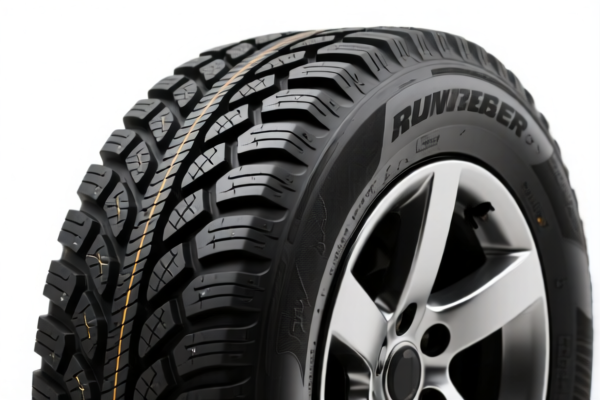
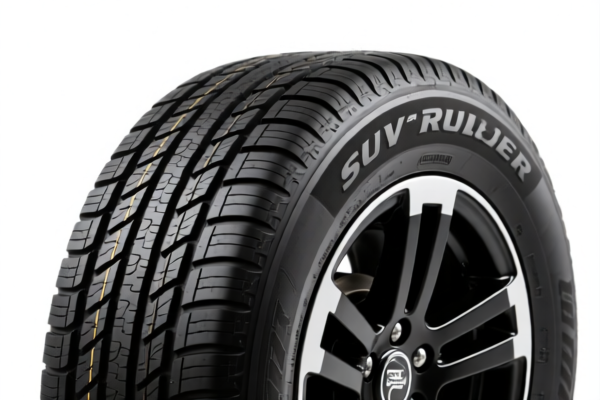
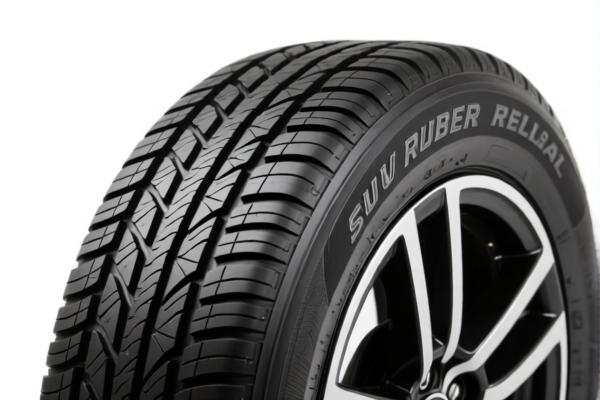
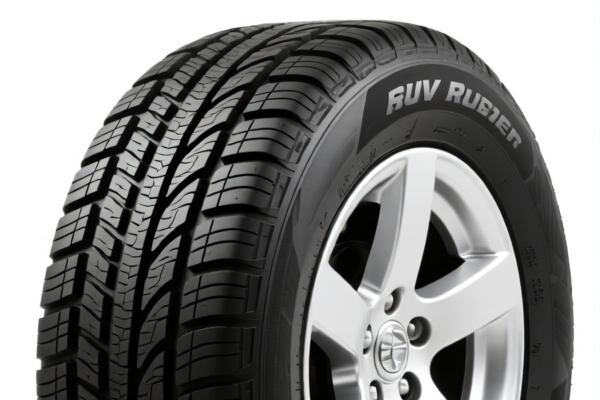
AI分析
🚗 SUV Radial Rubber Tire
🌐 HS Code Reference & Customs Clearance Guide | 2024/2026 Tariff Analysis | Professional Strategy for Import/Export
📌 I. Product Definition & Classification: Do You Really Understand "SUV Radial Tires"?
SUV (Sport Utility Vehicle) tires are critical safety components for passenger vehicles, designed to handle varied terrains while maintaining road stability. In international trade, they are categorized strictly under Chapter 40 (Rubber and Articles Thereof). The classification hinges on three key factors: 1. Material: New pneumatic tires of rubber. 2. Construction: Radial structure (indicated by "R" in tire size, e.g., 225/65R17). 3. Rim Diameter: The precise internal diameter of the rim the tire fits.
⚠️ Key Classification Point:
- If the rim diameter is ≤ 13 inches (33.02 cm) → Use Code 4011.10.10.10
- If the rim diameter is > 13 inches (33.02 cm) but ≤ 14 inches (35.56 cm) → Use Code 4011.10.10.20
- Note: Most standard SUVs use 15, 16, 17, or 18-inch rims. These codes only apply to smaller SUVs/crossovers (often 4x4 off-roaders or classic small SUVs). If your SUV tires are 15"+, they likely fall under a different subheading not listed in the provided data. This guide strictly adheres to the provided DATA.
📦 II. HS Code Classification Details (Based on Provided Data)
| HS Code | Product Description | Applicable Scenario | Rim Diameter Limit |
|---|---|---|---|
4011.10.10.10 |
New pneumatic tires of rubber; of a kind used on motor cars (including station wagons and racing cars); radial; having a rim diameter of 33.02 cm (13 inches) or less | Small SUVs, Crossovers, Classic 4x4s, Compact Off-roaders | ≤ 13 inches |
4011.10.10.20 |
New pneumatic tires of rubber; of a kind used on motor cars (including station wagons and racing cars); radial; having a rim diameter greater than 33.02 cm (13 inches) but not more than 35.56 cm (14 inches) | Mid-size SUVs, Compact Crossovers | > 13 inches AND ≤ 14 inches |
🔍 Critical Reminder:
- The term "SUV" is a marketing term. Customs classifies based on rim diameter and radial construction.
- Both codes specify "Radial" non-pneumatic tires. If the tire is bias-ply (non-radial), it does not fit these codes.
- Do not misclassify based on vehicle type alone. You MUST know the rim diameter.
💰 III. 2024/2026 Tariff Rate Breakdown (Detailed Tax Explanation)
✅ Applicable Region: United States (US)
✅ Origin: China (CN) (Assumed based on typical 29% total tax structure which includes Section 301 tariffs)
✅ Effective Time: Current regulations apply
🎯 1. 4011.10.10.10 —— Radial Tires for Motor Cars (Rim ≤ 13")
| Item | Detail |
|---|---|
| Base Tariff Rate | 4.0% (Ad Valorem) |
| Additional Tariff (Section 301) | +25.0% |
| Total Tariff Rate | 29.0% |
| Tax Calculation | CIF Value × 29.0% |
| Legal Basis | Harmonized Tariff Schedule of the United States (HTSUS) Subheading 4011.10.10.10; U.S. Note 2 to Subchapter III of Chapter 99 (Section 301 Actions) |
📌 Explanation:
- The 4.0% is the standard Most Favored Nation (MFN) duty rate for radial car tires.
- The 25.0% is the retaliatory tariff imposed under Section 301 of the Trade Act of 1974 on Chinese imports.
- Total Cost Impact: For every $10,000 worth of tires, you pay $2,900 in duties. This is a significant cost factor for tire importers.
🎯 2. 4011.10.10.20 —— Radial Tires for Motor Cars (13" < Rim ≤ 14")
| Item | Detail |
|---|---|
| Base Tariff Rate | 4.0% (Ad Valorem) |
| Additional Tariff (Section 301) | +25.0% |
| Total Tariff Rate | 29.0% |
| Tax Calculation | CIF Value × 29.0% |
| Legal Basis | HTSUS Subheading 4011.10.10.20; U.S. Note 2 to Subchapter III of Chapter 99 (Section 301 Actions) |
📌 Explanation:
- Identical tax treatment to the ≤13" category.
- The slight difference in rim diameter (13" to 14") does not alter the tax rate in this specific tariff bracket.
- Consistency: Both categories attract the 29% total duty, simplifying budgeting for importers of small-to-mid-size SUV tires.
🛠️ IV. Customs Clearance Practical Advice (Avoiding Pitfalls)
✅ 1. Required Documentation Checklist
| Document | Mandatory? | Description |
|---|---|---|
| ✅ Commercial Invoice | ✔️ | Must clearly state: "Radial Pneumatic Tires for SUV/Car", Rim Diameter (e.g., "13 inch"), Quantity, Value. |
| ✅ Packing List | ✔️ | Detail per box/bundle. Include tire dimensions and weight. |
| ✅ Bill of Lading/Air Waybill | ✔️ | Standard transport document. |
| ✅ Certification of Origin | ✔️ | If claiming any preferential treatment (though unlikely for China-origin under current 301 tariffs). |
| ✅ Product Specification Sheet | ✔️ | Confirm "Radial" construction. Avoid ambiguity. |
| ✅ DOT Certification | ✔️ | For US market, tires must bear DOT marks. Non-compliance leads to seizure. |
✅ 2. Declaration Tips (Key Mnemonics)
🔥 "Radial? Yes! Rim Size? Exact! Total Tax? 29%!"
| Scenario | Correct Declaration | Incorrect Action | Consequence |
|---|---|---|---|
| Tire is 13-inch radial | 4011.10.10.10 |
Declare as 4011.10.10.20 |
Potential audit if rim size discrepancy found |
| Tire is 14-inch radial | 4011.10.10.20 |
Declare as 4011.10.10.10 |
Underpayment of duties? (Same rate here, but wrong code leads to compliance issues) |
| Tire is 15-inch radial | Not covered in provided DATA | Force into 10-14" code | Major Classification Error → Seizure, fines, penalty |
| Bias-ply tire | Not covered | Declare as Radial | Fraudulent declaration → Heavy penalties |
📌 Warning:
- Do NOT assume all SUV tires fall into these two codes. If your SUV tires are 15 inches or larger, they belong to a different subheading (typically4011.10.20.xxor similar). Forcing them into the 13"-14" codes is a major compliance risk.
- Always verify the actual rim diameter stamped on the tire sidewall (e.g., "R13" means 13-inch rim).
✅ 3. Special Considerations
| Situation | Handling Advice |
|---|---|
| Mixed Shipments | If a shipment contains both ≤13" and 13-14" tires, declare each separately with accurate HS codes. Even if tax is the same, code accuracy is required. |
| Used Tires | Prohibited. These HS codes are for New pneumatic tires. Used tires have different, often banned, regulations. |
| Origin Marking | Ensure tires are marked "Made in China" as per 19 U.S.C. § 1304. Failure to mark can lead to detention. |
🌍 V. Global Market Comparison (2026 Perspective)
| Country/Region | Recommended HS Code (Similar) | Base Tariff | Additional Duties | Notes |
|---|---|---|---|---|
| 🇺🇸 USA | 4011.10.10.10 / .20 |
4.0% | +25.0% (Section 301) | Total 29%. High barrier for Chinese goods. |
| 🇨🇳 China | 4011.10.10.10 / .20 |
~10-15% | None | Lower duty for imports into China. |
| 🇪🇺 EU | 4011.10 |
~4.5% | None | No major retaliatory tariffs on tires from China currently (anti-dumping duties may apply separately). |
| 🇲🇽 Mexico | Varies | 0-10% | Varies | Potential benefits under USMCA if originating. |
| 🇻🇳 Vietnam | Varies | Varies | Varies | Often used for transshipment to avoid US tariffs, but requires substantial transformation. |
📌 Conclusion:
- The 29% total duty in the US is a significant cost driver.
- Importers should explore bonded warehouses, foreign trade zones (FTZs), or supply chain diversification to mitigate this cost.
- Always verify rim diameter. Misclassification beyond the 13"-14" range is the most common error.
📌 VI. Common Mistakes & Pitfalls (Lessons Learned)
❌ Mistake 1: Assuming all "SUV" tires are ≤14 inches.
👉 Consequence: Most modern SUVs use 15"+ rims. Misclassifying 17" tires as 14" tires leads to incorrect HS code, potential fines, and delays.
❌ Mistake 2: Ignoring the "Radial" requirement.
👉 Consequence: Bias-ply tires have different codes. Misclassification results in false declarations.
❌ Mistake 3: Not calculating the full 29% landed cost.
👉 Consequence: Profit margins are wiped out by unexpected duties.
👉 Solution: Factor in 29% duty + merchandise processing fee (MPF) + harbor maintenance fee (HMF) in your pricing model.
✅ Correct Practice:
"Radial Pneumatic Tire, New, For Car/SUV, Rim Diameter 13 Inches, Origin: China, DOT Compliant"
🎯 VII. Conclusion: Precision in Classification Saves Money
🎯 Remember the Golden Rule:
🔹 "Rim Size is King: ≤13" or 13-14"? Use these codes.
🔹 "Radial is Mandatory: Bias-ply gets a different code."
🔹 "Total Tax is 29%: Plan your budget accordingly."📌 Pro Tip:
If your SUV tires are 15 inches or larger, do not use the codes above. They are not applicable. You must find the correct HS code for 15"+ tires (likely under4011.10.20.xxor similar), which may have different tax implications. Consult a customs broker for rims >14".
📣 Immediate Action:
📞 Verify Rim Diameter: Check every tire for "R13" or "R14" stamp.
📝 Accurate Declaration: Use4011.10.10.10for ≤13" and4011.10.10.20for 13-14".
💰 Budget for 29%: Ensure your pricing covers the full duty burden.
✨ Professional clearance starts with accurate HS coding!
💼 Your profit margin depends on it!
用户评价
关于 HS 编码归类
协调制度(HS)是由世界海关组织(WCO)制定的国际贸易商品分类标准。全球 200 多个国家采用 HS 系统作为海关关税、贸易统计和进出口监管的基础。
每个 HS 编码遵循以下层级结构:
- 章(2 位)——商品大类(例如:第 84 章:机器和机械设备)
- 品目(4 位)——章内的更具体分类
- 子目(6 位)——国际通用细分,所有 WCO 成员国统一使用
- 本国细分(8-10 位)——各国自行扩展的细分编码,如美国 HTSUS 10 位编码
正确的 HS 编码归类对于顺利通关、准确缴纳关税和遵守贸易法规至关重要。错误归类可能导致海关延误、多缴关税或罚款。
从CN进口到US时,适用的关税税率可能包括:
- 最惠国(MFN)税率——适用于 WTO 成员国的标准关税税率
- 普通税率——适用于无贸易协定国家
- 贸易救济关税——附加关税,如 301 条款(反倾销)、232 条款(国家安全)或反补贴税
本页内容仅供参考。如需正式归类,请咨询当地海关或持牌报关代理。