Safety Shoes with Plastic Outsole and Metal Toe Cap
CN → US| HS编码 | 关税税率 | 原产国 | 目的国 | 文档 |
|---|---|---|---|---|
| 6403406000 | 18.5% | CN | US | 官方文档 |
| 6403403090 | 15.0% | CN | US | 官方文档 |
| 6401929030 | 55.0% | CN | US | 官方文档 |
| 6402910500 | 16.0% | CN | US | 官方文档 |
商品图片
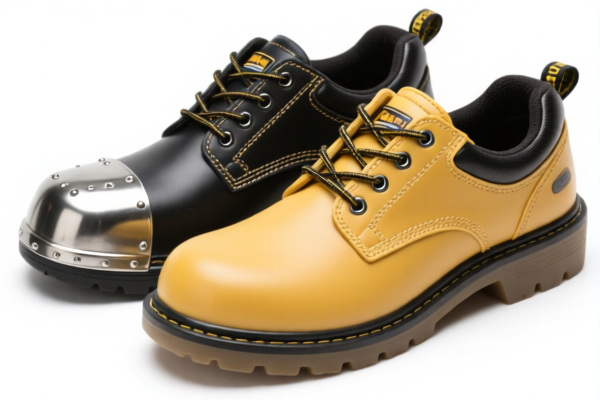
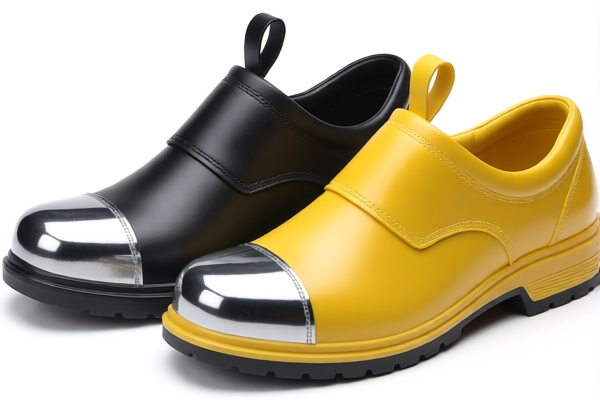
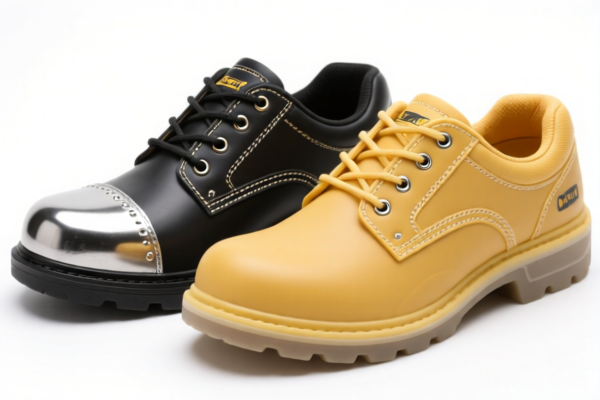
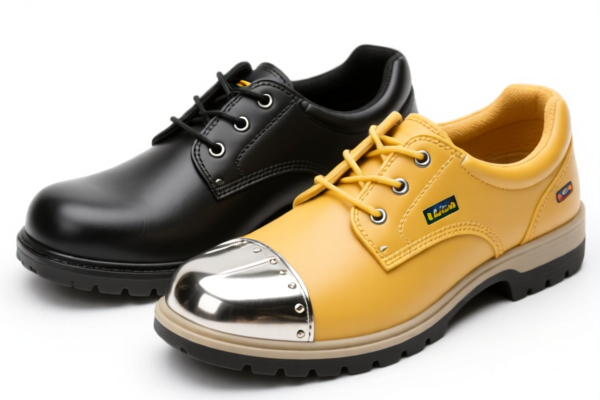
AI分析
👞 Safety Shoes with Plastic Outsole and Metal Toe Cap
🌐 HS Code Reference & Customs Clearance Guide | 2026 Latest Tariff Analysis | Professional Entry Strategy
📌 I. Product Definition & Classification: What Defines "Safety Shoes"?
Safety shoes with a plastic outsole and metal toe cap are protective footwear designed to prevent foot injuries in industrial, construction, and manufacturing environments. The key components driving classification are: 1. Outer Sole: Plastic (Rubber or Plastic are grouped together in Chapter 64). 2. Upper Material: Not explicitly stated as leather, implying plastic, rubber, or synthetic materials. 3. Protective Feature: Steel/Metal Toe Cap (This triggers specific subheadings for "Protective Footwear").
⚠️ Key Distinction Point:
- If the upper is Leather → Different HS codes (Chapter 64.01/64.03).
- If the upper is Plastic/Rubber/Synthetic → Different HS codes (Chapter 64.01/64.02/64.05).
- Critical Factor: The presence of a metal toe cap often requires specific classification under "Safety Footwear" or "Protective Footwear," impacting tax rates significantly due to US-China trade tensions.
📦 II. HS Code Classification Details (2026 Latest Tariff Authority Mapping)
| HS Code | Product Description | Key Features | Total Tax Rate |
|---|---|---|---|
6401.92.90.30 |
Safety shoes with plastic outsole & metal toe cap; inferred plastic upper | Plastic/Rubber Upper + Metal Toe | 55.0% |
6402.91.05.00 |
Rubber or plastic soles & uppers; with protective metal toe cap | Rubber/Plastic Upper + Metal Toe | 16.0% |
6403.40.60.00 |
Plastic safety shoes with steel toe cap; matches metal toe feature | Leather Upper (Inferred) + Metal Toe | 18.5% |
6403.40.30.90 |
Plastic safety shoes with steel toe cap; conforms to metal protective toe cap | Leather Upper (Inferred) + Metal Toe | 15.0% |
🔍 Important Note:
- Chapter 64 covers footwear with outer soles of rubber, plastics, leather, or composition leather.
- Subheading 6403 typically applies to footwear with leather uppers.
- Subheading 6402 applies to footwear with rubber or plastic uppers.
- Subheading 6401 applies to waterproof footwear (often rubber/plastic) with protective features.
- The Metal Toe Cap is a critical classifier that may trigger additional scrutiny under Section 301 tariffs (122 Clause).
💰 III. 2026 Latest Tariff Rate Breakdown (Including Additional Taxes & Policy Surcharges)
✅ Applicable Country: United States (US)
✅ Origin: China (CN)
✅ Effective Date: 2025+ (Subject to current trade policies)
🎯 1. 6401.92.90.30 —— Waterproof Rubber/Plastic Footwear, Plastic Upper, Metal Toe Cap
| Item | Content |
|---|---|
| Base Tariff | 37.5% (Ad Valorem) |
| Section 301 Tariff | +7.5% (USITC Footnote related to China) |
| 122 Clause Tariff | +10.0% (Specific to safety footwear/components from China) |
| Total Tax Rate | 55.0% |
| Tax Calculation | CIF Value × 55.0% |
| De Minimis Eligibility | ❌ No (Deny De Minimis for footwear >$800, or specific exclusions) |
| Legal Basis Path | HTSUS:6401.92.90 → USITC:301 Footnote → 122 Clause: Safety Footwear |
📌 Explanation:
- This is the highest tax bracket among the options.
- It applies if the shoe is classified as waterproof (6401) with a plastic upper.
- The 122 Clause specifically targets safety footwear from China to protect domestic producers.
- Risk: High compliance scrutiny; ensure materials are correctly declared.
🎯 2. 6402.91.05.00 —— Rubber/Plastic Soles & Uppers, Protective Metal Toe Cap
| Item | Content |
|---|---|
| Base Tariff | 6.0% (Ad Valorem) |
| Section 301 Tariff | 0.0% (No additional 301 rate applied in this data) |
| 122 Clause Tariff | +10.0% |
| Total Tax Rate | 16.0% |
| Tax Calculation | CIF Value × 16.0% |
| De Minimis Eligibility | ❌ No |
| Legal Basis Path | HTSUS:6402.91.05 → 122 Clause: Safety Footwear |
📌 Explanation:
- This is the most favorable rate among the options provided.
- It applies if the shoe has rubber or plastic uppers and a metal toe cap.
- The base tariff is low, but the 122 Clause adds a fixed 10% surcharge.
- Recommendation: If the upper is indeed rubber/plastic, this is the optimal classification.
🎯 3. 6403.40.60.00 —— Safety Shoes, Leather Upper, Steel Toe Cap
| Item | Content |
|---|---|
| Base Tariff | 8.5% (Ad Valorem) |
| Section 301 Tariff | 0.0% |
| 122 Clause Tariff | +10.0% |
| Total Tax Rate | 18.5% |
| Tax Calculation | CIF Value × 18.5% |
| De Minimis Eligibility | ❌ No |
| Legal Basis Path | HTSUS:6403.40.60 → 122 Clause: Safety Footwear |
📌 Explanation:
- Applies if the upper material is Leather.
- Base tariff is higher than6402.91, but still lower than6401.92.
- Critical: If the upper is NOT leather, this classification is incorrect and will lead to penalties.
🎯 4. 6403.40.30.90 —— Safety Shoes, Leather Upper, Steel Toe Cap (Other)
| Item | Content |
|---|---|
| Base Tariff | 5.0% (Ad Valorem) |
| Section 301 Tariff | 0.0% |
| 122 Clause Tariff | +10.0% |
| Total Tax Rate | 15.0% |
| Tax Calculation | CIF Value × 15.0% |
| De Minimis Eligibility | ❌ No |
| Legal Basis Path | HTSUS:6403.40.30 → 122 Clause: Safety Footwear |
📌 Explanation:
- Also applies to Leather Upper shoes.
- This is the lowest base tariff (5.0%) among all options, resulting in a 15.0% total rate.
- However, it is only valid if the upper is confirmed to be leather.
- Risk: Misclassification of upper material (e.g., calling synthetic leather "leather") can lead to severe audits.
🛠️ IV. Customs Clearance Practical Advice (Combat-Ready Pitfall Avoidance)
✅ 1. Essential Documentation Checklist (Non-Negotiable)
| Document | Required | Explanation |
|---|---|---|
| ✅ Product Specification Sheet | ✔️ | Must clearly state: Upper Material (Leather vs. Plastic/Rubber), Sole Material, Toe Cap Type (Steel/Metal), and Safety Standards (ASTM F2413, EN ISO 20345). |
| ✅ Material Composition Report | ✔️ | Lab test results proving the upper is Leather, Plastic, or Rubber. Critical for HS Code selection. |
| ✅ Product Photos | ✔️ | Clear images of the toe cap, sole, and upper material. |
| ✅ Safety Certification | ✔️ | ASTM F2413-18 (USA) or EN ISO 20345 (EU) certificates. |
| ✅ Commercial Invoice | ✔️ | Must describe item as "Safety Shoes with Plastic Outsole and Metal Toe Cap" and specify HS Code. |
| ✅ Packing List | ✔️ | Detail number of pairs, weight, and dimensions. |
✅ 2. Declaration Strategy (Key Mantra)
🔥 "Material Defines Code, Toe Cap Defines Tax, Declare Precisely to Save Costs!"
| Scenario | Correct Declaration | Incorrect Action |
|---|---|---|
| Upper is Plastic/Rubber | 6402.91.05.00 (16.0%) |
Declare as Leather → 6403.40.30.90 (15.0%) but penalized for misdeclaration |
| Upper is Leather | 6403.40.30.90 (15.0%) |
Declare as Plastic → 6402.91.05.00 → Audit & Penalty |
| Waterproof Plastic Upper | 6401.92.90.30 (55.0%) |
Try to classify as 6402 → High risk of rejection |
| OEM Safety Shoes | Include OEM Label & Design Specs | Generic description "Shoes" → Customs hold |
✅ 3. Special Cases Handling
| Scenario | Handling Advice |
|---|---|
| Mixed Materials | If upper is 51% leather, it’s still "Leather" under HTSUS rules. Be precise. |
| Composite Soles | If sole is mostly plastic, use 6402. If mostly rubber, use 6402. If waterproof, consider 6401. |
| 122 Clause Exemptions | Check if your specific product type has an exclusion. Generally, safety footwear from China is not exempt. |
| De Minimis (Section 321) | Footwear is generally EXCLUDED from the $800 de minimis threshold for China-origin goods. Plan for full duty payment. |
🌍 V. Global Market Clearance Comparison (2026 Latest)
| Country/Region | Recommended HS Code | Estimated Duty | Certification | Note |
|---|---|---|---|---|
| 🇺🇸 USA | 6402.91.05.00 (Plastic/Rubber Upper) |
16.0% | ASTM F2413 | High scrutiny on material accuracy |
| 🇺🇸 USA | 6403.40.30.90 (Leather Upper) |
15.0% | ASTM F2413 | Lowest duty but strict leather proof |
| 🇨🇳 China | 6402.91.05.00 |
20% | CCC | No 122 Clause |
| 🇪🇺 EU | 6402.99 |
4.2% | CE / EN ISO 20345 | No 122 Clause |
| 🇯🇵 Japan | 6402.91 |
15% | PSE | Varies by exact material |
📌 Conclusion:
- US Market: 122 Clause adds 10% to all footwear from China.
- Cost Optimization: If upper is Plastic/Rubber,6402.91.05.00(16%) is better than6401(55%).
- Material Accuracy: If upper is Leather,6403.40.30.90(15%) is the best rate.
- Avoid6401unless the shoe is explicitly waterproof and made of plastic/rubber, as the 55% rate is prohibitive.
📌 VI. Common Mistakes & Pitfalls (Lessons Learned)
❌ Mistake 1: Assuming "Plastic Outsole" means "Plastic Upper"
👉 Consequence: Misclassifying a Leather-upper shoe as 6402 → Penalty + Back Duties.
❌ Mistake 2: Ignoring the 122 Clause
👉 Consequence: Underestimating cost by 10% → Margin Erosion.
❌ Mistake 3: Claiming De Minimis for China-Origin Footwear
👉 Consequence: Shipment held or rejected. Footwear from China is excluded from $800 de minimis.
❌ Mistake 4: Using Generic Terms "Safety Shoes" without Material Spec
👉 Consequence: Customs requires clarification → Delay in Clearance.
✅ Correct Practice:
"Safety Shoes, ASTM F2413-18 Compliant, Rubber Upper, Rubber Sole, Steel Toe Cap, Model XYZ, Origin: China"
🎯 VII. Conclusion: Precise Classification Saves Money!
🎯 Remember the Mantra:
🔹 "Upper Material Dictates Chapter 64 Subheading; Toe Cap Triggers 122 Clause; China Origin Means No De Minimis!"
🔹 "Plastic/Rubber Upper = 16%, Leather Upper = 15%, Waterproof Plastic = 55%. Choose Wisely!"
📌 Pro Tip:
If your supply chain can shift to Vietnam, Thailand, or Indonesia, you may exempt the 122 Clause and Section 301 tariffs, reducing duties to 0%-6%.
Recommend Pre-Ruling (Advance Ruling) with US CBP for high-volume shipments to ensure HS Code accuracy.
📣 Take Action Now:
📞 Contact a Licensed Customs Broker + Provide Material Test Reports + Apply for CBP Pre-Ruling
🚀 Ensure Compliant Clearance, Cost Efficiency, and Supply Chain Resilience!
✨ Professional Customs Clearance Starts with Accurate Classification!
💼 Every Percent of Duty Saved is Pure Profit!
用户评价
关于 HS 编码归类
协调制度(HS)是由世界海关组织(WCO)制定的国际贸易商品分类标准。全球 200 多个国家采用 HS 系统作为海关关税、贸易统计和进出口监管的基础。
每个 HS 编码遵循以下层级结构:
- 章(2 位)——商品大类(例如:第 84 章:机器和机械设备)
- 品目(4 位)——章内的更具体分类
- 子目(6 位)——国际通用细分,所有 WCO 成员国统一使用
- 本国细分(8-10 位)——各国自行扩展的细分编码,如美国 HTSUS 10 位编码
正确的 HS 编码归类对于顺利通关、准确缴纳关税和遵守贸易法规至关重要。错误归类可能导致海关延误、多缴关税或罚款。
从CN进口到US时,适用的关税税率可能包括:
- 最惠国(MFN)税率——适用于 WTO 成员国的标准关税税率
- 普通税率——适用于无贸易协定国家
- 贸易救济关税——附加关税,如 301 条款(反倾销)、232 条款(国家安全)或反补贴税
本页内容仅供参考。如需正式归类,请咨询当地海关或持牌报关代理。