Sailing Boats
CN → US| HS编码 | 关税税率 | 原产国 | 目的国 | 文档 |
|---|---|---|---|---|
| 8903210030 | 36.5% | CN | US | 官方文档 |
| 8901900000 | 35.0% | CN | US | 官方文档 |
| 8906900010 | 35.0% | CN | US | 官方文档 |
| 8906900090 | 35.0% | CN | US | 官方文档 |
| 8901100000 | 35.0% | CN | US | 官方文档 |
商品图片
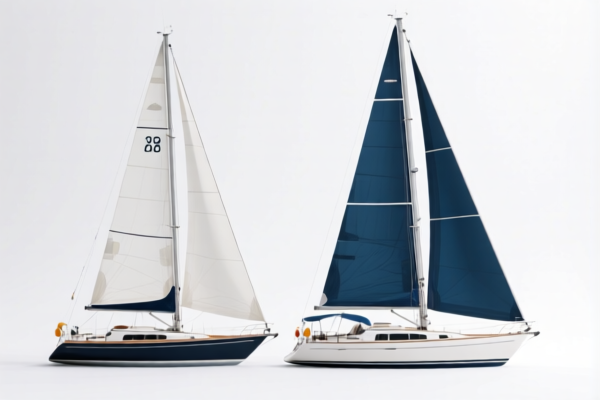
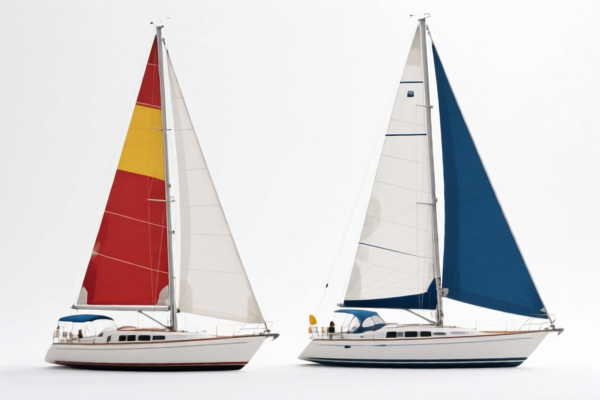
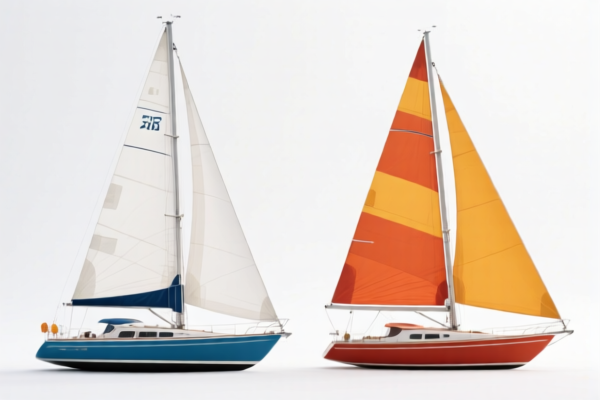
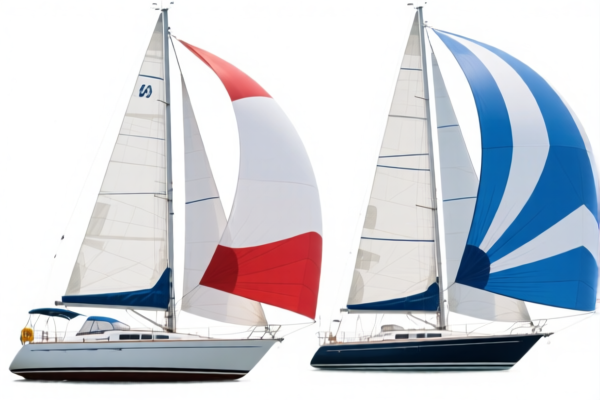
AI分析
🛶 Sailing Boats (Yachts & Sport Vessels)
🌐 HS Code Reference & Customs Clearance Guide | 2026 Latest Tariff Analysis | Professional Clearance Strategy
📌 One, Product Definition & Classification: Do You Really Understand "Sailing Boats"?
A Sailing Boat is a watercraft propelled primarily by wind power using sails. In international trade, its classification is critical because it straddles the line between transportation vessels and leisure/sport equipment. Misclassification can lead to significant tariff differences and clearance delays.
Two Main Categories in Trade: * Leisure/Sport Vessels: Designed exclusively for recreation, racing, or personal entertainment. No cargo capacity for commercial transport. * Transport/General Vessels: While rare for pure sailboats, some may be classified under general ship categories if they lack specific leisure designations or are multi-purpose.
⚠️ Key Distinction:
- If the vessel is explicitly designed for pleasure, sport, or racing → It typically falls under 8903 (Boats for Pleasure or Sport).
- If the vessel is classified broadly as a ship for transport without specific leisure features → It may fall under 8901 (Vessels for the Transport of Persons or Goods).
- If it does not fit specific descriptions above → It may fall under 8906 (Other Ships and Floating Structures).
📦 Two, HS Code Classification Details (Authoritative Reference)
The following HS Codes are derived from the provided data. Each represents a potential classification path depending on the vessel's specific design intent and documentation.
| HS Code | Product Description | Summary & Logic | Total Tax Rate |
|---|---|---|---|
8903.21.00.30 |
Boats for Pleasure or Sport | Best Match for Recreational Sailboats. Clearly defined as vessels for entertainment or sports. Matches the form and use case perfectly. | 36.5% |
8901.90.00.00 |
Vessels for Transport of Persons/Goods | Classified as "other ships/vessels" for transport. Fits if the boat is viewed primarily as a transport vehicle rather than pure sport equipment. | 35.0% |
8906.90.00.10 |
Other Ships | A catch-all category for ships that do not fit specific headings. Used if the sailing boat doesn't meet strict "pleasure" or "transport" definitions. | 35.0% |
8906.90.00.90 |
Other Ships (Unspecified) | Similar to 8906.90.00.10, but for vessels not specifically designated elsewhere. Classified as "other ships" not specifically named. | 35.0% |
8901.10.00.00 |
Vessels for Transport (General) | Broad category for vessels transporting persons or goods. Fits if the sailing boat is deemed a general transport vessel. | 35.0% |
🔍 Critical Insight:
-8903.21.00.30carries a 1.5% Base Tariff but results in a 36.5% Total Tax.
-8901and8906codes carry a 0.0% Base Tariff but result in a 35.0% Total Tax.
- Although the base tariff is lower for8901/8906, the total landed cost is still very high due to additional taxes. The choice depends on whether the vessel is legally defined as "Sport" (8903) or "Transport/Other" (8901/8906).
💰 Three, 2026 Latest Tariff Rate Breakdown (Detailed Tax Analysis)
✅ Applicable Context: Based on the provided tax details (likely US import from China, given the "Section 122" and "25% surcharge" structure).
✅ Components: Base Tariff + Surcharge (25%) + Section 122 Tariff (10%).
🎯 1. 8903.21.00.30 — Boats for Pleasure or Sport (Sailing)
| Tax Component | Rate | Description |
|---|---|---|
| Base Tariff | 1.5% | Standard MFN tariff for boats for pleasure/sport. |
| Surcharge | 25.0% | Additional tariff (e.g., Section 301 or similar trade remedy). |
| Section 122 Tariff | 10.0% | Specific additional levy mentioned in data. |
| Total Tax | 36.5% | Sum of all above. |
| Calculation | CIF Value × 36.5% |
📌 Explanation:
- This classification is the most accurate for pure recreational sailing boats.
- However, it bears the highest total tax rate (36.5%).
- The base rate is slightly higher than transport categories, but the additional taxes are standard across all listed codes.
🎯 2. 8901.90.00.00, 8906.90.00.10, 8906.90.00.90, 8901.10.00.00 — Transport/Other Ships
| Tax Component | Rate | Description |
|---|---|---|
| Base Tariff | 0.0% | No base duty for these broader ship categories. |
| Surcharge | 25.0% | Same additional tariff as above. |
| Section 122 Tariff | 10.0% | Same specific levy as above. |
| Total Tax | 35.0% | Sum of all above. |
| Calculation | CIF Value × 35.0% |
📌 Explanation:
- These codes offer a 1.5% saving on the total tax burden (35.0% vs 36.5%).
- Risk: Misclassifying a pure sport yacht as a "transport vessel" (8901) or "other ship" (8906) can lead to customs audits, penalties, or detention if the vessel lacks cargo/transport capabilities.
- Use this only if the vessel has mixed-use capabilities or if legal advice supports a "transport" classification.
🛠️ Four, Customs Clearance Practical Advice (Actionable Strategy)
✅ 1. Documentation Checklist (Must-Have)
| Document | Requirement | Reason |
|---|---|---|
| Commercial Invoice | Clearly state "Sailing Boat" and intended use (Pleasure vs. Transport). | Determines HS Code selection. |
| Product Brochure/Specs | Highlight recreational features (seating, sail type, lack of cargo hold). | Supports classification under 8903 (Pleasure). |
| Bill of Lading | Describe goods accurately (e.g., "Yacht, Sailing, For Personal Use"). | Prevents mismatch with invoice. |
| Proof of Use | Declaration of non-commercial use. | Crucial for avoiding "Transport" classification if aiming for 8903. |
| HS Code Pre-Ruling | Strongly Recommended. | Avoids retrospective classification changes and penalties. |
✅ 2. Classification Strategy
| Scenario | Recommended HS Code | Why? |
|---|---|---|
| Personal Recreational Yacht | 8903.21.00.30 |
Most accurate legal definition. Justifies 36.5% tax. |
| Charter/Lease Vessel | 8901.xxxxxx |
May be considered "transport for hire," risking classification as transport vessel. |
| Experimental/Non-Standard | 8906.90.00.90 |
If it doesn't fit standard pleasure or transport categories. |
🔥 Key Tip:
Do NOT arbitrarily choose8901or8906to save 1.5% if the vessel is purely for sport. Customs authorities often reject "under-declaration" or "misclassification." The risk of audit outweighs the small savings.
✅ 3. Special Considerations
| Issue | Solution |
|---|---|
| Section 122 Tariff | Verify if this specific tariff applies to your origin country and product type. Some exemptions may exist. |
| Kit vs. Complete | If shipped in parts (kit), classification may change. Ensure all parts are declared together. |
| Accessories | Rigging, sails, and navigational equipment should be included in the main declaration, not split. |
🌍 Five, Global Market Comparison (2026 Outlook)
| Market | Preferred HS Code | Est. Total Duty | Notes |
|---|---|---|---|
| USA | 8903.21.00.30 |
36.5% | High additional tariffs (25% + 10%). |
| EU | 8903.21.00.30 |
Low/0% | Generally lower duties on recreational vessels; VAT applies. |
| China | 8903.21.00.30 |
~10-14% | Import duty + VAT; no surcharges like US. |
📌 Conclusion:
- The US market is the most expensive for importing sailing boats due to additional surcharges.
- If exporting to the US, accurate classification is non-negotiable.
- Consider pre-import rulings to lock in the HS Code and avoid surprises.
📌 Six, Common Mistakes & Pitfalls
❌ Mistake 1: Classifying a sport yacht as "Cargo Ship" to avoid higher base tariff.
👉 Consequence: Customs inspection reveals recreational features → Penalties + Back Taxes.
❌ Mistake 2: Ignoring "Section 122" or "Surcharge" details.
👉 Consequence: Underpayment of duties → Hold at Border + Interest.
❌ Mistake 3: Splitting Sailing Boat + Sail Rig into different HS Codes.
👉 Consequence: Increased scrutiny → Delay in Clearance.
✅ Correct Practice:
"Sailing Yacht, 40ft, Fiberglass Hull, For Personal Recreational Use. Model XYZ. Included: Masts, Sails, Rigging."
Declared under:8903.21.00.30
🎯 Seven, Conclusion: Precision Pays Off
🎯 Key Takeaway:
🔹 For pure recreational sailboats,
8903.21.00.30is the safest and most accurate classification.
🔹 Total tax is 36.5% (US).
🔹 Do not risk misclassification for minor savings.
🔹 Always seek an Advance Ruling for high-value vessels.
📌 Pro Tip:
If your sailing boat is originating from Vietnam, Mexico, or Thailand, you may be eligible for tariff exemptions or lower rates. Check FTAs (Free Trade Agreements) before shipping.
📣 Immediate Action:
📞 Consult a licensed customs broker.
📄 Prepare detailed product specs.
🚀 Apply for an Advance Ruling to secure your HS Code and tax rate.
✨ Professional Classification = Smooth Clearance + Predictable Costs!
💼 Don't let shipping costs sink your profit margins!
用户评价
关于 HS 编码归类
协调制度(HS)是由世界海关组织(WCO)制定的国际贸易商品分类标准。全球 200 多个国家采用 HS 系统作为海关关税、贸易统计和进出口监管的基础。
每个 HS 编码遵循以下层级结构:
- 章(2 位)——商品大类(例如:第 84 章:机器和机械设备)
- 品目(4 位)——章内的更具体分类
- 子目(6 位)——国际通用细分,所有 WCO 成员国统一使用
- 本国细分(8-10 位)——各国自行扩展的细分编码,如美国 HTSUS 10 位编码
正确的 HS 编码归类对于顺利通关、准确缴纳关税和遵守贸易法规至关重要。错误归类可能导致海关延误、多缴关税或罚款。
从CN进口到US时,适用的关税税率可能包括:
- 最惠国(MFN)税率——适用于 WTO 成员国的标准关税税率
- 普通税率——适用于无贸易协定国家
- 贸易救济关税——附加关税,如 301 条款(反倾销)、232 条款(国家安全)或反补贴税
本页内容仅供参考。如需正式归类,请咨询当地海关或持牌报关代理。