Sailing Boats
CN → US| HS Code | Tariff Rate | Origin | Destination | Doc |
|---|---|---|---|---|
| 8903210030 | 36.5% | CN | US | Official Doc |
| 8901900000 | 35.0% | CN | US | Official Doc |
| 8906900010 | 35.0% | CN | US | Official Doc |
| 8906900090 | 35.0% | CN | US | Official Doc |
| 8901100000 | 35.0% | CN | US | Official Doc |
Product Images
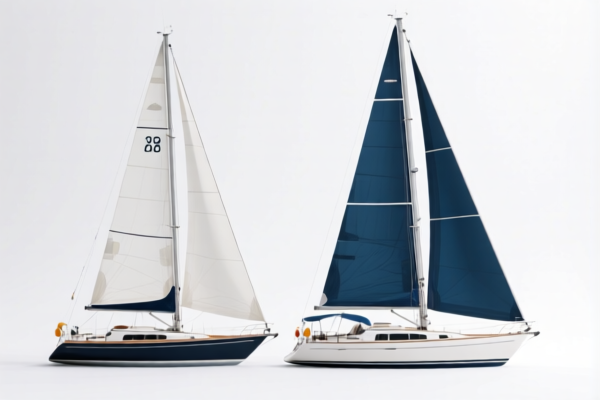
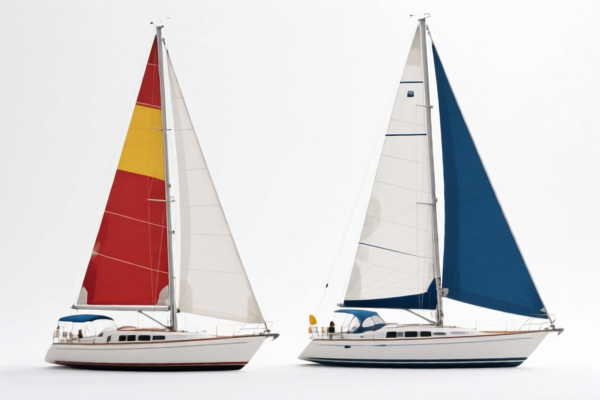
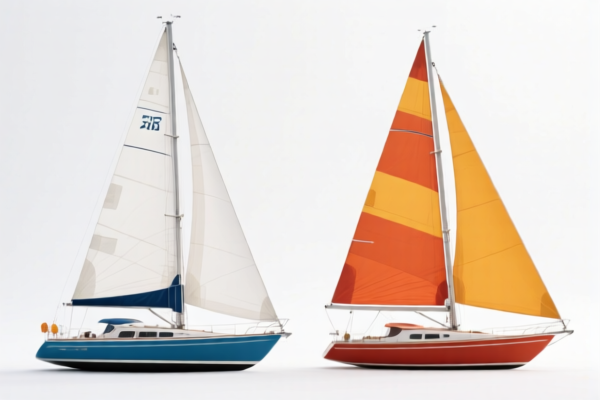
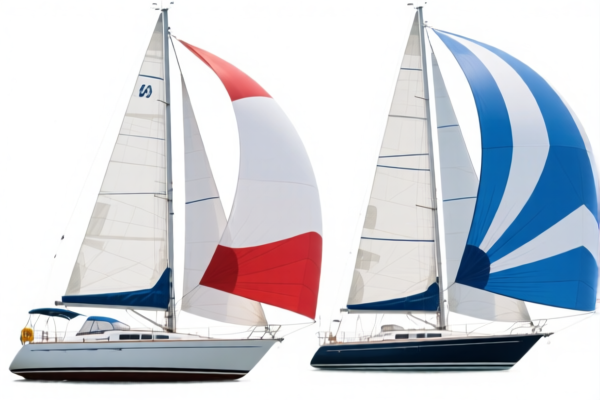
AI Analysis
🛶 Sailing Boats (Yachts & Sport Vessels)
🌐 HS Code Reference & Customs Clearance Guide | 2026 Latest Tariff Analysis | Professional Clearance Strategy
📌 One, Product Definition & Classification: Do You Really Understand "Sailing Boats"?
A Sailing Boat is a watercraft propelled primarily by wind power using sails. In international trade, its classification is critical because it straddles the line between transportation vessels and leisure/sport equipment. Misclassification can lead to significant tariff differences and clearance delays.
Two Main Categories in Trade: * Leisure/Sport Vessels: Designed exclusively for recreation, racing, or personal entertainment. No cargo capacity for commercial transport. * Transport/General Vessels: While rare for pure sailboats, some may be classified under general ship categories if they lack specific leisure designations or are multi-purpose.
⚠️ Key Distinction:
- If the vessel is explicitly designed for pleasure, sport, or racing → It typically falls under 8903 (Boats for Pleasure or Sport).
- If the vessel is classified broadly as a ship for transport without specific leisure features → It may fall under 8901 (Vessels for the Transport of Persons or Goods).
- If it does not fit specific descriptions above → It may fall under 8906 (Other Ships and Floating Structures).
📦 Two, HS Code Classification Details (Authoritative Reference)
The following HS Codes are derived from the provided data. Each represents a potential classification path depending on the vessel's specific design intent and documentation.
| HS Code | Product Description | Summary & Logic | Total Tax Rate |
|---|---|---|---|
8903.21.00.30 |
Boats for Pleasure or Sport | Best Match for Recreational Sailboats. Clearly defined as vessels for entertainment or sports. Matches the form and use case perfectly. | 36.5% |
8901.90.00.00 |
Vessels for Transport of Persons/Goods | Classified as "other ships/vessels" for transport. Fits if the boat is viewed primarily as a transport vehicle rather than pure sport equipment. | 35.0% |
8906.90.00.10 |
Other Ships | A catch-all category for ships that do not fit specific headings. Used if the sailing boat doesn't meet strict "pleasure" or "transport" definitions. | 35.0% |
8906.90.00.90 |
Other Ships (Unspecified) | Similar to 8906.90.00.10, but for vessels not specifically designated elsewhere. Classified as "other ships" not specifically named. | 35.0% |
8901.10.00.00 |
Vessels for Transport (General) | Broad category for vessels transporting persons or goods. Fits if the sailing boat is deemed a general transport vessel. | 35.0% |
🔍 Critical Insight:
-8903.21.00.30carries a 1.5% Base Tariff but results in a 36.5% Total Tax.
-8901and8906codes carry a 0.0% Base Tariff but result in a 35.0% Total Tax.
- Although the base tariff is lower for8901/8906, the total landed cost is still very high due to additional taxes. The choice depends on whether the vessel is legally defined as "Sport" (8903) or "Transport/Other" (8901/8906).
💰 Three, 2026 Latest Tariff Rate Breakdown (Detailed Tax Analysis)
✅ Applicable Context: Based on the provided tax details (likely US import from China, given the "Section 122" and "25% surcharge" structure).
✅ Components: Base Tariff + Surcharge (25%) + Section 122 Tariff (10%).
🎯 1. 8903.21.00.30 — Boats for Pleasure or Sport (Sailing)
| Tax Component | Rate | Description |
|---|---|---|
| Base Tariff | 1.5% | Standard MFN tariff for boats for pleasure/sport. |
| Surcharge | 25.0% | Additional tariff (e.g., Section 301 or similar trade remedy). |
| Section 122 Tariff | 10.0% | Specific additional levy mentioned in data. |
| Total Tax | 36.5% | Sum of all above. |
| Calculation | CIF Value × 36.5% |
📌 Explanation:
- This classification is the most accurate for pure recreational sailing boats.
- However, it bears the highest total tax rate (36.5%).
- The base rate is slightly higher than transport categories, but the additional taxes are standard across all listed codes.
🎯 2. 8901.90.00.00, 8906.90.00.10, 8906.90.00.90, 8901.10.00.00 — Transport/Other Ships
| Tax Component | Rate | Description |
|---|---|---|
| Base Tariff | 0.0% | No base duty for these broader ship categories. |
| Surcharge | 25.0% | Same additional tariff as above. |
| Section 122 Tariff | 10.0% | Same specific levy as above. |
| Total Tax | 35.0% | Sum of all above. |
| Calculation | CIF Value × 35.0% |
📌 Explanation:
- These codes offer a 1.5% saving on the total tax burden (35.0% vs 36.5%).
- Risk: Misclassifying a pure sport yacht as a "transport vessel" (8901) or "other ship" (8906) can lead to customs audits, penalties, or detention if the vessel lacks cargo/transport capabilities.
- Use this only if the vessel has mixed-use capabilities or if legal advice supports a "transport" classification.
🛠️ Four, Customs Clearance Practical Advice (Actionable Strategy)
✅ 1. Documentation Checklist (Must-Have)
| Document | Requirement | Reason |
|---|---|---|
| Commercial Invoice | Clearly state "Sailing Boat" and intended use (Pleasure vs. Transport). | Determines HS Code selection. |
| Product Brochure/Specs | Highlight recreational features (seating, sail type, lack of cargo hold). | Supports classification under 8903 (Pleasure). |
| Bill of Lading | Describe goods accurately (e.g., "Yacht, Sailing, For Personal Use"). | Prevents mismatch with invoice. |
| Proof of Use | Declaration of non-commercial use. | Crucial for avoiding "Transport" classification if aiming for 8903. |
| HS Code Pre-Ruling | Strongly Recommended. | Avoids retrospective classification changes and penalties. |
✅ 2. Classification Strategy
| Scenario | Recommended HS Code | Why? |
|---|---|---|
| Personal Recreational Yacht | 8903.21.00.30 |
Most accurate legal definition. Justifies 36.5% tax. |
| Charter/Lease Vessel | 8901.xxxxxx |
May be considered "transport for hire," risking classification as transport vessel. |
| Experimental/Non-Standard | 8906.90.00.90 |
If it doesn't fit standard pleasure or transport categories. |
🔥 Key Tip:
Do NOT arbitrarily choose8901or8906to save 1.5% if the vessel is purely for sport. Customs authorities often reject "under-declaration" or "misclassification." The risk of audit outweighs the small savings.
✅ 3. Special Considerations
| Issue | Solution |
|---|---|
| Section 122 Tariff | Verify if this specific tariff applies to your origin country and product type. Some exemptions may exist. |
| Kit vs. Complete | If shipped in parts (kit), classification may change. Ensure all parts are declared together. |
| Accessories | Rigging, sails, and navigational equipment should be included in the main declaration, not split. |
🌍 Five, Global Market Comparison (2026 Outlook)
| Market | Preferred HS Code | Est. Total Duty | Notes |
|---|---|---|---|
| USA | 8903.21.00.30 |
36.5% | High additional tariffs (25% + 10%). |
| EU | 8903.21.00.30 |
Low/0% | Generally lower duties on recreational vessels; VAT applies. |
| China | 8903.21.00.30 |
~10-14% | Import duty + VAT; no surcharges like US. |
📌 Conclusion:
- The US market is the most expensive for importing sailing boats due to additional surcharges.
- If exporting to the US, accurate classification is non-negotiable.
- Consider pre-import rulings to lock in the HS Code and avoid surprises.
📌 Six, Common Mistakes & Pitfalls
❌ Mistake 1: Classifying a sport yacht as "Cargo Ship" to avoid higher base tariff.
👉 Consequence: Customs inspection reveals recreational features → Penalties + Back Taxes.
❌ Mistake 2: Ignoring "Section 122" or "Surcharge" details.
👉 Consequence: Underpayment of duties → Hold at Border + Interest.
❌ Mistake 3: Splitting Sailing Boat + Sail Rig into different HS Codes.
👉 Consequence: Increased scrutiny → Delay in Clearance.
✅ Correct Practice:
"Sailing Yacht, 40ft, Fiberglass Hull, For Personal Recreational Use. Model XYZ. Included: Masts, Sails, Rigging."
Declared under:8903.21.00.30
🎯 Seven, Conclusion: Precision Pays Off
🎯 Key Takeaway:
🔹 For pure recreational sailboats,
8903.21.00.30is the safest and most accurate classification.
🔹 Total tax is 36.5% (US).
🔹 Do not risk misclassification for minor savings.
🔹 Always seek an Advance Ruling for high-value vessels.
📌 Pro Tip:
If your sailing boat is originating from Vietnam, Mexico, or Thailand, you may be eligible for tariff exemptions or lower rates. Check FTAs (Free Trade Agreements) before shipping.
📣 Immediate Action:
📞 Consult a licensed customs broker.
📄 Prepare detailed product specs.
🚀 Apply for an Advance Ruling to secure your HS Code and tax rate.
✨ Professional Classification = Smooth Clearance + Predictable Costs!
💼 Don't let shipping costs sink your profit margins!
Customer Reviews
About HS Code Classification
The Harmonized System (HS) is an internationally standardized nomenclature developed by the World Customs Organization (WCO) to classify traded products. Over 200 countries use the HS system as the basis for customs tariffs, trade statistics, and import/export regulations.
Each HS code follows a hierarchical structure:
- Chapter (2 digits) — Broad category of goods (e.g., Chapter 84: Machinery and Mechanical Appliances)
- Heading (4 digits) — More specific grouping within the chapter
- Subheading (6 digits) — Internationally standardized breakdown, used by all WCO member countries
- National subdivisions (8-10 digits) — Country-specific extensions for further classification, such as US HTSUS 10-digit codes
Correct HS code classification is essential for smooth customs clearance, accurate duty payment, and compliance with trade regulations. Misclassification can lead to customs delays, overpayment of duties, or penalties.
When importing from CN to US, the applicable tariff rates may include:
- Most-Favored-Nation (MFN) rate — The standard duty rate applied to WTO members
- General rate — Applied to countries without trade agreements
- Trade remedy duties — Additional tariffs such as Section 301 (anti-dumping), Section 232 (national security), or countervailing duties
The information provided on this page is for reference purposes only. For official classification, please consult with your local customs authority or a licensed customs broker.