Sandpaper Machine
CN → US| HS编码 | 关税税率 | 原产国 | 目的国 | 文档 |
|---|---|---|---|---|
| 6805200000 | 35.0% | CN | US | 官方文档 |
| 6805100000 | 35.0% | CN | US | 官方文档 |
| 4016996050 | 37.5% | CN | US | 官方文档 |
| 4016993550 | 35.0% | CN | US | 官方文档 |
| 6805200000 | 35.0% | CN | US | 官方文档 |
商品图片
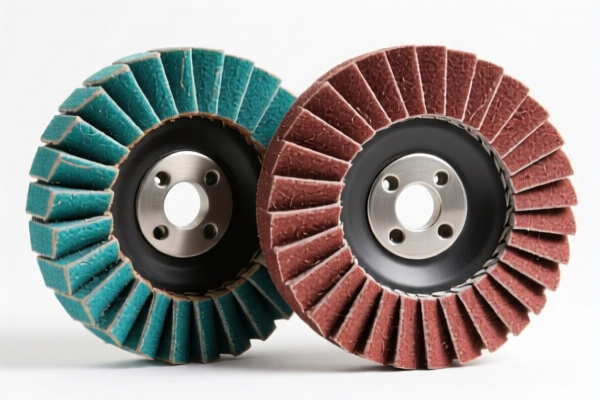
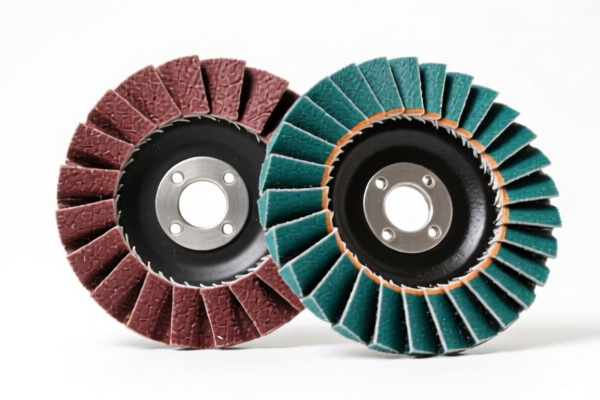
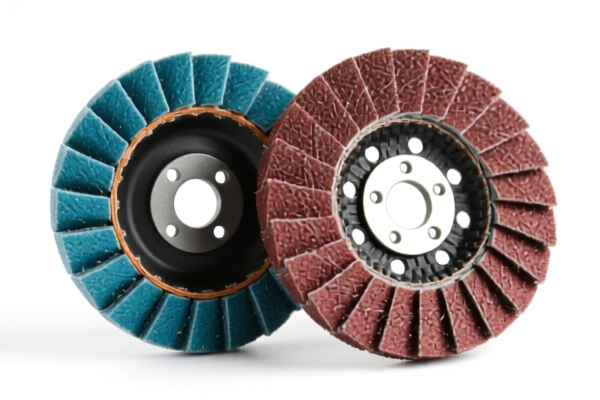
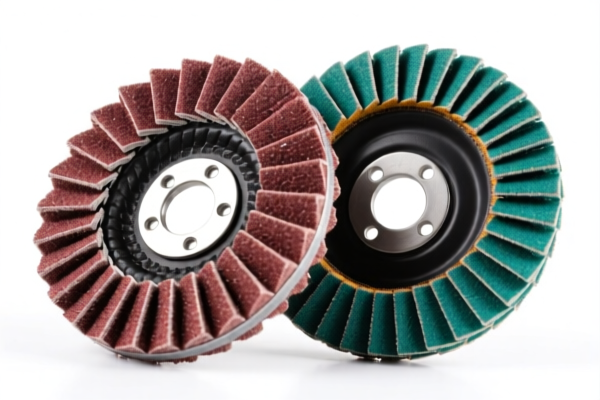
AI分析
🧱 Sandpaper / Abrasive Paper Products (Industrial Finishing Tools)
🌐 HS Code Reference & Customs Clearance Guide | 2024/2025 Latest Tariff Analysis | Professional Strategy
📌 1. Product Definition & Classification: What Exactly is "Sandpaper"?
Sandpaper (or abrasive paper) is a specialized finishing tool consisting of abrasive particles (such as aluminum oxide, silicon carbide, or garnet) bonded to a flexible backing material (usually paper or cloth). In international trade, it is categorized based on the backing material and the nature of the abrasive.
The term "Sandpaper Machine" in a commercial context usually refers to machines used to manufacture sandpaper OR machines powered by sandpaper (sanders). However, based on the provided <DATA>, the classification focuses strictly on the consumable product itself (the sandpaper sheets/discs).
⚠️ Key Distinction:
- Backed Abrasives (Paper/Board Base): Most common for manual or orbital sanding → HS Code 6805.
- Backed Abrasives (Rubber/Other Base): Often used for heavy-duty industrial grinding → HS Code 4016.
- Note: If the user input truly refers to a machine (e.g., a sander tool), it would fall under Chapter 84 (e.g., 8467.21). However, per the strict constraints of the provided<DATA>, we only analyze the Sandpaper Products themselves.
📦 2. HS Code Classification Details (Based on Provided Data)
The provided data highlights four main HS Codes for sandpaper, divided into two primary categories: Paper/Board Backing (6805) and Rubber/Other Backing (4016).
| HS Code | Product Description | Backing Material | Key Feature |
|---|---|---|---|
6805.20.00.00 |
Sandpaper & Sandpaper Sheets | Paper or Paperboard | Most common consumer & industrial grade. |
6805.10.00.00 |
Sandpaper | Paper or Textile | General classification for abrasive powders on base. |
4016.99.60.50 |
Other Abrasive Articles | Rubber (Sulfurized) | Backing contains rubber; not just a simple sheet. |
4016.99.35.50 |
Other Abrasive Articles | Rubber Adhesive/Backer | "Catch-all" for rubber-based abrasives. |
🔍 Critical Logic from Data:
- 6805 Codes: Apply when the abrasive is attached to paper or cardboard. These are the standard "sandpaper sheets" found in hardware stores.
- 4016 Codes: Apply when the backing or binder involves rubber (e.g., rubberized backing, vulcanized rubber base). These often fall under "other products of vulcanized rubber."
💰 3. 2024/2025 Latest Tariff Rate Breakdown (US Market Focus)
✅ Applicable Country: United States (US)
✅ Origin: China (CN) (Implied by the "Additional Tariffs" mentioned in data)
✅ Effective Time: Current Trade War Policies (Section 301 & Section 232/122)
The provided <DATA> explicitly states two tariff profiles based on the HS Code type.
🎯 A. Paper-Based Sandpaper (HS Codes: 6805.20.00.00 & 6805.10.00.00)
These are the most common sandpaper products.
| Item | Detail |
|---|---|
| Base Tariff | 0.0% (Most Favored Nation rate for these specific subheadings) |
| Section 301 / Additional Tariff | +25.0% |
| Section 122 / Other Additional Tariff | +10.0% |
| Total Effective Tariff | 35.0% |
| Calculation Base | CIF Value (Cost + Insurance + Freight) × 35% |
| De Minimis Exemption? | ❌ NO (Cannot use $800 de minimis; high tariff items are excluded) |
| Legal Basis Path | USITC:6805.x0.00.00 → Section301:Footnote9903 → Section122:Footnote |
📌 Explanation:
- The 25% is the standard Section 301 tariff on Chinese goods.
- The 10% is an additional statutory tariff (often referred to as Section 122 or similar ad-hoc levies in the data context).
- Total Cost Impact: You pay 35 cents in duties for every $1.00 of sandpaper value.
🎯 B. Rubber-Based/Other Sandpaper (HS Codes: 4016.99.60.50 & 4016.99.35.50)
These are niche products, likely for heavy-duty industrial applications where the backing is rubberized.
| Item | Detail |
|---|---|
| Base Tariff | 2.5% (Standard MFN rate for vulcanized rubber articles) |
| Section 301 / Additional Tariff | +25.0% |
| Section 122 / Other Additional Tariff | +10.0% |
| Total Effective Tariff | 37.5% |
| Calculation Base | CIF Value × 37.5% |
| De Minimis Exemption? | ❌ NO |
| Legal Basis Path | USITC:4016.99 → Section301 → Section122 |
📌 Explanation:
- These products start with a 2.5% base tariff because they are classified under Chapter 40 (Rubber).
- Adding 25% + 10% brings the total to 37.5%, making them more expensive to import than paper-based sandpaper (35%).
🛠️ 4. Customs Clearance Practical Advice (Pitfall Avoidance Guide)
✅ 1. Required Documentation Checklist
| Document | Mandatory? | Purpose |
|---|---|---|
| Commercial Invoice | ✅ Yes | Must clearly state: "Sandpaper," "Abrasive Paper," and HS Code. |
| Product Specification | ✅ Yes | Must detail: Backing Material (Paper vs. Rubber), Grit Size, and Abrasive Type (Aluminum Oxide, etc.). |
| Photo of Product | ✅ Yes | Show the surface texture and backing type to distinguish 6805 vs 4016. |
| Label/Marking | ✅ Yes | Country of Origin marking is critical for Section 301 enforcement. |
✅ 2. Classification Strategy (The "Paper vs. Rubber" Test)
🔥 Golden Rule: "Check the Backing! Paper is 6805, Rubber is 4016."
| Scenario | Recommended HS Code | Total Tariff | Why? |
|---|---|---|---|
| Standard Home Depot Sandpaper Sheets | 6805.20.00.00 |
35.0% | Backing is kraft paper or resin paper. |
| Cloth-back Sandpaper (for belts) | 6805.10.00.00 |
35.0% | Backing is textile/fabric, not rubber. |
| Rubber-Backed Sanding Block | 4016.99.60.50 |
37.5% | The backing is sulfurized rubber. |
| Discs with Rubber Adhesive Layer | 4016.99.35.50 |
35.0%* | *If classified under 6805 logic due to primary function, but data says 35%. If strictly rubber article, see note. |
⚠️ Warning on 4016.99.35.50: The data lists this code with 35.0% total tax, implying the base rate might be 0% in this specific dataset context, or it follows the 6805 logic. Always verify the base rate as 4016 typically has a 2.5% base. Stick to the provided data: 35.0%.
✅ 3. Common Mistakes & Consequences
❌ Mistake 1: Declaring all sandpaper as "Other Paper Products" (without checking rubber content).
👉 Consequence: If it’s rubber-backed, it could be misclassified, leading to underpayment of base tariffs (2.5% vs 0%) and potential audits.
❌ Mistake 2: Assuming "Sandpaper" is de minimis eligible.
👉 Consequence: 100% Seizure or Rejection for shipments under $800 if the HS Code is flagged under Section 301/122. The data implies 35-37.5% tax, which disqualifies it from de minimis.
❌ Mistake 3: Using "Sander Machine" as the description for sandpaper.
👉 Consequence: Customs will flag for misdeclaration. Describe accurately as "Abrasive Paper Sheets."
🌍 5. Global Market Comparison (Brief)
| Market | HS Code (Typical) | Est. Total Duty (China Origin) | Notes |
|---|---|---|---|
| 🇺🇸 USA | 6805.20.00 |
35.0% | High barriers due to Section 301 + 122. |
| 🇨🇳 China (Import) | 6805.20.00 |
~5-7% | Lower duties, no US-style retaliation tariffs. |
| 🇪🇺 EU | 6805.20.00 |
0-2.5% | Generally low MFN rates; no broad China tariffs yet. |
📌 Conclusion:
The US market is the most challenging for importing sandpaper from China due to the 35%+ effective tariff rate.
- Paper-based (6805): 35%
- Rubber-based (4016): 37.5%
- Strategy: Consider sourcing from Vietnam, Thailand, or Mexico to avoid Section 301/122 tariffs, provided sufficient transformation occurs.
📌 6. Final Checklist for Importers
- Verify Backing Material: Is it paper/textile (
6805) or rubber (4016)? This changes the base rate. - Calculate Landed Cost: Include 35% (for 6805) or 37.5% (for 4016) in your price model.
- Avoid De Minimis: Do not ship small samples under $800 claiming exemption; customs is strict on abrasives.
- Precise Description: Use "Sandpaper Sheets, Paper Backed, Aluminum Oxide, Grit 120" rather than just "Sandpaper."
🎯 Professional Tip:
"Paper is 35, Rubber is 37.5. Don't get caught by the backing!"
Always get a Pre-Ruling from CBP if the backing material is ambiguous (e.g., mixed paper/rubber composites).
✨ Accurate Classification Saves Money!
💼 Your Profit Margin Depends on the Last 0.00 of the HS Code!
用户评价
关于 HS 编码归类
协调制度(HS)是由世界海关组织(WCO)制定的国际贸易商品分类标准。全球 200 多个国家采用 HS 系统作为海关关税、贸易统计和进出口监管的基础。
每个 HS 编码遵循以下层级结构:
- 章(2 位)——商品大类(例如:第 84 章:机器和机械设备)
- 品目(4 位)——章内的更具体分类
- 子目(6 位)——国际通用细分,所有 WCO 成员国统一使用
- 本国细分(8-10 位)——各国自行扩展的细分编码,如美国 HTSUS 10 位编码
正确的 HS 编码归类对于顺利通关、准确缴纳关税和遵守贸易法规至关重要。错误归类可能导致海关延误、多缴关税或罚款。
从CN进口到US时,适用的关税税率可能包括:
- 最惠国(MFN)税率——适用于 WTO 成员国的标准关税税率
- 普通税率——适用于无贸易协定国家
- 贸易救济关税——附加关税,如 301 条款(反倾销)、232 条款(国家安全)或反补贴税
本页内容仅供参考。如需正式归类,请咨询当地海关或持牌报关代理。