Sandpaper Machine
CN → US| HS Code | Tariff Rate | Origin | Destination | Doc |
|---|---|---|---|---|
| 6805200000 | 35.0% | CN | US | Official Doc |
| 6805100000 | 35.0% | CN | US | Official Doc |
| 4016996050 | 37.5% | CN | US | Official Doc |
| 4016993550 | 35.0% | CN | US | Official Doc |
| 6805200000 | 35.0% | CN | US | Official Doc |
Product Images
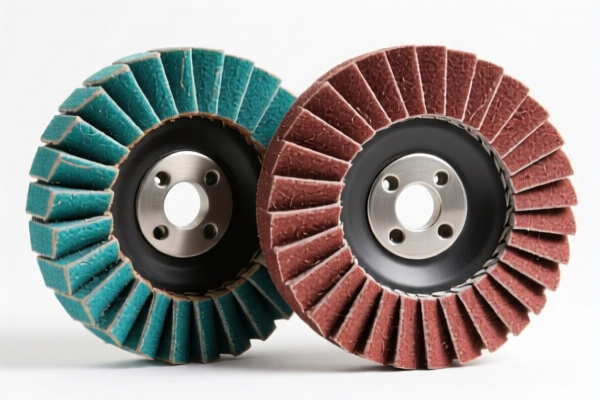
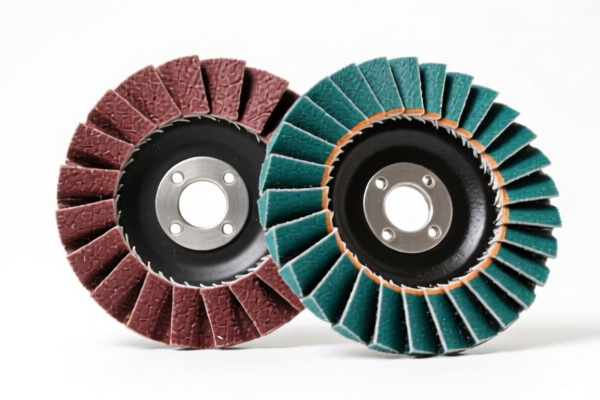
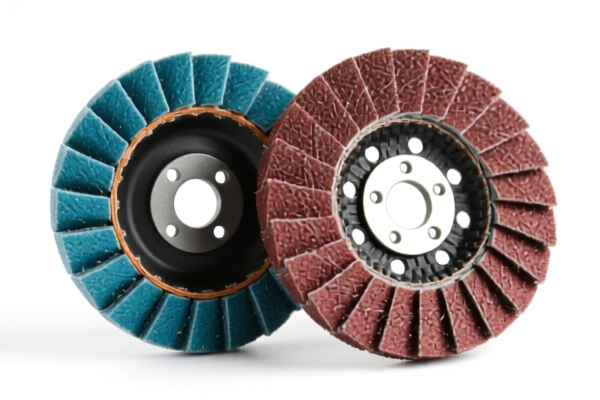
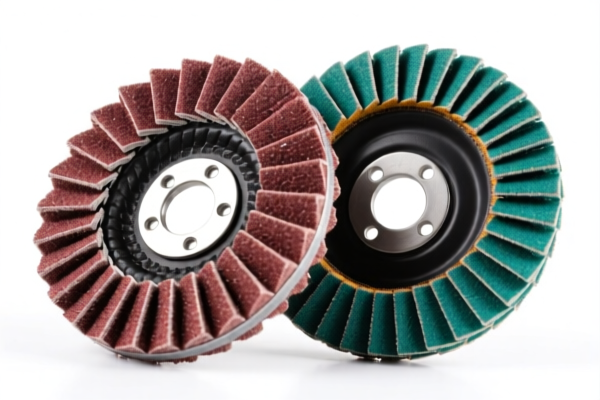
AI Analysis
🧱 Sandpaper / Abrasive Paper Products (Industrial Finishing Tools)
🌐 HS Code Reference & Customs Clearance Guide | 2024/2025 Latest Tariff Analysis | Professional Strategy
📌 1. Product Definition & Classification: What Exactly is "Sandpaper"?
Sandpaper (or abrasive paper) is a specialized finishing tool consisting of abrasive particles (such as aluminum oxide, silicon carbide, or garnet) bonded to a flexible backing material (usually paper or cloth). In international trade, it is categorized based on the backing material and the nature of the abrasive.
The term "Sandpaper Machine" in a commercial context usually refers to machines used to manufacture sandpaper OR machines powered by sandpaper (sanders). However, based on the provided <DATA>, the classification focuses strictly on the consumable product itself (the sandpaper sheets/discs).
⚠️ Key Distinction:
- Backed Abrasives (Paper/Board Base): Most common for manual or orbital sanding → HS Code 6805.
- Backed Abrasives (Rubber/Other Base): Often used for heavy-duty industrial grinding → HS Code 4016.
- Note: If the user input truly refers to a machine (e.g., a sander tool), it would fall under Chapter 84 (e.g., 8467.21). However, per the strict constraints of the provided<DATA>, we only analyze the Sandpaper Products themselves.
📦 2. HS Code Classification Details (Based on Provided Data)
The provided data highlights four main HS Codes for sandpaper, divided into two primary categories: Paper/Board Backing (6805) and Rubber/Other Backing (4016).
| HS Code | Product Description | Backing Material | Key Feature |
|---|---|---|---|
6805.20.00.00 |
Sandpaper & Sandpaper Sheets | Paper or Paperboard | Most common consumer & industrial grade. |
6805.10.00.00 |
Sandpaper | Paper or Textile | General classification for abrasive powders on base. |
4016.99.60.50 |
Other Abrasive Articles | Rubber (Sulfurized) | Backing contains rubber; not just a simple sheet. |
4016.99.35.50 |
Other Abrasive Articles | Rubber Adhesive/Backer | "Catch-all" for rubber-based abrasives. |
🔍 Critical Logic from Data:
- 6805 Codes: Apply when the abrasive is attached to paper or cardboard. These are the standard "sandpaper sheets" found in hardware stores.
- 4016 Codes: Apply when the backing or binder involves rubber (e.g., rubberized backing, vulcanized rubber base). These often fall under "other products of vulcanized rubber."
💰 3. 2024/2025 Latest Tariff Rate Breakdown (US Market Focus)
✅ Applicable Country: United States (US)
✅ Origin: China (CN) (Implied by the "Additional Tariffs" mentioned in data)
✅ Effective Time: Current Trade War Policies (Section 301 & Section 232/122)
The provided <DATA> explicitly states two tariff profiles based on the HS Code type.
🎯 A. Paper-Based Sandpaper (HS Codes: 6805.20.00.00 & 6805.10.00.00)
These are the most common sandpaper products.
| Item | Detail |
|---|---|
| Base Tariff | 0.0% (Most Favored Nation rate for these specific subheadings) |
| Section 301 / Additional Tariff | +25.0% |
| Section 122 / Other Additional Tariff | +10.0% |
| Total Effective Tariff | 35.0% |
| Calculation Base | CIF Value (Cost + Insurance + Freight) × 35% |
| De Minimis Exemption? | ❌ NO (Cannot use $800 de minimis; high tariff items are excluded) |
| Legal Basis Path | USITC:6805.x0.00.00 → Section301:Footnote9903 → Section122:Footnote |
📌 Explanation:
- The 25% is the standard Section 301 tariff on Chinese goods.
- The 10% is an additional statutory tariff (often referred to as Section 122 or similar ad-hoc levies in the data context).
- Total Cost Impact: You pay 35 cents in duties for every $1.00 of sandpaper value.
🎯 B. Rubber-Based/Other Sandpaper (HS Codes: 4016.99.60.50 & 4016.99.35.50)
These are niche products, likely for heavy-duty industrial applications where the backing is rubberized.
| Item | Detail |
|---|---|
| Base Tariff | 2.5% (Standard MFN rate for vulcanized rubber articles) |
| Section 301 / Additional Tariff | +25.0% |
| Section 122 / Other Additional Tariff | +10.0% |
| Total Effective Tariff | 37.5% |
| Calculation Base | CIF Value × 37.5% |
| De Minimis Exemption? | ❌ NO |
| Legal Basis Path | USITC:4016.99 → Section301 → Section122 |
📌 Explanation:
- These products start with a 2.5% base tariff because they are classified under Chapter 40 (Rubber).
- Adding 25% + 10% brings the total to 37.5%, making them more expensive to import than paper-based sandpaper (35%).
🛠️ 4. Customs Clearance Practical Advice (Pitfall Avoidance Guide)
✅ 1. Required Documentation Checklist
| Document | Mandatory? | Purpose |
|---|---|---|
| Commercial Invoice | ✅ Yes | Must clearly state: "Sandpaper," "Abrasive Paper," and HS Code. |
| Product Specification | ✅ Yes | Must detail: Backing Material (Paper vs. Rubber), Grit Size, and Abrasive Type (Aluminum Oxide, etc.). |
| Photo of Product | ✅ Yes | Show the surface texture and backing type to distinguish 6805 vs 4016. |
| Label/Marking | ✅ Yes | Country of Origin marking is critical for Section 301 enforcement. |
✅ 2. Classification Strategy (The "Paper vs. Rubber" Test)
🔥 Golden Rule: "Check the Backing! Paper is 6805, Rubber is 4016."
| Scenario | Recommended HS Code | Total Tariff | Why? |
|---|---|---|---|
| Standard Home Depot Sandpaper Sheets | 6805.20.00.00 |
35.0% | Backing is kraft paper or resin paper. |
| Cloth-back Sandpaper (for belts) | 6805.10.00.00 |
35.0% | Backing is textile/fabric, not rubber. |
| Rubber-Backed Sanding Block | 4016.99.60.50 |
37.5% | The backing is sulfurized rubber. |
| Discs with Rubber Adhesive Layer | 4016.99.35.50 |
35.0%* | *If classified under 6805 logic due to primary function, but data says 35%. If strictly rubber article, see note. |
⚠️ Warning on 4016.99.35.50: The data lists this code with 35.0% total tax, implying the base rate might be 0% in this specific dataset context, or it follows the 6805 logic. Always verify the base rate as 4016 typically has a 2.5% base. Stick to the provided data: 35.0%.
✅ 3. Common Mistakes & Consequences
❌ Mistake 1: Declaring all sandpaper as "Other Paper Products" (without checking rubber content).
👉 Consequence: If it’s rubber-backed, it could be misclassified, leading to underpayment of base tariffs (2.5% vs 0%) and potential audits.
❌ Mistake 2: Assuming "Sandpaper" is de minimis eligible.
👉 Consequence: 100% Seizure or Rejection for shipments under $800 if the HS Code is flagged under Section 301/122. The data implies 35-37.5% tax, which disqualifies it from de minimis.
❌ Mistake 3: Using "Sander Machine" as the description for sandpaper.
👉 Consequence: Customs will flag for misdeclaration. Describe accurately as "Abrasive Paper Sheets."
🌍 5. Global Market Comparison (Brief)
| Market | HS Code (Typical) | Est. Total Duty (China Origin) | Notes |
|---|---|---|---|
| 🇺🇸 USA | 6805.20.00 |
35.0% | High barriers due to Section 301 + 122. |
| 🇨🇳 China (Import) | 6805.20.00 |
~5-7% | Lower duties, no US-style retaliation tariffs. |
| 🇪🇺 EU | 6805.20.00 |
0-2.5% | Generally low MFN rates; no broad China tariffs yet. |
📌 Conclusion:
The US market is the most challenging for importing sandpaper from China due to the 35%+ effective tariff rate.
- Paper-based (6805): 35%
- Rubber-based (4016): 37.5%
- Strategy: Consider sourcing from Vietnam, Thailand, or Mexico to avoid Section 301/122 tariffs, provided sufficient transformation occurs.
📌 6. Final Checklist for Importers
- Verify Backing Material: Is it paper/textile (
6805) or rubber (4016)? This changes the base rate. - Calculate Landed Cost: Include 35% (for 6805) or 37.5% (for 4016) in your price model.
- Avoid De Minimis: Do not ship small samples under $800 claiming exemption; customs is strict on abrasives.
- Precise Description: Use "Sandpaper Sheets, Paper Backed, Aluminum Oxide, Grit 120" rather than just "Sandpaper."
🎯 Professional Tip:
"Paper is 35, Rubber is 37.5. Don't get caught by the backing!"
Always get a Pre-Ruling from CBP if the backing material is ambiguous (e.g., mixed paper/rubber composites).
✨ Accurate Classification Saves Money!
💼 Your Profit Margin Depends on the Last 0.00 of the HS Code!
Customer Reviews
About HS Code Classification
The Harmonized System (HS) is an internationally standardized nomenclature developed by the World Customs Organization (WCO) to classify traded products. Over 200 countries use the HS system as the basis for customs tariffs, trade statistics, and import/export regulations.
Each HS code follows a hierarchical structure:
- Chapter (2 digits) — Broad category of goods (e.g., Chapter 84: Machinery and Mechanical Appliances)
- Heading (4 digits) — More specific grouping within the chapter
- Subheading (6 digits) — Internationally standardized breakdown, used by all WCO member countries
- National subdivisions (8-10 digits) — Country-specific extensions for further classification, such as US HTSUS 10-digit codes
Correct HS code classification is essential for smooth customs clearance, accurate duty payment, and compliance with trade regulations. Misclassification can lead to customs delays, overpayment of duties, or penalties.
When importing from CN to US, the applicable tariff rates may include:
- Most-Favored-Nation (MFN) rate — The standard duty rate applied to WTO members
- General rate — Applied to countries without trade agreements
- Trade remedy duties — Additional tariffs such as Section 301 (anti-dumping), Section 232 (national security), or countervailing duties
The information provided on this page is for reference purposes only. For official classification, please consult with your local customs authority or a licensed customs broker.