Sanitary Pads
CN → US| HS编码 | 关税税率 | 原产国 | 目的国 | 文档 |
|---|---|---|---|---|
| 9619001510 | 17.5% | CN | US | 官方文档 |
| 9619001560 | 17.5% | CN | US | 官方文档 |
商品图片
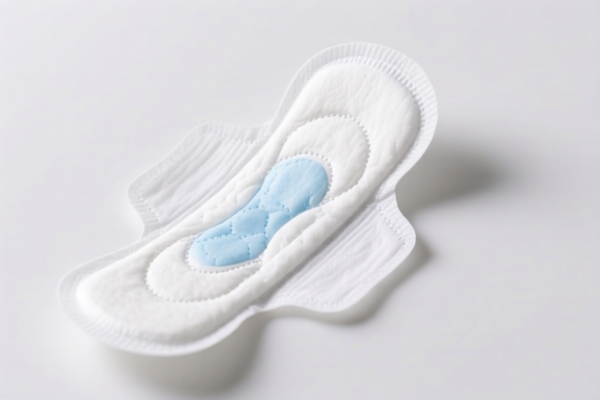
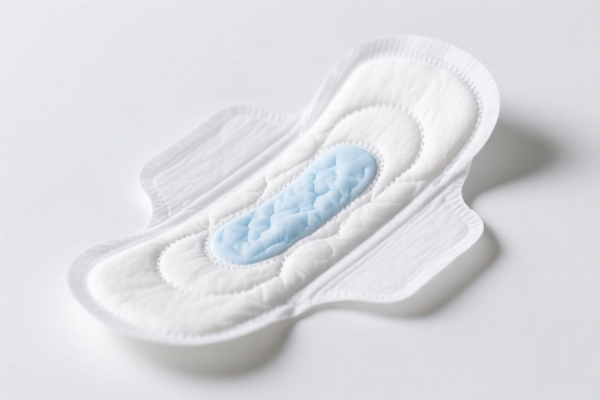
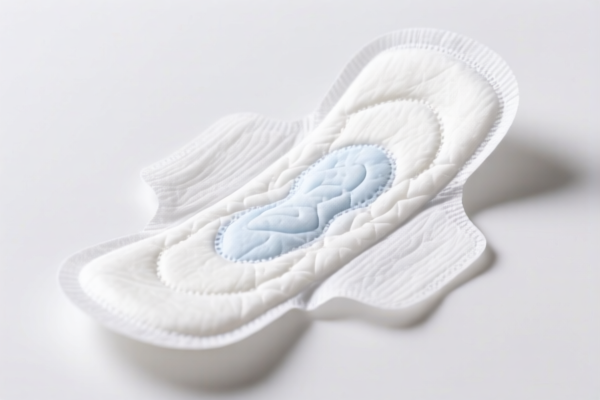
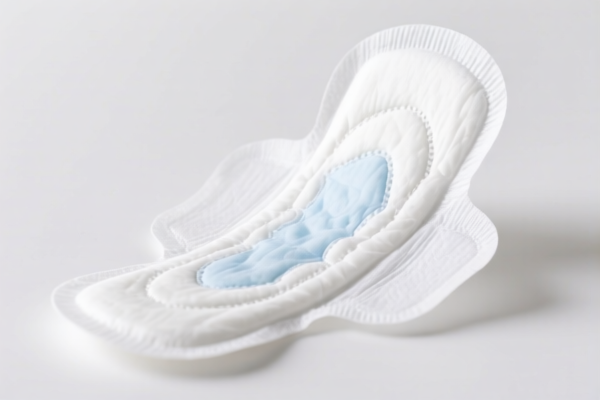
AI分析
🩸 Sanitary Pads & Tampons (Menstrual Hygiene Products)
🌐 HS Code Reference & Customs Clearance Guide | 2026 Latest Tariff Analysis | Professional Clearance Strategy
📌 I. Product Definition & Classification: Do You Really Know "Sanitary Pads"?
Sanitary pads (towels), tampons, diapers, and similar articles are essential personal care items. In international trade, they are strictly regulated under Chapter 96. The classification depends heavily on the material composition. For the products listed in your data, the key material is Paper, Cellulose Wadding, or Webs of Cellulose Fibers.
Within this material category, there are two distinct sub-categories: 1. Sanitary Napkins and Tampons: Specifically for menstrual hygiene. 2. Other Articles: Includes diaper liners and similar items made of the same material, but not classified as standard diapers (which often have different sub-headings) or the specific menstrual products listed above.
⚠️ Key Distinction Point: - If the product is a Sanitary Pad or Tampon made of paper/cellulose → Goes to 9619.00.15.10 - If the product is a Diaper Liner or Similar Item made of paper/cellulose (but not a full diaper or sanitary pad) → Goes to 9619.00.15.60 - Note: Both carry the exact same tax rate structure in the provided data, but accurate description is crucial for customs compliance.
📦 II. HS Code Classification Details (2026 Latest Tariff Authority Comparison)
| HS Code | Product Description | Material Basis | Applicable Scenario |
|---|---|---|---|
9619.00.15.10 |
Sanitary napkins and tampons | Paper, cellulose wadding, or webs of cellulose fibers | Menstrual pads, tampons, specifically for hygiene |
9619.00.15.60 |
Other (Diaper liners, similar articles) | Paper, cellulose wadding, or webs of cellulose fibers | Diaper liners, sanitary liners, other similar paper-based hygiene articles |
🔍 Important Reminder: - Material Matters: The data specifies "Of paper, cellulose wadding or webs of cellulose fibers." If the product is made of synthetic polymers (plastic-based pads not primarily cellulose), it may fall under a different heading (e.g., 9619.00.15.90 or similar, depending on the specific tariff schedule). Stick to the provided data for paper/cellulose based items. - "Other" Definition: HS Code
9619.00.15.60is a catch-all for paper/cellulose hygiene articles that are not sanitary napkins/tampons. Ensure your product is not mistakenly classified here if it is a standard pad.
💰 III. 2026 Latest Tariff Rate Details (Including Surtaxes & Policy Add-ons)
✅ Applicable Country: United States (US)
✅ Origin: China (CN) (Implied by the surtax structure typical of US-China trade data)
✅ Effective Time: Current rates as per provided data
🎯 1. 9619.00.15.10 —— Sanitary Napkins and Tampons (Paper/Cellulose Based)
| Item | Content |
|---|---|
| Base Tariff Rate | 0.0% (ad valorem) |
| Additional Surtax | +7.5% (Section 301 / Trade War Surtax) |
| Total Tax Rate | 7.5% |
| Tax Calculation | CIF Value × 7.5% |
| De Minimis Exemption | ❌ Not Applicable (Usually, personal use small packages may qualify for de minimis, but commercial shipments face this tax. Check specific CBP rulings for small parcels.) |
| Legal Basis Path | HTSUS:9619.00.15.10 → Section 301 Surtax: 7.5% |
📌 Explanation: - Base Tariff: 0% indicates that sanitary products are not subject to the standard Melon Tariff or general MFN rates for this specific subheading. - Surtax: The 7.5% is the critical cost driver. This is likely due to Section 301 tariffs imposed on Chinese imports. - Total: You must budget for a 7.5% duty on the customs value (CIF).
🎯 2. 9619.00.15.60 —— Other Articles (Diaper Liners, etc., Paper/Cellulose Based)
| Item | Content |
|---|---|
| Base Tariff Rate | 0.0% (ad valorem) |
| Additional Surtax | +7.5% (Section 301 / Trade War Surtax) |
| Total Tax Rate | 7.5% |
| Tax Calculation | CIF Value × 7.5% |
| De Minimis Exemption | ❌ Not Applicable (Same as above) |
| Legal Basis Path | HTSUS:9619.00.15.60 → Section 301 Surtax: 7.5% |
📌 Note: - Identical tax structure to sanitary napkins. - Even though it is "Other," it falls under the same material-based subheading group for tariff purposes.
🛠️ IV. Customs Clearance Practical Advice (Real-World Pitfall Avoidance Guide)
✅ 1. Required Documentation Checklist (Must-Have)
| Document | Mandatory? | Description |
|---|---|---|
| ✅ Commercial Invoice | ✔️ | Must clearly state "Sanitary Pads" or "Tampons" and specify material (e.g., "Made of Cellulose Wadding"). Avoid vague terms like "Hygiene Products." |
| ✅ Product Specification Sheet | ✔️ | Detail the material composition (Cellulose vs. Synthetic). Crucial for HS Code verification. |
| ✅ Ingredients/Material List | ✔️ | Prove it contains paper/cellulose fibers if claiming under 9619.00.15.x0. |
| ✅ Certificate of Origin (CO) | ✔️ | Required to confirm origin (e.g., China) for accurate surtax application. |
| ✅ FDA Registration (if applicable) | ✔️ | In the US, sanitary products are regulated by the FDA. Ensure the manufacturer is FDA-registered and products are compliant. |
| ✅ Packing List | ✔️ | Clear quantity and weight details. |
✅ 2. Declaration Tips (Key Mantra)
🔥 "Material First, Category Clear, Name Precise, Tax Accurate!"
| Scenario | Correct Declaration | Wrong Practice |
|---|---|---|
| Standard Sanitary Pads | Sanitary Pads, of Cellulose, for Menstrual Use → 9619.00.15.10 |
Vague "Hygiene Pads" → Risk of misclassification |
| Tampons | Tampons, of Paper/Cellulose → 9619.00.15.10 |
"Cotton Pads" → May lead to different HS |
| Diaper Liners | Diaper Liners, Paper-based → 9619.00.15.60 |
"Sanitary Pads" → Incorrect HS Code |
| Synthetic Pads (Non-Cellulose) | Not in provided data → Check other 9619 subheadings | Force into 9619.00.15 → Customs Rejection |
✅ 3. Special Situation Handling
| Situation | Handling Advice |
|---|---|
| FDA Compliance | Sanitary pads are considered medical devices or OTC drugs by the FDA in some contexts. Ensure FDA establishment registration and product listing are completed before shipment. |
| Private Label (OEM) | Provide the brand authorization letter and manufacturing agreement. The HS Code remains the same, but documentation must link the brand to the manufacturer. |
| Material Change | If the product contains >50% synthetic material (e.g., plastic backsheet, superabsorbent polymer core not classified as cellulose), the HS Code might change. Consult customs broker for precise material breakdown. |
| Small Samples | For small personal-use samples under $800 (De Minimis), you might avoid duties, but for commercial bulk, the 7.5% applies. |
🌍 V. Global Major Market Clearance Comparison (2026 Latest)
| Country/Region | Recommended HS Code | Tariff Rate | Certification Requirements | Remarks |
|---|---|---|---|---|
| 🇺🇸 USA | 9619.00.15.10 / .60 |
7.5% (Total) | FDA Registration + Labeling Compliance | Base rate 0%, +7.5% Surtax for China origin |
| 🇨🇳 China | 9619.00.10.00 (General) |
~2% - 5% | CCC (if applicable) + Standard Quality Check | Domestic trade, lower barriers |
| 🇪🇺 EU | 9619.00.00 |
0% - 2% | CE (if claimed medical) + REACH | Low duty, high environmental standards |
| 🇬🇧 UK | 9619.00.00 |
0% - 2% | UKCA Marking | Post-Brexit, similar to EU |
| 🇦🇺 Australia | 9619.00.00 |
5% | TGA (Therapeutic Goods Administration) | Regulated as therapeutic goods if medicinal claims |
📌 Conclusion: - USA: The 7.5% tariff is a fixed cost for Chinese-origin paper/cellulose sanitary products. No further surtaxes listed in the provided data. - EU/UK/AU: Generally lower or zero base duties, but stricter health and safety regulations (FDA equivalent) apply.
📌 VI. Common Mistakes & Pitfall Avoidance Guide (Blood-Lesson Experience)
❌ Mistake 1: Declaring "Sanitary Pads" as "Textile Products" (Chapter 63)
👉 Consequence: Wrong HS Code → Delays, Fines, or Seizure.
✅ Correction: Always use Chapter 96 (Brushes, Brushes for Cleaning) for sanitary articles.
❌ Mistake 2: Ignoring FDA Requirements for Sanitary Products
👉 Consequence: Detention at US Border for lack of FDA registration.
✅ Correction: Verify FDA facility registration number on the invoice/packing list.
❌ Mistake 3: Using Vague Terms like "Hygiene Pads"
👉 Consequence: Customs officer may question the material → Inspection Delays.
✅ Correction: Use precise terms: "Sanitary Napkin, Cellulose-based, 10cm x 20cm."
❌ Mistake 4: Assuming De Minimis Applies to All Shipments
👉 Consequence: Commercial shipments under $800 but flagged for commercial intent → Tax Evasion Allegations.
✅ Correction: For commercial bulk, declare accurately and pay the 7.5% duty.
🎯 VII. Conclusion: Professional Declaration, Save Time & Cost
🎯 Remember the Mantra:
🔹 "Cellulose First, Chapter 96, FDA Check, 7.5% Tax!"
🔹 "Wrong Material, Wrong Code; Vague Name, Delayed Cargo!"
📌 Pro Tip:
If your product uses biodegradable materials or has eco-certifications, highlight this in the declaration. Some US retailers prefer sustainable packaging, and accurate material description helps in customs clearance speed.
📣 Immediate Action:
📞 Contact a Customs Broker + Verify FDA Registration + Prepare Material Breakdown
🚀 Ensure Smooth Clearance, Avoid 7.5% Surprise Costs, and Keep Your Supply Chain Moving!
✨ Professional Clearance Starts with Precise Classification!
💼 Your Every Dollar in Duty is Calculated with Precision!
用户评价
关于 HS 编码归类
协调制度(HS)是由世界海关组织(WCO)制定的国际贸易商品分类标准。全球 200 多个国家采用 HS 系统作为海关关税、贸易统计和进出口监管的基础。
每个 HS 编码遵循以下层级结构:
- 章(2 位)——商品大类(例如:第 84 章:机器和机械设备)
- 品目(4 位)——章内的更具体分类
- 子目(6 位)——国际通用细分,所有 WCO 成员国统一使用
- 本国细分(8-10 位)——各国自行扩展的细分编码,如美国 HTSUS 10 位编码
正确的 HS 编码归类对于顺利通关、准确缴纳关税和遵守贸易法规至关重要。错误归类可能导致海关延误、多缴关税或罚款。
从CN进口到US时,适用的关税税率可能包括:
- 最惠国(MFN)税率——适用于 WTO 成员国的标准关税税率
- 普通税率——适用于无贸易协定国家
- 贸易救济关税——附加关税,如 301 条款(反倾销)、232 条款(国家安全)或反补贴税
本页内容仅供参考。如需正式归类,请咨询当地海关或持牌报关代理。