Sanitary Pads
CN → US| HS Code | Tariff Rate | Origin | Destination | Doc |
|---|---|---|---|---|
| 9619001510 | 17.5% | CN | US | Official Doc |
| 9619001560 | 17.5% | CN | US | Official Doc |
Product Images
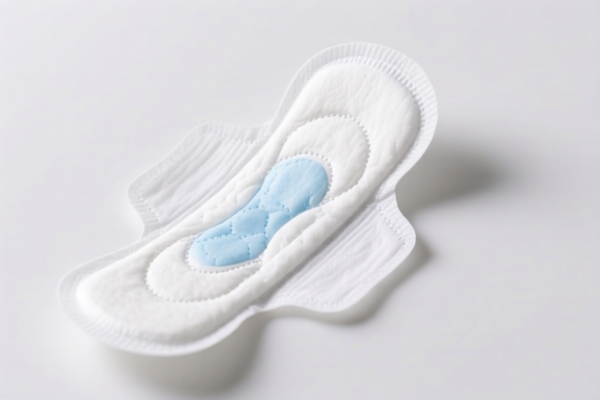
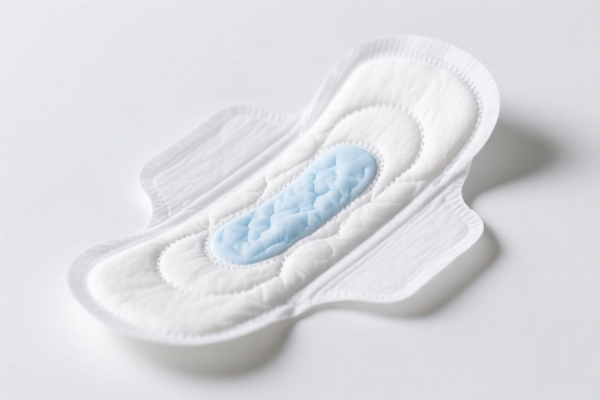
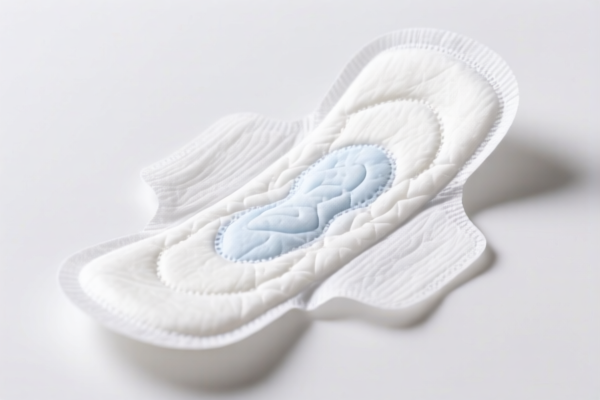
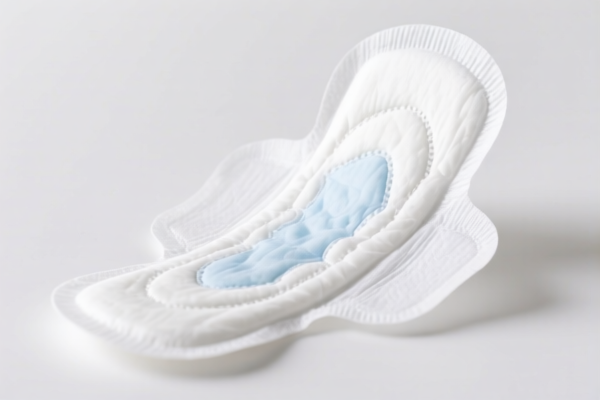
AI Analysis
🩸 Sanitary Pads & Tampons (Menstrual Hygiene Products)
🌐 HS Code Reference & Customs Clearance Guide | 2026 Latest Tariff Analysis | Professional Clearance Strategy
📌 I. Product Definition & Classification: Do You Really Know "Sanitary Pads"?
Sanitary pads (towels), tampons, diapers, and similar articles are essential personal care items. In international trade, they are strictly regulated under Chapter 96. The classification depends heavily on the material composition. For the products listed in your data, the key material is Paper, Cellulose Wadding, or Webs of Cellulose Fibers.
Within this material category, there are two distinct sub-categories: 1. Sanitary Napkins and Tampons: Specifically for menstrual hygiene. 2. Other Articles: Includes diaper liners and similar items made of the same material, but not classified as standard diapers (which often have different sub-headings) or the specific menstrual products listed above.
⚠️ Key Distinction Point: - If the product is a Sanitary Pad or Tampon made of paper/cellulose → Goes to 9619.00.15.10 - If the product is a Diaper Liner or Similar Item made of paper/cellulose (but not a full diaper or sanitary pad) → Goes to 9619.00.15.60 - Note: Both carry the exact same tax rate structure in the provided data, but accurate description is crucial for customs compliance.
📦 II. HS Code Classification Details (2026 Latest Tariff Authority Comparison)
| HS Code | Product Description | Material Basis | Applicable Scenario |
|---|---|---|---|
9619.00.15.10 |
Sanitary napkins and tampons | Paper, cellulose wadding, or webs of cellulose fibers | Menstrual pads, tampons, specifically for hygiene |
9619.00.15.60 |
Other (Diaper liners, similar articles) | Paper, cellulose wadding, or webs of cellulose fibers | Diaper liners, sanitary liners, other similar paper-based hygiene articles |
🔍 Important Reminder: - Material Matters: The data specifies "Of paper, cellulose wadding or webs of cellulose fibers." If the product is made of synthetic polymers (plastic-based pads not primarily cellulose), it may fall under a different heading (e.g., 9619.00.15.90 or similar, depending on the specific tariff schedule). Stick to the provided data for paper/cellulose based items. - "Other" Definition: HS Code
9619.00.15.60is a catch-all for paper/cellulose hygiene articles that are not sanitary napkins/tampons. Ensure your product is not mistakenly classified here if it is a standard pad.
💰 III. 2026 Latest Tariff Rate Details (Including Surtaxes & Policy Add-ons)
✅ Applicable Country: United States (US)
✅ Origin: China (CN) (Implied by the surtax structure typical of US-China trade data)
✅ Effective Time: Current rates as per provided data
🎯 1. 9619.00.15.10 —— Sanitary Napkins and Tampons (Paper/Cellulose Based)
| Item | Content |
|---|---|
| Base Tariff Rate | 0.0% (ad valorem) |
| Additional Surtax | +7.5% (Section 301 / Trade War Surtax) |
| Total Tax Rate | 7.5% |
| Tax Calculation | CIF Value × 7.5% |
| De Minimis Exemption | ❌ Not Applicable (Usually, personal use small packages may qualify for de minimis, but commercial shipments face this tax. Check specific CBP rulings for small parcels.) |
| Legal Basis Path | HTSUS:9619.00.15.10 → Section 301 Surtax: 7.5% |
📌 Explanation: - Base Tariff: 0% indicates that sanitary products are not subject to the standard Melon Tariff or general MFN rates for this specific subheading. - Surtax: The 7.5% is the critical cost driver. This is likely due to Section 301 tariffs imposed on Chinese imports. - Total: You must budget for a 7.5% duty on the customs value (CIF).
🎯 2. 9619.00.15.60 —— Other Articles (Diaper Liners, etc., Paper/Cellulose Based)
| Item | Content |
|---|---|
| Base Tariff Rate | 0.0% (ad valorem) |
| Additional Surtax | +7.5% (Section 301 / Trade War Surtax) |
| Total Tax Rate | 7.5% |
| Tax Calculation | CIF Value × 7.5% |
| De Minimis Exemption | ❌ Not Applicable (Same as above) |
| Legal Basis Path | HTSUS:9619.00.15.60 → Section 301 Surtax: 7.5% |
📌 Note: - Identical tax structure to sanitary napkins. - Even though it is "Other," it falls under the same material-based subheading group for tariff purposes.
🛠️ IV. Customs Clearance Practical Advice (Real-World Pitfall Avoidance Guide)
✅ 1. Required Documentation Checklist (Must-Have)
| Document | Mandatory? | Description |
|---|---|---|
| ✅ Commercial Invoice | ✔️ | Must clearly state "Sanitary Pads" or "Tampons" and specify material (e.g., "Made of Cellulose Wadding"). Avoid vague terms like "Hygiene Products." |
| ✅ Product Specification Sheet | ✔️ | Detail the material composition (Cellulose vs. Synthetic). Crucial for HS Code verification. |
| ✅ Ingredients/Material List | ✔️ | Prove it contains paper/cellulose fibers if claiming under 9619.00.15.x0. |
| ✅ Certificate of Origin (CO) | ✔️ | Required to confirm origin (e.g., China) for accurate surtax application. |
| ✅ FDA Registration (if applicable) | ✔️ | In the US, sanitary products are regulated by the FDA. Ensure the manufacturer is FDA-registered and products are compliant. |
| ✅ Packing List | ✔️ | Clear quantity and weight details. |
✅ 2. Declaration Tips (Key Mantra)
🔥 "Material First, Category Clear, Name Precise, Tax Accurate!"
| Scenario | Correct Declaration | Wrong Practice |
|---|---|---|
| Standard Sanitary Pads | Sanitary Pads, of Cellulose, for Menstrual Use → 9619.00.15.10 |
Vague "Hygiene Pads" → Risk of misclassification |
| Tampons | Tampons, of Paper/Cellulose → 9619.00.15.10 |
"Cotton Pads" → May lead to different HS |
| Diaper Liners | Diaper Liners, Paper-based → 9619.00.15.60 |
"Sanitary Pads" → Incorrect HS Code |
| Synthetic Pads (Non-Cellulose) | Not in provided data → Check other 9619 subheadings | Force into 9619.00.15 → Customs Rejection |
✅ 3. Special Situation Handling
| Situation | Handling Advice |
|---|---|
| FDA Compliance | Sanitary pads are considered medical devices or OTC drugs by the FDA in some contexts. Ensure FDA establishment registration and product listing are completed before shipment. |
| Private Label (OEM) | Provide the brand authorization letter and manufacturing agreement. The HS Code remains the same, but documentation must link the brand to the manufacturer. |
| Material Change | If the product contains >50% synthetic material (e.g., plastic backsheet, superabsorbent polymer core not classified as cellulose), the HS Code might change. Consult customs broker for precise material breakdown. |
| Small Samples | For small personal-use samples under $800 (De Minimis), you might avoid duties, but for commercial bulk, the 7.5% applies. |
🌍 V. Global Major Market Clearance Comparison (2026 Latest)
| Country/Region | Recommended HS Code | Tariff Rate | Certification Requirements | Remarks |
|---|---|---|---|---|
| 🇺🇸 USA | 9619.00.15.10 / .60 |
7.5% (Total) | FDA Registration + Labeling Compliance | Base rate 0%, +7.5% Surtax for China origin |
| 🇨🇳 China | 9619.00.10.00 (General) |
~2% - 5% | CCC (if applicable) + Standard Quality Check | Domestic trade, lower barriers |
| 🇪🇺 EU | 9619.00.00 |
0% - 2% | CE (if claimed medical) + REACH | Low duty, high environmental standards |
| 🇬🇧 UK | 9619.00.00 |
0% - 2% | UKCA Marking | Post-Brexit, similar to EU |
| 🇦🇺 Australia | 9619.00.00 |
5% | TGA (Therapeutic Goods Administration) | Regulated as therapeutic goods if medicinal claims |
📌 Conclusion: - USA: The 7.5% tariff is a fixed cost for Chinese-origin paper/cellulose sanitary products. No further surtaxes listed in the provided data. - EU/UK/AU: Generally lower or zero base duties, but stricter health and safety regulations (FDA equivalent) apply.
📌 VI. Common Mistakes & Pitfall Avoidance Guide (Blood-Lesson Experience)
❌ Mistake 1: Declaring "Sanitary Pads" as "Textile Products" (Chapter 63)
👉 Consequence: Wrong HS Code → Delays, Fines, or Seizure.
✅ Correction: Always use Chapter 96 (Brushes, Brushes for Cleaning) for sanitary articles.
❌ Mistake 2: Ignoring FDA Requirements for Sanitary Products
👉 Consequence: Detention at US Border for lack of FDA registration.
✅ Correction: Verify FDA facility registration number on the invoice/packing list.
❌ Mistake 3: Using Vague Terms like "Hygiene Pads"
👉 Consequence: Customs officer may question the material → Inspection Delays.
✅ Correction: Use precise terms: "Sanitary Napkin, Cellulose-based, 10cm x 20cm."
❌ Mistake 4: Assuming De Minimis Applies to All Shipments
👉 Consequence: Commercial shipments under $800 but flagged for commercial intent → Tax Evasion Allegations.
✅ Correction: For commercial bulk, declare accurately and pay the 7.5% duty.
🎯 VII. Conclusion: Professional Declaration, Save Time & Cost
🎯 Remember the Mantra:
🔹 "Cellulose First, Chapter 96, FDA Check, 7.5% Tax!"
🔹 "Wrong Material, Wrong Code; Vague Name, Delayed Cargo!"
📌 Pro Tip:
If your product uses biodegradable materials or has eco-certifications, highlight this in the declaration. Some US retailers prefer sustainable packaging, and accurate material description helps in customs clearance speed.
📣 Immediate Action:
📞 Contact a Customs Broker + Verify FDA Registration + Prepare Material Breakdown
🚀 Ensure Smooth Clearance, Avoid 7.5% Surprise Costs, and Keep Your Supply Chain Moving!
✨ Professional Clearance Starts with Precise Classification!
💼 Your Every Dollar in Duty is Calculated with Precision!
Customer Reviews
About HS Code Classification
The Harmonized System (HS) is an internationally standardized nomenclature developed by the World Customs Organization (WCO) to classify traded products. Over 200 countries use the HS system as the basis for customs tariffs, trade statistics, and import/export regulations.
Each HS code follows a hierarchical structure:
- Chapter (2 digits) — Broad category of goods (e.g., Chapter 84: Machinery and Mechanical Appliances)
- Heading (4 digits) — More specific grouping within the chapter
- Subheading (6 digits) — Internationally standardized breakdown, used by all WCO member countries
- National subdivisions (8-10 digits) — Country-specific extensions for further classification, such as US HTSUS 10-digit codes
Correct HS code classification is essential for smooth customs clearance, accurate duty payment, and compliance with trade regulations. Misclassification can lead to customs delays, overpayment of duties, or penalties.
When importing from CN to US, the applicable tariff rates may include:
- Most-Favored-Nation (MFN) rate — The standard duty rate applied to WTO members
- General rate — Applied to countries without trade agreements
- Trade remedy duties — Additional tariffs such as Section 301 (anti-dumping), Section 232 (national security), or countervailing duties
The information provided on this page is for reference purposes only. For official classification, please consult with your local customs authority or a licensed customs broker.