Satin Home Textile Fabric
CN → US| HS编码 | 关税税率 | 原产国 | 目的国 | 文档 |
|---|---|---|---|---|
| 6004100085 | 47.3% | CN | US | 官方文档 |
| 5208192020 | 42.9% | CN | US | 官方文档 |
| 6004909000 | 42.0% | CN | US | 官方文档 |
| 5208292020 | 42.7% | CN | US | 官方文档 |
| 5407820040 | 49.9% | CN | US | 官方文档 |
商品图片
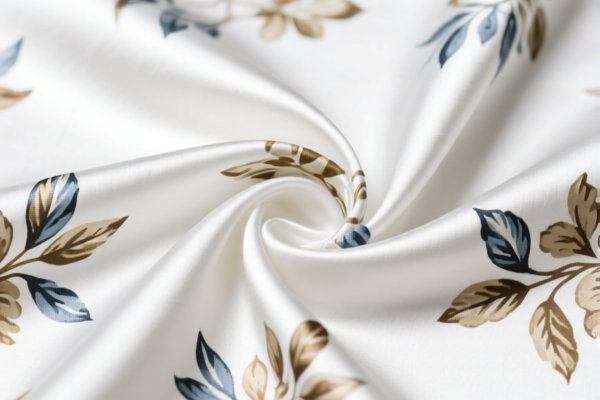
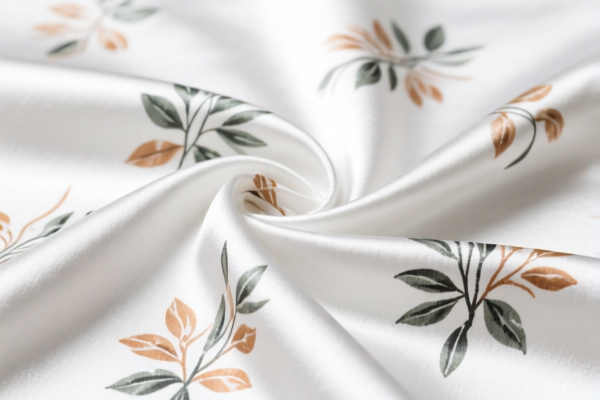
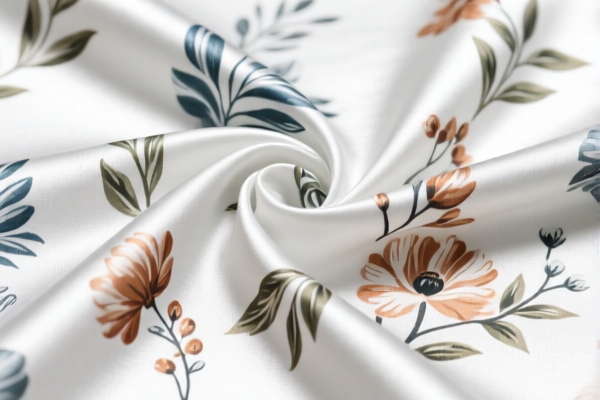
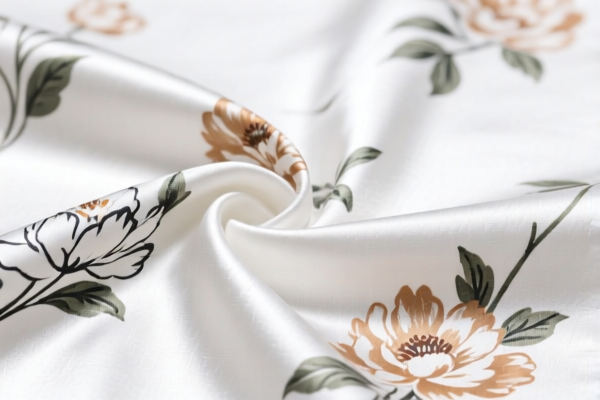
AI分析
🛍️ Satin Home Textile Fabric
🌐 HS Code Reference & Customs Clearance Guide | 2026 Latest Tariff Analysis | Professional Strategy for Satin Fabrics
📌 I. Product Definition & Classification: What Exactly is "Satin Home Textile Fabric"?
"Satin Home Textile Fabric" is a broad term in international trade referring to woven or knitted textiles with a characteristic smooth, lustrous surface (satin weave/knit). In customs classification, the specific material composition (Cotton, Polyester, Silk, etc.) and construction method (Woven vs. Knitted) determine the correct HS Code and, consequently, the tariff rate.
⚠️ Key Distinction:
- Knitted Structures (e.g., jersey, tricot used for toys/loungewear): Generally fall under Chapter 60.
- Woven Structures (Traditional satin/weave): Generally fall under Chapter 52 (if cotton) or Chapter 54 (if synthetic).
- "Toy Fabric" Context: If the fabric is explicitly for toys, customs may scrutinize the material content more strictly (e.g., cotton vs. synthetic).
📦 II. HS Code Classification Details (Based on Provided Data)
Below are the five most likely HS Codes for "Satin Home Textile Fabric," categorized by material and structure, based on the provided data.
| HS Code | Product Description & Summary | Tax Rate (Total) | Tax Breakdown |
|---|---|---|---|
| 6004.10.00.85 | Knitted Fabric, Other Summary: Satin toy fabric, knitted structure. No specific rubber thread or process indicated. Classified as other knitted fabrics. |
47.3% | Base: 12.3% Add’l: 25.0% 122-Clause: 10% |
| 5208.19.20.20 | Cotton Satin Woven Fabric Summary: Satin toy fabric, satin weave structure. Material inferred as Cotton, fitting cotton satin fabric classification. |
42.9% | Base: 7.9% Add’l: 25.0% 122-Clause: 10% |
| 6004.90.90.00 | Knitted/Crocheted Fabric, Other Summary: Satin toy fabric, knitted/woven structure. Material inferred as warp-knitted or weft-knitted, fitting knitted/crocheted fabric characteristics. |
42.0% | Base: 7.0% Add’l: 25.0% 122-Clause: 10% |
| 5208.29.20.20 | Other Cotton Woven Fabric Summary: Satin toy fabric, fabric/structure. Material inferred as satin fabric category, no material conflict. Likely cotton-based. |
42.7% | Base: 7.7% Add’l: 25.0% 122-Clause: 10% |
| 5407.82.00.40 | Synthetic/Blended Woven Fabric Summary: Satin toy fabric, satin weave structure. Material inferred as textile, compatible with synthetic filament/cotton blend attributes. |
49.9% | Base: 14.9% Add’l: 25.0% 122-Clause: 10% |
🔍 Key Observation:
- Knitted Fabrics (Ch. 60) tend to have higher base rates (7.0%–12.3%) compared to Cotton Woven Fabrics (Ch. 52) (7.0%–7.9%), but the Synthetic Woven (Ch. 54) has the highest base rate (14.9%).
- All categories include an Add’l Tariff of 25% and a 122-Clause Tariff of 10%, likely referring to US Section 301 and Section 232 or specific trade remedy measures.
- Total Tax Range: 42.0% – 49.9%.
💰 III. 2026 Latest Tariff Rate Details (Including Add’l Taxes)
✅ Applicable Country: United States (US)
✅ Origin: China (CN) (Implied by "122-Clause" and high tariffs)
✅ Effective Time: Current applicable rates (2025–2026)
🎯 1. 6004.10.00.85 – Knitted Fabric, Other (Satin/Toy)
| Item | Content |
|---|---|
| Base Rate | 12.3% |
| USITC Add’l Tax (Section 301) | +25.0% |
| 122-Clause Tax | +10.0% |
| Total Tax Rate | 47.3% |
| Calculation | CIF Value × 47.3% |
| De Minimis Exemption | ❌ Not Eligible (High tax rate typically disqualifies from $800 de minimis) |
| Legal Basis Path | HTSUS:6004.10.00.85 → USITC:301 → EO:122 |
📌 Explanation:
- The 12.3% base rate is relatively high for knitted fabrics, reflecting the specific subheading.
- The 25% add’l tariff is standard for most textiles from China under Section 301.
- The 10% 122-Clause tax is a specific trade remedy or additional duty applied to certain textile categories.
🎯 2. 5208.19.20.20 – Cotton Satin Woven Fabric
| Item | Content |
|---|---|
| Base Rate | 7.9% |
| USITC Add’l Tax (Section 301) | +25.0% |
| 122-Clause Tax | +10.0% |
| Total Tax Rate | 42.9% |
| Calculation | CIF Value × 42.9% |
| De Minimis Exemption | ❌ Not Eligible |
| Legal Basis Path | HTSUS:5208.19.20.20 → USITC:301 → EO:122 |
📌 Explanation:
- Cotton fabrics generally have lower base rates than synthetics or specific knits.
- This is a cost-effective option if the fabric is confirmed to be 100% cotton and woven.
🎯 3. 6004.90.90.00 – Knitted/Crocheted Fabric, Other
| Item | Content |
|---|---|
| Base Rate | 7.0% |
| USITC Add’l Tax (Section 301) | +25.0% |
| 122-Clause Tax | +10.0% |
| Total Tax Rate | 42.0% |
| Calculation | CIF Value × 42.0% |
| De Minimis Exemption | ❌ Not Eligible |
| Legal Basis Path | HTSUS:6004.90.90.00 → USITC:301 → EO:122 |
📌 Explanation:
- This code has the lowest total tax rate (42.0%) among the options.
- Suitable for warp-knitted or weft-knitted satin fabrics where the exact subtype doesn’t fit other specific codes.
🎯 4. 5208.29.20.20 – Other Cotton Woven Fabric
| Item | Content |
|---|---|
| Base Rate | 7.7% |
| USITC Add’l Tax (Section 301) | +25.0% |
| 122-Clause Tax | +10.0% |
| Total Tax Rate | 42.7% |
| Calculation | CIF Value × 42.7% |
| De Minimis Exemption | ❌ Not Eligible |
| Legal Basis Path | HTSUS:5208.29.20.20 → USITC:301 → EO:122 |
📌 Explanation:
- Similar to5208.19.20.20, but for "other" cotton woven fabrics.
- A good fallback if the fabric is cotton but doesn’t fit the "19.20.20" description precisely.
🎯 5. 5407.82.00.40 – Synthetic/Blended Woven Fabric
| Item | Content |
|---|---|
| Base Rate | 14.9% |
| USITC Add’l Tax (Section 301) | +25.0% |
| 122-Clause Tax | +10.0% |
| Total Tax Rate | 49.9% |
| Calculation | CIF Value × 49.9% |
| De Minimis Exemption | ❌ Not Eligible |
| Legal Basis Path | HTSUS:5407.82.00.40 → USITC:301 → EO:122 |
📌 Explanation:
- Highest tax rate (49.9%).
- Applies to synthetic filament or cotton-blend woven fabrics.
- Avoid if possible, unless the fabric is explicitly synthetic and no other code fits.
🛠️ IV. Customs Clearance Practical Advice (Real-World Pitfall Guide)
✅ 1. Preparation Checklist (All Required)
| Document | Mandatory | Notes |
|---|---|---|
| ✅ Fabric Composition Certificate | ✔️ | Critical! Must state % of Cotton, Polyester, Silk, etc. Determines Ch. 52 vs. 54 vs. 60. |
| ✅ Weave/Knit Structure Diagram | ✔️ | Must clarify if Woven (Chapter 52/54) or Knitted (Chapter 60). |
| ✅ Product Photos | ✔️ | Clear images of fabric surface (satin sheen), edge, and label. |
| ✅ Commercial Invoice | ✔️ | Describe as "Satin Home Textile Fabric" + Material + Construction. |
| ✅ Packing List | ✔️ | Weight, dimensions, number of rolls/bales. |
| ✅ Test Report | ✔️ | If for "toy fabric," provide flammability/safety test reports (CPSIA if US). |
✅ 2. Declaration Tips (Key Mantra)
🔥 “Material First, Structure Second, Name Accurate, Tax Lower!”
| Scenario | Correct Declaration | Wrong Practice |
|---|---|---|
| Cotton Satin, Woven | 5208.19.20.20 or 5208.29.20.20 |
Misdeclare as Knitted → 42.0% vs 42.9% (small diff, but compliance issue) |
| Polyester Satin, Woven | 5407.82.00.40 |
Misdeclare as Cotton → Customs Audit + Penalty |
| Knitted Satin (Toy) | 6004.10.00.85 or 6004.90.90.00 |
Misdeclare as Woven → Wrong Chapter, Delay |
| Blended Fabric | 5407.82.00.40 |
Misdeclare as 100% Cotton → High Risk |
✅ 3. Special Cases Handling
| Case | Advice |
|---|---|
| "Toy Fabric" Label | If labeled for toys, ensure flammability tests are ready. Customs may request CPSIA compliance. |
| Sample vs. Bulk | Samples may be declared under different values, but tax rates remain the same. |
| Re-export | If re-exporting, ensure original import documentation is available for proof of origin. |
| Origin Change | If shipped from a third country (e.g., Vietnam), ensure substantial transformation occurred to change origin. |
🌍 V. Global Market Comparison (2026 Latest)
| Country/Region | Recommended HS Code | Tariff (China Origin) | Certification | Notes |
|---|---|---|---|---|
| 🇺🇸 USA | 5208.19.20.20 / 6004.10.00.85 |
42.0% – 49.9% | CPSIA (if toy) | High tariffs due to Section 301 + 122-Clause |
| 🇨🇳 China | 5208.19.20.20 |
~7.9% | CCC (if applicable) | Low base rate, no add’l tariffs |
| 🇪🇺 EU | 5208.19.20 |
~8% – 12% | CE (if toy) | No Section 301, but anti-dumping may apply |
| 🇬🇧 UK | 5208.19.20 |
~8% – 12% | UKCA | Post-Brexit, similar to EU |
| 🇯🇵 Japan | 5208.19.20 |
~8% | PSE (if toy) | No major add’l tariffs |
📌 Conclusion:
- USA has the highest total tax burden due to Section 301 and 122-Clause tariffs.
- Cotton Woven (5208.xx) is generally cheaper than Synthetic Woven (5407.xx) or Knitted (6004.xx).
- Knitted (6004.90.90.00) offers the lowest total rate (42.0%) among knitted options.
📌 VI. Common Mistakes & Pitfalls (Lessons Learned)
❌ Mistake 1: Declaring "Satin Fabric" without specifying Material (Cotton vs. Polyester)
👉 Consequence: Customs may classify under the highest base rate (5407.82.00.40 at 49.9%) or demand reclassification.
❌ Mistake 2: Confusing Woven vs. Knitted
👉 Consequence: Wrong Chapter (52/54 vs. 60), leading to customs hold and fines.
❌ Mistake 3: Ignoring "Toy Fabric" Safety Requirements
👉 Consequence: If for toys, missing CPSIA tests can lead to shipment rejection in the US.
❌ Mistake 4: Assuming De Minimis Exemption ($800) applies
👉 Consequence: With >42% tax, de minimis is not available for most textile shipments from China.
✅ Correct Practice:
“Satin Home Textile Fabric, 100% Cotton, Woven, 60cm Width, for Home Textile Use, Non-Flammable”
OR
“Knitted Satin Fabric, Polyester, for Toy Manufacturing, Meets CPSIA Standards”
🎯 VII. Conclusion: Professional Declaration, Save Time, Cut Costs!
🎯 Remember the Mantra:
🔹 “Material First, Structure Second, Tax Lower!”
🔹 “HS Code Decides Destiny, Tax Differs 7%, Declaration One Step, Tax Saves Thousands!”
📌 Pro Tip:
If your fabric is 100% Cotton and Woven, choose 5208.19.20.20 (42.9%) or 5208.29.20.20 (42.7%).
If it’s Knitted, choose 6004.90.90.00 (42.0%) for the lowest rate.
Avoid 5407.82.00.40 (49.9%) unless it’s Synthetic/Blended.
📣 Immediate Action:
📞 Contact a professional customs broker + Provide Fabric Composition Certificate + Apply for HS Code Pre-Ruling
🚀 Let your Satin Fabric Clear Smoothly, Export Efficiently, and Maximize Profits!
✨ Professional Customs Clearance Starts with Accurate Classification!
💼 Every Penny of Your Cost Deserves Precise Calculation!
用户评价
关于 HS 编码归类
协调制度(HS)是由世界海关组织(WCO)制定的国际贸易商品分类标准。全球 200 多个国家采用 HS 系统作为海关关税、贸易统计和进出口监管的基础。
每个 HS 编码遵循以下层级结构:
- 章(2 位)——商品大类(例如:第 84 章:机器和机械设备)
- 品目(4 位)——章内的更具体分类
- 子目(6 位)——国际通用细分,所有 WCO 成员国统一使用
- 本国细分(8-10 位)——各国自行扩展的细分编码,如美国 HTSUS 10 位编码
正确的 HS 编码归类对于顺利通关、准确缴纳关税和遵守贸易法规至关重要。错误归类可能导致海关延误、多缴关税或罚款。
从CN进口到US时,适用的关税税率可能包括:
- 最惠国(MFN)税率——适用于 WTO 成员国的标准关税税率
- 普通税率——适用于无贸易协定国家
- 贸易救济关税——附加关税,如 301 条款(反倾销)、232 条款(国家安全)或反补贴税
本页内容仅供参考。如需正式归类,请咨询当地海关或持牌报关代理。